






Spain is often regarded as one of the most complex countries for customs clearance due to its strict customs requirements, documentation checks and high inspection rate. This increases the difficulty for importers to ship from China to Spain. But, don’t worry. In this guide, I will introduce everything you need to know about shipping from China to Spain, including best shipping methods, shipping cost, shipping time, customs clearance, risk and corresponding tips, and shipping strategy to save your cost and improve shipment safety.
How to Ship from China to Spain?
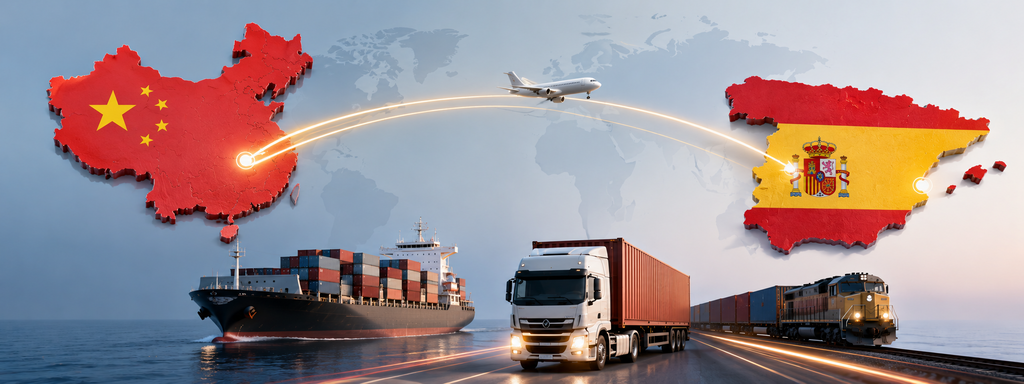
Shipping from China to Spain mainly has 3 options: use a China-based freight forwarder, let the supplier arrange shipment directly, and work with a Spain-based freight forwarder. Each of them has advantages and disadvantages. The following is a quick summary chart.
| Shipping Option | Advantage | Disadvantage |
|---|---|---|
| China-based freight forwarder | – Deep knowledge of Chinese logistics – Multiple and flexible shipping options – Can consolidate shipments to reduce cost – Provide goods inspection service to reduce dispute | – Need to communicate across time zones |
| Supplier arranged shipment | – Simple process, supplier handles everything – Less paperwork for the buyer | – Higher cost with non-transparent price – Limited shipping options – Less control over carrier and transit time – Very high shipping cost when you have multiple suppliers |
| Spain-based freight forwarder | – Local support in Spain – Expertise in Spanish customs – Good at local delivery | – May be more expensive – Usually needs to coordinate with China-side shipping separately – Less control over China-side |
Conclusion: working with a China-based freight forwarder is the best option to ship from China to Spain, since they can reduce your shipping cost and logistics risk by comprehensive service and flexible shipping routes. Especially for importers who have multiple suppliers, a China-based freight forwarder will not only provide consolidation and coordination service, but also offer goods inspection service to check cargo quality and quantity.
What Is the Best Shipping Method from China to Spain?
Shipping methods from China to Spain include air freight, sea freight, express freight, rail freight, truck freight, and optional DDP shipping service. The best shipping method from China to Spain depends on importers’ specific goods type, budget, requirements of transit time.
Air Freight from China to Spain
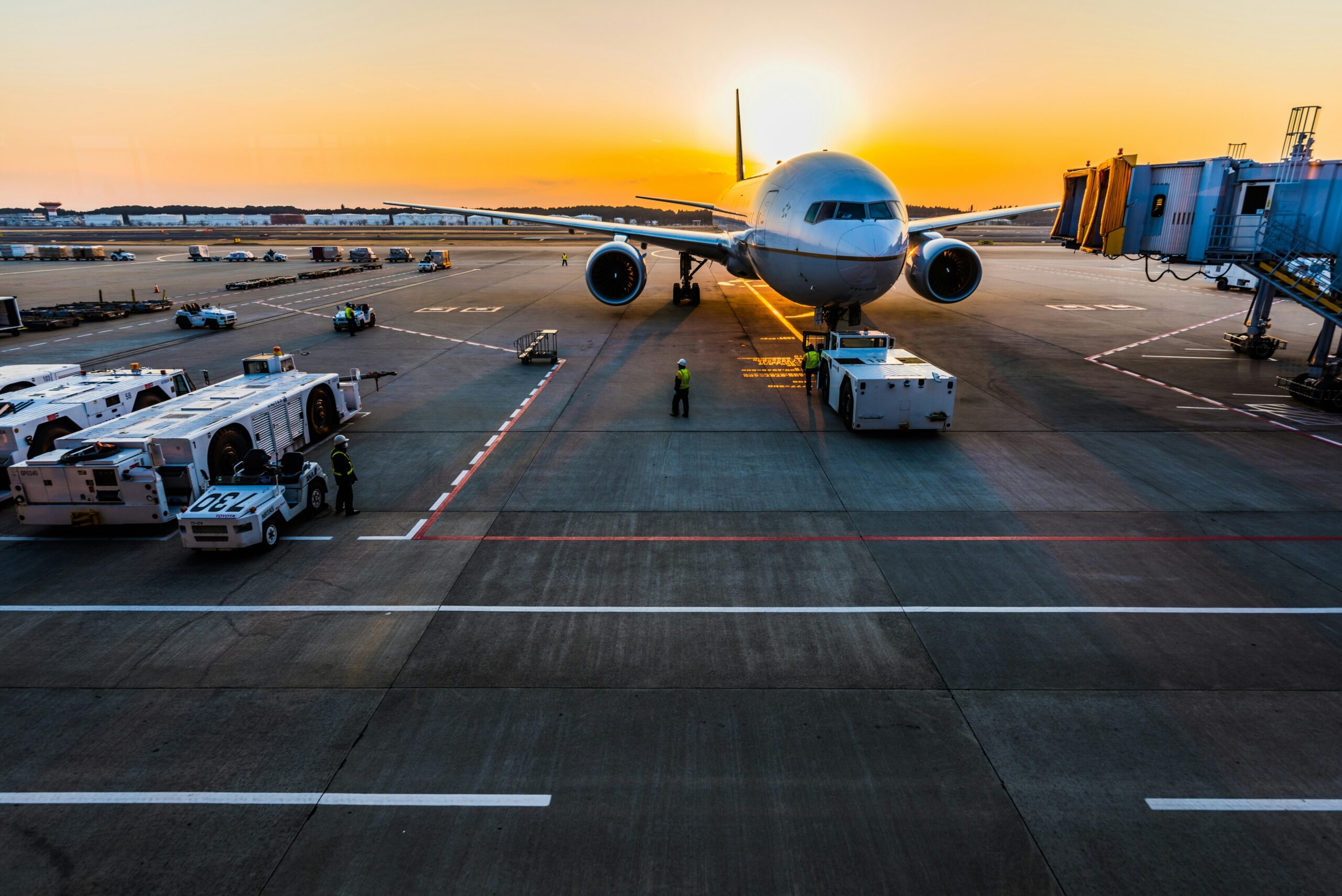
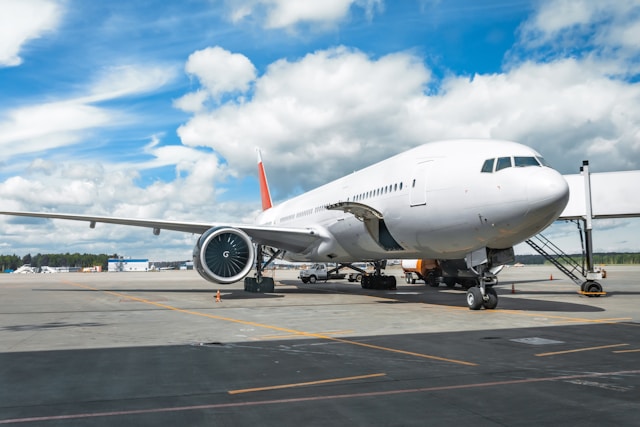
Air freight from China to Spain is one of the fastest shipping options, making it ideal for urgent shipments, high-value goods, electronics and high precision equipment. While air freight offers shorter transit times and higher reliability than sea freight, shipping costs are significantly higher. It is best suited for businesses that prioritize speed over cost and need to replenish inventory quickly.
Sea Freight from China to Spain
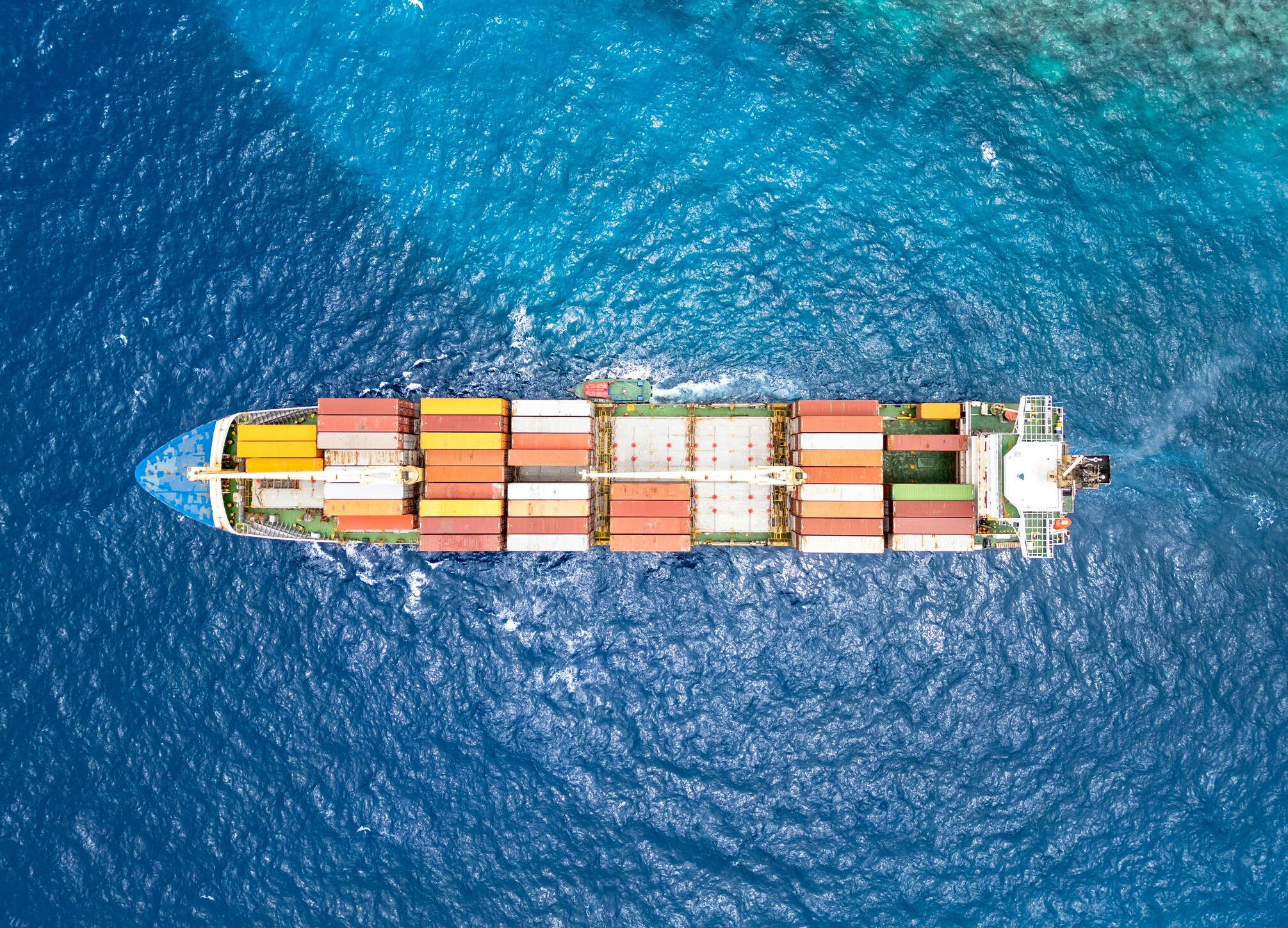
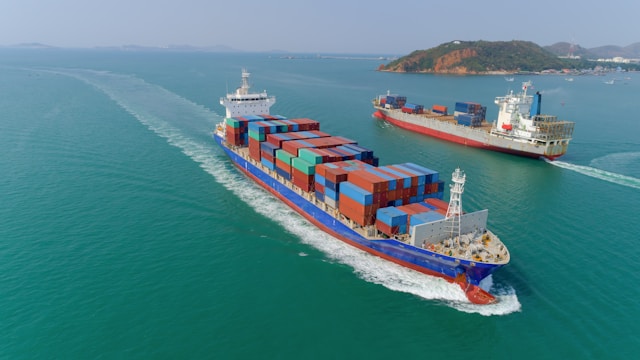
Sea freight from China to Spain is the most cost-effective solution for bulk cargo. Importers can choose Full Container Load (FCL) for better security and lower unit costs or Less than Container Load (LCL) for smaller shipments. Although sea freight has longer transit times, it remains the preferred choice for businesses that need to reduce shipping costs.
Express Freight from China to Spain
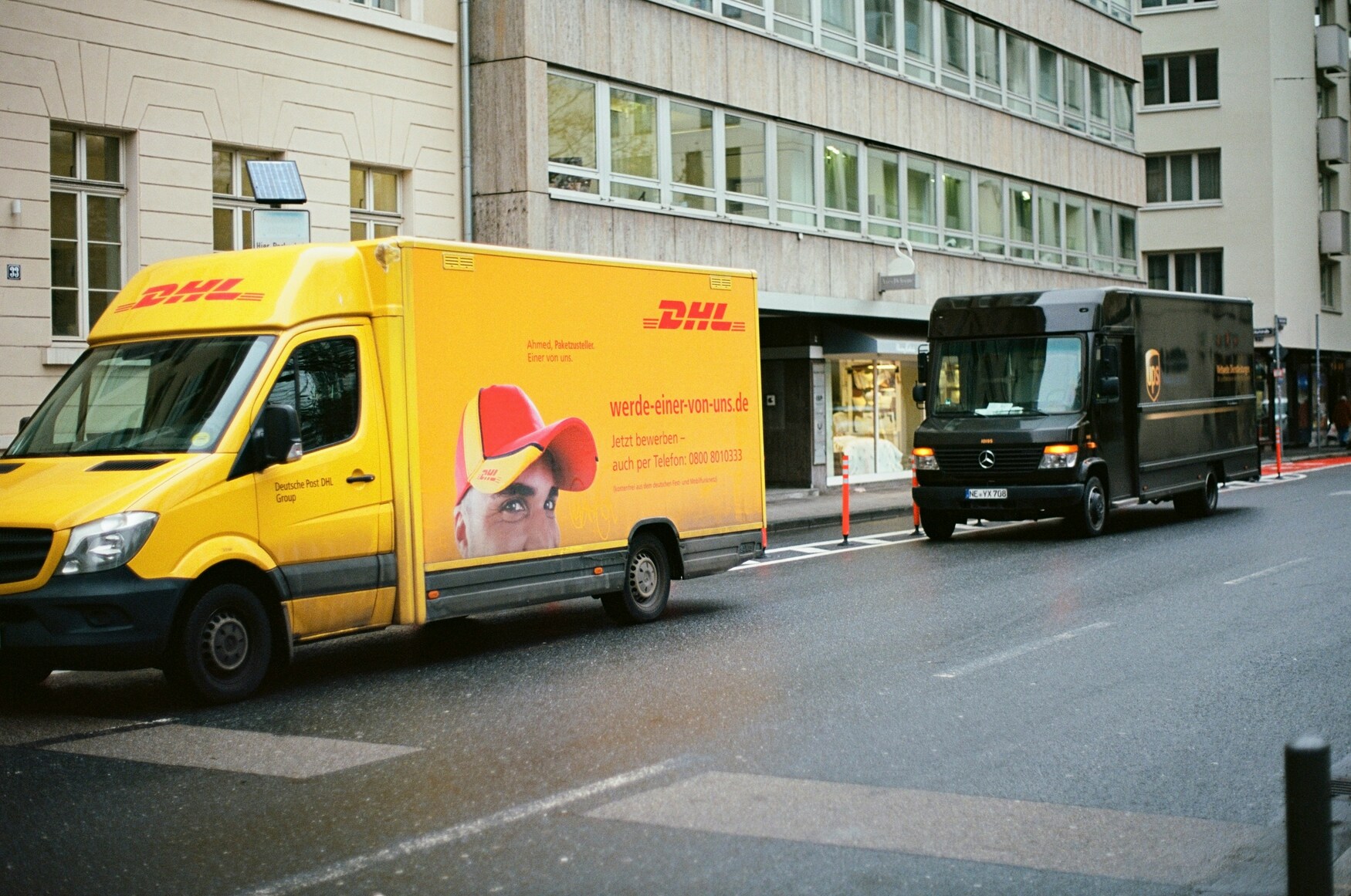
Express freight from China to Spain provides door-to-door delivery with the fastest transit times and simplified shipping procedures. Services offered by major couriers like DHL, UPS, FedEx, are ideal for samples, small parcels, and urgent e-commerce orders. However, express shipping is usually the most expensive option and may not be economical for large or oversized shipments.
Rail Freight from China to Spain

Rail freight from China to Spain offers a balance between cost and transit time, making it a practical alternative to both air and sea freight. Compared with sea freight, rail transport is faster, while remaining more affordable than air freight. It is suitable for medium-sized shipments, e-commerce inventory replenishment, and goods requiring predictable delivery schedules.
Truck Freight from China to Spain

Truck freight from China to Spain can provide flexible door-to-door delivery and is often used as part of multimodal logistics solutions. Although it is less common than sea, air, or rail freight for long-distance China–Spain shipments, it can be a suitable option for certain cargo types that require flexibility and direct delivery. Costs and transit times generally are between rail and air freight depending on the route.
DDP Shipping from China to Spain
DDP (Delivered Duty Paid) shipping from China to Spain is a hassle-free solution where the freight forwarder manages the full shipment, customs clearance, duties, VAT, and final delivery. This option offers the the highest level of convenience and predictable costs for importers. It is particularly suitable for first-time importers, e-commerce sellers, and businesses that want to simplify the shipping process.
How Much Does Shipping from China to Spain Cost?

Shipping costs from China to Spain vary depending on the shipping method, cargo volume, weight, and service required. Air freight from China to Spain costs 6.78-7.54 USD/kg and express freight costs 6-8 USD/kg. Sea freight FCL costs 1600-5000 USD per container, and sea freight LCL costs 2.16-2.69 USD/kg. Rail freight LCL costs 2.87-3.01 USD/kg from 100kg, and truck freight LTL costs 2.75-3.09 USD/kg from China to Spain.
Remark: Below is the cost breakdown of general goods with standard package from DFH Logistics in June, 2026. These figures are only for reference and intended to help importers plan their logistics budget. If your cargo contains batteries, liquid, branded products, magnetic, and irregular package, contact us for customized quotation based on your cargo type, quantity, weight, size and package type.
| Shipping Method | Approximate Prices | Pricing Basis |
|---|---|---|
| Air Freight | 6.78-7.54 USD/kg | by chargeable weight |
| Express Freight | 6-8 USD/kg | by chargeable weight |
| Sea Freight FCL | 1600-5000 USD | by container |
| Sea Freight LCL | 2.16-2.69 USD/kg | by chargeable weight |
| Rail Freight LCL | 2.87-3.01 USD/kg from 100kg | by chargeable weight |
| Truck Freight LTL | 2.75-3.09 USD/kg | by chargeable weight |
How to Reduce Shipping Cost from China to Spain?

Shipping costs can impact your profit margins when importing from China to Spain. Fortunately, there are several strategies that can be used to lower shipping cost without compromising delivery reliability. Besides choosing the right shipping method, from optimizing cargo packaging, planning shipments in advance to purchasing insurance, the following tips can help reduce your total landed costs.
Consolidate & Repack Shipments
For importers who have multiple suppliers or batches of shipment, it’s more cost-effective to collect all cargo into one shipment than shipping separately from China to Spain. Optimal repacking cargo with high-quality carton, wooden frame or pallet makes shipment safer. Repacking also save unnecessary space to lower chargeable weight and volume.
Plan Shipments in Advance
Avoid peak seasons and last-minute bookings can secure lower freight rates from China to Spain. Normally, arrange the shipment 3-4 weeks before the peak seasons and holidays. At peak season, it will not only increase shipping cost but also causes more hidden fees at port and customs clearance.
Buy Cargo Insurance Strategically
Cargo insurance is an important safeguard when shipping goods from China to Spain. It helps protect importers from cargo damage, loss, theft, or other unexpected incidents during transit. For high-value or fragile shipments, cargo insurance can significantly reduce the burden of replacement costs and provide greater peace of mind during transportation.
How Long Does Shipping from China to Spain Take?

Express freight is the fastest from China to Spain at 3–5 days, followed by air freight at 7–12 days. Truck freight takes about 20–28 days, rail freight 30–35 days, and sea freight is the slowest at 35–55 days.
Transit times from China to Spain vary depending on the shipping method, departure city, destination, customs clearance efficiency, and route demand. Understanding the typical transit times of each shipping method can help importers choose the most suitable logistics solution.
| Shipping Method | Transit Time |
|---|---|
| Air Freight | 7-12 days |
| Express Freight | 3-5 days |
| Sea Freight | 35-55 days |
| Rail Freight | 30-35 days |
| Truck Freight | 20-28 days |
How to Reduce Shipping Time from China to Spain?

Reducing shipping time from China to Spain requires more than simply choosing the fastest shipping method. Accurate documentation, shipping by an direct route, and considering DDP shipping can help reduce delays and improve logistics efficiency.
Prepare Accurate Documents
Prevents customs clearance issues caused by incomplete or incorrect paperwork. Prepare all the shipping documents early and consistently. Make sure all the operations and documents compliant with the requirements of Spain Customs.
Use Direct Shipping Routes
Using a direct shipping route will reduce the transshipment and handling time. Longer transit times mean higher potential risks. Choose a freight forwarder who provides direct shipping route from China to Spain.
Consider DDP Shipping
DDP shipping from China to Spain simplifies the full logistics process. The full shipment is arranged by one freight forwarder, which can significantly reduce the commutation and coordination time with smooth customs clearance and efficient final delivery.
What Is the Step-by-Step Process for Shipping from China to Spain?
Shipping process from China to Spain is different for importers and freight forwarders. Understanding what need to do at each step is very important for importers. Following process table shows the workflow of two parties.
| Step | Process | What Importers Should Do | What the Freight Forwarder Does |
|---|---|---|---|
| 1 | Confirm Cargo Details | Provide product information, cargo dimensions, weight, and shipping requirements. Ask suppliers to provide shipping document and packing list. | Review shipment details and recommend the most suitable shipping solution. |
| 2 | Choose a Shipping Method | Select the preferred balance between cost and transit time. | Compare available routes and provide quotations. |
| 3 | Cargo Pickup | Coordinate with the supplier to ensure the cargo is ready. | Arrange pickup and transport the cargo to the warehouse or port. |
| 4 | Pre-shipment | Negotiate with freight forwarder about your requirements of package, goods inspection, label and other customized demands. | Confirm requirements of importers. Complete shipment preparation to ensure cargo safety and reduce cost. |
| 5 | Export Customs Clearance in China | Provide required shipping documents. | Prepare export declarations and handle customs procedures in China. Mostly freight forwarder will prepare all the paperwork. |
| 6 | International Transportation | Monitor shipment progress and prepare for arrival. | Manage transportation and cargo tracking. |
| 7 | Import Customs Clearance in Spain | Submit import documents and pay duties & VAT if required. | Assist with customs clearance or handle the customs clearance and duties & VAT under DDP terms. |
| 8 | Final Delivery | Inspect the cargo upon arrival and report any issues. | Arrange last-mile delivery to the final destination in Spain. |
What Are the Major Shipping Routes from China to Spain?
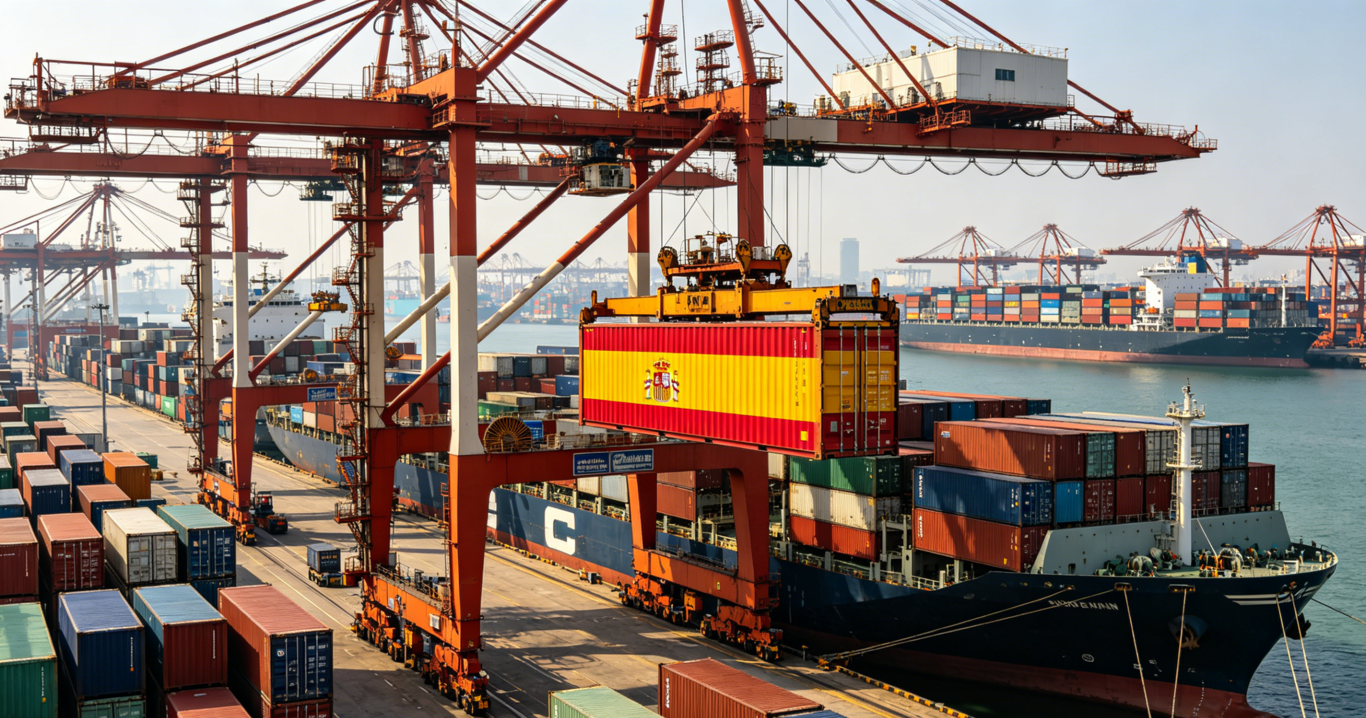
China’s main export hubs include Shanghai, Shenzhen, Ningbo, Qingdao, and Tianjin, while Spain’s primary import points are Valencia, Barcelona, Madrid, and Bilbao. Sea freight typically arrives at Valencia or Barcelona, air freight at Madrid or Barcelona airports, and rail freight usually enters through Madrid before final delivery. Multimodal shipments combine rail, truck, sea, and air freight for flexible door-to-door solutions.
| Transportation Method | Main China Ports | Spain Entry Points |
|---|---|---|
| Sea Freight | Shanghai, Shenzhen, Ningbo | Valencia, Barcelona |
| Air Freight | Shanghai, Guangzhou, Shenzhen, Hong Kong | Madrid, Barcelona |
| Rail Freight | Chengdu, Xi’ an, Chongqing | Madrid, Zaragoza |
| Truck Freight | Major inland hubs near ports | Madrid, Barcelona, other distribution centers |
- The best air shipping routes from China to Spain: Shanghai / Shenzhen / Guangzhou → Madrid / Barcelona.
- The best sea shipping routes from China to Spain: Shanghai / Ningbo / Shenzhen → Valencia / Barcelona.
- The best rail shipping routes from China to Spain: Chengdu / Xi’an / Chongqing→ Madrid.
What Documents Are Required for Shipping from China to Spain?
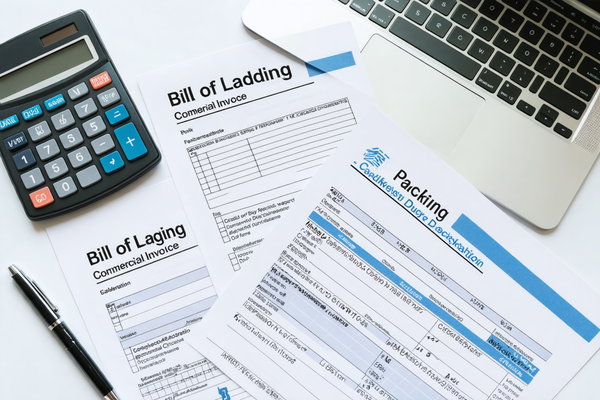
Importers should understand which documents are required at each stage of the shipping process and how they affect customs clearance in both China and Spain. Common shipping documents include commercial invoice, packing list, bill of lading/air waybill, certificate of origin and other permits or certificates. Incomplete or incorrect documents will lead to shipment delay and additional fees.
1.Commercial Invoice
Commercial invoice is the primary document that declares the product value to Spanish customs and is usually prepared by the supplier. Missing or inaccurate invoices can lead to customs delays or incorrect tax calculations.
2.Packing List
The packing list provides detailed information about cargo weight, volume, and package type, helping customs verify shipments. If the packing list is missing, inspections or clearance may be delayed.
3.Bill of Lading / Air Waybill
The bill of lading (for sea freight) or air waybill (for air freight) serves as proof of shipment ownership and is typically issued by the freight forwarder or carrier. Without it, cargo can’t be released, causing significant logistical issues.
4.Certificate of Origin
Certificate of Origin (CO) is a key document in international shipping from China to Spain. It officially certifies the country where the goods were manufactured or produced. Spanish customs and import authorities often require a CO to determine the correct tariff, apply preferential trade agreements, and verify compliance with EU import regulations.
5.Other Permits & Certificates
For certain goods, additional permits and certificates are required to comply with Spanish and EU regulations, such as phytosanitary certificate for plants and seeds, CE / CB Certificates for electronics, machinery, and toys, UN38.3 and MSDS/SDS for batteries and dangerous goods.
What Goods Are Prohibited or Restricted in Spain?
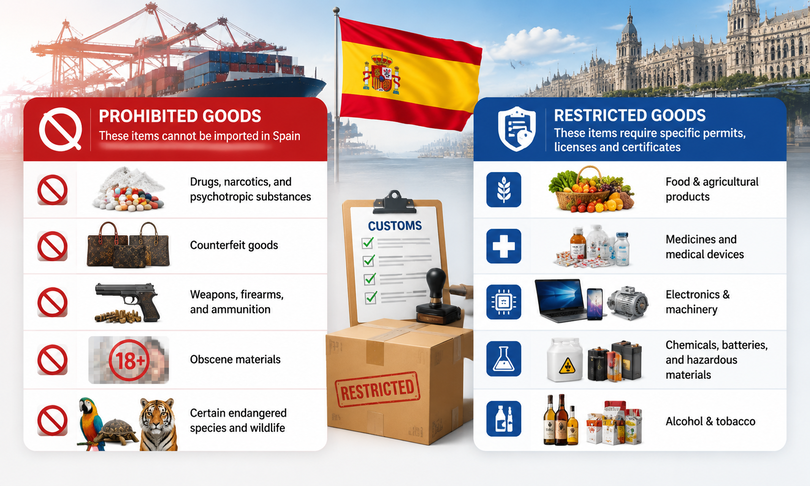
When you are importing from China to Spain, following goods are under strict control and some of them are not allowed to be imported. Before placing the order from your suppliers, make sure if the goods are prohibited or restricted in Spain.
Prohibited Goods in Spain
These items cannot be imported in Spain:
- Drugs, narcotics, and psychotropic substances
- Counterfeit goods
- Weapons, firearms, and ammunition
- Obscene materials
- Certain endangered species and wildlife
Restricted Goods in Spain
These restricted items are imported only with specific permits, licenses and certificates:
- Food & agricultural products
- Medicines and medical devices
- Electronics & machinery
- Chemicals, batteries, and hazardous materials
- Alcohol & tobacco
How Customs Clearance Works in Spain?

All goods imported from China into Spain must go through customs clearance. Before goods can be released for delivery, importers or freight forwarders need to submit the customs declaration, complete the payment of duties & VAT, undergo inspection if required. Below is the process of customs clearance in Spain.
Step 1: Submit Import Documents
The first step is submit all required shipping documents that we have mentioned at previous section to Spanish customs determining the customs value and verify product compliance.
Step 2: Customs Declaration Review
Customs officers review the declaration and check products description, HS Code classification, declared value, country of origin, and applicable import restrictions.
Step 3: Duties and VAT Payment
Once the declaration is accepted, customs calculates the duties and VAT due to the declared value on the shipping documents.
Step 4: Customs Inspection (If Required)
Not all shipments are inspected. Customs may select cargo for inspection based on random check, high-risk products, value discrepancies and other in-compliant practice.
Step 5: Cargo Release and Final Delivery
After duties and taxes are paid and customs approval is granted, the shipment is released for delivery to the final destination in Spain.
How Much Import Duties and VAT Will You Pay in Spain?

When importing goods from China to Spain, importers need to pay Import Duties and VAT (IVA). The exact amount depends on the product’s HS Code, customs value, country of origin, and applicable EU regulations.
- Customs duties: normally 0% to 17% depending on the specific HS Code.
- VAT: standard Import VAT rate is 21%.
- Reduced rates: the current reduced rates are 10% and 4%(Check which goods and services are subject to reduced tax rates).
Which Is Best Incoterm for Shipping from China to Spain?
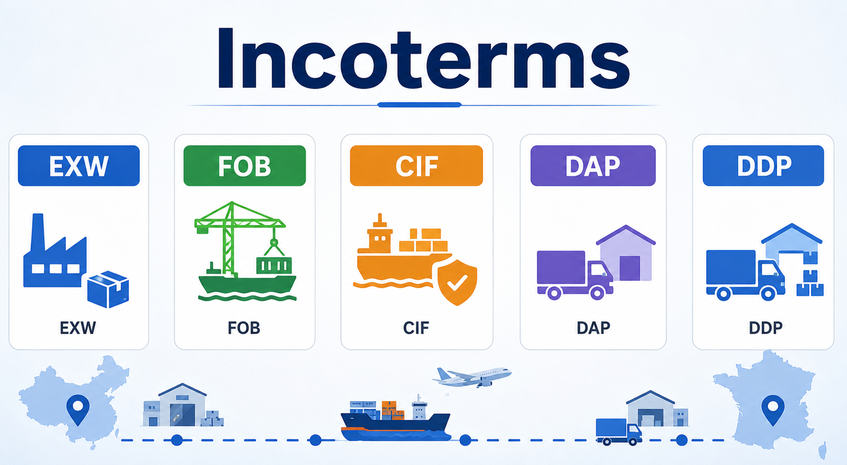
Incoterms define the responsibilities and risk transferred between buyers and sellers. It’s critical for importers to know the meaning of the most common used Incoterms for shipping from China to Spain. The most common Incoterms include EXW, FOB, CIF, DAP and DDP.
EXW (Ex Works)
Under EXW, the seller’s responsibility ends once the goods are available at the factory in China. The buyer is responsible for arranging pickup, export customs clearance, international transportation, cargo insurance, import customs clearance in Spain, and final delivery. EXW is suitable for experienced importers with mature logistics networks in China.
FOB (Free on Board)
Under FOB, the seller is responsible for delivering the goods to the designated port in China, completing export customs clearance, and loading the cargo onto the vessel. Once the goods are on board, the risk transfers to the buyer, who then handles ocean freight, insurance, customs clearance in Spain, and final delivery. FOB is widely used for importers shipping from China to Spain by sea freight.
CIF (Cost, Insurance and Freight)
Under CIF, the seller arranges and pays for ocean freight and minimum cargo insurance to the destination port in Spain. However, the buyer remains responsible for import customs clearance, duties, VAT, and inland transportation after arrival. It suits for importers who want the supplier to manage international shipping arrangements.
DAP (Delivered at Place)
Under DAP, the seller is responsible for transporting the goods to the agreed destination in Spain. The buyer is responsible for import customs clearance, import duties and VAT. Risk transfers when the goods arrive at the designated delivery location and are ready for unloading. DAP is suitable for importers who have local delivery resource.
DDP (Delivered Duty Paid)
Under DDP, the seller assumes almost all responsibilities, including export customs clearance in China, international transportation, import customs clearance in Spain, duties, VAT, and final delivery to the buyer’s address. The buyer simply receives the goods at the agreed location. DDP is the best for SMEs, e-commerce seller, and first-time importers.
The following table shows how responsibilities, costs, and risks are allocated between the seller and buyer under different Incoterms. In practice, many of these tasks are handled by freight forwarders acting on behalf of either party.
| Responsibility | EXW | FOB | CIF | DAP | DDP |
|---|---|---|---|---|---|
| Pickup | Buyer | Seller | Seller | Seller | Seller |
| China Origin Logistics | Buyer | Seller | Seller | Seller | Seller |
| Export Customs Clearance in China | Buyer | Seller | Seller | Seller | Seller |
| Shipping Documentation | Buyer | Seller | Seller | Seller | Seller |
| Origin Port Charges | Buyer | Seller | Seller | Seller | Seller |
| Shipping Cost | Buyer | Buyer | Seller | Seller | Seller |
| Cargo Insurance | Buyer | Buyer | Seller* | Buyer | Seller* |
| Destination Port Charges | Buyer | Buyer | Buyer | Seller | Seller |
| Customs Clearance in Spain | Buyer | Buyer | Buyer | Buyer | Seller |
| Import Duties & VAT | Buyer | Buyer | Buyer | Buyer | Seller |
| Inland Delivery in Spain | Buyer | Buyer | Buyer | Seller | Seller |
| Main Risk Transfer Point | Seller’s Factory | On Board Vessel at Origin Port | On Board Vessel at Origin Port | At Named Place Before Unloading | At Final Delivery Point |
*Under CIF, insurance is mandatory and must be arranged by the seller. Under DDP, insurance is not required by Incoterms but is commonly arranged by the seller since they bear the transportation risk until delivery.
What Are the Common Risk When Shipping from China to Spain?
Although international shipping between China and Spain has become more mature, importers may still face some common risks like goods damage & loss, hidden fees, and peak season issues. Understanding these risks in advance can help you avoid risk and ensure shipment safety.
Goods Damage & Loss
Goods can be damaged during loading, unloading, transportation, or storage. Fragile products, high value goods, machinery, electronics, and oversized cargo particularly have a higher risk of damage and loss.
Tips: work with a freight forwarder who provide professional package service to ensure cargo safety. Buying insurance is another way to lower the financial loss.
Hidden Fees
Many first-time importers only focus on freight cost and overlook surcharges in other steps. Common hidden fees include warehousing fees, consolidation and repacking fees, port handling fees, fuel surcharges, documentation fees and so on.
Tips: confirm with freight forwarder what services are included in the quotation and calculate the total landed shipping cost before shipment.
Peak Season Capacity Shortages
During the peak season like Chinese New Year, Black Friday, Christmas, freight rates often increase, and vessel or flight space may become limited. When flight and vessel schedules are tight, you need to plan shipments carefully. Otherwise, it will disrupt your supply chain.
Tips: ship 3-4 weeks before peak season and holidays, or avoid peak season. Use a freight forwarder with stable routes even at peak season.
What’s the Best Shipping Method for Amazon FBA Spain?

For most Amazon FBA sellers shipping from China to Spain, DDP shipping is often the most convenient and cost-effective option. DDP shipping allows sellers to receive a fully managed logistics solution from pickup in China to final delivery at the Amazon fulfillment center in Spain. It’s also the most popular shipping method for Amazon sellers. Followings are the reasons why DDP shipping is the best shipping methods for Amazon FBA Spain.
A.Consolidation and Relabel Service
DDP shipping provides comprehensive logistics services, including consolidation, repacking and relabeling to reduce your shipping cost and meet the requirements of Spanish customs and Amazon warehouse inbound.
B.Direct Delivery to Amazon Warehouses
Under DDP, the freight forwarder handle all the process with high efficient coordination and optimal arrangement. They will arrange the Amazon warehouse inbound appointment before arrange the final delivery.
C.Predicable Total Landed Cost
One of the biggest challenges for Amazon sellers is to calculate the total cost. Under DDP term, the freight forwarder usually provide with an all-inclusive quotation. This makes it easier for budget evaluation and to avoid unexpected costs.
Why You Need Cargo Insurance When Shipping from China to Spain?
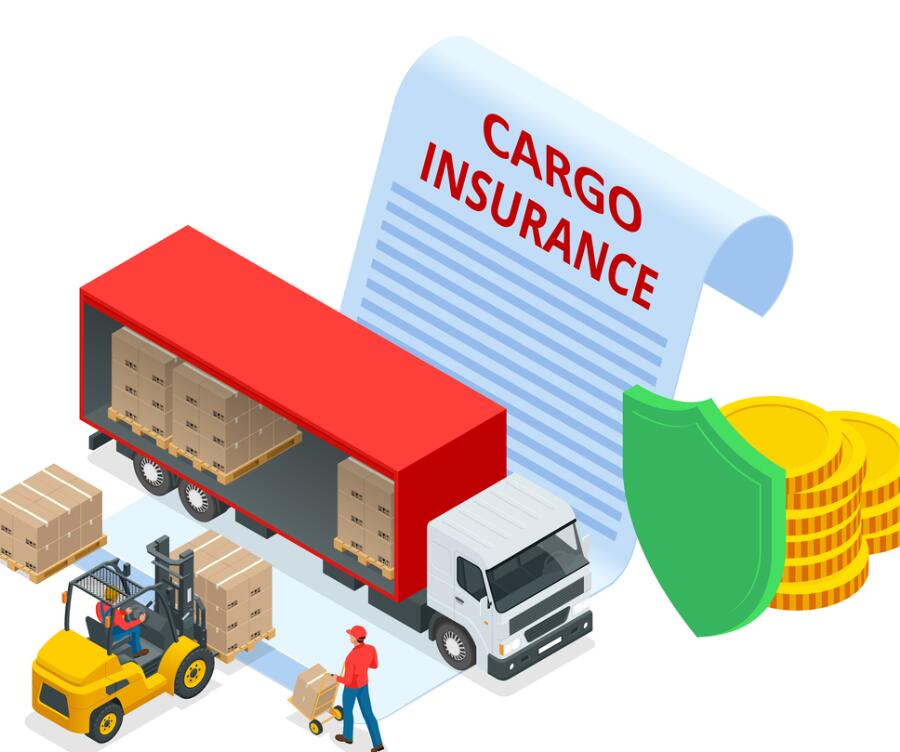
Nobody dares to guarantee that there will be definitely no problem during the transportation from China to Spain, especially by sea freight with long transit time. This is why you need cargo insurance to protect your shipment against financial losses.
Required for High-Value and Fragile Goods
If your shipment from China to Spain contains high-value products (e.g., electronics, machinery, jewelry) and fragile goods(glass, furniture, artworks), insurance is highly recommended or even mandatory. In this case, insurance is taken as a precaution to protect against potential losses.
Covers Cargo Loss and Theft
Although it’s rare, theft and lost shipments still occur during international shipping. Cargo insurance reimburses you for stolen or permanently lost goods, minimizing financial impact.
Mitigates Delays
Unexpected issues like force majeure, port congestion due the labor shortage, customs inspection, can run your supply chain, especially when you are arranging a seasonal promotion. Certain insurance offers partial coverage for shipment delay financial losses, leading to a smaller financial loss.
How to Find the Best Freight Forwarder Shipping from China to Spain?
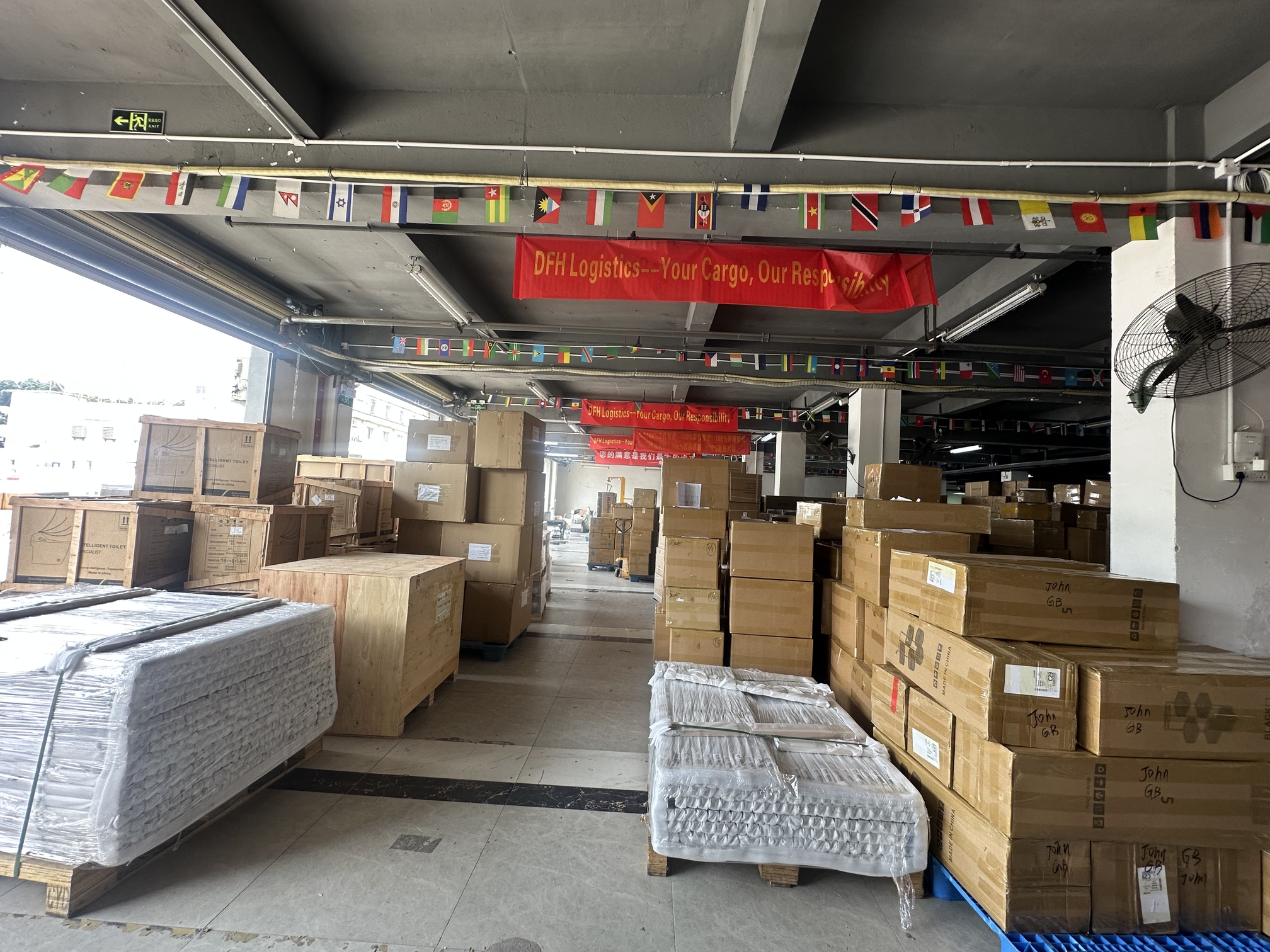
It’s not difficult to find the best freight forwarder shipping from China to Spain. Normally, here are 3 ways for importers: search online, ask friends for help, reviews on social medium. Or you can directly read this article: Top 6 Freight Forwarders China to Spain.
- Search on Google or ask AI and they will give you a comprehensive reference of freight forwarders shipping from China to Spain. It is convenient and fast, but may need you to select carefully.
- Recommendation from friends is a good way to find the best option. Friends will share the real experience and true feedback about a freight forwarder.
- You can find feedback of a freight forwarder on platform like Linkedin, Reddit, and Trustpilot.
Why Choose DFH Logistics for Shipping from China to Spain?
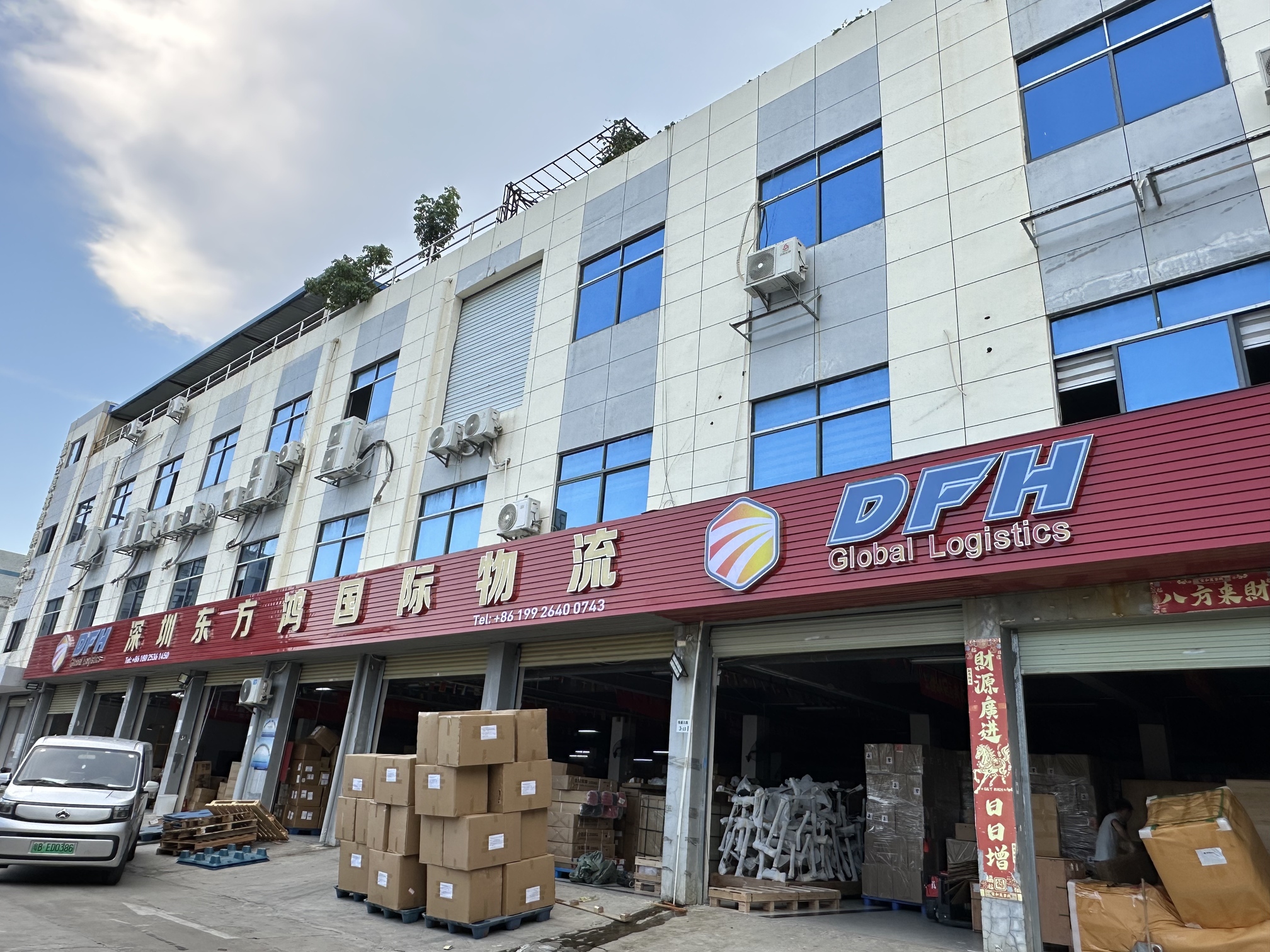
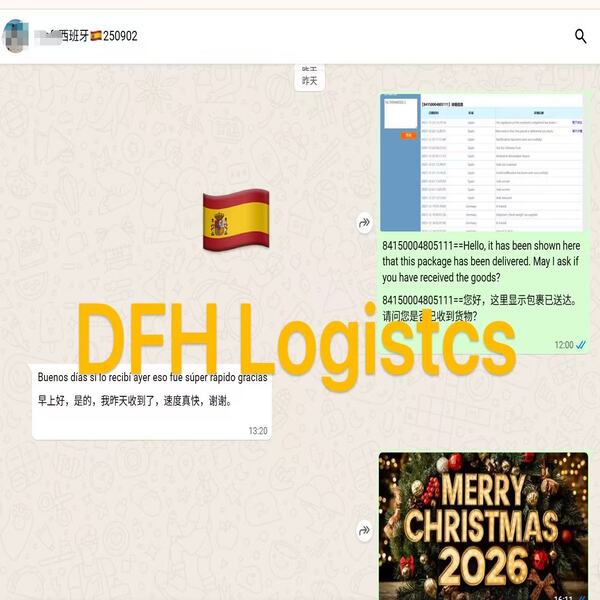
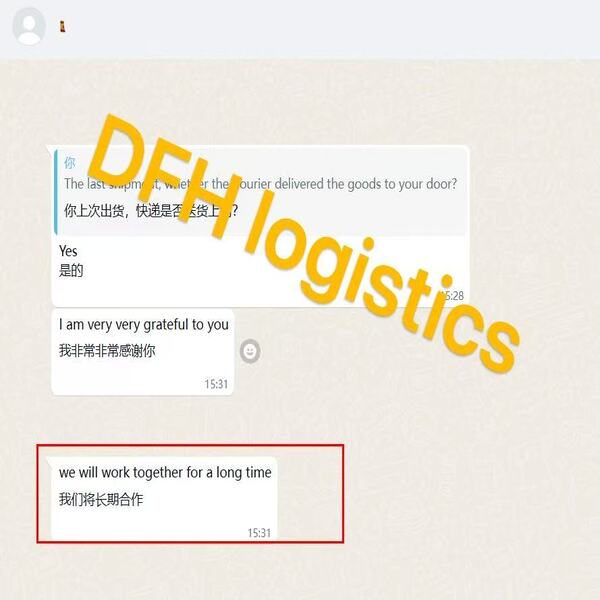
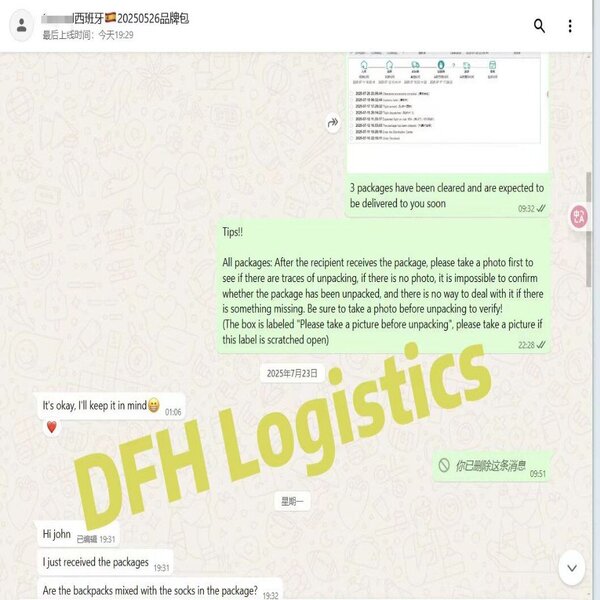
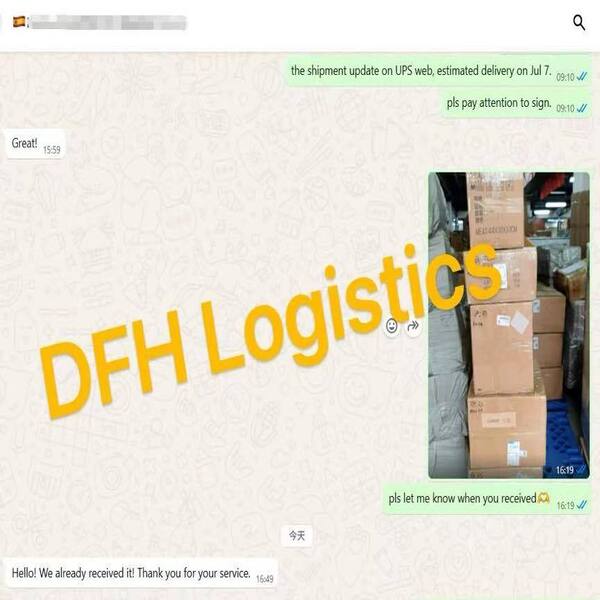
DFH Logistics is an one-stop international logistics solution provider with more than 13 years of experience shipping from China to Spain. With flexible shipping routes and powerful operation power, we have the capability to handle general goods, dangerous goods, oversized goods and special goods. DFH Logistics streamlines your supply chain and simplifies the entire process by these comprehensive services:
- Pickup: we arrange the pickup from your suppliers’ factories.
- Consolidation: consolidation helps importer save shipping cost by gathering goods from multiple suppliers into one shipment.
- Repacking and relabeling: repacking and relabeling to meet the requirements of customs and Amazon warehouse inbound. This ensures the shipment safety and compliance.
- Warehousing: we provide 30 days free goods storage with 5000㎡ warehouse.
- Goods inspection: provide attentive goods inspection service to confirm the goods quality and quantity with photo and video recording.
- Insurance: optional insurance at a discount price.
- Customs clearance in China and Spain: 30+ professionals help you handle with the customs clearance both in China and Spain.
- Duties and VAT: under DDP term, duties and VAT are prepaid.
- Final delivery: with strong local delivery force in Spain, we can arrange hassle-freee door-to-door delivery.
- 24/7 customer service: DFH Logistics provides 24/7 instant customer service by email, phone, wechat and whatsapp.
Quick Summary About DFH Logistics:
| ITEM | DETAILS |
|---|---|
| Headquarters | Shenzhen, China |
| Founded in | 2013 |
| Website | https://dfhfreight.com/ |
| Phone/WhatsApp | +86 18025361450 |
| [email protected]; [email protected] | |
| Address | F1,No.7, YingJin Industrial Park North Area, YueSheng 3rd Road, Fuhai Street, FuYong Town, Bao’an District, ShenZhen, GuangDong Province, China. 518103 |
| Core Service | Shipping from China to Spain by air, sea, express, truck, rail freight and DDP door-to-door shipping. |
| Main Market | Spain, France, Singapore, USA, Ireland, Italy, Netherlands, Germany, UK, UAE, Australia, Canada, Europe, South Africa, Philippines, Malaysia, Thailand. |
| Suitable For | Amazon FBA Sellers, Dropshipping, Global Importers and Buyers, Wholesaler, Bulk Shipment, General Goods, Oversized Cargo, Dangerous Goods, Special Cargo. |
| Social Medium | Tiktok/youtube/instagram/facebook: @chinafreightforwarderdfh |
Final Thought
Shipping from China to Spain involves multiple steps. Working with a reliable freight forwarder like DFH Logistics can significantly reduce risk and simplify the entire logistics process. If you are looking for a safe, efficient, and cost-effective shipping solution from China to Spain, DFH Logistics is ready to help. Contact us today to get a tailored shipping quote and optimize your China to Spain supply chain.