




When shipping from China to Philippines, many importers face challenges such as hidden fees, customs clearance issues, shipment delays, and unprofessional freight forwarders. These problems will affect total landed costs, shipping times, and your supply chain efficiency.
In this complete guide, we will provide you with a full guide of shipping from China to Philippines, mainly including available shipping methods, freight costs, transit times, customs clearance procedures, import duties and taxes, cargo insurance, and practical tips to ensure a smooth and safe shipment.
How to Ship from China to Philippines?
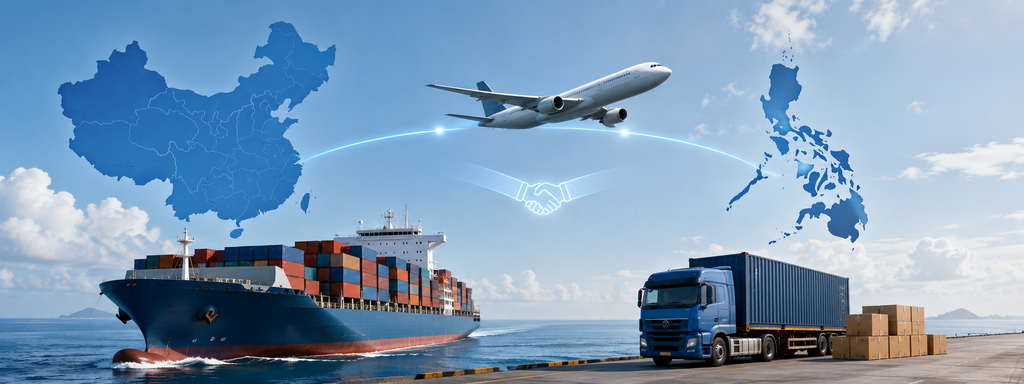
Importers can ship from China to Philippines by three options: work with a China-based freight forwarder, let your suppliers arrange the shipment, and use a Philippines-based freight forwarder. We will explain each option so you can better understand which one is most suitable for your business.
1. China-based Freight Forwarder
A China-based freight forwarder provides flexible shipping routes, customized service, and competitive price. When you have multiple suppliers, they help you consolidate goods and coordinate with multiple parties to save your time. An origin local freight forwarder will give you the best shipment preparation, which improves shipment safety and efficiency.
2. Supplier Arrange Shipment
Some first-time importers who have little understanding of international logistics will choose ship by their suppliers. But normally suppliers usually do not have their own logistics departments, and still need a shipping agent to handle the international transportation to Philippines. Suppliers are more likely to provide a higher quotation and limited shipping options. When importers have more than one supplier, it may be difficult to provide goods consolidation for suppliers.
3. Philippines-based Freight Forwarder
Philippines-based freight forwarders offer good local logistics services, professional import customs clearance in Philippines, and smooth communication with importers, but they need a Chinese agent to deal with origin handling for them, unless they have branch office in China or warehouse. This leads to a higher total landed cost due to multiple intermediaries.
Conclusion: Compared with other two options, it’s more cost-effective and convenient for importers to work with a China-based freight forwarder. This is also the most direct and simple way. After all, both of suppliers and Philippines-based freight forwarders need assistance of a Chinese third party.
What Are the Main Shipping Methods from China to Philippines?
The main shipping methods from China to Philippines include air freight, sea freight, express freight and DDP shipping. Importers need to choose suitable shipping methods according to their requirements, product type, weight ,volume, and priority.
Air Freight from China to Philippines
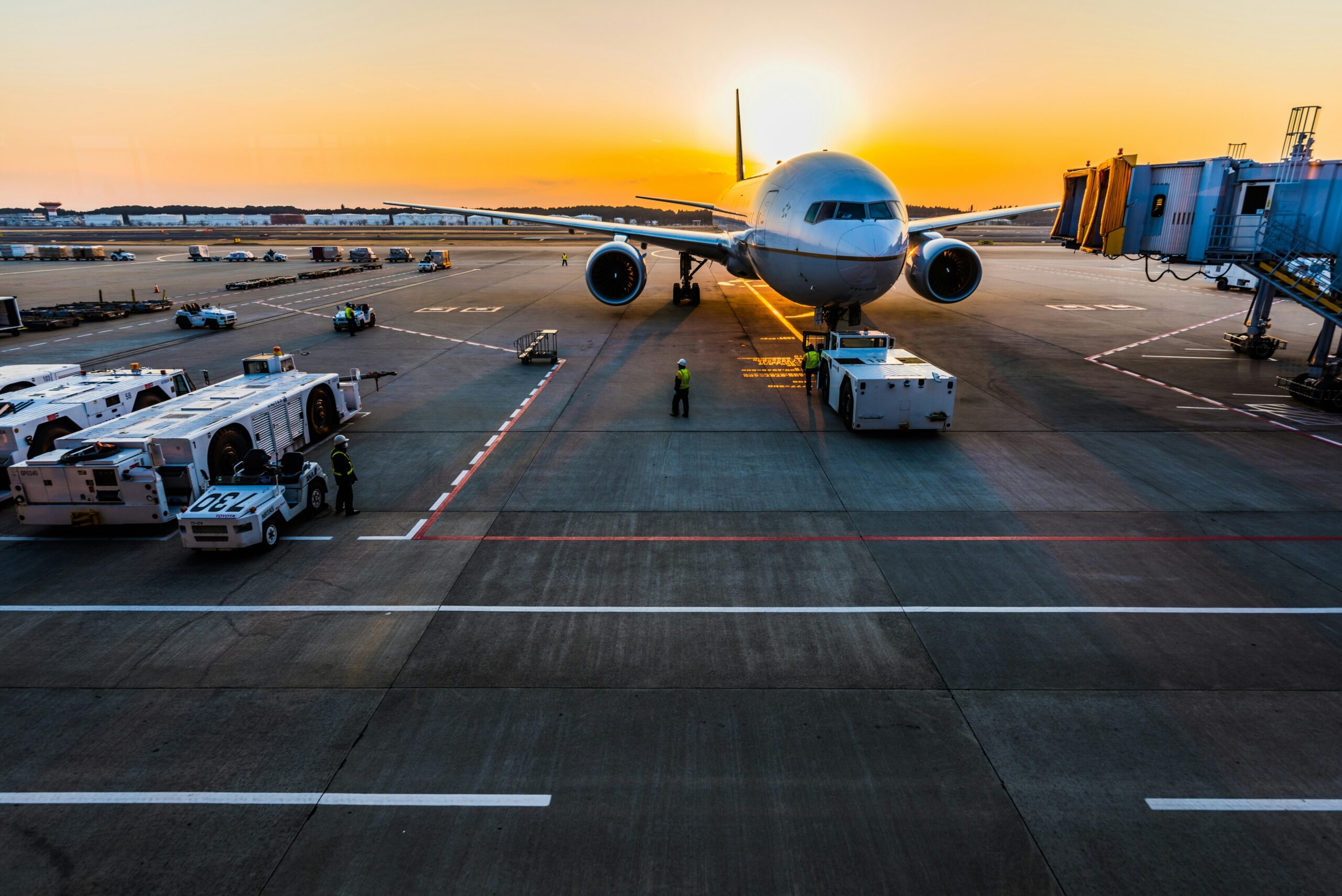
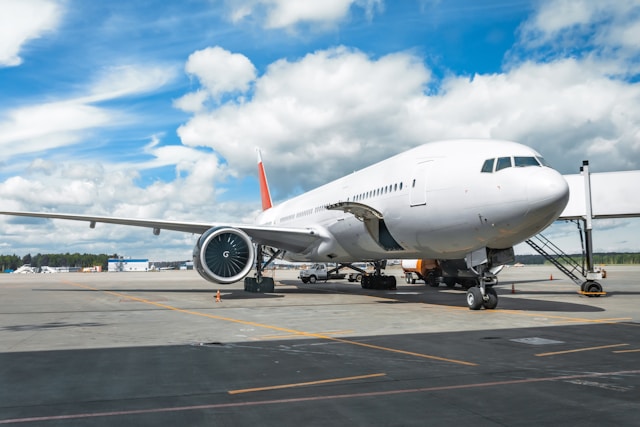
Air freight is widely used for time-sensitive and high-value shipments such as electronics, foods products, and seasonal products. Compared with sea freight, it offers much faster transit time, but the cost is relatively higher.
Sea Freight from China to Philippines
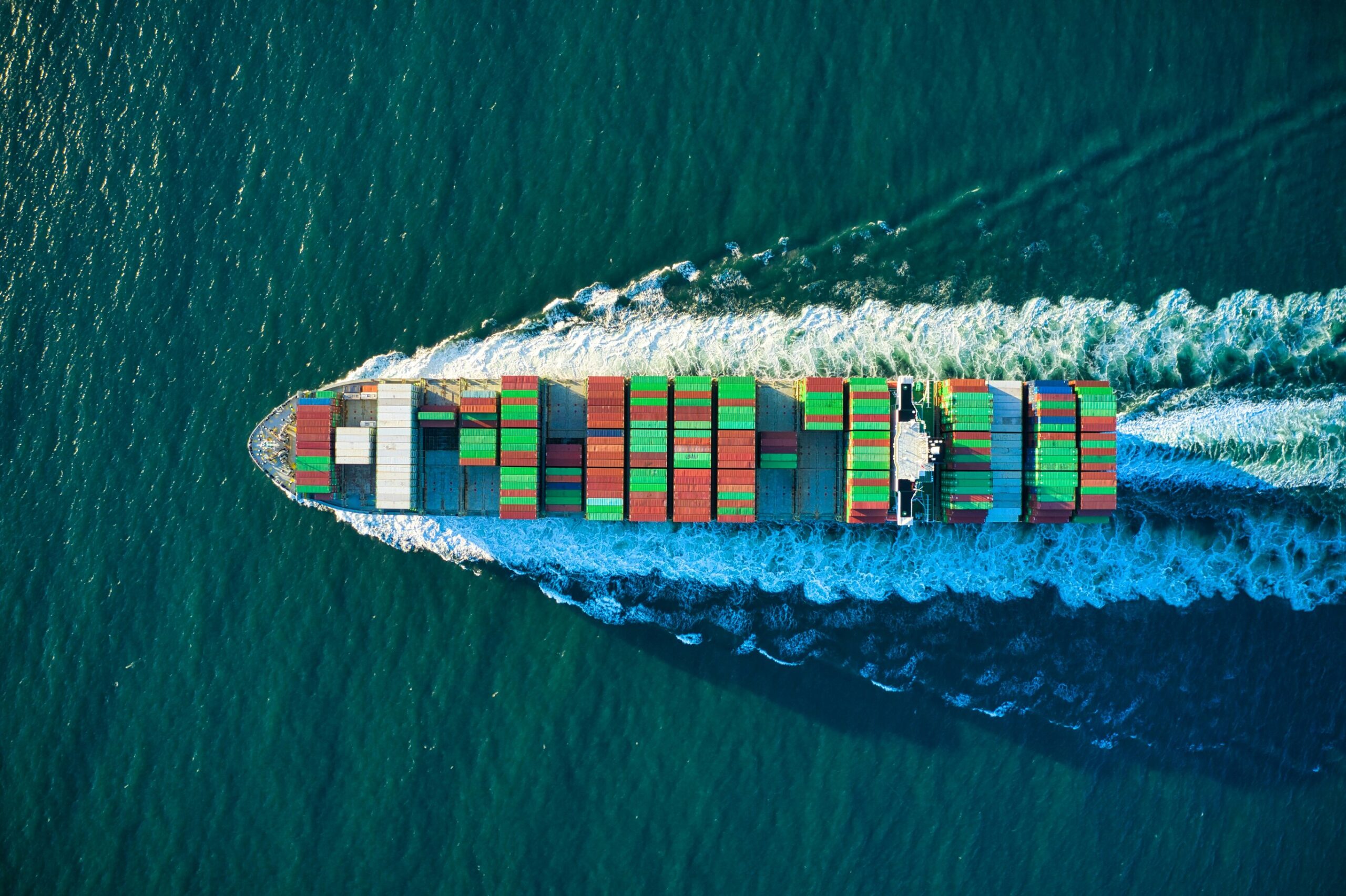
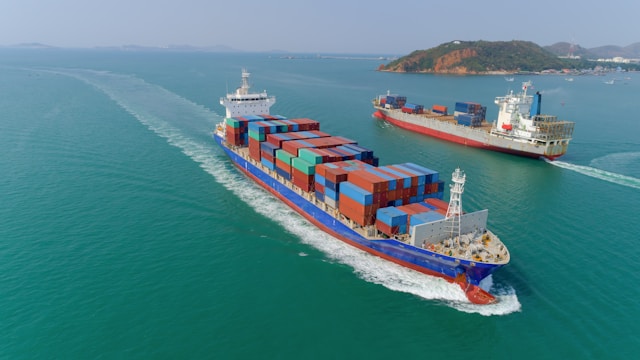
Sea freight is a cost-effective shipping method with relatively low unit price. It’s very suitable for bulk shipment, oversized cargo, and overweight cargo. But it has the longest transit time, which leads to a higher potential risk during transit.
Express Freight from China to Philippines
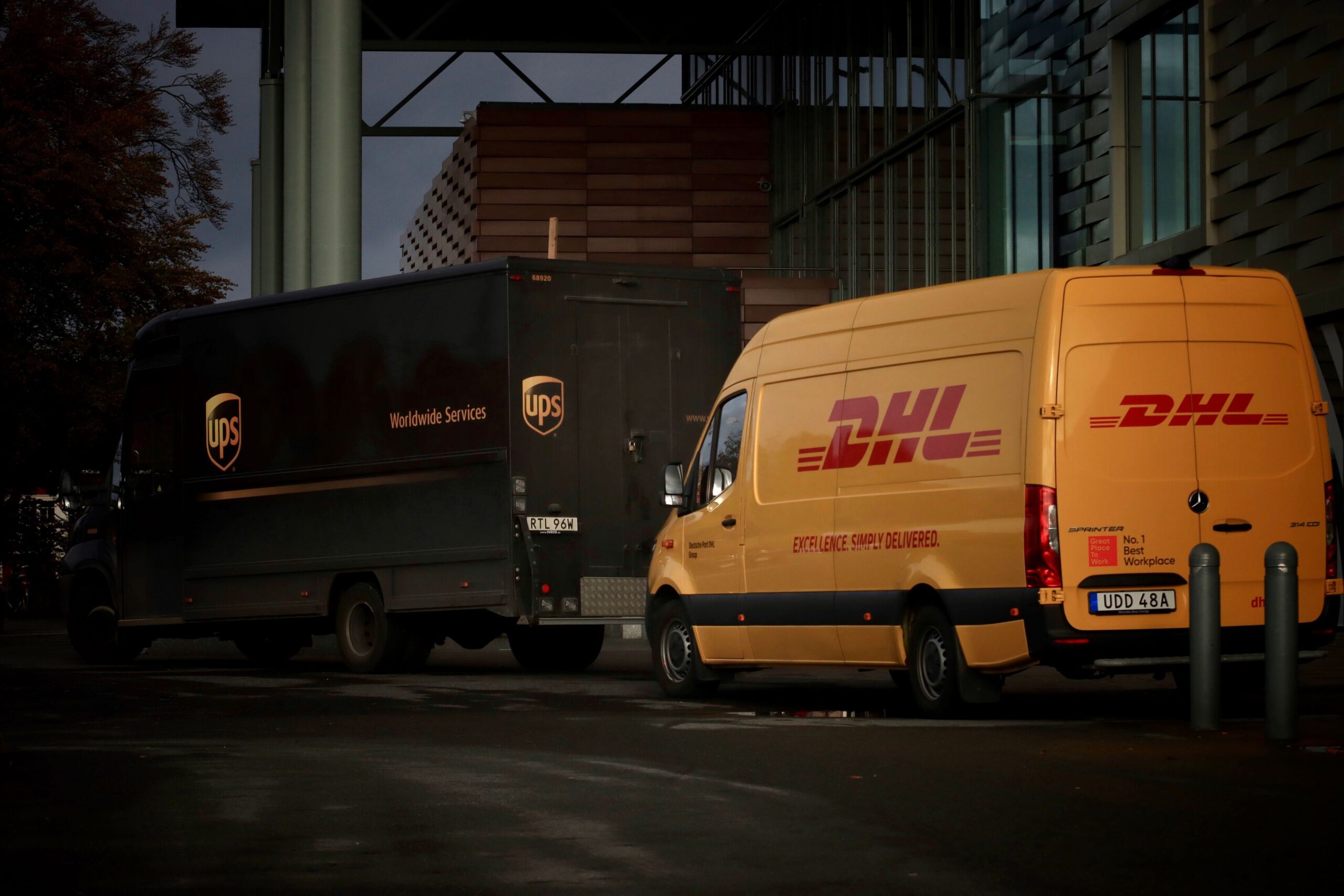
Express freight is handled by international courier companies like DHL, UPS and FedEx, and is commonly used for small parcels, samples, and urgent files. Express provides door-to-door shipping, good customs service, and real time tracking system. But it’s expensive and has a strict regulation on cargo size and weight.
DDP Shipping from China to Philippines

DDP shipping is one of the most convenient logistics solutions for importers. Freight forwarders take the responsibility of full shipment from cargo pickup, export and import customs clearance, duties, VAT, and final delivery to your doorstep. It’s a good option for e-commerce seller, first-time importers and SMEs.
What Is the Cheapest Way Shipping from China to Philippines?

Express freight from China to Philippines costs $5 – $15/kg, and air freight costs $2.5 – $8/kg. Sea freight LCL typically costs $0.3–$1.0/kg from China to the Philippines, while Sea freight FCL costs 700 – 1200 USD depending on different containers.
Remark: The following prices for general cargo with standard packaging in June, 2026 are only for your reference to evaluate logistics budget. If your goods contain batteries, magnetic, powder, irregular package and branded products, contact us for a more accurate quotation with your cargo type, quantity, weight and package type.
| Shipping Method | Reference Unit Price | Pricing Basis |
|---|---|---|
| Express | $5–$15/kg | by Chargeable Weight |
| Air Freight | $2.5 – $8/kg | by Chargeable Weight |
| Sea Freight LCL | $0.3–$1.0/kg | by Chargeable Weight |
| Sea Freight FCL | 700-1200 USD | by Container |
In most cases, sea freight is the cheapest way to ship from China to Philippines, but the lowest total landed costs depends on your shipment size, volume, budget, and delivery requirements. Consulting an experienced freight forwarder can help you choose the right shipping method and avoid unnecessary logistics costs.
How to Reduce Shipping Cost from China to Philippines?
Importers can reduce shipping costs by proper arrangement, suitable shipping methods, consolidation and so on. Here are some typical ways to lower shipping costs when shipping from China to Philippines.
Choose the Right Shipping Method
Choosing the right shipping method is definitely the most useful way to reduce shipping cost. Importers can negotiate with their freight forwarders to find out the most cost-effective shipping methods based on cargo volume, dimension, delivery time and supply chain efficiency.
Consolidate Cargo
Consolidating all goods that are ready for shipment into one shipment can significantly reduce shipping costs than shipping them separately. Importers need to work with a freight forwarder that provides consolidation service, especially when they have more than one supplier.
Optimize Packaging
Shipping costs are often calculated based on either chargeable weight or volume. Oversized or poor packaging can increase unnecessary freight costs. Optimal packaging will lead to max space utilization, lower handling costs, and minimal cargo damage.
Avoid Peak Seasons
Freight rates usually increase during periods such as new year, national day, holidays, and promotional shipping seasons. It’d be better to ship before the peak seasons or just avoid them to prevent paying a premium.
Work with an Experienced Freight Forwarder
Normally, an experienced freight forwarder have the capability to provide the competitive prices and predict potential risks to save unexpected costs. A professional freight forwarder can help consolidate cargo, optimize shipping routes, select suitable shipping methods, and prevent hidden fees.
What Are Unexpected Charges When Shipping from China to Philippines?
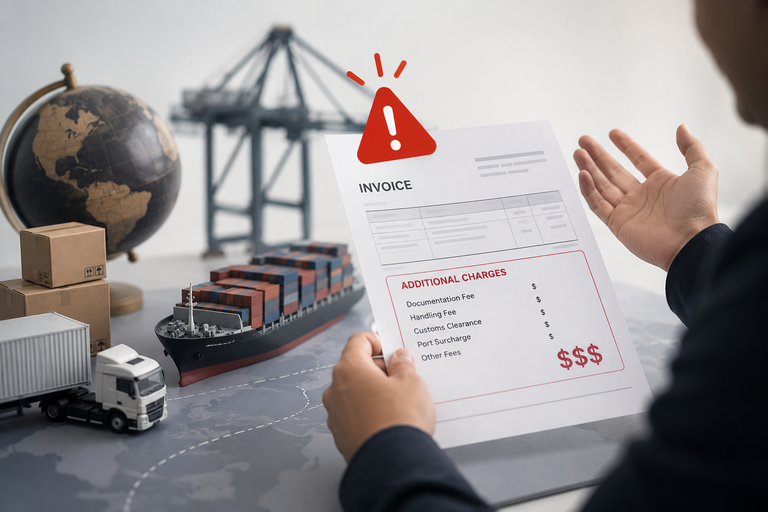
Many importers only focus on the freight costs when shipping from China to Philippines. However, the total landed cost may exceed expectations due to additional charges that are not always included in the initial quotation. Understanding these potential fees in advance can help importers better estimate the total landed cost.
- Destination Charges
- Customs Duties and VAT
- Customs Inspection Fees
- Storage and Demurrage Charges
- Remote Area Delivery Charges
- Fuel Surcharges
- Peak Season Surcharges
- Special Handling Fees
Above are the most common unexpected charges for importers. Most of them occur after the goods departure origin. Importers need to request a detailed cost breakdown and confirm whether all these fees are included.
How Long Does Shipping from China to Philippines Take?

Shipping from China to the Philippines takes 2-4 days by express, 2-5 days by air freight and 10-18 days by sea freight.
Transit time is also a decisive factor to select a suitable shipping method. If you have strict requirement about delivery time, then choose the air freight and express. If delivery speed is not a priority, sea freight is usually the most economical option.
| Shipping Method | Transit Time |
|---|---|
| Express | 2-4 days |
| Air Freight | 2-5 days |
| Sea Freight | 10-18 days |
Why Is My Shipment from China to Philippines Delayed?
Transit time from China to Philippines is affected by many factors, such as human factors, natural factors, force majeure and political factors. Shipment delay is one of the most typical issues for importers and here are some common causes.
Customs Clearance Delays
Customs clearance delays may cause by wrong documents, incomplete documents, under-declared cargo values, and inspections. Importers need to compare all the shipping documents well and confirm all the information on documents are correct and consistent.
Port Congestion
During the peak time and holidays, port congestion can occur when cargo volume exceeds the handling capacity of ports. And port facilities and labor efficiency both affect port handling efficiency. Congestion can lead to longer vessel waiting time, slower cargo handling, and delivery delays. Choosing a stable route and avoiding peak time can reduce the port congestion.
Weather Conditions
Severe weather can affect both sea freight and air freight operations, such as typhoons, flooding, tornado, earthquake, and tsunami. These conditions may cause flight cancellation, vessel schedule changes, or temporary port cessation. Importers can only allow extra buffer time and plan your supply chain more cautiously.
Carrier Schedule Changes
Shipping lines and airlines sometimes will adjust schedules due to operational requirements. This can affect transit times even when cargo has already been booked. Schedule changes can not be controlled by freight forwarders and importers. Importers can only keep close communication with their freight forwarders.
Incomplete Cargo Preparation
Before shipment, professional freight forwarder normally will check all the required documents and cargo compliance. Incomplete cargo preparation can lead to failed customs clearance, warehouse inbound and market access. Importers should coordinate closely with freight forwarders and suppliers to ensure smooth shipments.
What Is the Shipping Process from China to Philippines?
The main shipping process from China to Philippines includes pickup, export and import customs clearance, transportation, payment of duties and VAT, and final delivery. Following is the standard procedure for importers.
Step 1: Cargo Pickup
Before cargo pickup, importers should request the commercial invoice and packing list from their suppliers. Then importers provide all cargo information to the freight forwarder so they can recommend the most suitable shipping method.
After the deal is reached, importers provide the suppliers’ addresses to their freight forwarders, and cargo will be delivered to airport, seaport, or warehouse for next operation.
Step 2: Export Customs Clearance
Importers need to prepare all the required documents to ensure smooth customs clearance. If you don’t want to handle the documents or not familiar with customs clearance, let a freight forwarder handle them.
Step 3: International Transportation
After clearance, goods are shipped from China to Philippines by sea freight, air freight, or express courier. Importers should keep tracking on shipment and keep in touch with freight forwarders.
Step 4: Import Customs Clearance
When goods arrive in Philippines, it must also go through customs clearance. If you have prepared required documents and there are no prohibited goods, customs clearance will not take so long.
Step 5: Pay Duties and VAT
Meanwhile, importers need to pay the duties and VAT. Cooperate with customs well and make the payment on time.
Step 6: Final Delivery
After customs clearance, cargo is released for final delivery. Cargo will be delivered to your designated location. Importers can coordinate with local delivery about delivery time and more details.
What Are the Main Shipping Routes from China to Philippines?
Shipping routes from China to Philippines are mainly from China main ports Shenzhen, Guangzhou, Shanghai to Philippines main destination ports Manila, Cebu, Davao. And Manila is the primary logistics and transportation hub in Philippines. Following are the main routes for your reference.
| Shipping Method | China Main Export Port | Philippines Main Destination Port | Notes |
|---|---|---|---|
| Sea Freight | Shenzhen (Yantian / Shekou), Guangzhou, Ningbo, Shanghai, Xiamen, Qingdao | Manila Port | Manila Port is the major port and also the biggest port in Philippines. |
| Sea Freight | Shenzhen (Yantian / Shekou), Guangzhou, Ningbo, Shanghai, Xiamen, Qingdao | Cebu Port | Cebu Port mainly covers Visayas region. It is the second largest port. |
| Sea Freight | Shenzhen (Yantian / Shekou), Guangzhou, Ningbo, Shanghai, Xiamen, Qingdao | Davao Port | The main gateway to Mindanao. It is the core port in southern area. |
| Air Freight | Guangzhou (CAN), Shenzhen (SZX), Hong Kong (HKG), Shanghai (PVG), Beijing (PEK) | Manila (MNL) | 90% air freight cargo lands in Manila (MNL). It’s the major airport in Philippines. |
| Air Freight | Guangzhou (CAN), Shenzhen (SZX), Hong Kong (HKG), Shanghai (PVG), Beijing (PEK) | Cebu (CEB) | Main gateway of Visayas. Less flight schedule than Manila (MNL). |
| Air Freight | Guangzhou (CAN), Shenzhen (SZX), Hong Kong (HKG), Shanghai (PVG), Beijing (PEK) | Pampanga (CRK) | Alternate airport for flight diversion. It is developing logistics hub. |
It’s difficult for importers to analyse which is the best and most stable route. Importers can choose an experienced freight forwarder who specialized in China-Philippines routes and let them to provide the best solutions.
What Documents Are Required to Import from China to Philippines?
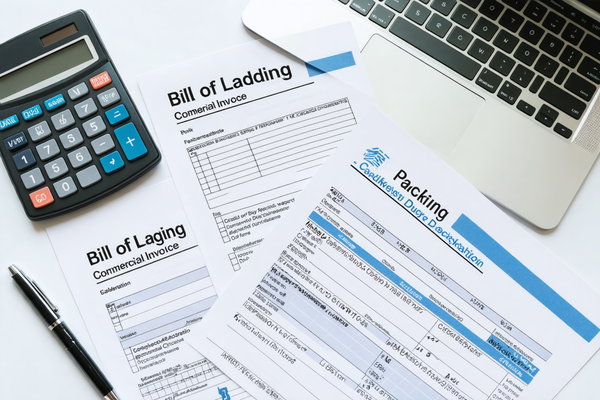
Shipping documents mainly depends on your cargo type and Philippines customs regulations. Before shipment, importers need to confirm with suppliers if they can provide documents that customs may require, such as additional permits and product certificates. Following are the typical documents may require to import from China to Philippines.
1. Commercial Invoice
Commercial invoice is one of the most important shipping documents. It includes product description, origin, seller and buyer information, unit price, total price, currency, quantity, trade term, payment term and HS code. Used by customs to verify the declared value of goods and calculate import duties and VAT.
2. Packing List
Packing list provides detailed shipment information such as packaging type, cargo weight, dimension, and quantity. It helps customs, suppliers and logistics providers verify cargo during inspection and handling.
3. Bill of Lading (B/L) or Air Waybill (AWB)
They are the official transport document issued by the carriers as shipment ownership and transportation details. Normally, bill of lading is provided by shipping lines by sea freight, while air waybill is provides by airlines by air freight.
4. Certificate of Origin and Form E
A Certificate of origin may be required depending on product type. It proves goods origin and affects tariff rates in Philippines. Importers may also use Form E under the ASEAN–China Free Trade Area (ACFTA) to claim preferential tariff treatment and potentially reduce import duties.
5. Declaration Elements
Declaration elements are mainly required for some products, such as gearbox, motor, electronics, led lighting, and machinery. These products need additional description about products, including product brand, model, specification, function, and material.
6. Customs Declaration Form
Customs declaration form mainly includes the exporters and importer’s information, cargo specification, origin, and destination. It is used for customs clearance.
7. Other Permits and Certificates
For some special cargo like batteries, wooden furniture, electronics, LED, they may require additional permits and certificates for market access and compliance.
How Does Customs Clearance Work in Philippines?
In most cases, freight forwarders will help importers handle the customs clearance, but it’s still important to know potential risks during the process. The import customs clearance process is not complex, mainly including:
- Import declaration is submitted to Philippine Customs.
- Customs reviews the shipment information and documents.
- Customs conduct inspection if required.
- Duties and taxes are settled (if applicable).
- The cargo is released for delivery.
To reduce customs delay, cargo detention and penalties, importers should either be familiar with customs clearance regulations or work with an experienced freight forwarder to handle it.
What Are the Customs Duties and VAT in Philippines?
Import duty is based on the product’s HS Code. Different products are subject to different duties rates. Knowing the duties and VAT rates helps importers better calculate the total landed cost.
- Import customs duties: Range from 0% to 65%, depending on the product category and applicable trade agreements.
- VAT rates: Most imported goods are subject to 12% Value Added Tax (VAT).
Actually, the Philippines’ average duty rates typically range between 0% and 15%, while certain sensitive or protected goods may be subject to import duties of up to 65%.
What Products Require Import Permits in the Philippines?
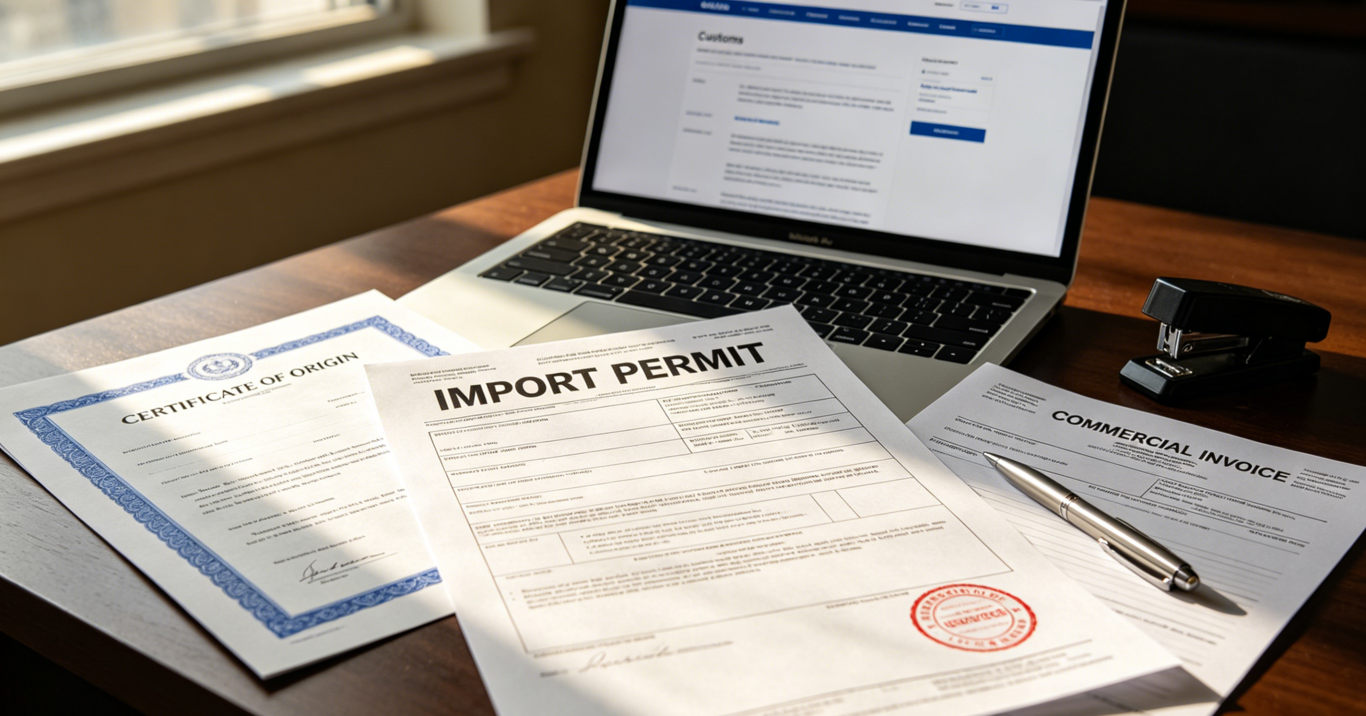
Most products can be imported into the Philippines without a special import license. However, certain regulated, restricted, or controlled goods may require permits, certifications, or approval from government authorities. Importers should verify product classification before arranging shipment to avoid customs delays, penalties, or cargo seizure.
Regulated Goods in Philippines
Regulated goods are subjected to import and export regulations by concerned government regulatory agencies such as the Food and Drug Administration (FDA), Bureau of Philippine Standards (BPS), Bureau of Plant Industry (BPI), Bureau of Animal Industry (BAI), etc. They require permits, licenses, or other requirements before import. Following are the main regulated goods in Philippines:
- Food Products
- Plant Products
- Animal Products
- Aquatic Products
- Drugs and Chemical Products
- Used Motor Vehicles
- Electrical Appliances
- Telecommunication Equipment
- Tobacco Products
- Mineral Products
Restricted Goods in Philippines
Restricted goods can be imported ONLY when authorized by law or regulation. As provided under the CMTA, the following are main restricted imports:
- Weapons and Explosives
- Gambling Devices and Equipment
- Lottery and Sweepstakes Materials
- Narcotics and Illegal Drugs
- Opium-Related Equipment
Prohibited Goods in Philippines
Prohibited goods are unlawful to import in Philippines. The following are main prohibited imports:
- Subversive or Threatening Materials
- Illegal Abortion-Related Goods
- Obscene or Immoral Content
- Precious Metal Goods
- Incorrectly Labeled Goods
- Counterfeit Goods
Importers can check more detail about Regulated, Restricted, and Prohibited Goods in Philippines on official website. You can also consult with your freight forwarder to identify if your goods are allowed to be imported in Philippines.
What Products Are Commonly Imported from China to Philippines?
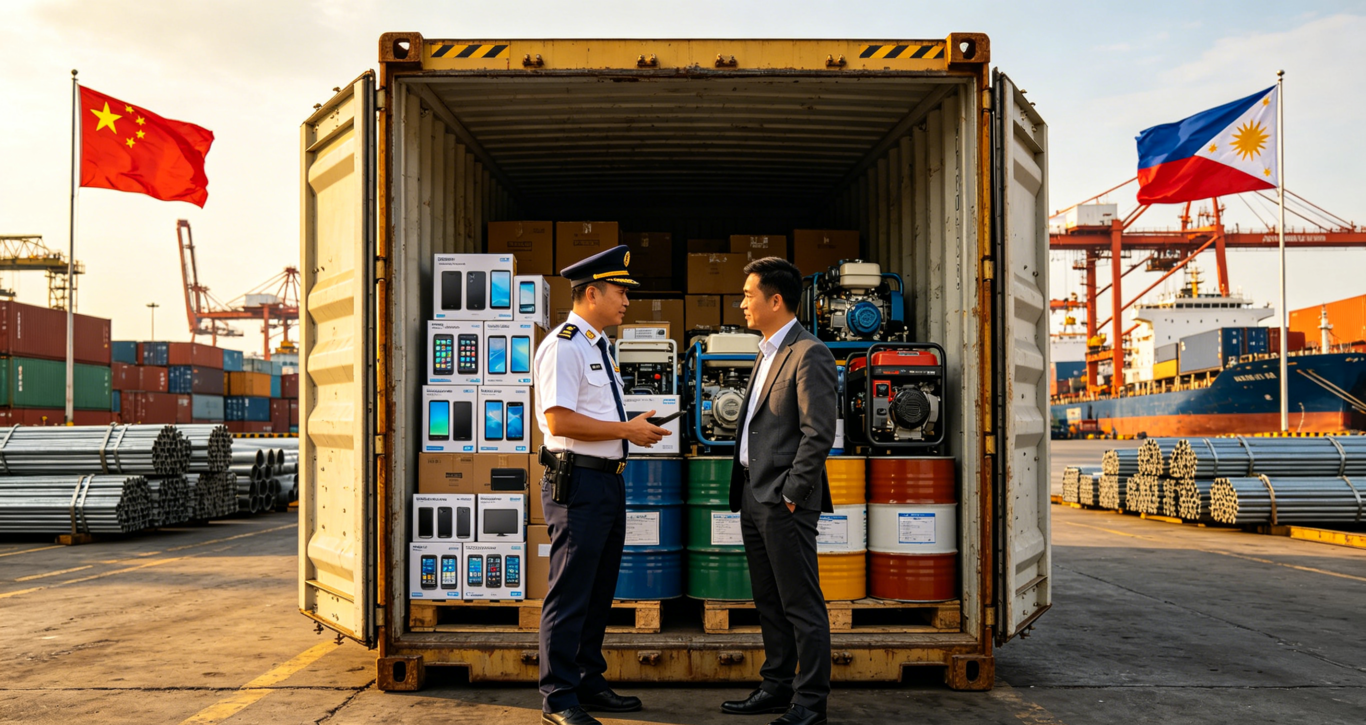
China is one of the largest trading partners of the Philippines, supplying a wide range of consumer, industrial, and commercial products. Due to competitive pricing, stable manufacturing capacity, and diversified product categories, many importers rely on China for both small business and large-scale procurement. The following are some of the most commonly imported goods from China to Philippines:
- Electrical, electronic equipment
- Machinery, nuclear reactors, boilers
- Mineral fuels, oils, distillation products
- Iron and steel
China–Philippines trade relations form a classic long-term structure of a strong manufacturing and supply chain hub with a rapidly growing consumer market. As e-commerce continues to expand in the Philippines, the market will become increasingly sensitive to costs.
How to Track Your Shipment from China to Philippines?
Basically, there are three ways to track your shipment from China to the Philippines: track on carrier’s system, ask your freight forwarder, and use a third-party platform.
Track on carriers’ system: You can track your shipment on carriers’ official website by tracking number.

Ask your freight forwarder to provide the latest shipment status for you. This is the simplest way to track your shipments.
Use a third party platform like 17track, Aftership and Track-trace to track your shipment. They mainly support global packages, e-commerce orders, and air cargo shipment.
Is Cargo Insurance Necessary When Shipping from China to Philippines?
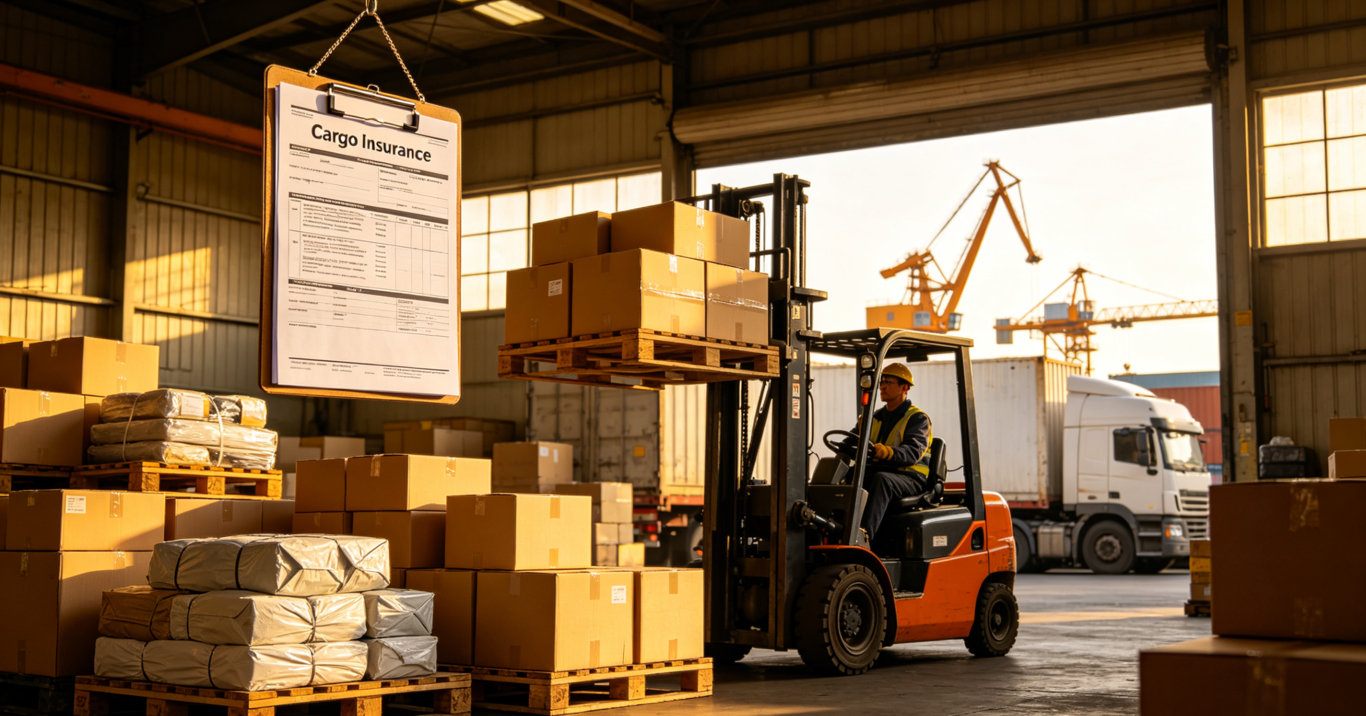
Cargo insurance is a protection that covers financial loss or damage to goods during international shipping from China to the Philippines. Although cargo insurance is not mandatory, it is highly recommended under certain circumstances.
Cargo insurance mainly covers goods damage, loss, theft, accident, and natural disaster. Following are some certain situations that you should buy cargo insurance.
- Ship high-value goods
- Ship fragile goods
- Transit time is long
- Shipping route is not stable
- First-time importers
- Cooperate with new freight forwarders
- During political instability or policy changes
Some freight forwarders offer cargo insurance at very competitive rates. Based on your goods value, you can decide whether to purchase insurance according to your freight forwarder’s recommendations.
What Causes Cargo Damage When Shipping from China to Philippines?
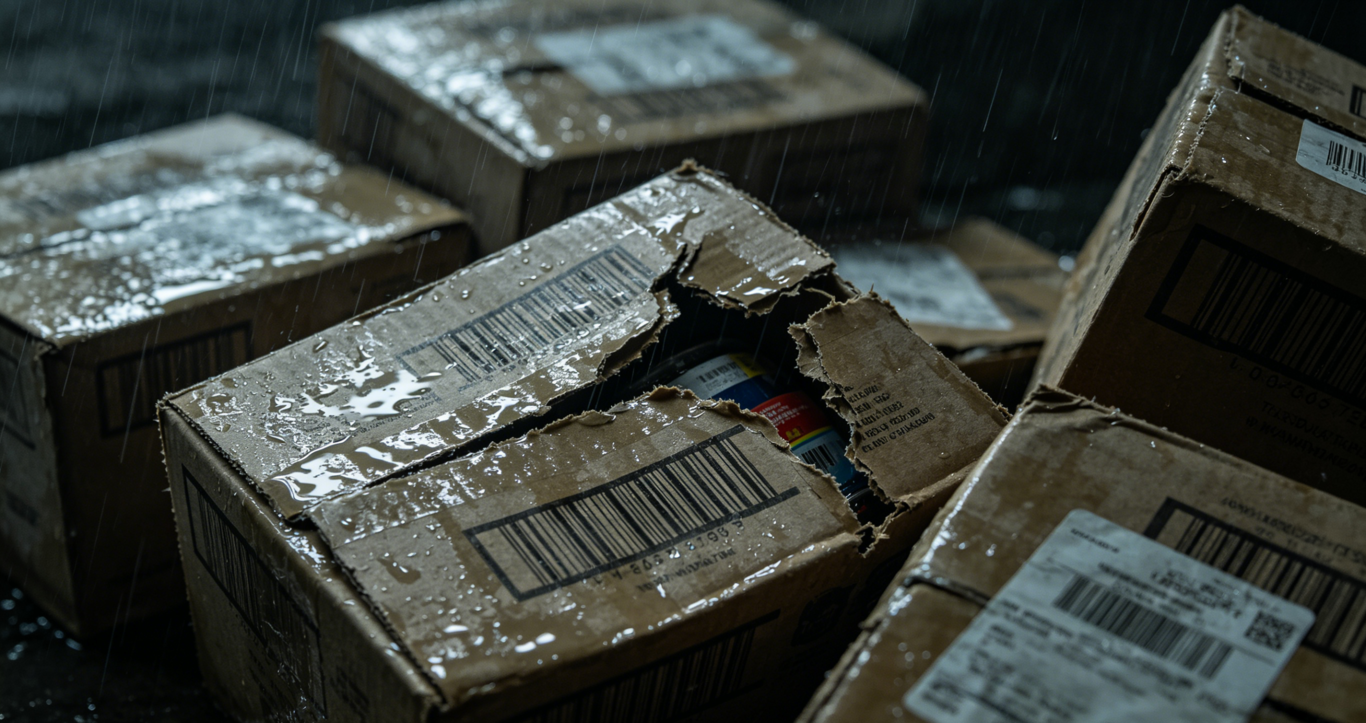
Cargo damage during shipping from China to the Philippines can occur at different stages, not just during transportation. Cargo damage may happen during the warehouse handling, loading, and unloading. Cargo damage is commonly caused by poor packaging, improper handling, climate, and incorrect labeling.
Poor Packaging
Poor packaging is the most common factor that causes cargo damage. Different products require different packaging solutions based on their size, weight, and type. Proper reinforcement should be applied when necessary to minimize the risk of cargo damage during transportation.
Improper Loading and Stacking
Improper loading and stacking will lead to compression damage and product deformation. So professional freight forwarder and suppliers will give clear and safe instruction about loading.
Moisture and Climate Exposure
During the long transit time of sea freight, humidity and temperature will affect cargo condition, especially for electronics, furniture and metal parts. Using moisture barrier packaging, desiccants, container lining, and full pallet wrapping will help.
Rough Handling
Rough handling during loading, uploading, warehouse handling, and port operation can be significantly reduced by proper packaging, palletization, clear handling instructions, and careful selection of logistics partners.
Incorrect Cargo Labeling
Cargo should have correct label and mark to prevent nonstandard handling operation. Common issues include missing handling instructions, inconsistent product descriptions, incorrect carton marking, and lack of pallet identification. Working with an experienced freight forwarder helps ensure standardized labeling and reduces overall shipping risks.
How Do You Ship Alibaba Orders from China to Philippines?
Shipping Alibaba orders from China to Philippines can be arranged in three main ways: supplier-arranged logistics, work with a freight forwarder, or use Alibaba Logistics. Each method offers different cost level, flexibility, and service coverage. Most importers on Alibaba choose to work with freight forwarders to reduce costs and obtain customized solutions. Shipping from Alibaba to Philippines is similar to the traditional shipping process, as importers can choose the most suitable shipping methods based on their specific requirements.
Which Shipping Method Is Best for Shopee Sellers in Philippines?

Shopee is currently one of the leading e-commerce platforms in the Philippines. What Shopee sellers usually care about is total landed cost, customs clearance, duties, VAT and door-to-door service. This is why DDP shipping is one of the most suitable methods for Shopee sellers, as it provides:
- No Customs Handling Required
- Prepaid duties and VAT
- Predictable Total Landed Costs
- Fast Inventory Turnover
- Door-to-door hassle free solution
For Shopee sellers, DDP shipping is the optimal logistics solution because it simplifies the logistics process and provides predictable landed cost.
How to Choose the Best Freight Forwarder from China to Philippines?
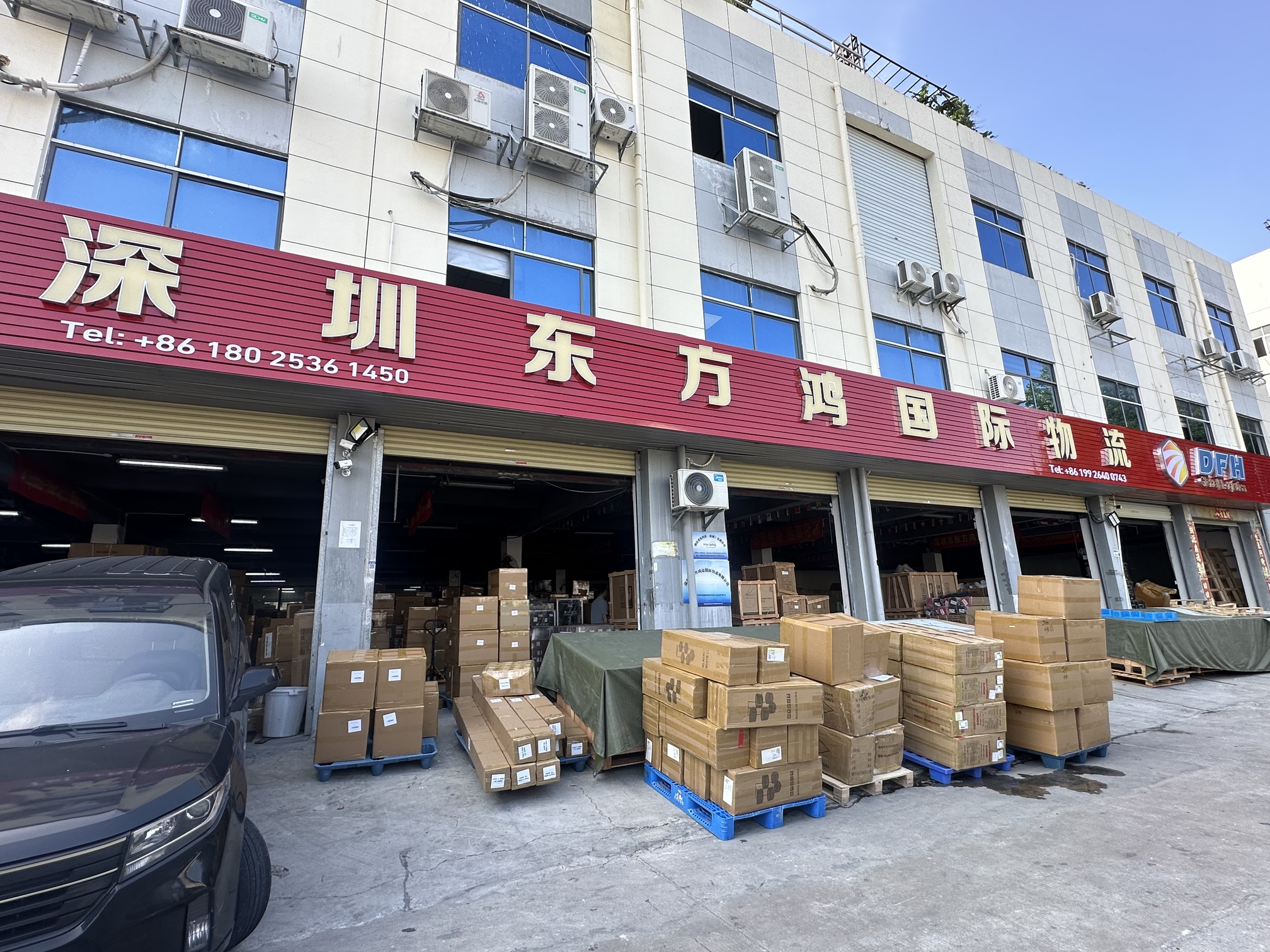
Choosing the right freight forwarder from China to the Philippines is critical for total landed cost and shipment safety. Importers should evaluate experience, pricing transparency, DDP capability, customs expertise, and communication efficiency when selecting a freight forwarder. A professional freight forwarder plays a key role in reducing risks and optimizing the overall supply chain. Here you can find the best freight forwarder: TOP 6 Freight Forwarder China to Philippines.
Why Choose DFH Logistics for Shipping from China to Philippines?
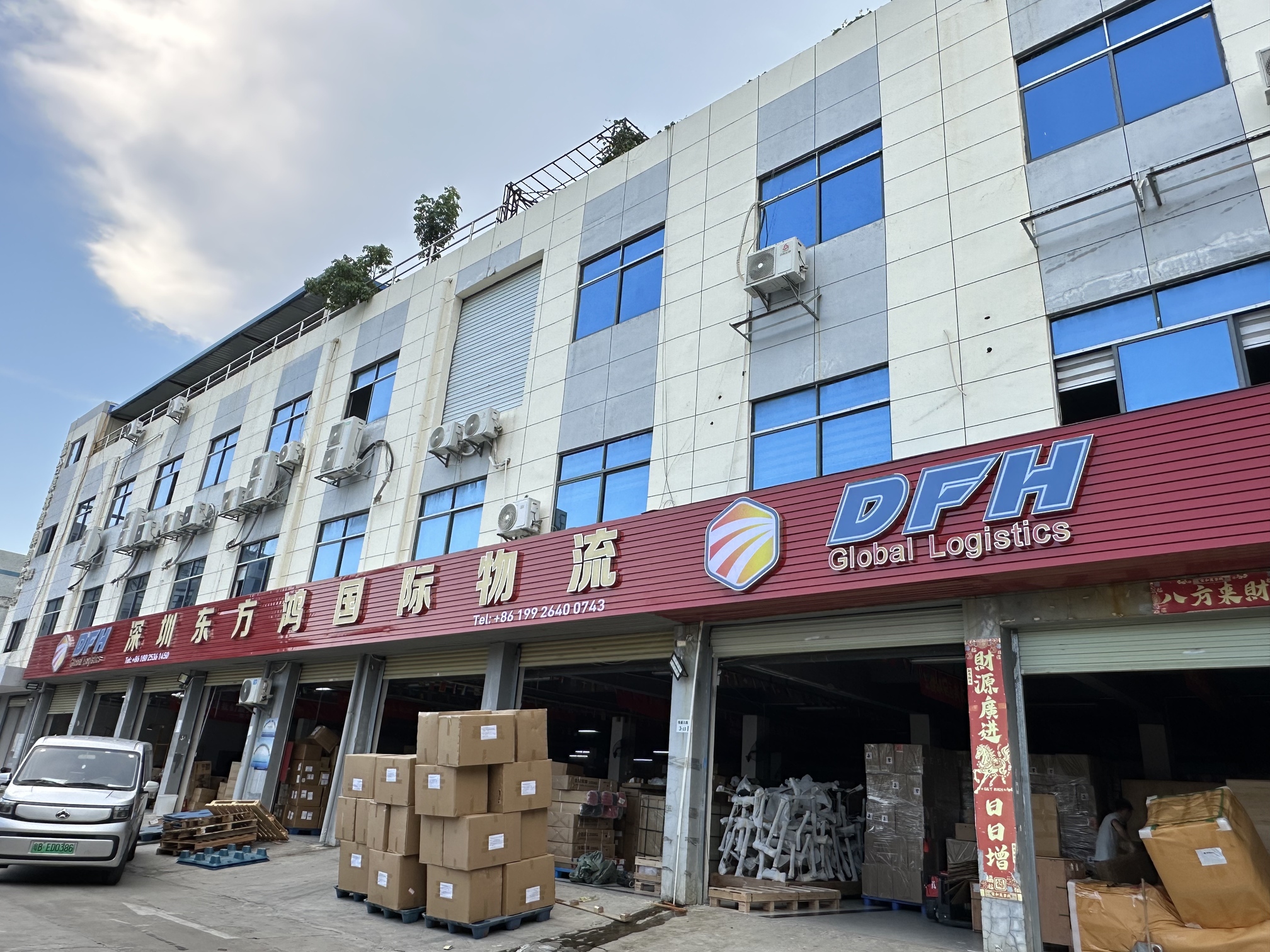
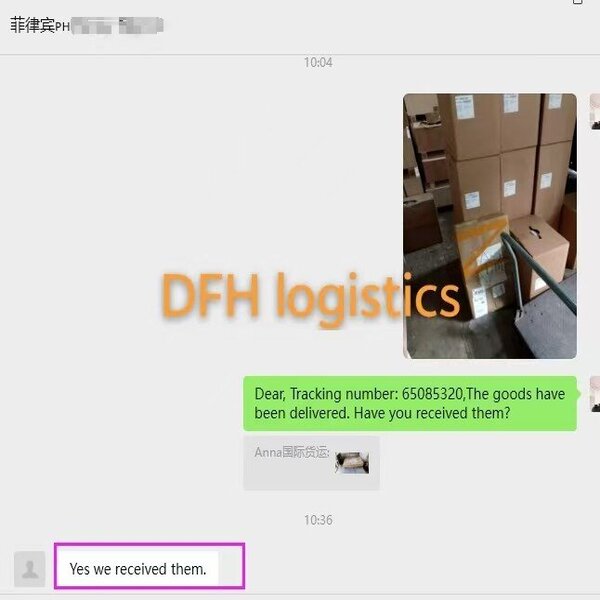
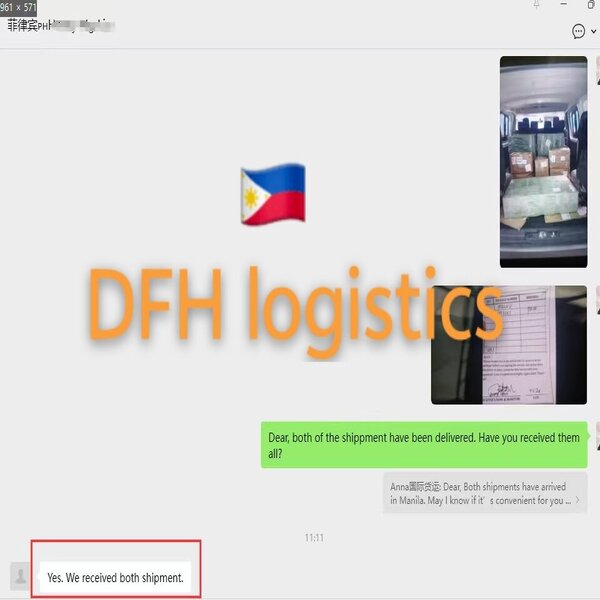
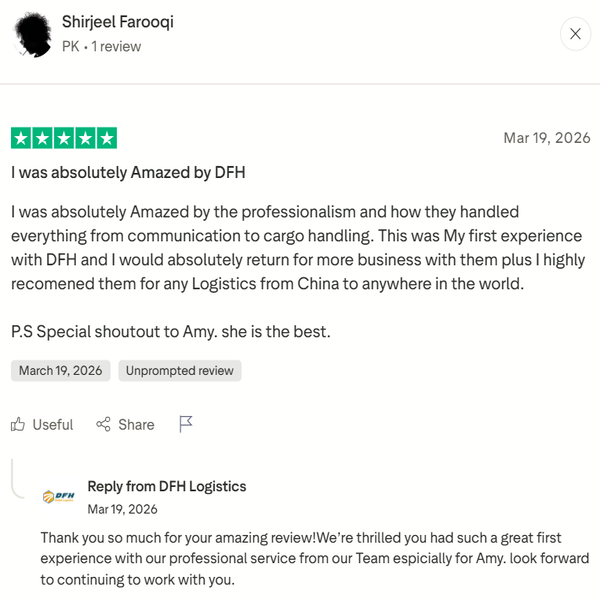
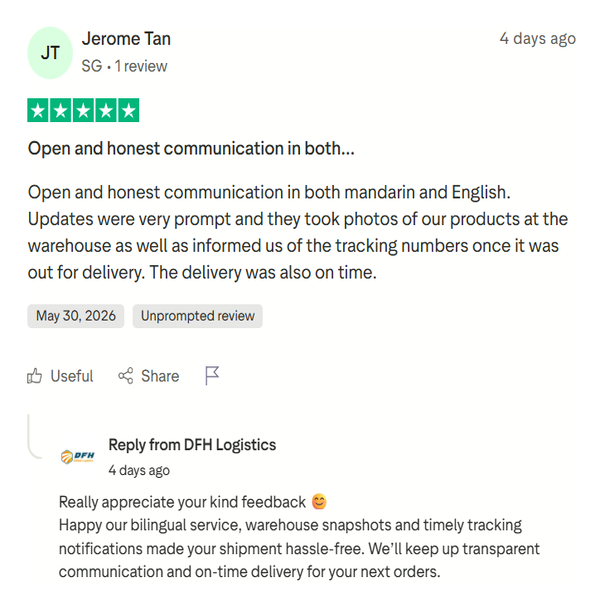
DFH Logistics specializes in international logistics from China to worldwide with more than 13 years of experience. We are honored to serve 30,000+ global clients with customized logistics solutions. DFH Logistics provides end-to-end logistics solution from China to Philippines, including air freight, sea freight, express, DDP shipping and following value-added service to reduce total landed cost and streamline your supply chain.
- Cargo Collection: We collect cargo directly from your supplier’s factory in China to airport, seaport or our warehouse to reduce coordination burden for you.
- Consolidation: Combine shipments from different suppliers into one shipment to save shipping cost.
- Warehousing: 30 days free cargo warehousing.
- Relabeling & Repacking: We standardize packaging and labeling to meet the requirements of customs clearance and warehouse inbound.
- Cargo Inspection: Before shipping, we verify cargo condition, quantity, packaging, documents, with photo and video recording.
- Customs Clearance: We handle customs procedures in both China and the Philippines.
- Duties and VAT: Prepaid duties and VAT is available.
- Cargo Insurance: Optional protection for shipment risk and we will buy it at a discount rate.
- Documentation: We prepare and verify all shipping documents.
- Final Delivery: Door-to-door delivery in the Philippines.
- Round-the-Clock Support: Continuous shipment monitoring and communication. 24/7 customer support provides instant assistance and feedback.
Quick Summary of DFH Logistics:
| ITEM | DETAILS |
|---|---|
| Headquarters | Shenzhen, China |
| Founded in | 2013 |
| Website | https://dfhfreight.com/ |
| Phone/WhatsApp | +86 18025361450 |
| [email protected]; [email protected] | |
| Address | F1,No.7, YingJin Industrial Park North Area, YueSheng 3rd Road, Fuhai Street, FuYong Town, Bao’an District, ShenZhen, GuangDong Province, China. 518103 |
| Core Service | Shipping from China to Philippines by air, sea, express, and DDP door-to-door shipping. |
| Main Market | Philippines, Spain, France, Singapore, USA, Ireland, Italy, Netherlands, Germany, UK, UAE, Australia, Canada, Europe, South Africa, Malaysia, Thailand. |
| Suitable For | E-commerce Sellers, Dropshipping, Global Importers and Buyers, Wholesaler, Bulk Shipment, General Goods, Oversized Cargo, Dangerous Goods, Special Cargo. |
| Social Medium | Tiktok/youtube/instagram/facebook: @chinafreightforwarderdfh |
Final Thoughts
Shipping from China to the Philippines is not just about choosing a transportation method, but about managing the entire logistics chain efficiently. Whether you are an e-commerce seller, SME, or established importer, DFH Logistics provides customized shipping solutions, competitive freight rates, and flexible door-to-door services. Contact us today to get a reliable and tailored shipping solution for your business.