






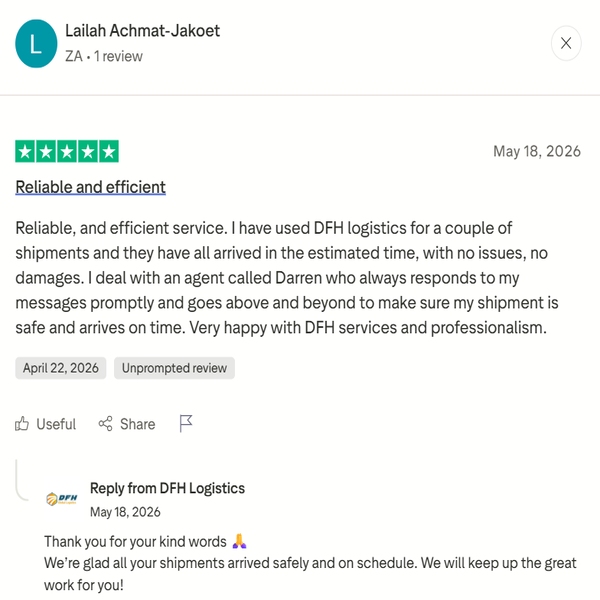
Many importers in Malaysia face the challenges like complex customs clearance, non-transparent pricing, and shipment delays. In this guide, we will introduce everything about shipping from China to Malaysia for your information, including the best shipping method, transit time, customs clearance, required documents, potential risk and how to avoid them. No matter you are the first-time importer, experienced buyer, or well-established business, this article will help you cut costs and save your time.
How to Ship from China to Malaysia?
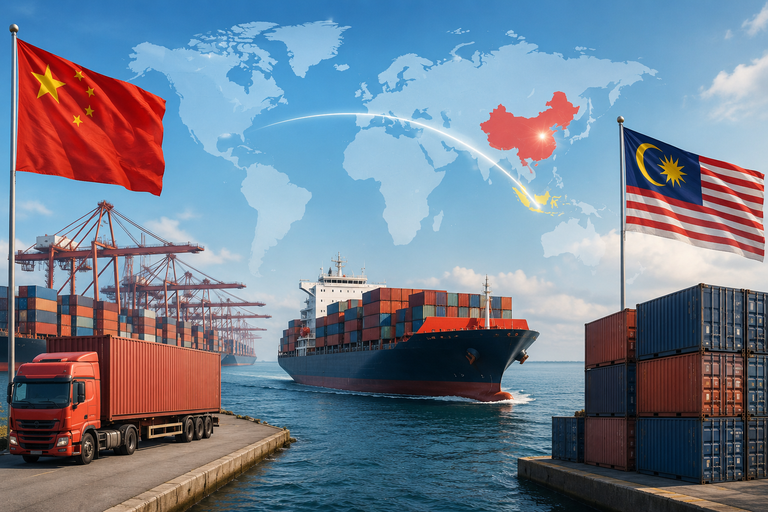
There are mainly three ways to ship from China to Malaysia: working with a China-based freight forwarder, letting the supplier arrange the shipment, or hiring a Malaysia-based freight forwarder. They differ in cost, customer service, efficiency, and operational capability. Let’s make a comparison of them and you can make your decision according to your shipment and requirements.
1. China-based Freight Forwarder
A China-based freight forwarder can handle the full shipment and coordinate by themselves with less middleman. They can arrange cargo pickup, consolidation, export customs clearance, international transportation, customs clearance in Malaysia, and final delivery to your doorstep. They will provide better control over the entire shipment, competitive price, flexible shipping routes, and easy communication with your suppliers. However, service quality may vary among different logistics providers. Importers need to find a reliable one.
2. Suppliers Arrange Shipment
Many Chinese suppliers can help arrange the shipment for importers, but mostly they will hire a freight forwarder to deal with the logistics. In this case, you don’t know if their price is reasonable and competitive. They also provide limited shipping options and it’s difficult to consolidate products from different suppliers. Shipping by suppliers is feasible for samples or first-time importers.
3. Malaysia-based Freight Forwarder
A Malaysia-based freight forwarder normally also needs a Chinese agent to help them to deal with the origin handling, unless they have branches or hubs in China. It’s very convenient for importers to work with a Malaysia-based freight forwarder, as they provide good local support and are familiar with Malaysian customs regulations. But they offer potentially higher freight costs due to the multiple intermediaries and have less control over the China origin handling.
Conclusion: For most importers shipping from China to Malaysia, a China-based freight forwarder is often the most cost-effective and flexible option. It has the capability to provide customized logistics solutions, competitive prices, flexible shipping options, simplified process and better customs service support.
How to Choose the Right Shipping Method from China to Malaysia?
The main shipping methods from China to Malaysia include air freight, sea freight, express and DDP shipping. The best shipping method depends on your product type, budget, and priority. If you don’t know how to choose the best shipping methods, let DFH Logistics offer you a tailored logistics solution.
Air Freight from China to Malaysia
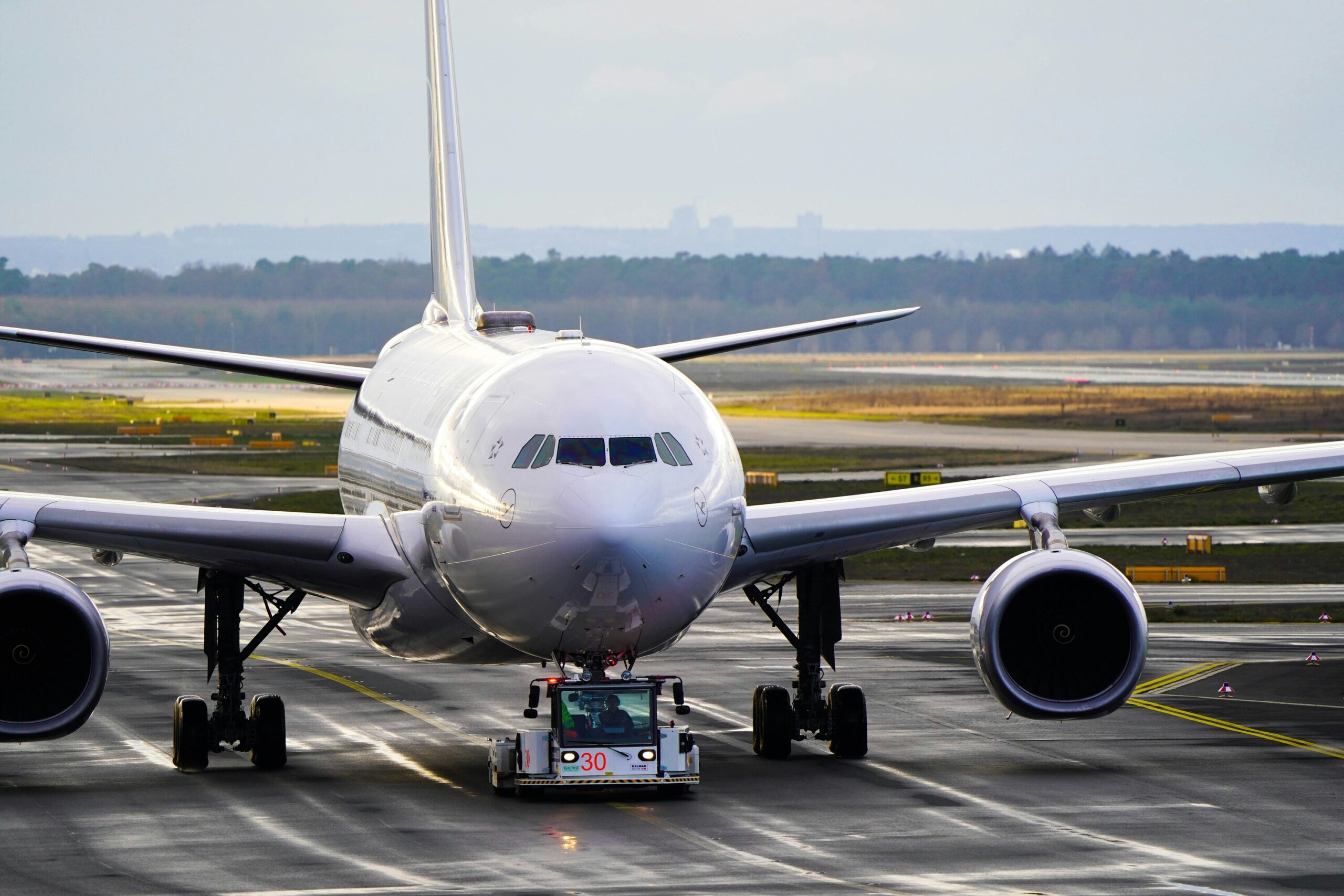
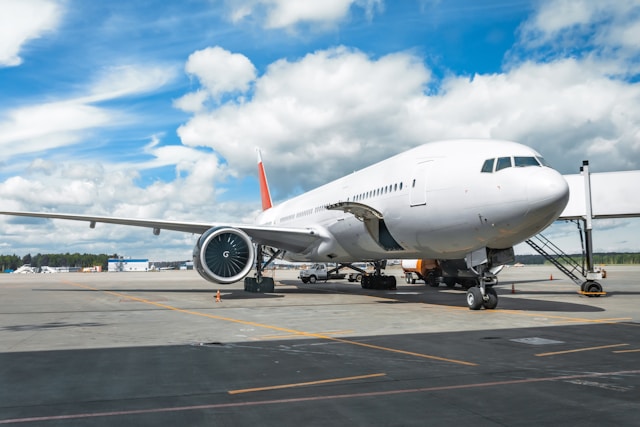
Air freight is one of the fastest shipping methods from China to Malaysia. It is commonly used for urgent shipments, high-value goods, high precision parts, electronics, and foods. It’s fast but also has a much higher cost.
Sea Freight from China to Malaysia
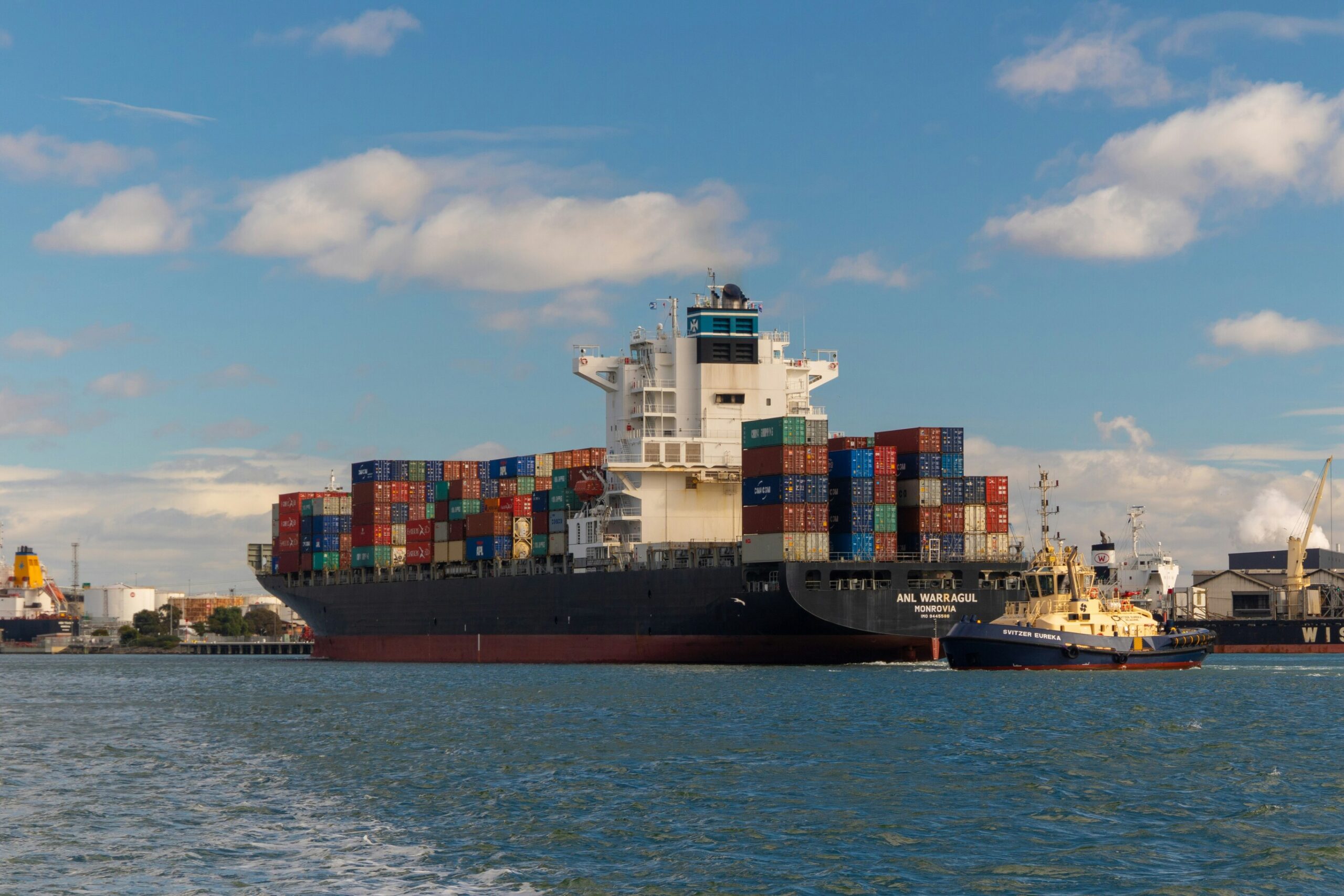
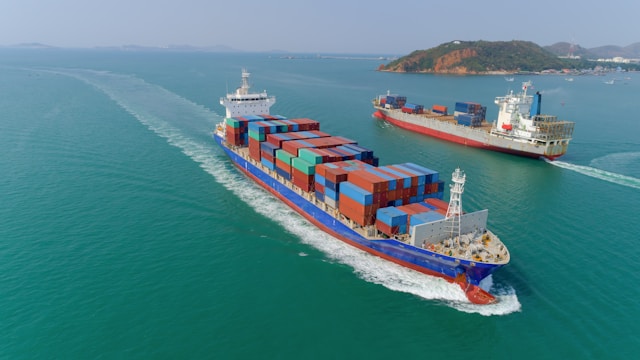
Sea freight is the most cost-effective shipping methods and provide FCL (Full Container Load) and LCL (Less than Container Load) options. It’s very suitable for bulk shipment, oversized cargo shipping, special goods shipping and project logistics. It is the most economical option but has the longest transit time.
Express Freight from China to Malaysia
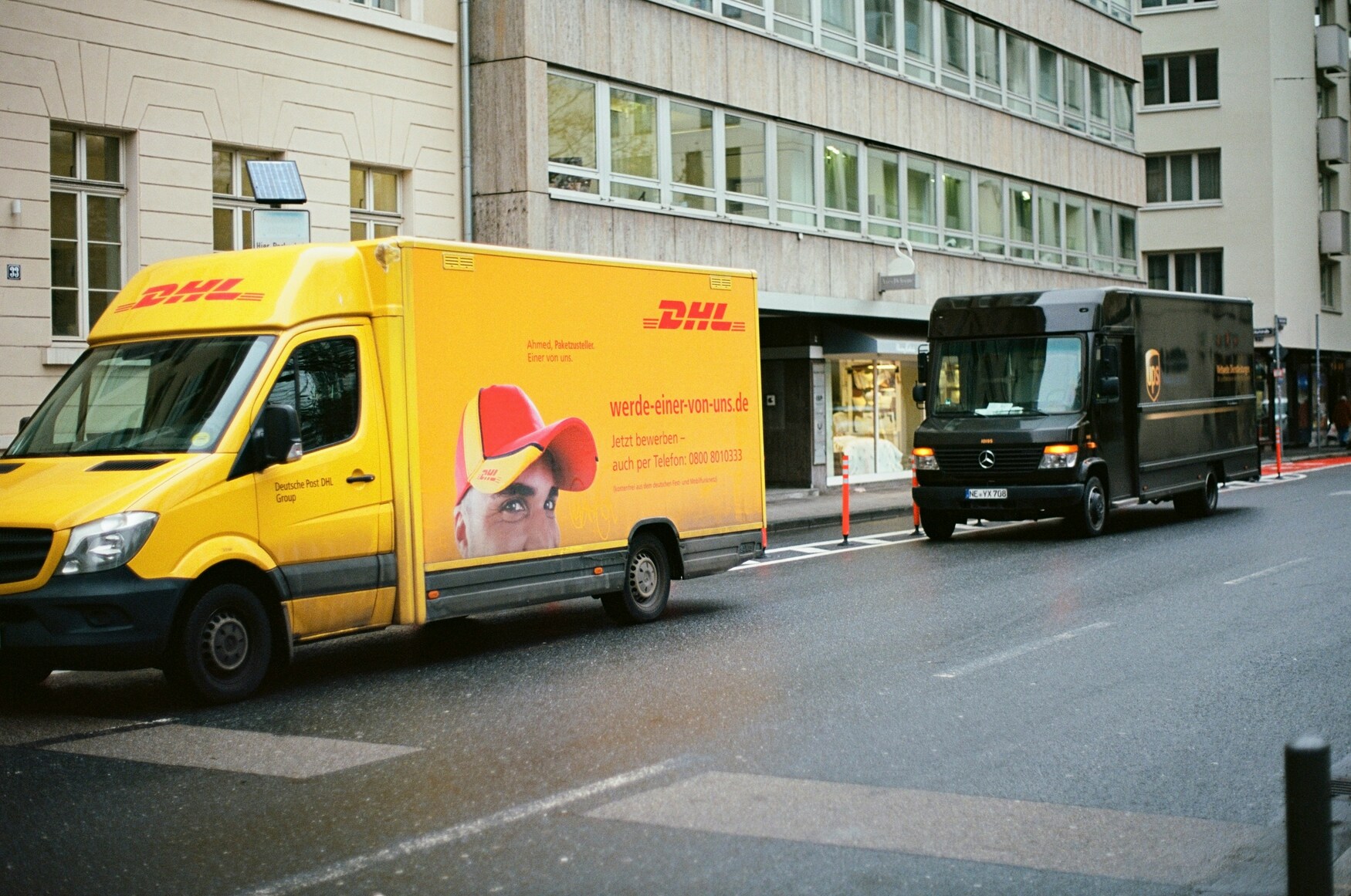
Express freight provides the fastest door-to-door logistics solutions. Services are typically provided by major courier companies such as DHL, FedEx, and UPS. They provide full tracking visibility, fast customer service and safe delivery to your doorstep, while it is expensive. Express freight is the best for high-value sample, time-sensitive shipment, and documents.
DDP Shipping from China to Malaysia
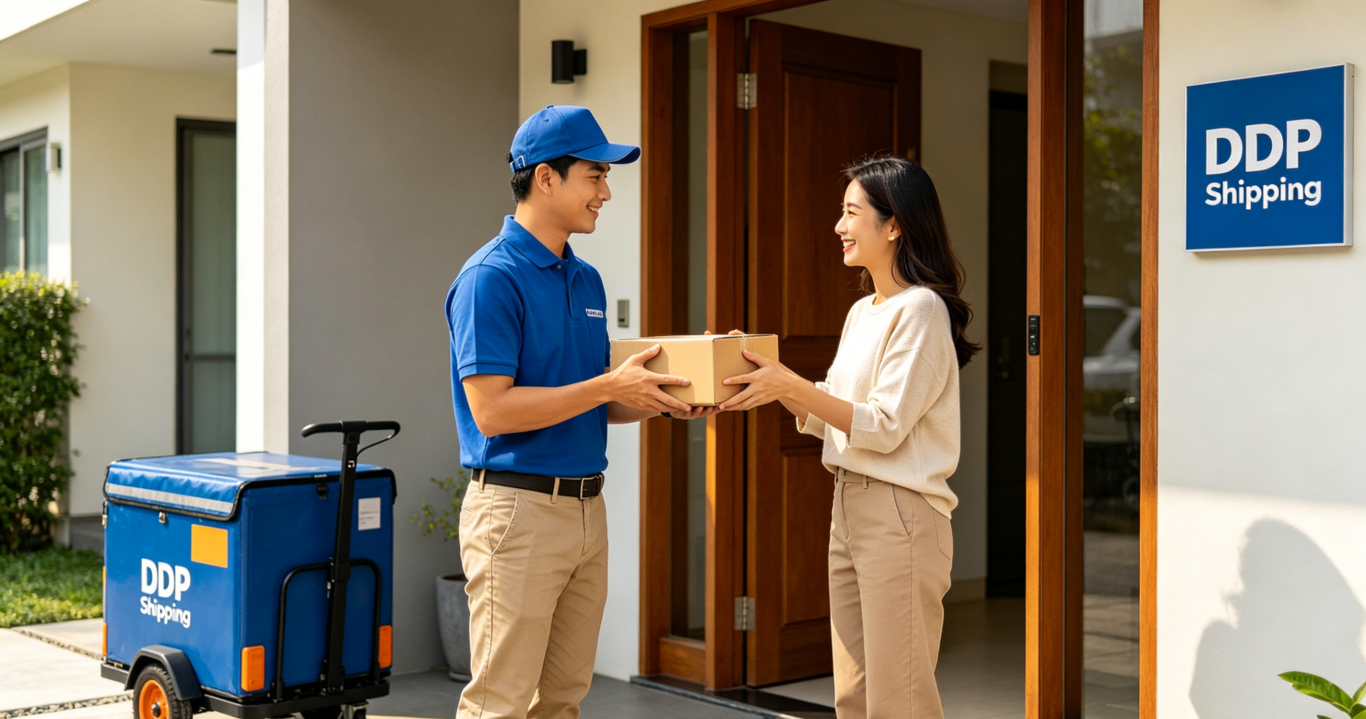
DDP shipping in one the most convenient methods for importers, as the freight forwarders handle the full shipment from pickup, shipment preparation, export and import customs clearance, duties, SST, to final delivery. It’s a good option for e-commerce sellers, first-time importers, and small businesses. But when you use DDP shipping, you’d better confirm what is included in the all-inclusive price.
What Is the Cheapest Way Shipping from China to Malaysia?

Shipping from China to Malaysia costs 2-4 USD/kg by express freight, and 3 – 8 USD/kg by air. Sea freight LCL costs 120-154 USD/CBM making it the cheapest way shipping from China to Malaysia, and Sea Freight FCL costs 400-800 USD depending on different containers.
Remark: Below freight costs of general goods with standard packaging in June, 2026 are only for your reference to evaluate logistics budget. If your goods contain batteries, magnetic, powder, irregular package and branded products, contact us for a more accurate quotation with your cargo type, quantity, weight and package type.
| Shipping Method | Reference Unit Price | Pricing Basis |
|---|---|---|
| Express | 2 – 4 USD/kg | by Chargeable Weight |
| Air Freight | 3 – 8 USD/kg | by Chargeable Weight |
| Sea Freight LCL | 120-154 USD/CBM | by CBM |
| Sea Freight FCL | 400-800 USD | by Container |
How to Reduce Shipping Cost from China to Malaysia?

Shipping cost has a great impact on your profit margin, supply chain flexibility, and business growth. Here are some measurements for importers to control the shipping cost from China to Malaysia and reduce unnecessary expenses. You can choose the more cost-effective solution, optimize cargo weight and size, plan shipments early and more importantly, work with an experienced freight forwarder.
Choose the Right Shipping Method
Choose the most cost-effective shipping method based on your specific shipments. Different shipping methods have different cost structures. As we have mentioned before, when you have bulk shipment, oversized cargo or project logistics, choosing the sea freight will reduce your shipping cost. But under some urgent circumstance such as seasonal restock, perishable foods shipping, urgent documents shipping, time is money, so choose the fastest methods to reduce the financial loss.
Consolidate Shipments
Freight costs are calculated based on the cargo weight and volume. Consolidate all your goods into one shipment and optimize the packaging utilization rate. This will significantly reduce freight costs. Instead of paying separate shipping fees for each supplier, a freight forwarder can collect goods from different factories, combine them into one shipment, and arrange delivery to Malaysia.
Optimize Packaging
Oversized packaging may increase shipping costs unnecessarily. And poor quality packaging may result in cargo damage, which leads to more serious consequences. So use standard and high-quality packaging and optimized space utilization will help you reduce potential risks and cut costs.
Plan Shipments in Advance
Freight rates will increase during peak seasons and holidays due to higher demand and limited capacity. Shipping before 3-4 weeks or after these periods can help reduce costs. Plan your supply chain well and arrange shipment wisely.
Work with an Experienced Freight Forwarder
If you work with an experienced freight forwarder, it can help you make all the above steps and prevent unnecessary costs. An experienced logistics provider offers more than competitive price, since it can provide customized shipping plans with flexible routes. The experienced freight forwarder not only reduces freight costs but also helps lower the total landed cost of your shipment.
What Are Common Additional Charges in China to Malaysia Shipping?

When importing from China to Malaysia, the freight rate is not the only one to affect total shipping cost. Additional charges may occur in every step in the full shipment. The following are some of the most common hidden fees for importers to watch for.
| Fee Type | Description |
|---|---|
| Consolidation Fee | When cargo from multiple suppliers needs to be combined into one shipment |
| Repacking Fees | Cargo requires additional packaging, relabeling, or reinforcement before shipment |
| Customs Inspection Fee | Additional costs if customs selects the shipment for inspection. |
| Customs Clearance Fee | Charges for preparing and submitting customs declarations. |
| Duty and SST (Sales and Service Tax) | Import duty imposed by Malaysian Customs based on product classification and customs value. |
| Documentation Fee | Fees for processing shipping documents. |
| Fuel Surcharge (FSC) | Imposed by carriers to offset fluctuations in fuel prices. The surcharge may vary monthly or quarterly depending on market fuel costs. |
| Remote Area Surcharge | Surcharges for final delivery locations outside major service areas. |
| Terminal Handling Charges (THC) | Charges for handling cargo at the port or terminal. |
| Storage Charges | Charges incurred if cargo is not collected within the free storage period. |
| Demurrage and Detention | Fees charged when containers are not returned within the allowed free time. |
To avoid hidden fees, importers need to request cost breakdown from your freight forwarders, including freight cost, origin charges, destination charges, customs fees, duties, SST, and any applicable handling charges. This helps you understand exactly what is covered and identify potential extra costs before shipping.
What Is the Fastest Shipping Method from China to Malaysia?
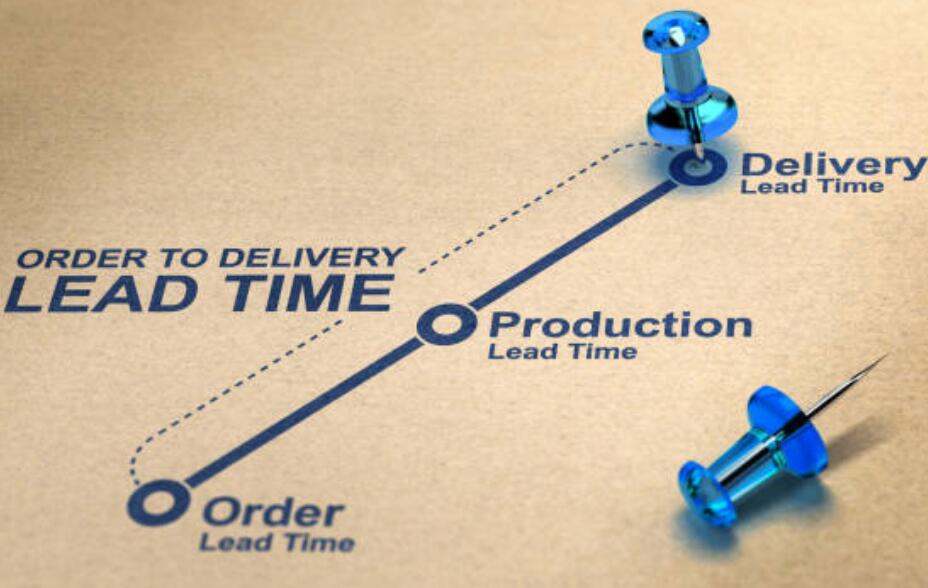
The fastest shipping method from China to Malaysia is express shipping, which takes around 3–4 days. Air freight takes 3–5 days, while sea freight takes 10–18 days.
Importers can plan their purchasing schedules, inventory turnover, and supply chain according to the estimated transit times below.
| Shipping Method | Transit Time |
|---|---|
| Express | 3–4 days |
| Air Freight | 3–5 days |
| Sea Freight | 10–18 days |
How to Avoid Shipping Delays from China to Malaysia?

Reducing shipping time is not always about choosing the fastest transportation method. In many cases, shipment delays occur due to bad preparation, low efficient communication, peak time and route stability. By optimizing the shipping process, importers can significantly improve supply chain efficiency.
Choose Stable Shipping Routes
A stable shipping route can reduce unexpected delays and improve supply chain reliability. Unstable shipping routes may change vessel and flight schedule, port congestion, and weather condition, leading to more potential risks and accidents during the transit and handling.
Prepare Shipping Documents in Advance
Incomplete or inaccurate documentation is one of the most common causes of shipment delays. To speed up the customs clearance, importers can prepare all the documents early and make sure they are correct and consistent. Otherwise, it will cause delay at customs clearance.
Avoid Peak Seasons and Holidays
During the peak season and holidays, importers will be more likely to face shipment delays. At the peak period, port and labor efficiency can’t meet the demanding of cargo throughput and leads to port congestion. And during the holiday, every step in the logistics will be slower than usual. So avoiding peak seasons and holidays makes the total shipping time more predicable.
Improve Coordination Efficiency
Coordination and communication efficiency between multiple parties like freight forwarders, importers, suppliers and carriers will have an great impact on supply chain efficiency. Effective coordination can prevent missed vessel or flight schedule, and makes the entire process more smoother.
What Is Step-by-Step Shipping Process from China to Malaysia?
The shipping process from China to Malaysia includes pickup, export customs clearance, international transportation, import customs clearance, payment of duties and SST, and final delivery. Following is the standard workflow of China to Malaysia shipping process for importers.
| Step | Process | What Happens | What Importers Need to Do |
|---|---|---|---|
| 1 | Cargo Pickup | The freight forwarder collects cargo from the supplier’s factory or warehouse and transports it to the consolidation warehouse, airport, or seaport. | Provide supplier contact information, pickup address, and cargo details. |
| 2 | Export Customs Clearance in China | The freight forwarder prepares and submits export customs declarations and shipping documents to Chinese customs. | Ensure the supplier provides accurate documents, mainly including the Commercial Invoice and Packing List. |
| 3 | International Transportation | Cargo is shipped from China to Malaysia by sea freight, air freight, or express courier, depending on the selected shipping method. | Track shipment status and stay informed of any schedule changes if necessary. |
| 4 | Import Customs Clearance in Malaysia | Malaysian Customs reviews shipment information and verifies compliance with import regulations. Customs inspections may be required for certain products. | Provide import permits or additional documents if requested by customs authorities. |
| 5 | Pay Duties and SST | Applicable import duties and SST must be settled before cargo release. | Pay import duties and SST unless they are included in a DDP shipping service. |
| 6 | Final Delivery | After customs clearance, the shipment is delivered to the designated location. | Negotiate with local delivery force for a agreed delivery time and inspection goods condition. |
What Are Major Shipping Routes from China to Malaysia?
Shipping routes between China and Malaysia are flexible, as China and Malaysia both have optional origin ports and destination ports, serving for extensive market. Most shipments from China to Malaysia depart from major export hubs such as Shenzhen, Guangzhou, Shanghai, Ningbo, and Qingdao and to the following logistics gateways in Malaysia.
| Shipping Method | Malaysia Gateway | Region Served | Key Features |
|---|---|---|---|
| Sea Freight | Port Klang | Central Malaysia | Largest seaport and primary gateway for imports. |
| Sea Freight | Penang Port | Northern Malaysia | Important hub for manufacturing and industrial cargo. |
| Sea Freight | Kota Kinabalu Port | East Malaysia (Sabah) | Main seaport serving East Malaysia. |
| Air Freight | Kuala Lumpur (KUL) | Central Malaysia | Largest air cargo hub with nationwide distribution coverage. |
| Air Freight | Penang (PEN) | Northern Malaysia | Key gateway for electronics and high-value cargo. |
| Air Freight | Kota Kinabalu (BKI) | East Malaysia (Sabah) | Primary air cargo hub for East Malaysia. |
Normally, an experienced freight forwarder will choose the most suitable shipping routes according to your destination address and requirements.
What Documents Are Required for Shipping from China to Malaysia?

When shipping from China to Malaysia, accurate documentation is essential for smooth customs clearance at both origin and destination. Missing or incorrect documents may result in delays, inspections, or additional charges. Below are the main required shipping documents.
1. Commercial Invoice
Commercial invoice normally includes product description, quantity, unit price, total price, Incoterm, details of buyer and seller, origin, HS code, and currency. It is used by Malaysian Customs to calculate import duties and SST.
2. Packing List
The Packing List provides detailed shipment information such as packaging type, gross weight, net weight, dimension, shipping mark, and amounts. It helps customs and logistics providers verify cargo details.
3. Bill of Lading (Sea Freight) / Air Waybill (Air Freight)
These are the transport documents issued by the carriers. They serve as proof of shipment and are required for cargo release in Malaysia.
4. Certificate of Origin (Optional)
Certificate of Origin serve as a proof of the country of origin for goods. It may qualify for lower import duties under trade agreements.
5. Declaration Elements
Declaration elements are required for electronics, motor, gearbox, chemicals and so on. It normally contains more details about products, such as product name, material, application, brand, model, and other specifications.
6. Import Permit & Certificates (If Required)
For some special goods like batteries, wooden furniture, electronics, LED lighting, require additional permits and certificates. Before shipping, importers need to confirm with the suppliers if they have complete certificates and permits for customs clearance and market access.
Which Goods Are Restricted or Prohibited for Import into Malaysia?
It is very important for importers to understand Malaysia’s import regulations. Certain goods are strictly prohibited, while others are restricted and require permits or licenses before import.
Prohibited Goods in Malaysia
These goods cannot be imported into Malaysia under any circumstances:
- Narcotics
- Counterfeit goods
- Obscene publications
- Weapons and explosives
Restricted Goods in Malaysia
Restricted goods can be imported, but only with special permits, licenses, or approvals:
- Pharmaceuticals and medical products
- Cosmetics
- Food and beverages
- Chemicals and hazardous materials
- Tobacco and nicotine products
Here you can check details about Prohibitions of Imports from Malaysian Customs Official Website.
What Are the Top Imports from China to Malaysia?
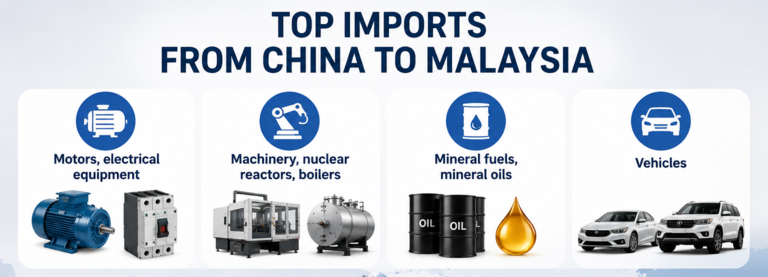
China is one of Malaysia’s largest trading partners, and a wide range of products are imported from China to support Malaysia’s manufacturing, infrastructure, and retail. Below are the most common product categories imported from China to Malaysia.
- Motors, electrical equipment
- Machinery, nuclear reactors, boilers
- Mineral fuels, mineral oils
- Vehicles
Malaysia has a strong demand on electronics, semiconductor, automotive parts, motors, machinery, and vehicles. Malaysia imports from China because these categories directly support its industrial economy, and China offers great advantages in manufacturing scale, cost efficiency, and supply chain completeness.
Malaysia Customs Clearance: What Importers Need to Know?
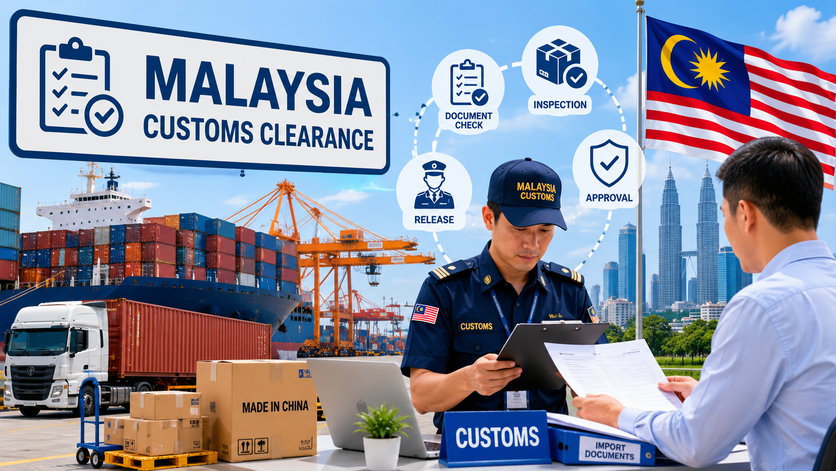
Customs clearance not only affects the shipping time, but also has an impact on total landed cost. Importers need to understand customs clearance process, typical problems and how to avoid them.
A typical customs clearance process includes:
- Submission of import documents
- Customs declaration
- Customs inspection (if required)
- Pay duty and SST
- Cargo release and final delivery
Most freight forwarders can handle these procedures on behalf of the importer.
During the customs clearance, there are some common problems, including wrong HS code, incomplete documents, under-declared value, and inconsistent documents. Mostly freight forwarders are responsible for all the paperwork, but importers also need to check the documents to prevent these problems.
What Are Import Duty and SST Rates in Malaysia?
Importers need to pay the import duties and SST(Sales and Service Tax) when clear import customs. The actual value you pay depends on the product’s HS Code, customs value, country of origin, and whether the goods qualify for any preferential trade arrangements.
There is not VAT or GST in Malaysia, while it use Sales and Service Tax (SST). And it contains two parts: Sales Tax on Taxable Goods and Sales Tax on Low-Value Goods (LVG).
- Import Duties: Range from 0-60%, depending on the HS code.
- Sales Tax on Taxable Goods: 5% rates on essential products or 10% rates on consumer goods.
- Sales Tax on Low-Value Goods (LVG): flat 10% sales tax on imported goods under RM500.
How to Choose Incoterm When Importing from China to Malaysia?
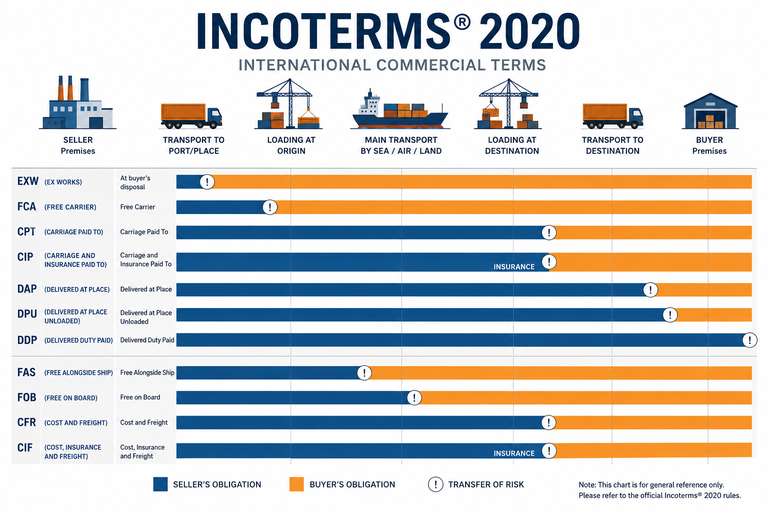
Choosing the right Incoterm is essential because it determines who is responsible for transportation, customs clearance, duties, SST, insurance, and freight costs. The unsuitable Incoterm for importers can lead to unexpected expenses, shipment delays, or limited control over the full shipment. Let’s first know the most common used Incoterm: EXW, FOB, CIF, DAP, and DDP.
In the international trade and logistics, the freight forwarder normally works on behalf of either the seller or the buyer to arrange logistics and related services. The Incoterm defines the responsibility and risk between the seller and the buyer.
EXW (Ex Works)
Under EXW, the seller only need to make the goods available at their factory. The buyer is responsible for all transportation arrangements, export customs clearance, freight costs, import clearance, and final delivery. If you are experienced importers who have regular freight forwarders or your own logistics network, you can choose EXW to have the full control of full process and choose the most-cost effective shipping options.
FOB (Free on Board)
FOB is one of the most widely used Incoterms in sea freight. The seller is responsible for delivering the cargo on the vessel in China and completing export customs clearance. The buyer takes responsibility once the goods are loaded onto the vessel. FOB is suitable for regular shipment and importers who want to control the cost.
CIF (Cost, Insurance, and Freight)
Under CIF, the seller is responsible for export customs clearance, ocean freight, insurance, and delivery cargo to the destination port. CIF is normally applied with bulk shipment, oversize cargo and overweight shipment.
DAP (Delivered at Place)
DAP means the seller arranges transportation to the buyer’s designated address, while the buyer is responsible for import duties, SST, and customs clearance in Malaysia. DAP is best for importers who want door-to-door shipping and are familiar with Malaysian customs procedures.
DDP (Delivered Duty Paid)
DDP is the most hassle-free option for the seller. The seller is responsible for the full logistics, including pickup, transportation, export and import customs clearance, import duties, SST, and final delivery. DDP is very suitable for first-time importers, SMEs, and e-commerce sellers.
What Are Main Challenges When Shipping from China to Malaysia?

Due to the complex international logistics process, importers may face different challenges at different steps. Following are the main problems when shipping from China to Malaysia and solutions for importers.
Multiple Suppliers Coordination
Many importers source from different suppliers and may meet the problems like different production schedules, multiple pickup locations, inconsistent packaging and separate shipping. Without efficient coordination, it will lead to shipment delays. This is why you need a reliable freight forwarder like DFH Logistics to handle the cargo consolidation and provide warehousing service for you. The freight forwarder can help you collect goods, communicate with suppliers, and optimize packaging to save shipping costs.
Freight Cost Fluctuations
Freight cost will fluctuate frequently because of peak season time, fuel price changes, trade policy changes, and global disruptions. This can not be controlled by freight forwarders, importers, or suppliers. Importers should communicate closely with their freight forwarders to stay informed about current freight rates and market trends. Then choose the right time to arrange the shipment.
Cargo Damage and Loss
Cargo damage and loss may cause by loading, uploading, port handling, warehouse operation, long transit time and extreme weather. Even though serious incidents are uncommon, cargo damage and loss can lead to financial losses and customer complaints. This problem can be prevented by packing cargo well with standard packaging and buying insurance.
Supply Chain Visibility
Many importers struggle with tracking their shipments in real time. Without timely updates on shipments, it will affects inventory turnover, final delivery, customs clearance, cargo detention and so on. So importers need to choose a freight forwarder that provide real time tracking and instant customer support.
Why Cargo Insurance Matters for China-Malaysia Shipments?
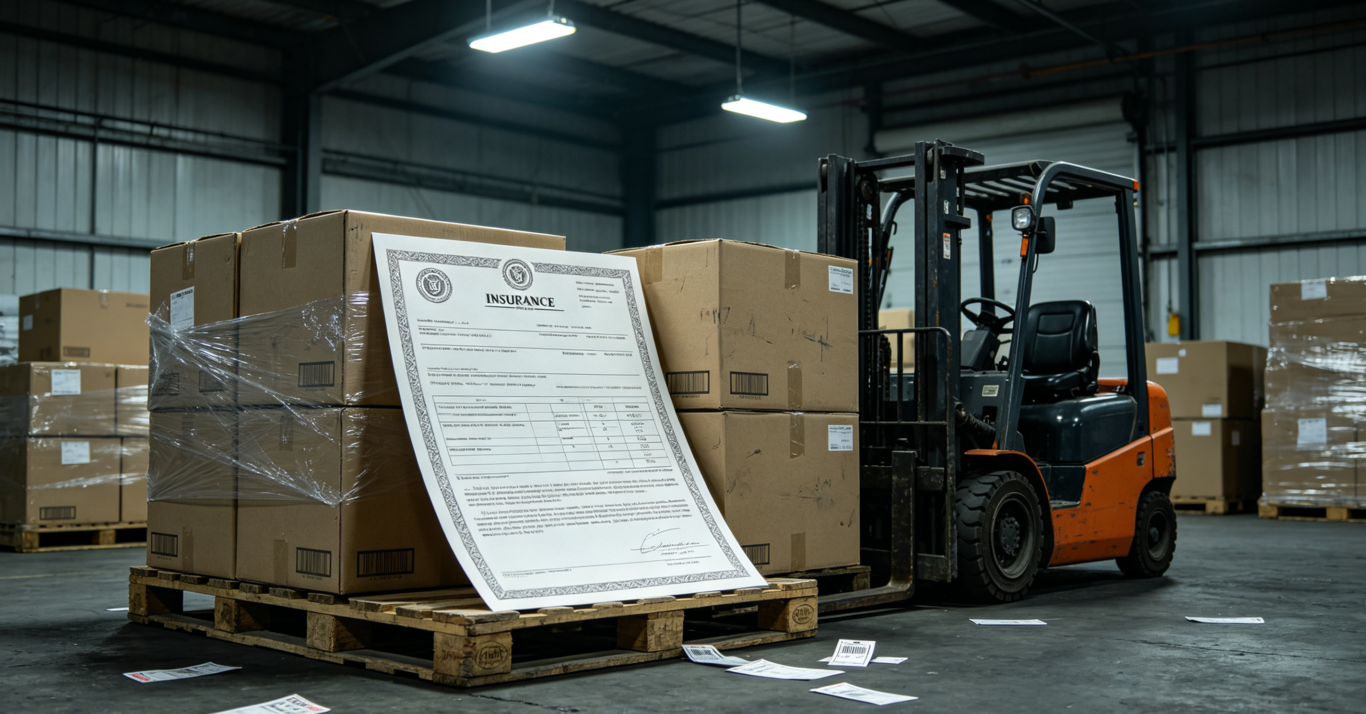
Although China to Malaysia shipping routes are generally safe and stable, cargo may still be exposed to unexpected risks during transit, handling, loading and uploading. Cargo insurance helps protect importers from financial losses caused by accidents, damage, theft, weather, or other unforeseen events. So, when you ship following goods and at these situations, it’s recommended to buy cargo insurance.
- High-value cargo
- Fragile goods
- Bulk shipment with long transit time
- First-time imports who are not familiar with international logistics
- When cooperate with a new freight forwarder
- Policies changes and at war
Basically, cargo insurance is to prevent unexpected accidents during the shipment. We can control the problems caused by human factors at some extent but there are some natural factors and force majeure that out of our control. Importers can choose if to buy cargo insurance according to their shipment details.
Which Shipping Method Works Best for E-commerce Sellers in Malaysia?

For e-commerce sellers on Shopee, Lazada, and TikTok Shop in Malaysia, DDP shipping is often the most convenient and cost-effective logistics solution. Sea freight DDP is ideal for bulk inventory replenishment, while air freight DDP is suitable for urgent restocking and time-sensitive products.
Most e-commerce sellers rely on a China-based freight forwarder to manage the entire logistics process. Besides transportation, freight forwarders can provide value-added services such as cargo consolidation from multiple suppliers, repacking, relabeling, warehousing, quality inspection, and inventory management before shipment.
DDP shipping also offers more predictable landed costs and simplified supply chain management, making it easier to control inventory, improve cash flow arrangement, and ensure timely stock replenishment during promotional and peak sales seasons.
Can You Ship from Taobao and Pinduoduo to Malaysia?

It’s feasible to ship from Taobao and Pinduoduo to Malaysia. They are both China domestic e-commerce platform, but Pinduoduo doesn’t support international logistics while Taobao provides limited shipping options. In both cases, using a China-based freight forwarder is the most common solution for Malaysian importers, as it allows to reduce overall logistics cost and simplify full shipment in Malaysia.
How to Find a Best Freight Forwarder Shipping from China to Malaysia?
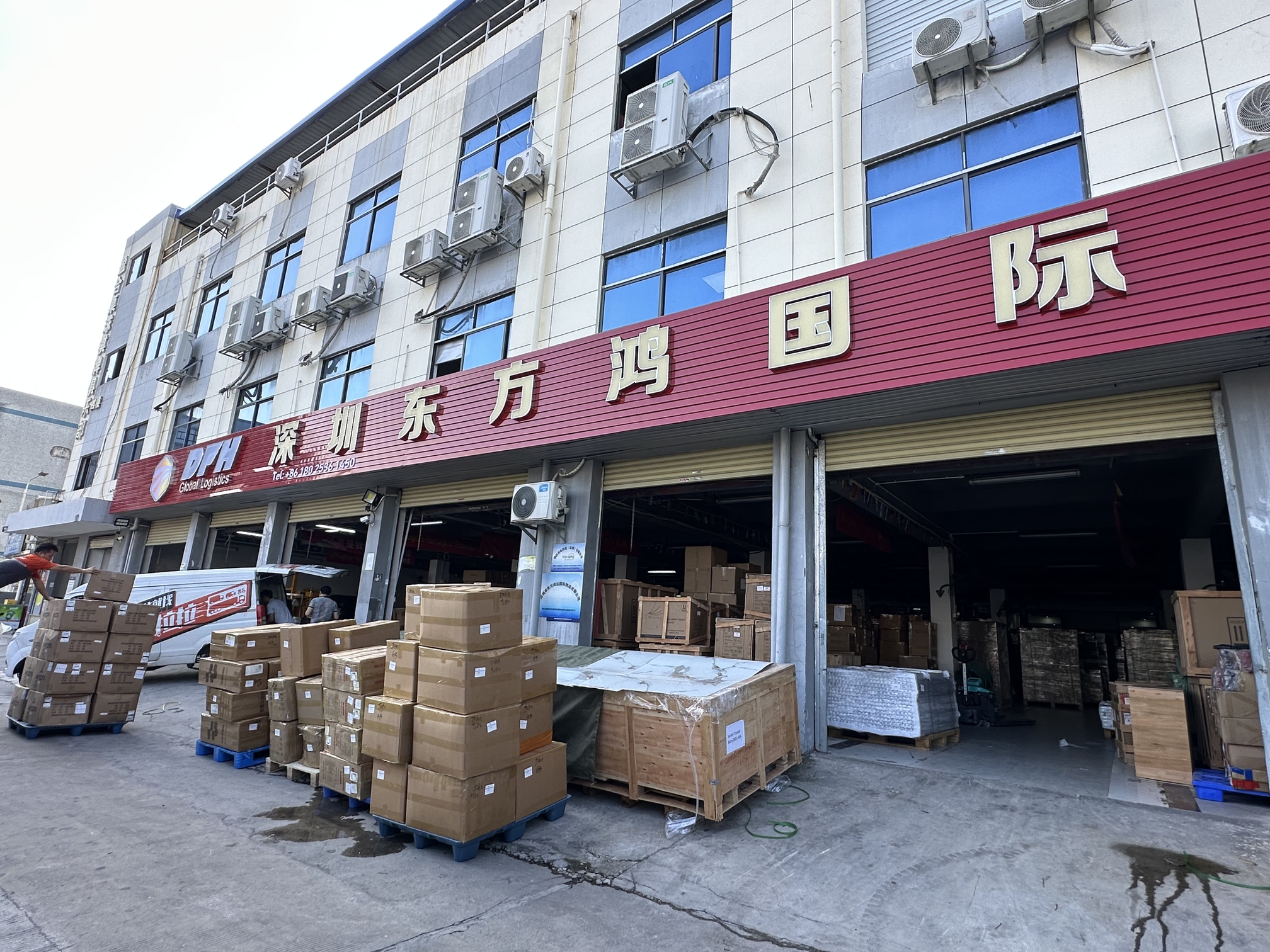
Choosing the right freight forwarder is the most important thing when shipping from China to Malaysia, as it directly affects shipping cost, delivery reliability, customs clearance efficiency, and overall supply chain stability. Instead of only focusing on price, importers should evaluate freight forwarders based on their experience, price transparency, and their customer feedback. You can also check this article about the Top 6 Freight Forwarder China to Malaysia.
Experience in China–Malaysia Shipping
A reliable freight forwarder should have strong experience in handling shipments between China and Malaysia, as they are more likely to provide reliable solutions, estimate total landed price and safe delivery.
Price Transparency
The cheapest quote is not always the best option. A freight forwarder needs to provide quotation with cost breakdown and detailed service coverage for importers reference, helping importers calculate the total landed cost.
Online Reviews
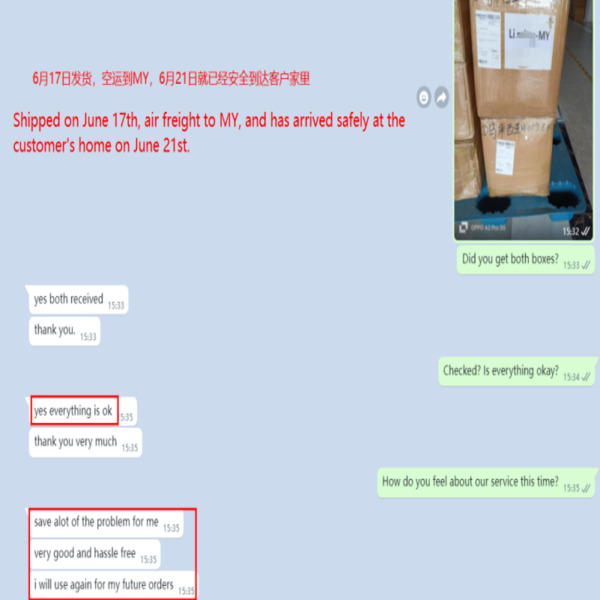
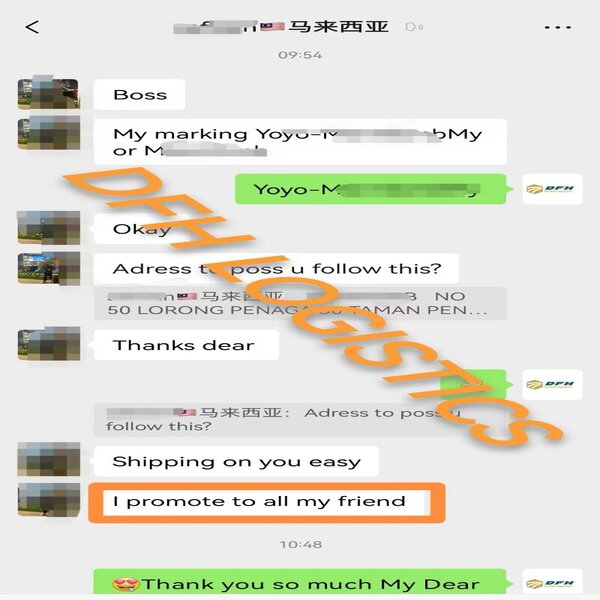
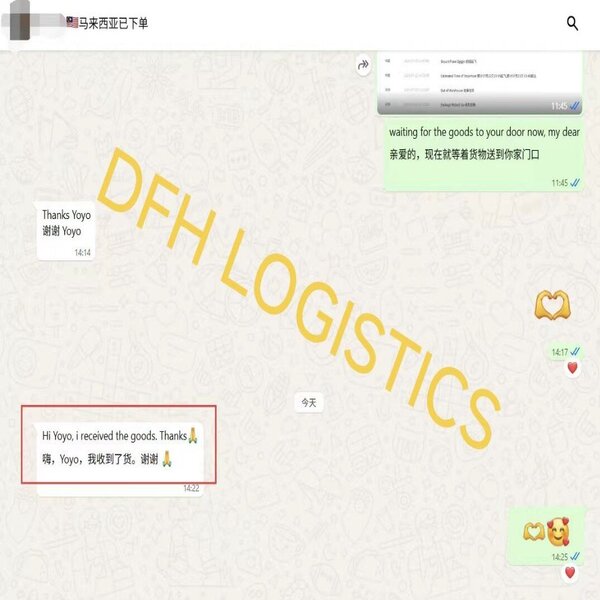
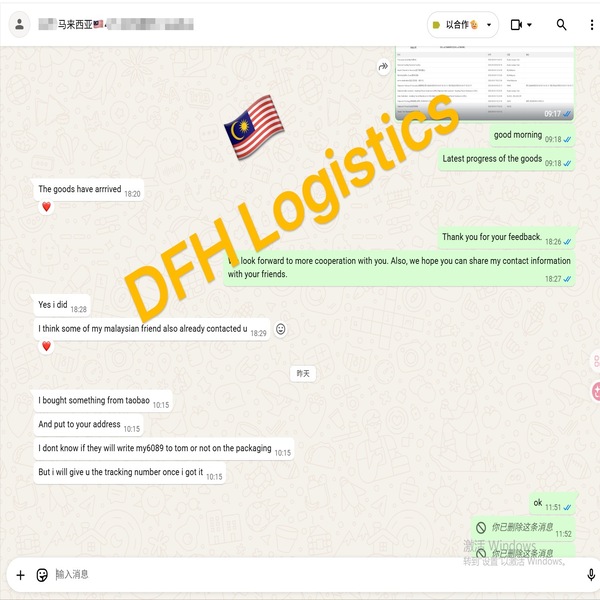
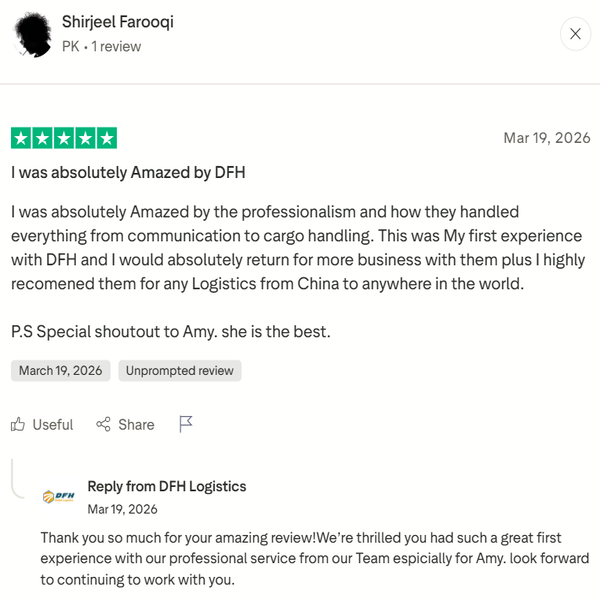
Importers need to check the customer reviews and feedback about freight forwarders. They can provide valuable insights about the reliability and service quality of a freight forwarder. Importers should focus on real operational experiences mentioned in reviews, such as whether shipments arrived on time, whether costs were transparent without hidden fees, and how the forwarder handled delays, damages, or customs inspections.
DFH Logistics – Your Best Freight Forwarder Shipping from China to Malaysia
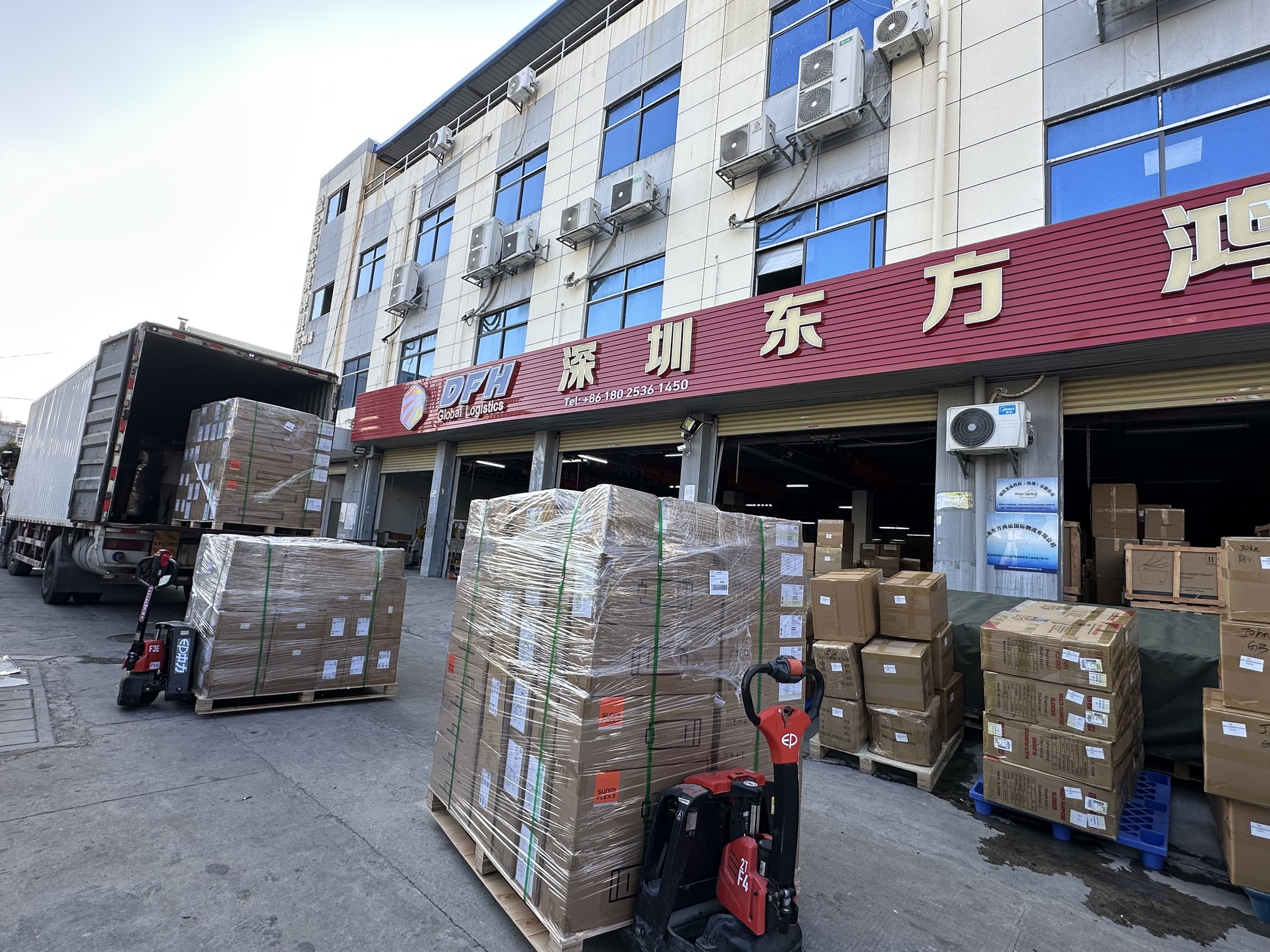
DFH Logistics is a professional international logistics provider with more than 13 years of experience. We are honored to have served 30,000+ global clients with customized logistics solution, flexible shipping routes, strong operational power and competitive price. Our comprehensive one-stop logistics service includes:
- Cargo Collection: We arrange the cargo pickup from your suppliers’ factories to airport, seaport, or our warehouse for next operation.
- Consolidation: consolidate all your goods into single shipment to save shipping cost.
- Repack and Relabel: Repack and relabel goods to meet the requirement of customs clearance and market access.
- Cargo Inspection: We will check goods quantity and condition with photos and video for your confirmation.
- Warehousing: 30 free days storage service.
- Customs Clearance: help handle the customs clearance both in China and Malaysia.
- Duties and SST: prepaid duties and SST is available.
- Documentation: our professional team will handle all the paperwork.
- Cargo Insurance: if insurance is required, we can buy cargo insurance for you at a discount price.
- Final Delivery: door-to-door delivery to your designated address.
Final Thoughts
Shipping from China to Malaysia can be simple and efficient with proper arrangement and the right logistics partner. Working with an experienced freight forwarder like DFH Logistics helps ensure smoother customs clearance, better cost control, and more reliable delivery. Contact us today to get a tailored logistics solution based on your product type, budget and priority.