






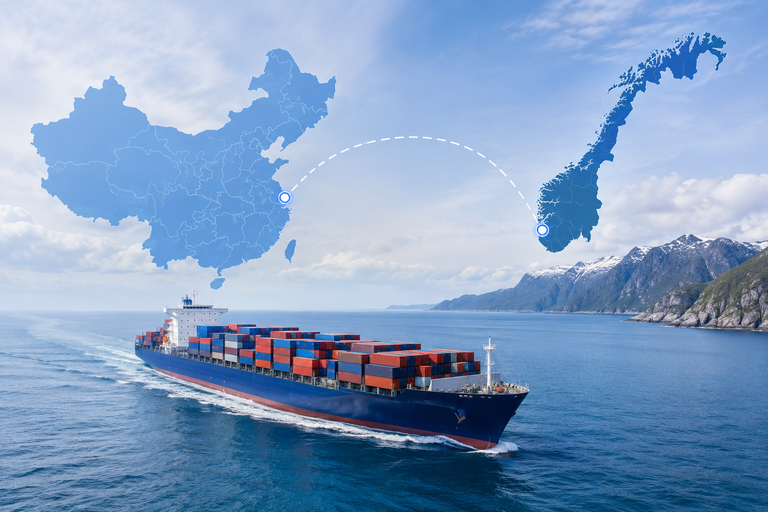
Whether you are an e-commerce seller, small business, or experienced importer, you may face challenges like hidden fees, complex customs clearance, and unstable transit time. This guide explains everything you need to know about shipping from China to Norway, including the best shipping method, freight costs, transit time, customs clearance, step-by-step shipping process and so on. It helps improve supply chain efficiency, reduce total landed costs, and streamline the entire shipping process.
How to Ship from China to Norway?
There are mainly three ways to ship from China to Norway: use a China-based freight forwarder, supplier arrange shipment directly, or hire a Norway-based freight forwarder. Importers can choose the best logistics partner based on their preference, budget, requirements of customization, control over total landed cost and convenience.
1. China-based Freight Forwarder
It is highly recommended to work with a China-based freight forwarder, whether you are a e-commerce seller, beginner or experienced importers. Because it provides more than just cargo transportation but comprehensive value-added service to reduce total landed costs and redundant coordination. It can provide more competitive freight costs, flexible shipping routes and high-quality customer service.
2. Norway-based Freight Forwarder
A Norway-based freight forwarder improves the destination handling efficiency and it’s familiar with Norwegian import regulations. But it still needs a China agent to handle the origin logistics and services, unless it has a China branch office or warehouse. This results in higher total landed cost and longer communication chain.
3. Supplier Arrange Shipments
If you are a first-time importer, it’s convenient to ship by your supplier. However, if you have more than one supplier, shipping by suppliers separately is very expensive and causes unnecessary costs. Suppliers mainly focus on manufacturing and don’t have their own logistics team, so they are more likely to provide higher freight costs, limited shipping options and restricted customization services.
Conclusion: The best logistics partner for importers shipping from China to Norway is a China-based freight forwarder. It not only helps you reduce shipping cost but also improve supply chain efficiency.
What Are the Main Shipping Methods from China to Norway?
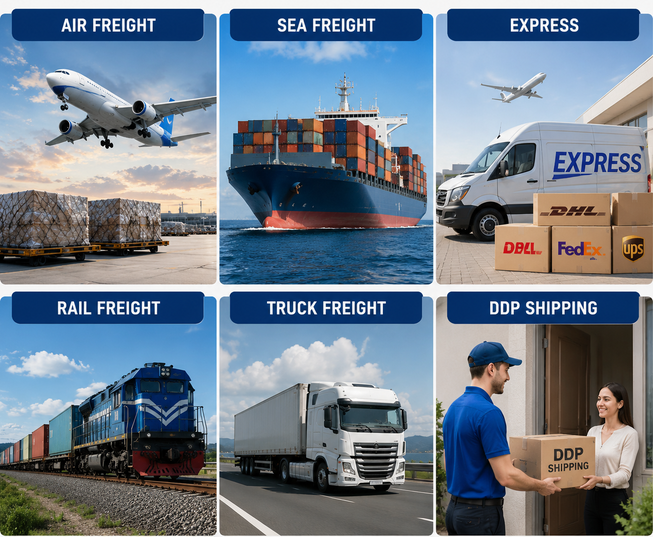
The main shipping methods from China to Norway include air freight, sea freight, express freight, truck freight, rail freight and DDP shipping. Importers can choose the best shipping method based on their budget, timeline, cargo type, and cargo volume.
Air Freight from China to Norway
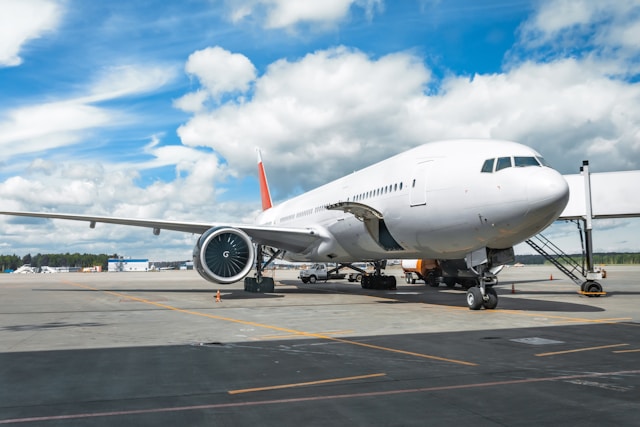
Air freight is one of the fastest and safest shipping methods from China to Norway, typically used for time-sensitive and high-value goods. But it has higher costs and stricter regulation.
Sea Freight from China to Norway
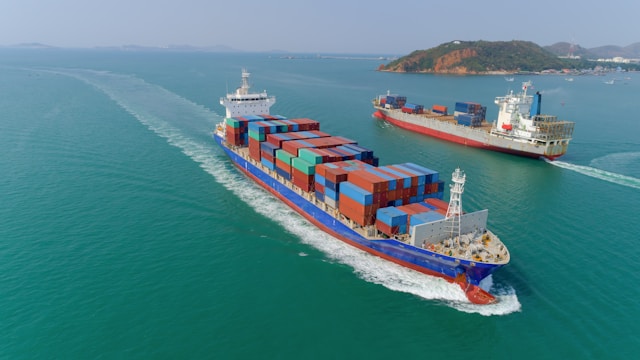
Sea freight is the most cost-effective shipping solution for large-volume shipments from China to Norway. It is widely used for bulk cargo, heavy goods, furniture, machinery, oversized cargo, and overweight cargo. But is has the longest transit time.
Express Freight from China to Norway
Express freight is handled by international couriers such as DHL, UPS, and FedEx. It is commonly used for small parcels, samples, and urgent files. Express freight is not suitable for oversized and overweight cargo, as the freight costs will be very high, although it’s safe and fast.
Truck Freight from China to Norway
Truck freight provides door-to-door delivery from China to Norway. In a typical route, cargo is first shipped from China to Europe major logistics hubs such as Germany, Poland, or the Netherlands, and then transported to final destinations in Norway. It’s cheaper than air freight and faster than sea freight, but has limited capacity.
Rail Freight from China to Norway
Rail freight is an emerging option shipping from China to Europe. It first arrives at Europe major logistics hubs like Germany, Poland and Spain, then transfers to Norway. Rail freight is very suitable for bulk cargo and raw materials shipment. It balances the cost-effectiveness of sea freight and the speed of air freight.
DDP Shipping from China to Norway
DDP shipping is a door-to-door logistics solution where the freight forwarder handles everything, including transportation, customs clearance, duties and tax payment, documentation, and final delivery. It has slightly higher upfront costs but importers can predict total landed cost more accurately.
What Is the Cheapest Shipping Method from China to Norway?

Air freight from China to Norway costs $7.39-$8.13/kg, express freight costs 7-9 USD/ kg, rail freight costs $3.31-$3.46/kg for shipments over 100kg, and truck freight costs $3.49-$3.84/kg. Sea freight LCL from China to Norway costs $2.91-$3.58/kg, and sea freight FCL costs 2500-4500 USD depending on different containers.
The cheapest way shipping from China to Norway may be sea freight due to its lowest unit price, but the lowest total landed cost depends on specific circumstances, as other costs also need to be considered. It’s recommended for importers to inquire with a freight forwarder about your specific shipments.
Remark: Below is the cost reference for importers to evaluate the logistics budget. The price refers to the general goods with standard package of DFH Logistics in June, 2026. If your goods contain batteries, magnetic, irregular package and branded products, contact us for a more accurate quotation with your cargo type, quantity, weight and package type.
| Shipping Method | Approximate Prices | Pricing Basis |
|---|---|---|
| Air Freight | $7.39-$8.13/kg | by chargeable weight |
| Express Freight | 7-9 USD/ kg | by chargeable weight |
| Sea Freight FCL | 2500-4500 USD | by container |
| Sea Freight LCL | $2.91-$3.58/kg | by chargeable weight |
| Rail Freight LCL | $3.31-$3.46/kg from 100kg | by chargeable weight |
| Truck Freight LTL | $3.49-$3.84/kg | by chargeable weight |
How to Reduce Shipping Cost from China to Norway?
Reducing shipping cost from China to Norway requires more smart cargo arrangement, optimal packaging, no additional charges and most importantly work with an experienced freight forwarder.
Consolidate Shipments
It’s much cost-effective to ship batches of shipments together instead of shipping them one by one. This helps spread out the base shipping cost, optimize chargeable weight, and streamline both handling and customs clearance procedures.
Optimize Packaging
Shipping costs are often calculated based on weight or volume. Optimal packaging can reduce unnecessary costs by using compact and standard packaging material, improve space utilization and enhance cargo safety with reinforcement.
Improve Shipment Planning
Bad shipment planning will lead to urgent shipping, higher freight costs, and limited shipping options. Freight costs change over the time, and this can not be controlled by freight forwarders. Importers can only communicate closely with their freight forwarders to know the price trends and arrange shipment early.
Avoid Additional Charges
Additional charges refer to extra logistics costs that are not included in the basic freight rate. These costs are often added during different stages of the shipping process, such as pickup, export operation, labor handling, customs clearance, duties and VAT, and final delivery. Importers should confirm with freight forwarders about service coverage and any possible hidden fees.
Work with Experienced Freight Forwarders
Working with an experienced freight forwarder is the most useful way to reduce shipping cost, as it can provide competitive price and prevent potential risks. A professional freight forwarder to handle the entire logistics process helps reduce communication costs and logistics costs.
What Are the Common Hidden Fees When Shipping from China to Norway?
Hidden fees are one of the biggest headaches for importers. They always occur out of expectation and cause unpaid bills. No one wants to experience this kind of situation. Following are the main hidden fees for importers to know.
| Hidden Fee | Why It Occurs |
|---|---|
| Fuel Surcharge | Carrier fuel costs fluctuate due to global oil price changes |
| Peak Season Surcharge | High demand periods reduce available cargo space |
| Customs Clearance Fee | Random or risk-based customs inspections in China or Norway |
| Customs Duties & VAT Fee | Pay duties and taxed on imported goods at import customs clearance |
| Documentation Fees | Require shipping documentation for customs clearance and cargo verification |
| Warehouse Storage Fee | Out of free storage time |
| Terminal Handling Charges (THC) | Port operations require manual handling |
| Remote Area Delivery Fee | Final destination is outside main logistics hubs in Norway |
| Re-measurement Fee | Cargo weight or dimensions differ from declared data |
| Port Congestion Surcharge | Ports experience high traffic or delays |
It may not be easy to avoid hidden fees as there are so many factors that can not be controlled by importers and freight forwarders. But at least, importers and freight forwarder can make shipment preparation and work closely to reduce additional charges by planning shipment in advance and confirming what are included in quotation.
What Is the Fastest Way to Ship from China to Norway?
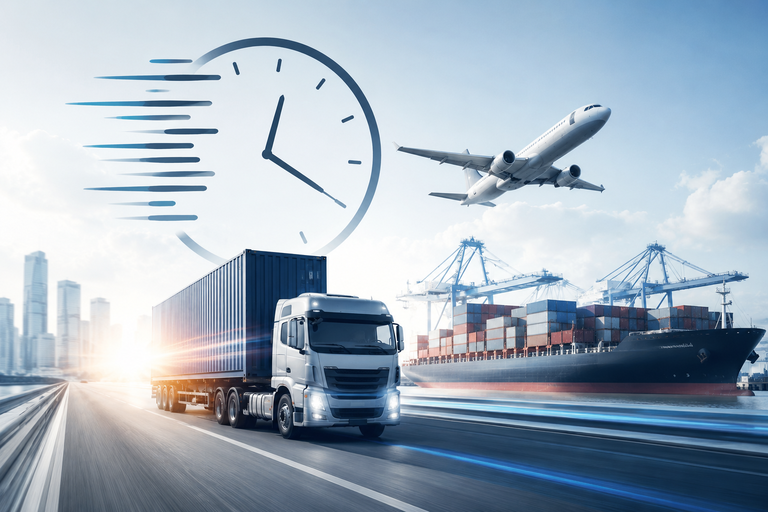
The fastest way to ship from China to Norway is express freight 3-5 days, followed by air freight 7-12 days. Truck freight takes 20-28 day, and rail freight takes 30-35 days. Sea freight takes the longest time from China to Norway 35-55 days.
The real shipping time may depend on the specific situations and affecting factors like shipping route stability, transfer time, port congestion, and labor efficiency. When importers arrange shipments, they need to take all these situations into consideration.
| Shipping Methods | Transit Time |
|---|---|
| Air Freight | 7-12 days |
| Sea Freight | 35-55 days |
| Express Freight | 3-5 days |
| Rail Freight | 30-35 days |
| Truck Freight | 20-28 days |
How to Reduce Shipment Delay from China to Norway?

Shipment delay is one of the most common problems in international logistics, especially when transit time is long. Many factors will result in shipment delay, including natural factor, human factor and force majeure. Following are some measurements to reduce shipment delay from China to Norway.
Avoid Peak Seasons and Holidays
Peak seasons and holidays are one of the main causes of shipment delays due to limited carrier capacity and increased global demand. During the peak seasons and holidays like new year, national days, and promotion season, shipments will be delayed by 1-3 weeks depending on specific situations.
Speed Up Customs Clearance
Customs clearance will affect total shipping time, as it is a crucial step of the full process. You can speed up customs clearance by preparing all required documents early and working with an experienced freight forwarder who specializes in customs clearance both in origin and destination.
Improve Coordination Efficiency
Poor coordination between suppliers, freight forwarders, and importers is a common hidden reason for shipment delays. It may lead to missing flight and vessel, customs clearance delay, and final delivery issues.
Choose Direct Shipping Routes
Direct shipping routes are faster than transshipment. Importers can try to select direct shipping route to reduce port handling, loading and unloading. Or directly choose a freight forwarders who can optimize shipping routes.
Ensure Complete and Correct Documentation
Complete and correct documentation ensures smoother customs clearance and significantly reduces the risk of inspection and cargo detention. Importers should double check shipping documents to make sure all the information are consistent.
What Is the Shipping Process from China to Norway?
Shipping process from China to Norway mainly includes cargo pickup, export customs clearance, international transportation, import customs clearance, duties and VAT payment, and final delivery. Following is the standard workflow for importers reference, and different shipments may vary in certain details.
Step 1: Cargo Pickup
The freight forwarder collects goods from your suppliers’ factories in China to warehouse, airport, or seaport. Importers should confirm contact information of both parties, ensure goods are ready, and provide accurate shipment details to the freight forwarder.
Step 2: Export Customs Clearance in China
Before cargo leaves China, export customs clearance must be completed. The freight forwarder or importer submits customs declarations and documents to Chinese customs authorities. Importers need to ensure all the information are correct.
Step 3: International Transportation
Once export clearance is completed, the cargo is shipping from China to Norway by selected shipping method. Importers should monitor cargo status and keep in touch with freight forwarders.
Step 4: Import Customs Clearance in Norway
Customs will verify shipment information, assess duties and taxes, and confirm cargo compliance. Random inspection will be conducted on the imported cargo. Importers need to prepare additional permits, certificates and approval for some special product types.
Step 5: Pay Duties and VAT
Importers also must pay applicable duties and VAT. Cooperate with customs positively and make the payment on time.
Step 6: Final Delivery
After customs clearance, cargo will be delivered to your designated location in Norway. Importers may need to coordinate with local delivery force and carriers to negotiate delivery time.
What Are the Main Shipping Routes from China to Norway?
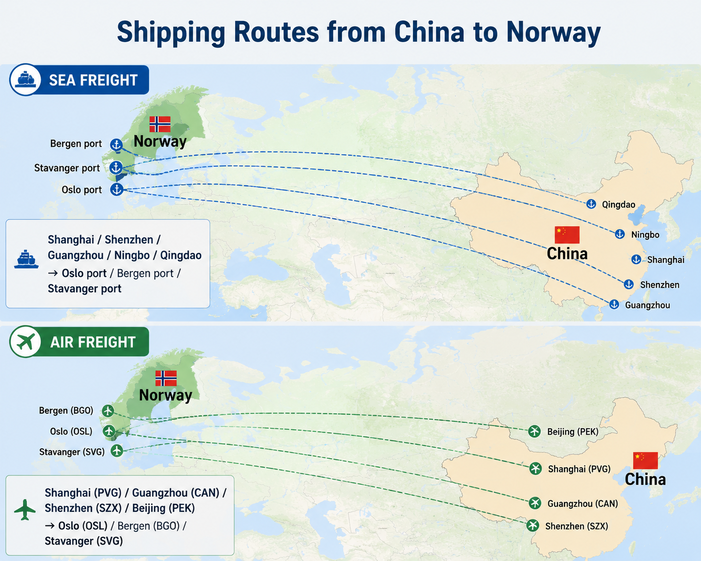
Shipping routes from China to Norway mainly depart from China major logistics hubs Shanghai, Shenzhen, Guangzhou, Ningbo to main destination cities Oslo, Bergen and Stavanger. The biggest airport and seaport in Norway are both located in Oslo, which is definitely the country’s most important logistics and international trade hub. Following are the main shipping routes from China to Norway.
| Shipping Method | Main Shipping Routes | Main Destination Port | Note |
|---|---|---|---|
| Sea Freight | Shanghai / Shenzhen / Guangzhou / Ningbo / Qingdao → Oslo | Port of Oslo | Largest port in Norway and main gateway for imports from China to Norway. |
| Sea Freight | Shanghai / Shenzhen / Guangzhou / Ningbo / Qingdao → Bergen | Port of Bergen | Located on Norway’s west coast, Bergen is one of the country’s busiest ports and an important logistics hub for western Norway. |
| Sea Freight | Shanghai / Shenzhen / Guangzhou / Ningbo / Qingdao → Stavanger | Port of Stavanger | Stavanger is widely known as Norway’s oil and gas capital and plays a significant role in industrial and project cargo logistics. |
| Air Freight | Shanghai (PVG)/ Guangzhou (CAN) / Shenzhen (SZX) / Beijing (PEK) → Oslo (OSL) | Oslo Airport | Oslo Airport (OSL) is the largest cargo airport in Norway and handles the major international air freight. |
| Air Freight | Shanghai (PVG)/ Guangzhou (CAN) / Shenzhen (SZX) / Beijing (PEK) → Bergen (BGO) | Bergen Airport | Second-largest airport in Norway and serves western Norway. |
| Air Freight | Shanghai (PVG)/ Guangzhou (CAN) / Shenzhen (SZX) / Beijing (PEK) → Stavanger (SVG) | Stavanger Airport | Stavanger Airport plays a vital role in supporting Norway’s energy industry. |
| Rail Freight | Chengdu / Xian / Yiwu / Wuhan → Kazakhstan → Russia → Belarus → Poland → Germany/Netherlands/Belgium → Distribute to Norway | / | No direct rail to Norway. Cargo must be transferred after arriving in Europe. |
| Truck Freight | China → Kazakhstan → Russia → Belarus → Poland → Germany → Netherlands/Belgium → Denmark → Sweden → Norway | / | Delivery via European road network into Norway. |
What Documents Are Required Shipping from China to Norway?
Shipping from China to Norway requires correct and complete documents to ensure smooth customs clearance and cargo compliance. Missing or incorrect documents may lead to shipment delays, customs inspections, or additional charges. Below are the key documents importers should prepare in advance.
1. Commercial Invoice
Commercial invoice should contains buyer and seller information, HS code, date, product description, product name, cargo value(unit price and total price), currency, trade term, and payment term. It’s provided by suppliers and mainly used to assess the goods value and calculate duties and VAT.
2. Packing List
The packing list provides detailed information about goods packaging type, gross weight, net weight, and dimension. It helps customs, logistics providers, suppliers to verify cargo contents. It’s provided by suppliers and also a main base for freight cost calculation.
3. Bill of Lading (B/L) / Air Waybill (AWB)
Bill of lading is a proof of ownership and shipment contract for sea freight, and Air Waybill is a transportation document for air freight shipments. They are issued by carriers.
4. Certificate of Origin (CO)
It certifies the country of origin and may help qualify for preferential tariffs under certain circumstances.
5. Declaration Elements
Declaration elements are required for some certain products such as electronics, gearbox, motor, machinery, equipment for further explanation of product brand, model, function and specification.
6. Other Permits and Certificates
Depending on product type, additional compliance documents may be required for import approval. For example, CE certification, MSDS, food safety certificates, testing reports or compliance declarations. Importers should confirm with suppliers if they can provide these complaint documents for market access.
How Are Import Duties and VAT Calculated in Norway?
There are three types of taxes on the import of goods in Norway – customs duty, VAT, and excise duties. Duties and VAT value depend on your cargo origin and type. Importers can calculate them based on CIF value in advance to predict the total landed value.
- Customs duties: typically ranging from 2.5% to 15% depending on HS code.
- VAT: generally 25% on imported goods.
- Excise duties: Impose on certain products, such as tobacco, alcohol, and sugar.
Import duties and VAT in Norway are calculated based on the CIF value of goods plus applicable duty rates, followed by a 25% VAT applied to the total landed cost. While many goods may have low or zero import duties, VAT is always applied, making it the large cost component in most shipments from China to Norway.
What Goods Are Prohibited and Restricted in Norway?
When shipping goods from China to Norway, it is essential to understand Norway’s import restrictions and prohibitions. Importers can confirm with freight forwarders if goods can be imported in Norway, or check Restricted and Prohibited Goods in Norway at official website.
Prohibited Goods in Norway
Prohibited goods are not allowed to be imported in Norway under any circumstances:
- Illegal drugs
- Weapons and ammunition
- Counterfeit goods
- Certain chemicals
- Plants/animals under restriction
Restricted Goods in Norway
Restricted goods are allowed to be imported when you have permits, certificates and approval:
- Alcohol
- Tobacco
- Foodstuffs, plants, seeds, animals
- Endangered animal and plant species (CITES goods)
- Medicines
- Waste
- Explosives, fireworks and hazardous substances
- Weapons, weapons parts, and ammunition
- Cultural monuments, antiques
What Are the Main Imports from China to Norway?
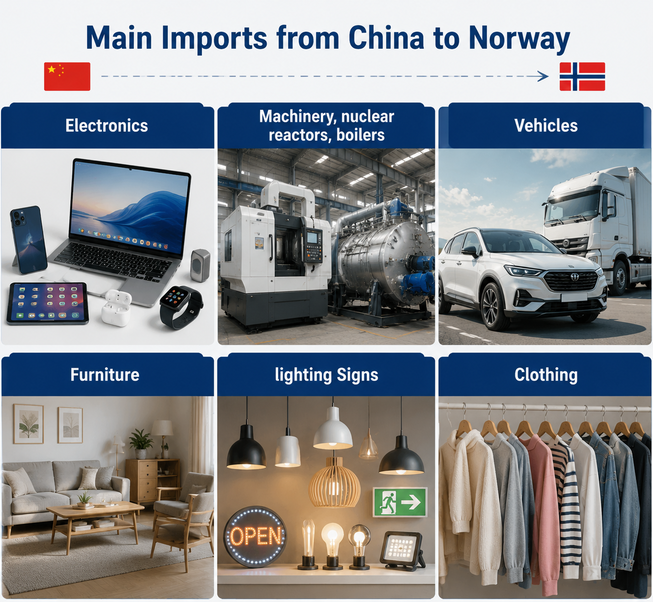
Currently, China is Norway’s largest trading partner in Asia. In 2025, bilateral trade reached USD 11.41 billion, up 12.6% year-on-year. Of this, China’s exports amounted to USD 5.8 billion, increasing by 16.2%, while imports totaled USD 5.61 billion, rising by 9.1%. Imports from China to Norway are mainly driven by cost efficiency, industrial supply chains, and high demand for consumer electronics and general merchandise. Following are the main imports from China to Norway.
- Electronics
- Machinery, nuclear reactors, boilers
- Vehicles
- Furniture
- lighting Signs
- Clothing
Which Incoterm Is Best for Shipping from China to Norway?
Incoterms are standardized trade rules that define the responsibilities between buyers and sellers in international trade. They determine who is responsible for transportation, customs clearance, insurance, and duties and taxes payments at each stage of the shipment. Below are the most commonly used Incoterms for shipping from China to Norway.
Note: In the international trade and logistics, the freight forwarder only acts on behalf of the seller or buyer to handle the logistics, and it’s not included in the definition of Incoterms.
| Aspect | EXW (Ex Works) | FOB (Free On Board) | CIF (Cost, Insurance & Freight) | DAP (Delivered at Place) | DDP (Delivered Duty Paid) |
|---|---|---|---|---|---|
| Pickup in China | Buyer | Seller | Seller | Seller | Seller |
| Export Clearance | Buyer | Seller | Seller | Seller | Seller |
| International Transportation | Buyer | Buyer | Seller | Seller | Seller |
| Insurance | Buyer | Buyer | Seller | Seller | Seller |
| Import Clearance in Norway | Buyer | Buyer | Buyer | Buyer | Seller |
| Duties & VAT | Buyer | Buyer | Buyer | Buyer | Seller |
| Final Delivery | Buyer | Buyer | Buyer | Seller | Seller |
| Risk Transfer Point | At seller’s factory in China | When goods are loaded onto vessel in China port | When goods are loaded onto vessel in China port | When goods arrive at destination in Norway (before unloading) | After final delivery to buyer’s address in Norway |
| Risk Level for Buyer | Very High | Medium | Medium | Low | Very Low |
| Best For | Experienced importers | Regular bulk shipments | Limited experience in import | Importers who need simplified process and can handle the customs clearance in Norway | E-commerce sellers, beginners, first-time importers. |
Do You Need Cargo Insurance When Shipping from China to Norway?
This may depend on your specific situations. Cargo insurance is mainly to protect you against from financial loss due to cargo damage, loss, theft, missing, accidents, and natural disaster. Following are the situations that recommended to buy cargo insurance for importers:
- High-value goods
- Fragile goods
- Sensitive goods
- Long transit time
- Cooperate with new freight forwarders
- Unstable shipping routes
Cargo insurance is not always mandatory. When you only ship one low-value parcel, insurance already included in contract and carrier’s liability coverage, it’s not necessary to buy cargo insurance.
What Are the Main Customs Issues When shipping from China to Norway?
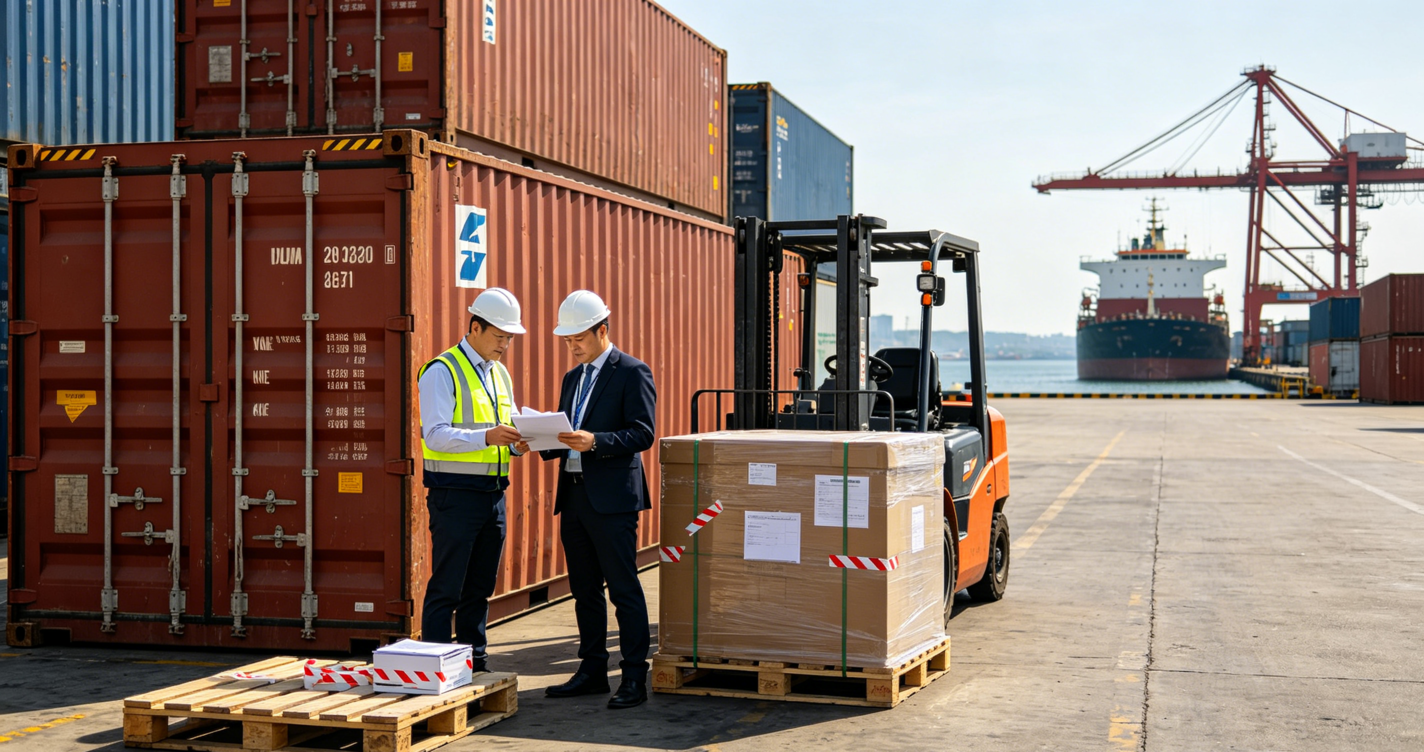
When shipping from China to Norway, importers often face customs-related challenges due to Norway’s strict regulation. Customs clearance in Norway is not complex, but there are still some things that importers need to pay attention to.
Under-declared Value
Under-declared value refers to declaring a lower shipment value than the actual price in order to avoid high import duties and VAT. Customs will check cargo value to verify if the declared value is under the market price. They may require a payment proof of importers and related documents. Therefore, under-declaring value is not recommended. If it is detected, importers will be required to pay the additional taxes, and in severe cases, may face fines.
Missing or Incorrect Documents
Missing documents may lead to customs rejection. Incorrect documents such as wrong HS code, inconsistent product description, and incorrect value all will lead to customs delay and document re-verification.
Product Compliance
Some special type of products require additional certificates, permits or approval. If you can provide these documents to verify the product compliance and safety, it will fail to gain market access.
Unpaid Duties and VAT
Importers should pay duties and VAT on time. Failure to pay customs duties and taxes can lead to shipment detention, return, or destruction by customs, and may also result in high storage fees.
Customs Inspection
Customs conducts random inspection on imported goods. However, in some cases, customs inspections may be more frequent than usual. For example, for dangerous goods, buyers with a history of customs violations, or during sensitive periods.
What’s the Difference Between FCL and LCL?
When shipping from China to Norway by sea freight, importers may struggle with option between FCL (Full Container Load) and LCL (Less than Container Load). Both options are widely used, but they are suitable for different situations.
| Aspect | FCL (Full Container Load) | LCL (Less than Container Load) |
|---|---|---|
| Container Usage | One shipper only | Shared with multiple shippers |
| Cost Structure | Flat container cost | Charged by volume (CBM) |
| Best For | Large shipments over 15 CBM | Shipments over 1CBM but less than 15 CBM |
| Risk of Damage | Low | Higher due to handling |
| Transit Time | Faster | Slightly slower |
| Handling | Minimal | Multiple loading/unloading points |
| Security | High | Medium |
| Flexibility | Low | High |
What Is DDP Shipping from China to Norway?
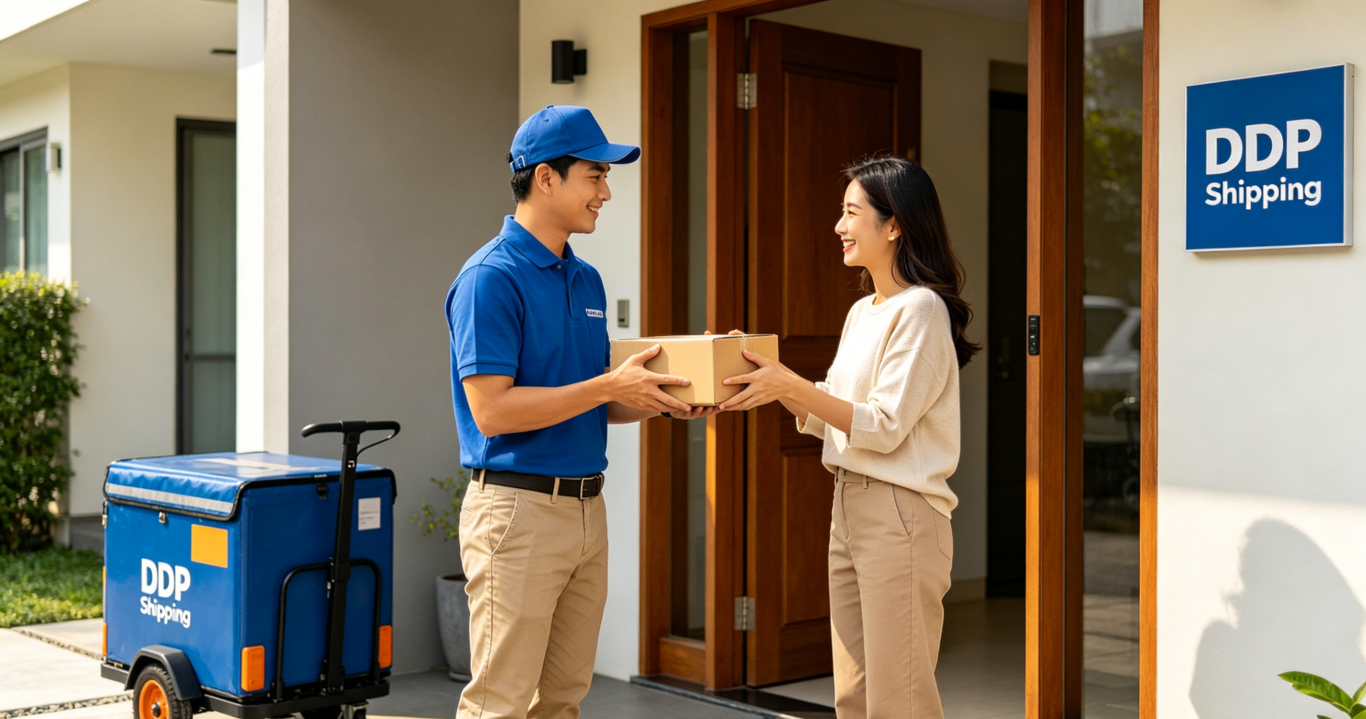
Many importers are worried about DDP shipping compliance and want to understand exactly what services are included, how it works, and who is responsible for taxes and customs. DDP shipping is one of the most convenient methods but also most comprehensive shipping solutions. Let’s take DFH Logistics DDP shipping from China to Norway service for example.
- Flexible Shipping Options: Available air freight DDP , sea freight DDP, truck freight DDP, rail freight DDP.
- Cargo Pickup: Collect goods directly from the supplier’s factory in China.
- Repacking & Relabeling: Repacking and relabeling is to meet requirements of international shipping, customs clearance and Amazon FBA. It helps ensure cargo safety during transportation and compliance with destination market regulations.
- Consolidation: Combine goods from multiple suppliers into one shipment. This is especially useful for importers with multiple suppliers. This significantly reduces shipping costs and improves logistics efficiency.
- Warehousing: Free storage for up to 30 days.
- Cargo Inspection: Cargo inspection involves checking the quality, quantity, packaging condition, and compliance before shipment. This reduces the damaged or non-compliant products. It is a critical step to maintain customer satisfaction and reduce disputes.
- Customs Clearance: We handle export declaration in China and import declaration in Norway, ensuring goods comply with regulations and enter the destination country smoothly.
- Prepaid Duties & VAT: We pay all import duties and taxes on behalf of the importer in advance. This is a core feature of DDP shipping.
- Cargo Insurance: If it’s necessary, we will buy cargo insurance at discount rates for importers.
- Documentation: Our professional team prepare all required shipping documents for smooth customs clearance.
- Final Delivery: Door-to-door delivery to your designated location in Norway.
- Shipment Tracking: Real-time cargo monitor throughout the entire shipping process.
- 24/7 Customer Support: Importers can get instant updates, resolve shipment issues, and receive operational support at any stage of the logistics process, ensuring smooth communication across time zones.
How to Choose a Freight Forwarder from China to Norway?
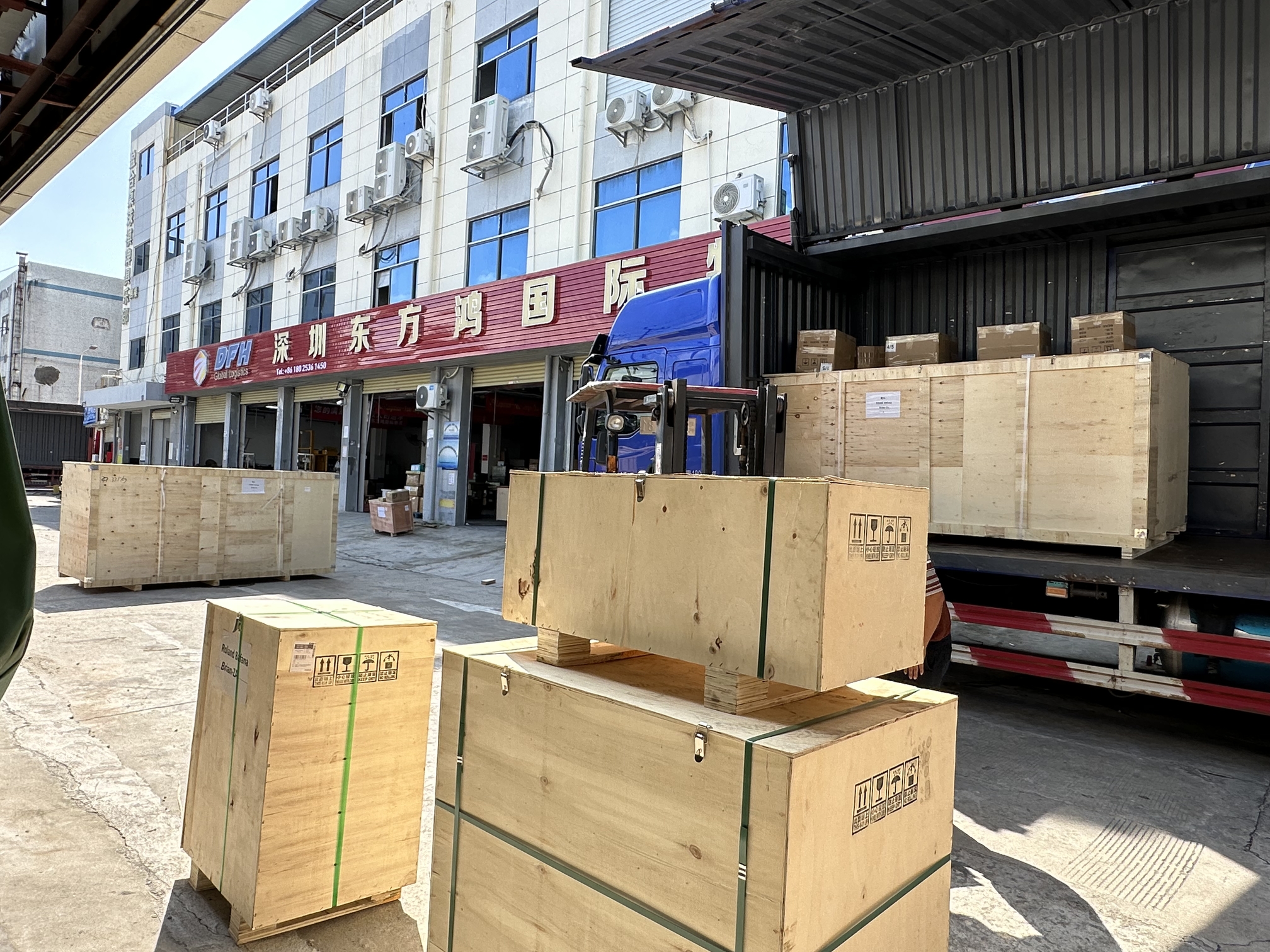
Choosing a reliable freight forwarder is the most important thing for shipping from China to Norway. However, with thousands of freight forwarders on the market, how do you choose the right one? Importers need to evaluate their experience, service coverage and reputation.
China-Norway Shipping Experience
A freight forwarder with strong experience in China-Norway shipping is usually able to provide stable transit time, anticipate potential risks, and reduce total landed cost. Experience is not about years in business, but about how many successful shipments have been handled on this specific shipping route.
Service Coverage
Service coverage reflects operational capabilities and resource network of one freight forwarder. A well-established freight forwarder for China–Norway shipping should be able to provide flexible customized services to meet various demand of clients.
Reputation
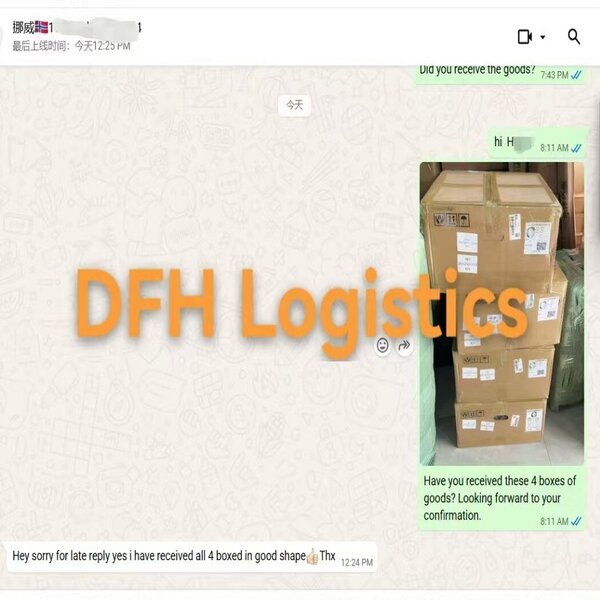
Reputation is a key indicator to select a reliable freight forwarder. Reputation is not built by marketing, but by consistently safe and fast shipment. A trustworthy freight forwarder usually has long-term cooperated partners, transparent communication and pricing structure.
Why Choose DFH Logistics Shipping from China to Norway?
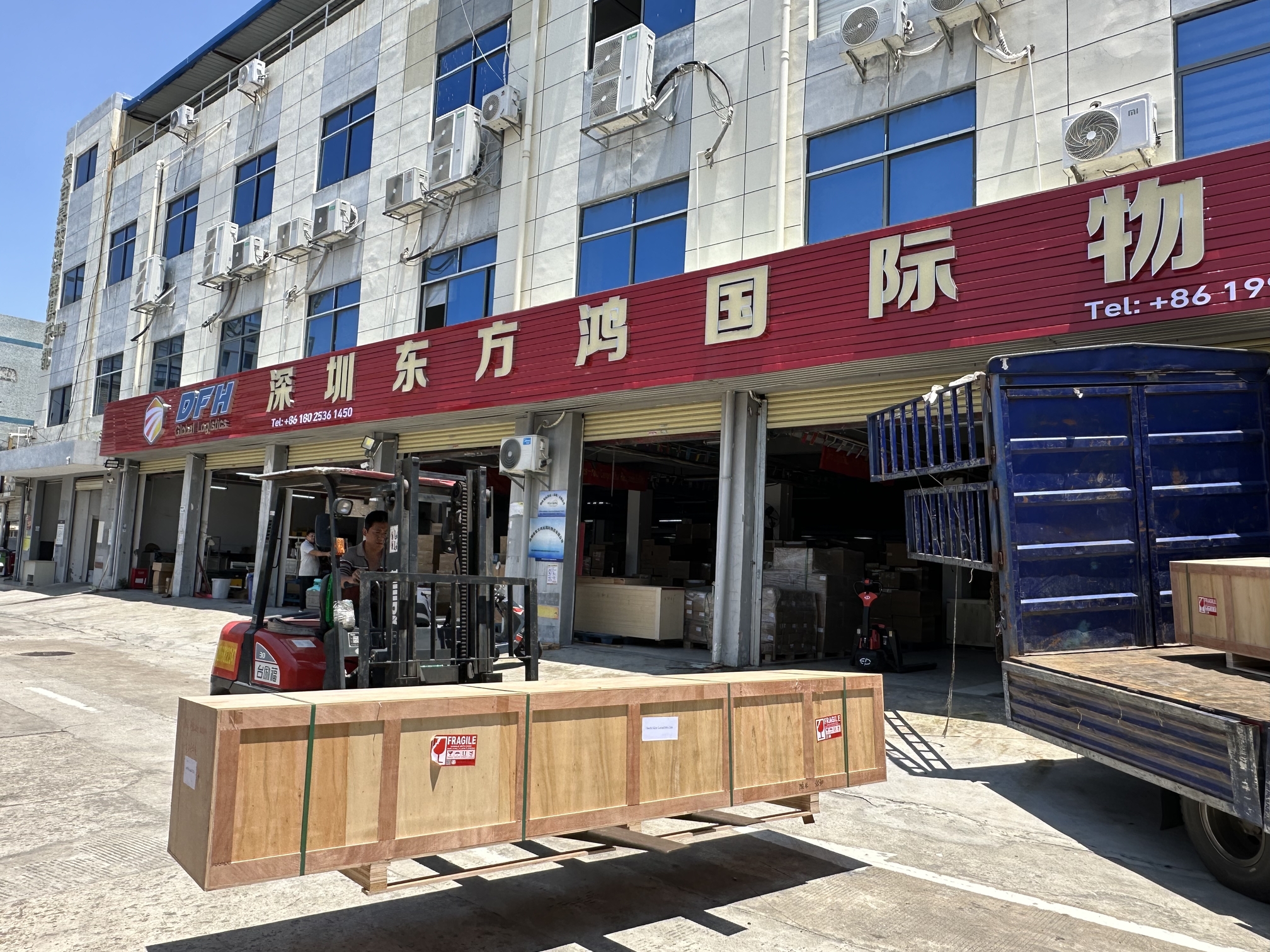
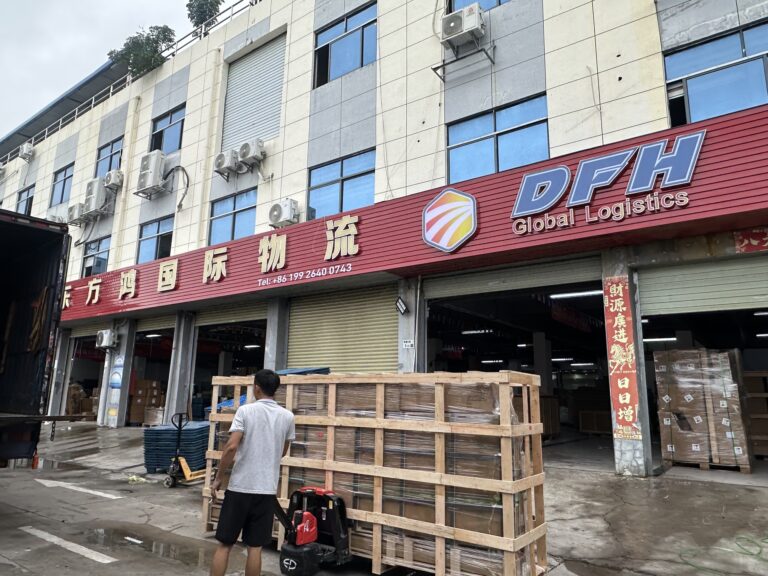
DFH Logistics is a China-based freight forwarder that specializes in international logistics from China to worldwide with more than 13 years of experience. We have serviced 30,000+ global clients with one stop logistics solutions. We aim to simplify the shipping process and deliver affordable solutions to our clients. We boast with:
- Competitive Price: We have established long-term partnership with global carriers. This enables us to provide our clients with competitive price and transparent cost breakdown.
- Strong Operational Capability: We have the capacity to manage a wide range of goods, such as dangerous goods, special goods, sensitive goods, equipment and so on.
- DDP Specialist: With rich experience in international logistics, we can provide safe, reliable, and efficient DDP shipping solutions to help you streamline shipping process.
Quick Summary about DFH Logistics:
| ITEM | DETAILS |
|---|---|
| Headquarters | Shenzhen, China |
| Founded in | 2013 |
| Website | https://dfhlogistics.com/ |
| Phone/WhatsApp | +86 18025361450 |
| [email protected]; [email protected] | |
| Address | F1,No.7, YingJin Industrial Park North Area, YueSheng 3rd Road, Fuhai Street, FuYong Town, Bao’an District, ShenZhen, GuangDong Province, China. 518103 |
| Main Market | Norway, France, Singapore, USA, Ireland, Italy, Spain, Netherlands, Germany, UK, UAE, Australia, Canada, Europe, South Africa, Philippines, Malaysia, Thailand. |
| Suitable For | Amazon FBA Sellers, Dropshipping, Global Importers and Buyers, Bulk Shipment, Oversized Cargo Shipping, Special Cargo Shipping. |
| Social Medium | Tiktok/youtube/instagram/facebook: @chinafreightforwarderdfh |
Final Thoughts
Working with DFH Logistics, you no longer have to worry about shipping from China to Norway. We handle the entire logistics process, including pickup, customs clearance, international transportation, insurance, duties and VAT, and door-to-door delivery, so you can focus on your business instead of managing shipping issues. Contact DFH Logistics today to get a tailored shipping solution for your shipment from China to Norway.