




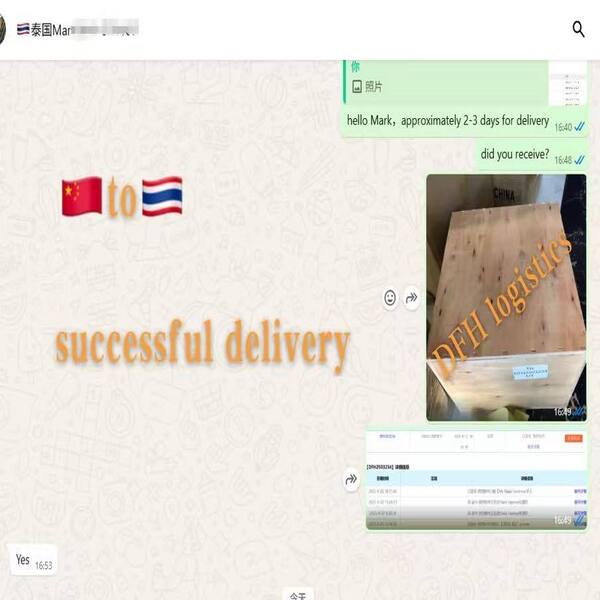
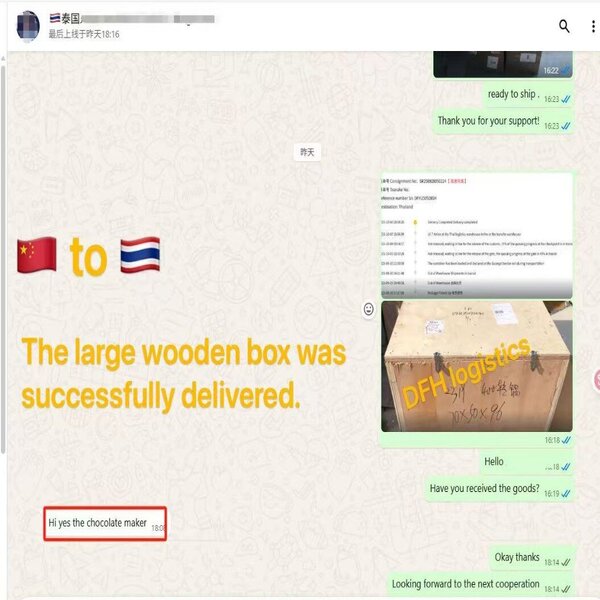
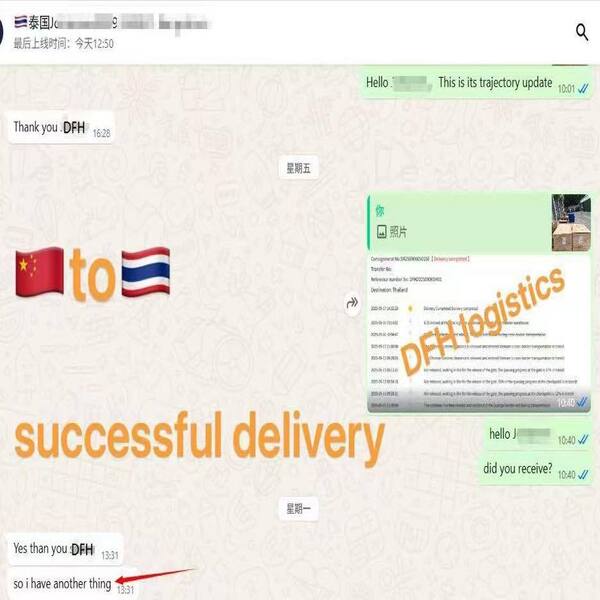
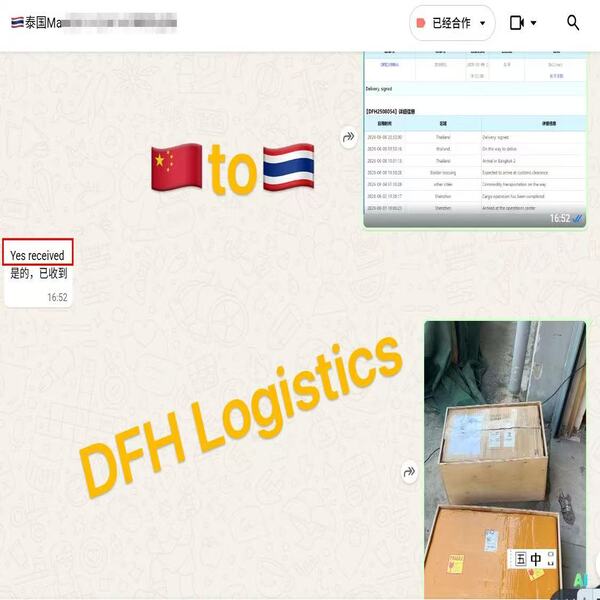
When shipping from China to Thailand, importers often face challenges such as hidden fees, choosing the right shipping method, customs clearance, and unstable transit times. These issues can significantly affect both cost and supply chain efficiency.
This complete guide will walk you through the entire shipping process from China to Thailand, including the best shipping method, freight costs, shipping time, customs clearance, duties and VAT, shipping documents, suitable Incoterm etc.
How to Ship from China to Thailand?
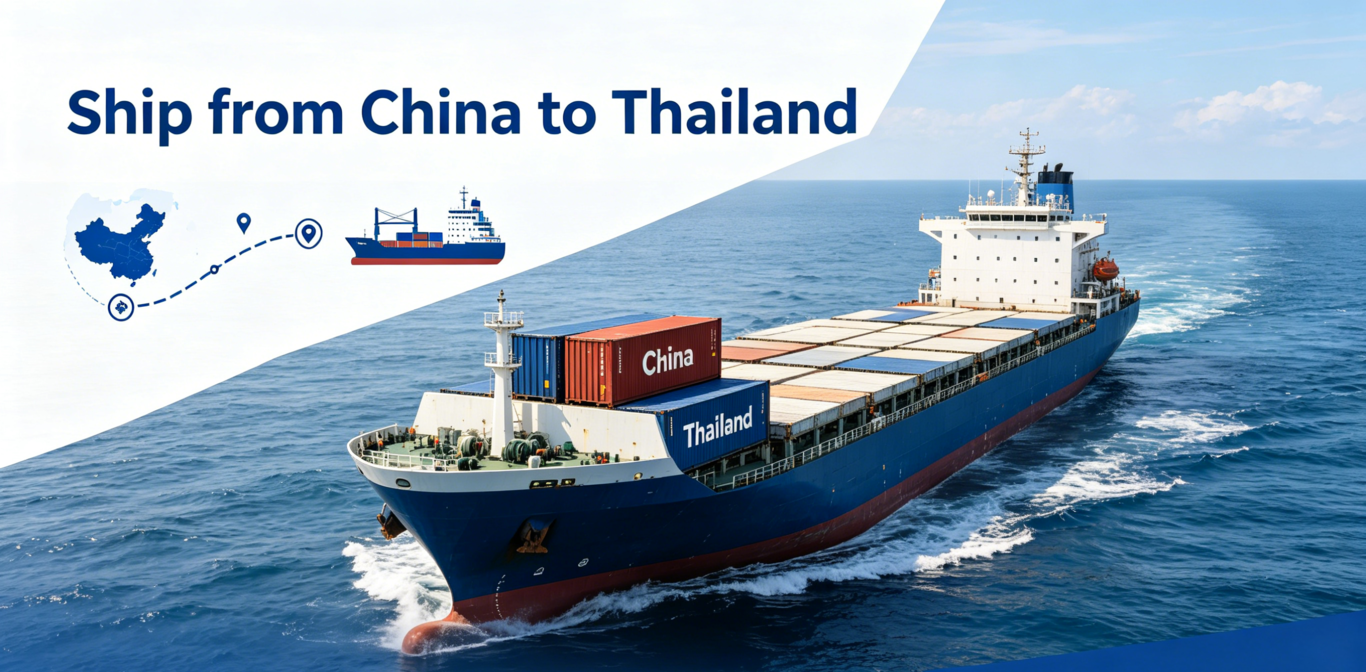
There are mainly three ways to ship from China to Thailand: work with a China-based freight forwarder, let supplier handle shipment, and use a Thailand-based freight forwarder. Below is a clear comparison of the three methods:
| Aspect | China-based Freight Forwarder | Supplier Handles Shipment | Thailand-based Freight Forwarder |
|---|---|---|---|
| Customized Service | Comprehensive customized service: consolidation, repacking, relabeling, goods inspection, warehousing… | Limited service scope, mainly basic shipment arrangement | Focused on local delivery and import handling. |
| Multiple Parties Coordination | Handles efficient coordination between multiple suppliers and carriers | Limited coordination capability | Requires coordination with China-side parties |
| Shipping Method Options | Supports air freight, sea freight, express, truck freight, and DDP shipping | Limited shipping method options | Request a China agent or China branch office to handle the shipment. |
| Cost Level | Cost-effective with competitive rates | Higher due to the limited resource and logistics network | Generally higher total logistics cost due to middleman |
| Price Transparency | Clear quotation with cost breakdown | Lower transparency and possible additional charges | Lower transparency and possible additional charges |
| Control Over Shipment | High control over carriers, handling, and tracking | Limited control, depends on supplier arrangement | Limited control over origin logistics |
| Customs Clearance | Export and import support | Limited customs clearance knowledge | Good at Thailand import customs |
| Documentation Handling | Provides full document support | Basic document handling from supplier side | Handles local import documentation only |
| Customer Service | Fast response and feedback | Communication depends on supplier responsiveness | Good local customer service in Thailand |
For most importers shipping from China to Thailand, the China-based freight forwarder is the most efficient and economical solution. It simplifies the entire process, reduces customs risks, and helps avoid unexpected costs.
What is the Best Shipping Method from China to Thailand?
The best shipping method from China to Thailand depends on your shipment size, volume, budget, preference, and delivery time requirements. The common shipping methods from China to Thailand include air freight, sea freight, express freight, truck freight, and DDP shipping. If you don’t know how to choose the best shipping method, let DFH Logistics provide you with the customized logistics solution based on your specific shipment.
Air Freight from China to Thailand
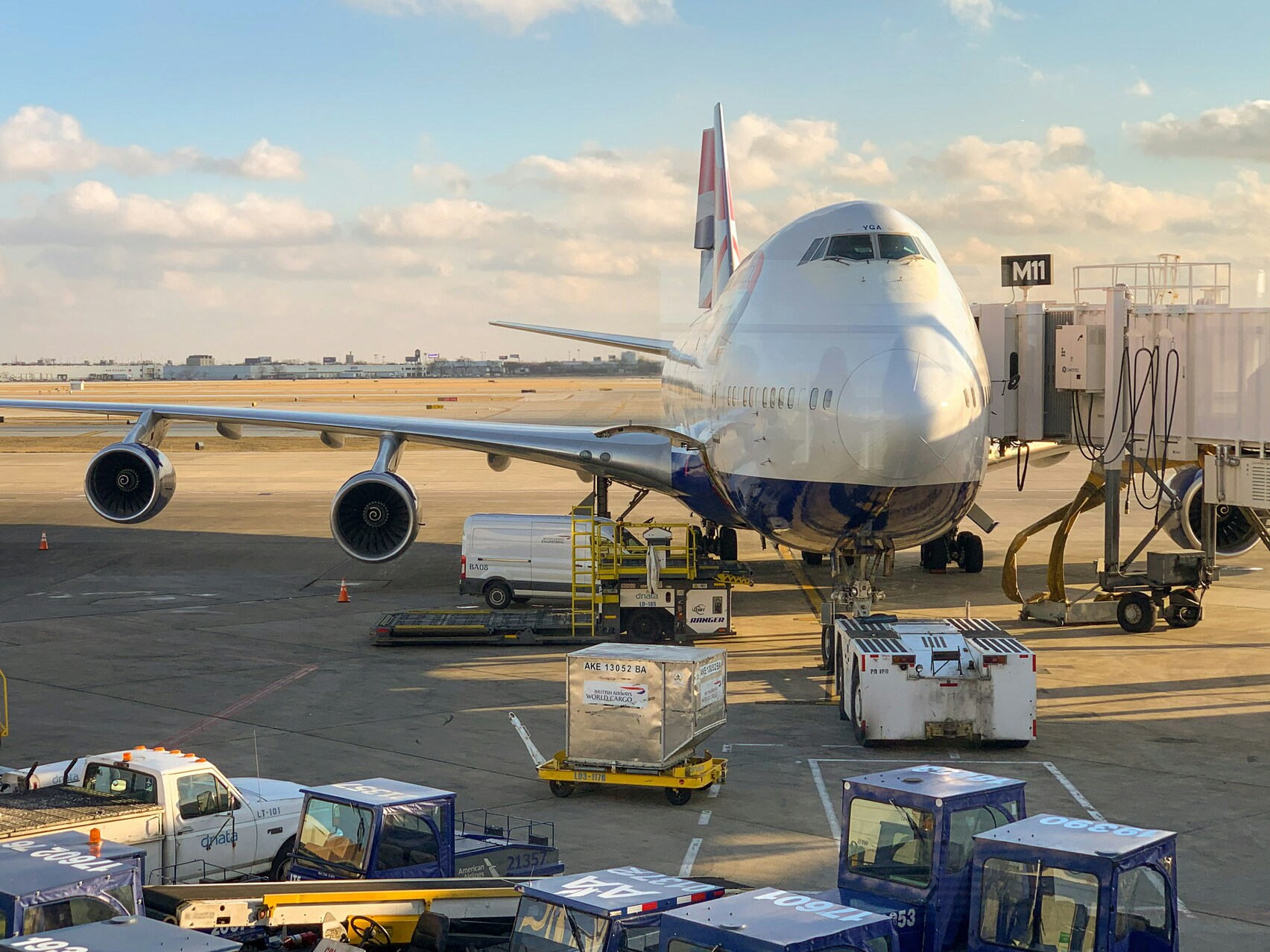
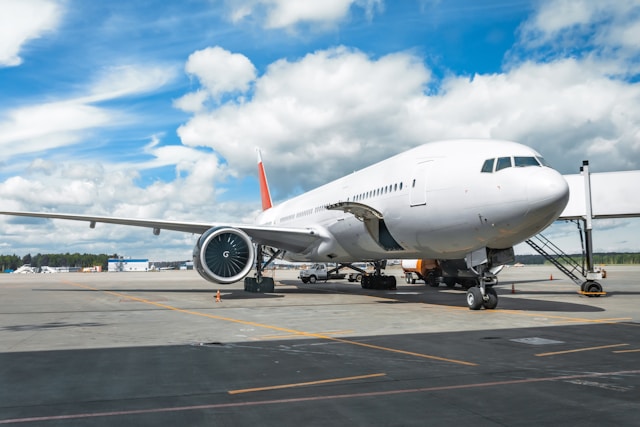
Air freight is the most commonly used shipping method for time-sensitive shipment and high-value cargo. It has frequent and stable flight schedule. Compared with sea freight, air freight is generally safer due to shorter transit times and fewer handling processes. But air freight has a higher cost.
Sea Freight from China to Thailand
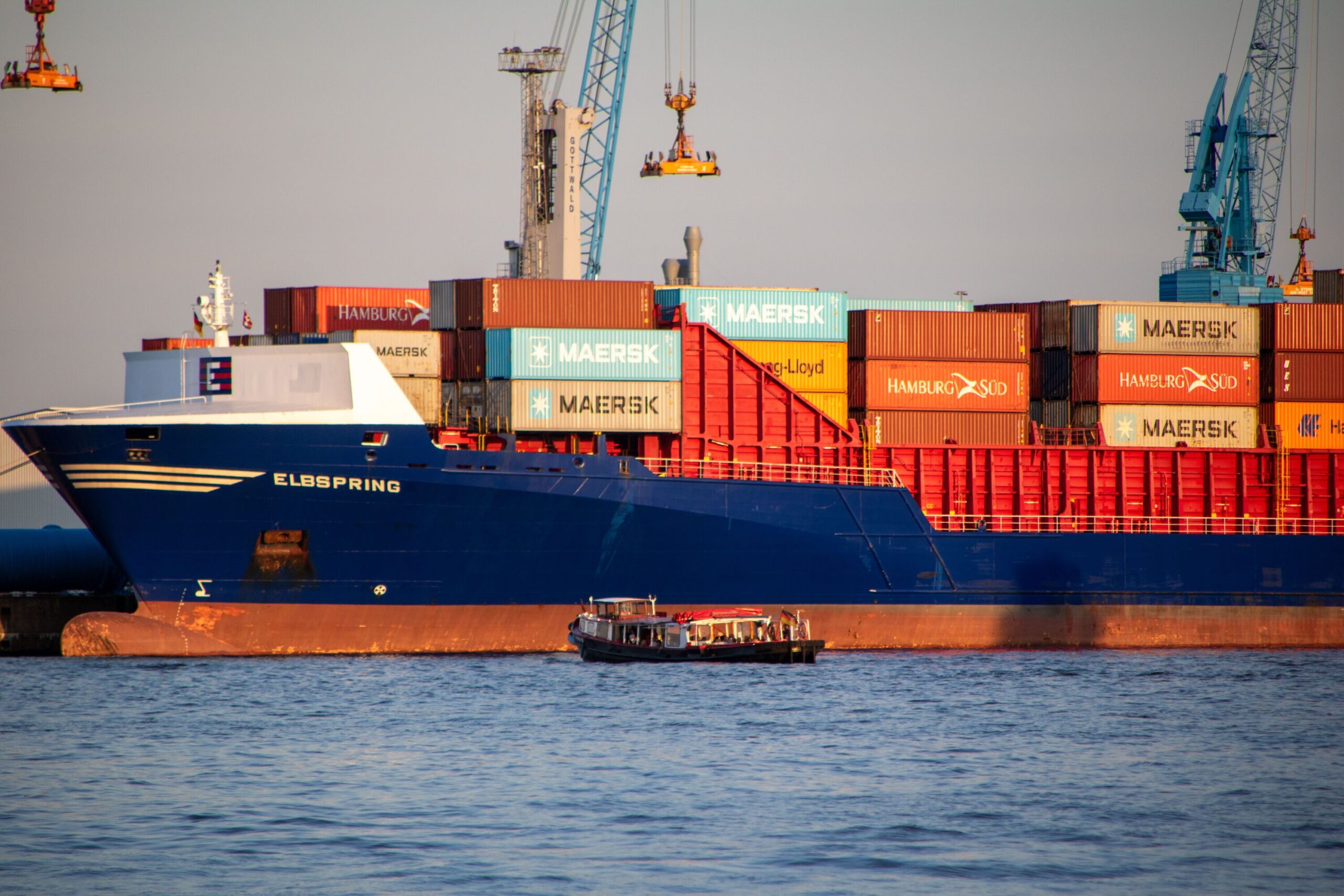
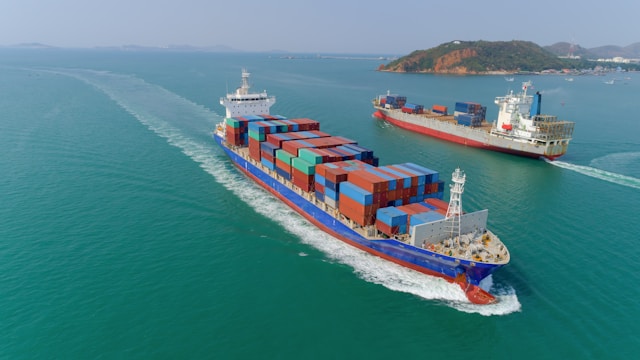
Sea freight is the most cost-effective method for shipments over 1 CBM and not urgent. It is the best for oversized cargo, overweight cargo, special cargo and logistics shipment. Sea freight also provides flexible FCL and LCL options. Although it is a economical shipping method, it has the longest transit time.
Express Freight from China to Thailand
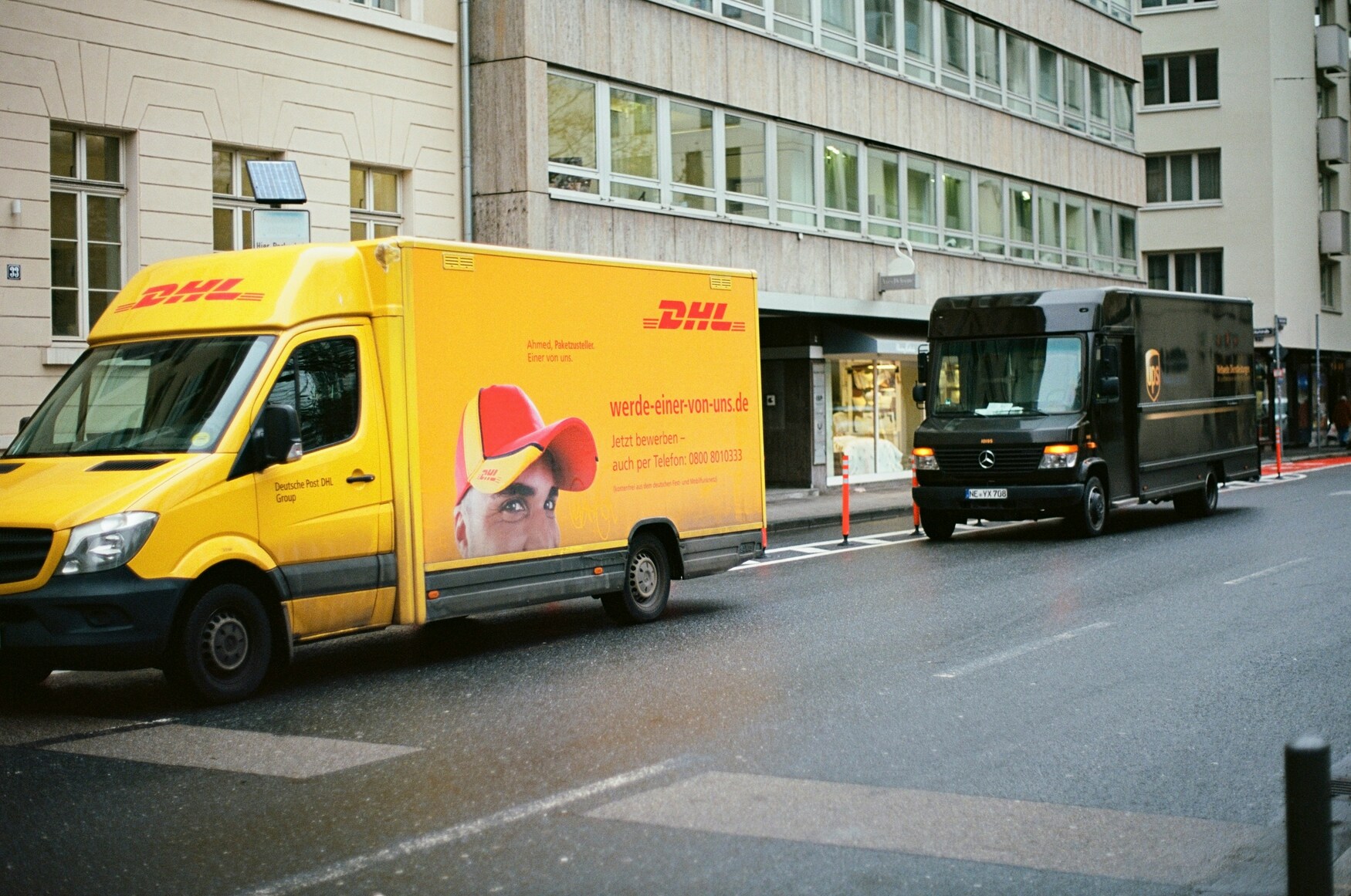
Express shipping is handled by international couriers such as DHL, UPS, and FedEx. It’s suitable for small parcel, files and urgent shipment. But express freight has stricter regulations than standard air freight. And it’s not suitable for oversized and overweight cargo due to its high shipping costs.
Truck Freight from China to Thailand
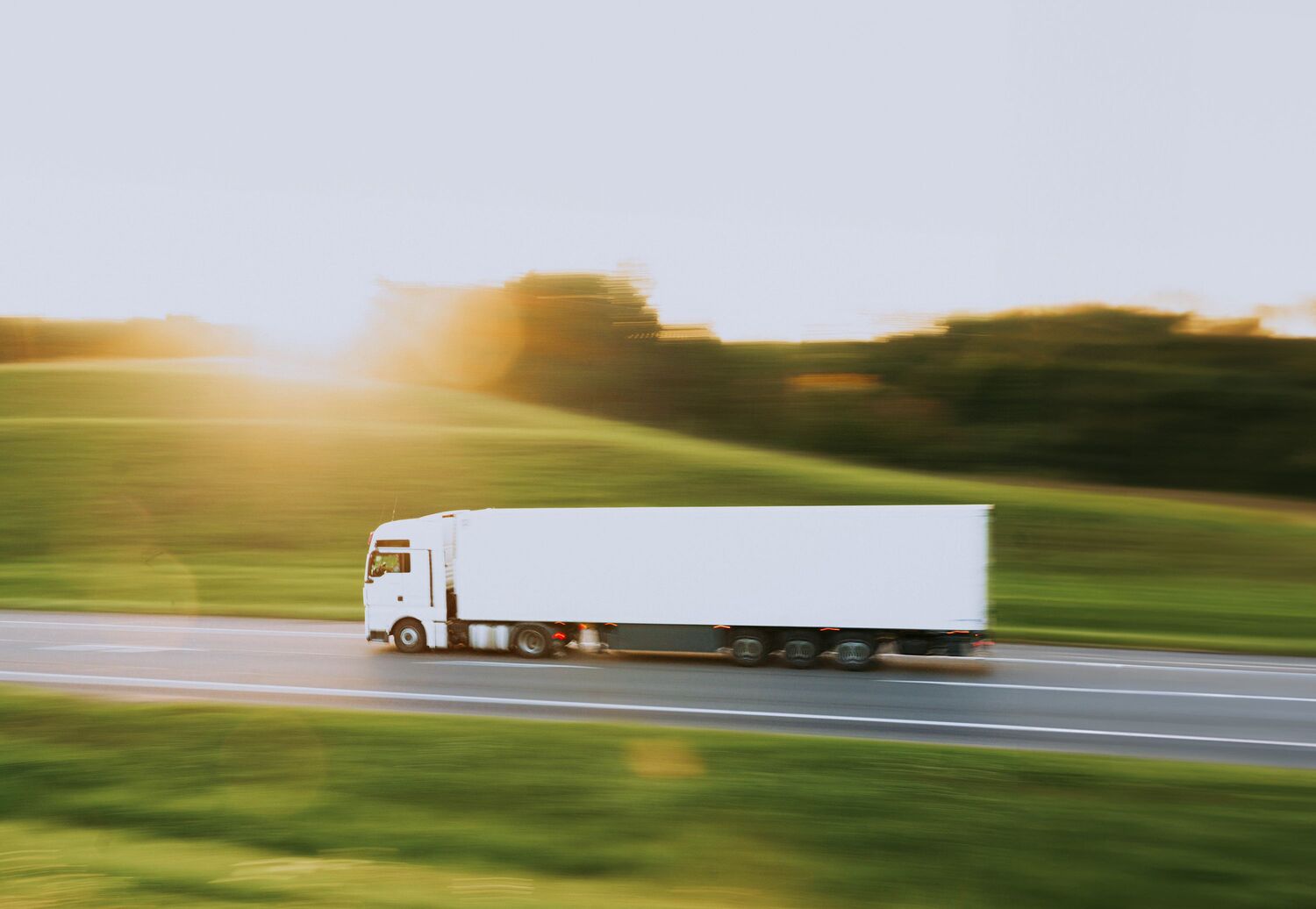
Truck freight is a land transportation option via Southeast Asia land routes. It’s a good option balances the cost and speed. It provides door-to-door service, but with limited capacity.
DDP Shipping from China to Thailand
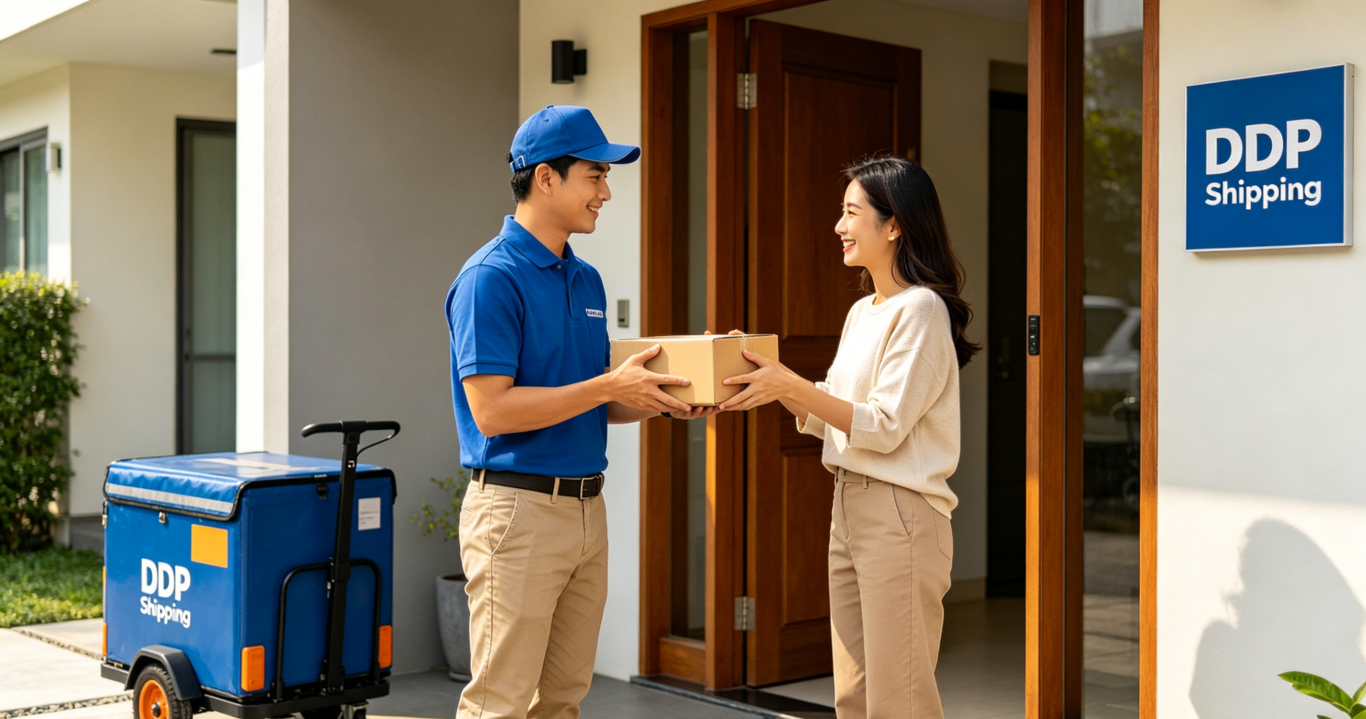
DDP shipping is a door-to-door service that includes full process operation from cargo pickup, export and import customs clearance, documentation, prepaid duties and VAT, to final delivery. It’s suitable for first-time importers, e-commerce sellers, and SMEs. But importers need to request a detailed service coverage from freight forwarders.
What Is the Cheapest Way to Ship from China to Thailand?

Express freight from China to Thailand costs $0.8–$3.0 /kg, and air freight costs $3–$5/kg. Sea freight LCL from China to Thailand costs $0.2–$0.8 /kg, while sea freight FCL costs 400-800 USD depending on different containers. Truck freight from China to Thailand costs $1.5–$4/kg.
There is no absolute “best cheapest option” for all situations when you ship from China to Thailand, but different shipping methods are more cost-effective under different conditions.
Remark: Following prices of general goods with standard packaging are only for your reference in June, 2026. If your goods contain batteries, magnetic, powder, irregular package and branded products, contact us for a more accurate quotation with your cargo type, quantity, weight and package type.
| Shipping Method | Reference Unit Price | Pricing Basis |
|---|---|---|
| Express | $0.8–$3.0 /kg | by Chargeable Weight |
| Air Freight | $3–$5/kg | by Chargeable Weight |
| Sea Freight LCL | $0.2–$0.8 /kg | by Chargeable Weight |
| Sea Freight FCL | $400-$800 | by Container |
| Truck Freight | $1.5–$4/kg | by Chargeable Weight |
How to Reduce Shipping Costs from China to Thailand?
Besides choosing the right shipping method, what else can reduce shipping costs? Freight costs fluctuate over time and they are affected by many factors. Importers should select an experienced freight forwarder and work closely with it to understand the market price tendency and find the right time to ship for the best rates. Following are some measurements to reduce shipping cost from China to Thailand.
Cargo Consolidation
Cargo consolidation combines all cargo into single shipment. It’s much more budget-friendly than shipping separately. This is especially useful for importers sourcing from platforms such as 1688, Taobao, or Pinduoduo and have multiple suppliers.
Optimize Packaging
Poor packaging will increase risk of cargo damage, cargo space utilization, and handling costs. Importers should confirm their freight forwarders or suppliers provide optimal packaging service to reduce cargo dimension and improve cargo security.
Plan Shipment in Advance
Last-minute shipments often lead to more expensive freight costs. Importers should plan their shipments ahead to avoid limited shipping options and pay additional charges. Early planning is particularly important during peak seasons.
Compare Freight Quotes
Freight costs provided by different freight forwarders may vary. Importers need to inquire several logistics solutions and compare their service coverage, stability and pricing. Then make the best decision.
Avoid Hidden Fees
Understanding all potential charges before shipping can significantly reduce unexpected costs. It’s recommended for importers to confirm what are included in the quotation and choose a freight forwarder who provide cost breakdown.
Are There Any Hidden Fees When Shipping from China to Thailand?

Besides the quoted freight rate, importers may encounter additional charges during the shipping process. Understanding these potential costs in advance can help you budget more accurately and avoid unexpected surprises. Following are some common hidden fees when shipping from China to Thailand
| Hidden Cost | When It Occurs |
|---|---|
| Consolidation Fee | When you have more than one supplier or several batches of cargo. |
| Repacking and Relabeling Fee | Cargo requires additional packaging or relabeling |
| Warehouse Storage Fee | Cargo is not cleared or collected on time |
| Fuel Surcharge | Airlines and shipping lines adjust rates based on fuel prices |
| Customs Clearance Fee | Charged by customs brokers for import clearance services |
| Demurrage and Detention Fee | Containers are not returned within the free period |
| Documentation Fee | Preparation of shipping documents and customs paperwork |
| Remote Area Surcharge | Delivery destination is outside major cities |
| Peak Season Surcharge | High-demand periods such as Chinese New Year and major shopping festivals |
| Port and Terminal Handling Fee | Charged by ports and terminals for cargo handling |
| Cargo Insurance | Optional insurance for loss or damage protection |
| Import Duty and VAT | Taxes imposed by Thai Customs on imported goods |
The lowest freight quote is not always the cheapest option. Importers need to calculate the total landed cost with all required service. Before shipment, importers should confirm service coverage with their freight forwarder to reduce the additional charges, which will cause shipment delay and bad customer experience.
How Long Does Shipping from China to Thailand Take?
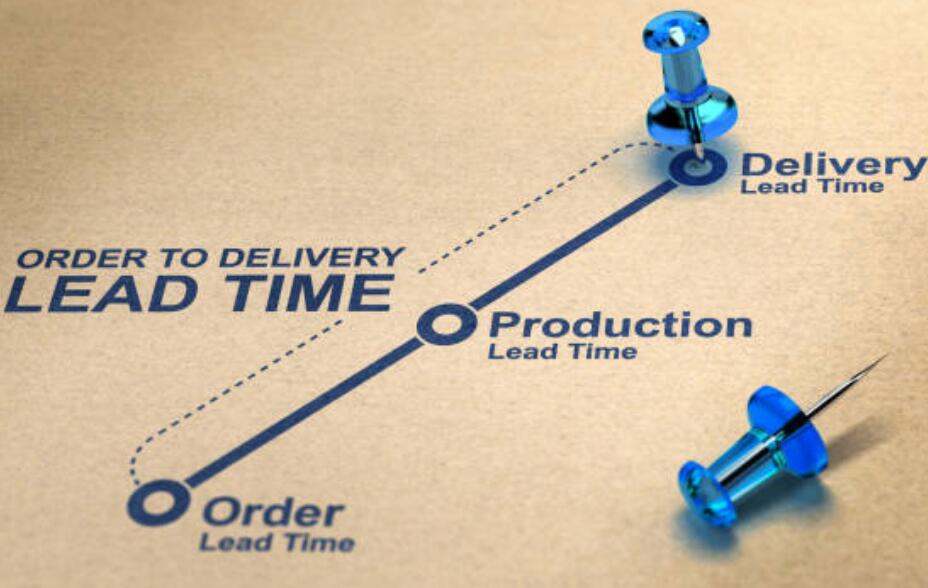
Express freight from China to Thailand takes 3-4 days, and air freight takes 2-3 days. Sea freight from China to Thailand takes 12-18 days, while truck freight takes 6-8 days.
Shipping time is one of the most important factors when choosing a shipping method from China to Thailand. Understanding the transit time of each shipping method can help importers balance cost and delivery efficiency.
| Shipping Method | Transit Time |
|---|---|
| Express Freight | 3-4 days |
| Air Freight | 2-3 days |
| Sea Freight | 12-18 days |
| Truck Freight | 6-8 days |
Why Are Shipments Delayed from China to Thailand?

Shipping delays from China to Thailand can occur due to various reasons related to customs, logistics operations, weather conditions, and seasonal demand. Understanding these factors can help importers better plan shipments and avoid unnecessary disruptions. Below are the most common causes of shipment delays.
Customs Clearance Delays
One of the most common reasons for shipping delays is customs inspection. Customs conducts random inspection on imported goods, but not on every batch of cargo. In most cases, customs inspection causes a delay of 1–5 days, but in more complex cases it can take longer.
Incorrect Shipping Documentation
Wrong shipping documents will result in shipment delay, penalties, cargo detention, and customs credit downgrade. Importers should prepare all the shipping documents early and confirm they are correct, consistent and compliant. If you don’t know how to prepare them, ask your freight forwarder for help.
Peak Seasons and Holidays
During peak seasons and holidays, logistics capacity becomes limited. This will lead to port congestion, labor shortage, and unstable transit time. So importers need to avoid peak season and holidays, or ship 2-4 weeks before to reduce shipment delays.
Weather and Force Majeure
Extreme weather and force majeure can’t be controlled by anybody. Typhoons, rainstorms, tsunami, tornado and earthquake, government restrictions, policy changes will all have a great impact on transit time. Importers can only to choose the most stable routes and buy insurance to prevent financial loss.
Schedule Cut-off Issue
Sometimes, shipment delays are caused by missing the cut-off time for vessel departure or flight departure. This usually happens when the cargo is not delivered to the warehouse, seaport, or airport before the carrier’s deadline. This problem is mainly due to delayed cargo preparation by suppliers, unprofessional coordination from freight forwarders, and inefficient communication in the destination country.
What Is the Shipping Process from China to Thailand?
Shipping process from China to Thailand mainly includes cargo pickup, export and import customs clearance, international transportation, payment of duties & VAT, and final delivery. Following is the standard workflow for importers.
Step 1: Cargo Pickup
When your goods are ready, the freight forwarder will arrange cargo collection from your suppliers. There are two ways: the freight forwarder picks up cargo directly from each supplier, or suppliers deliver goods to the freight forwarder’s designated warehouse in China.
Step 2: Export Customs Clearance in China
Importers need to prepare all the shipping documents early before export customs clearance. If you use a freight forwarder, they will usually handle it. You only need to confirm with the information and make sure all documents are correct.
Step 3: International Transportation
During the international transportation, freight forwarders will update the latest shipment status to importers.
Step 4: Import Customs Clearance in Thailand
When cargo arrives in Thailand, cargo should also go through customs clearance in Thailand. Customs may inspect the cargo to verify documentation and cargo compliance.
Step 5: Pay Duties & VAT
Under the DDP, duties and VAT are prepaid. Import duties and VAT are charged by Thai Customs based on cargo value, HS code, and import regulations.
Step 6: Final Delivery
Once duties and VAT done, cargo will be delivered to your doorstep. Importers can check goods condition before signing for delivery.
What Are the Main Shipping Routes from China to Thailand?
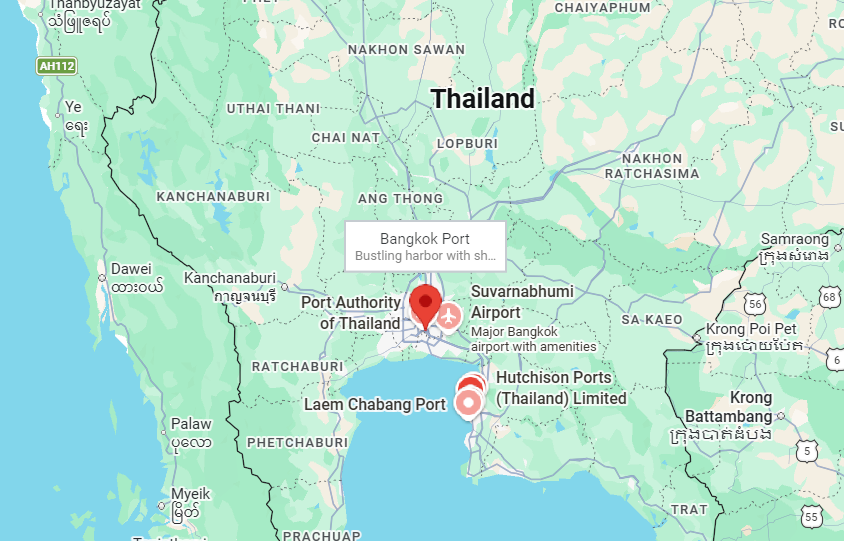
Shipping from China to Thailand mainly departs at Shenzhen, Guangzhou, Shanghai port to Laem Chabang and Bangkok port. Laem Chabang is the biggest and most advanced deep-sea port in Thailand serving almost all major sea freight routes from China. Meanwhile, Suvarnabhumi Airport (BKK) is the major air cargo logistics hub. Understanding the main routes from China to Thailand helps importers better manage the whole supply chain. Following are the main routes:
| Shipping Mode | Main Routes | Entry Points in Thailand | Key Characteristics |
|---|---|---|---|
| Sea Freight | Shenzhen / Guangzhou / Ningbo / Shanghai / Xiamen / Qingdao → Laem Chabang Port | Laem Chabang Port | Main and biggest deep-sea port in Thailand, handles most container imports |
| Sea Freight | Shenzhen / Guangzhou / Ningbo / Shanghai / Xiamen → Bangkok Port | Bangkok Port | Inland river port close to Bangkok city, but limited throughput |
| Sea Freight | Shenzhen / Guangzhou / Xiamen → Songkhla Port | Songkhla Port | Southern Thailand port, limited direct shipments from China |
| Air Freight | Guangzhou (CAN) / Shenzhen (SZX) / Shanghai (PVG) → Bangkok (BKK) | Suvarnabhumi Airport (BKK) | Main international air freight hub in Thailand, fastest and most stable air freight route |
| Air Freight | Guangzhou (CAN) / Shenzhen (SZX) / Shanghai (PVG) → Don Mueang (DMK) | Don Mueang Airport (DMK) | Secondary airport handling budget airlines and some cargo |
| Air Freight | Guangzhou (CAN) / Shenzhen (SZX) / Shanghai (PVG) → Chiang Mai (CNX) | Chiang Mai Airport (CNX) | Regional airport serving northern Thailand, limited international cargo capacity, mainly for regional distribution |
| Truck Freight | South China (Guangdong / Guangxi / Yunnan) → Laos → Thailand | Nong Khai Border / Mukdahan Border / Aranyaprathet Border | Cross-border land transportation via ASEAN corridor |
Which Incoterm Is Best for Shipping from China to Thailand?
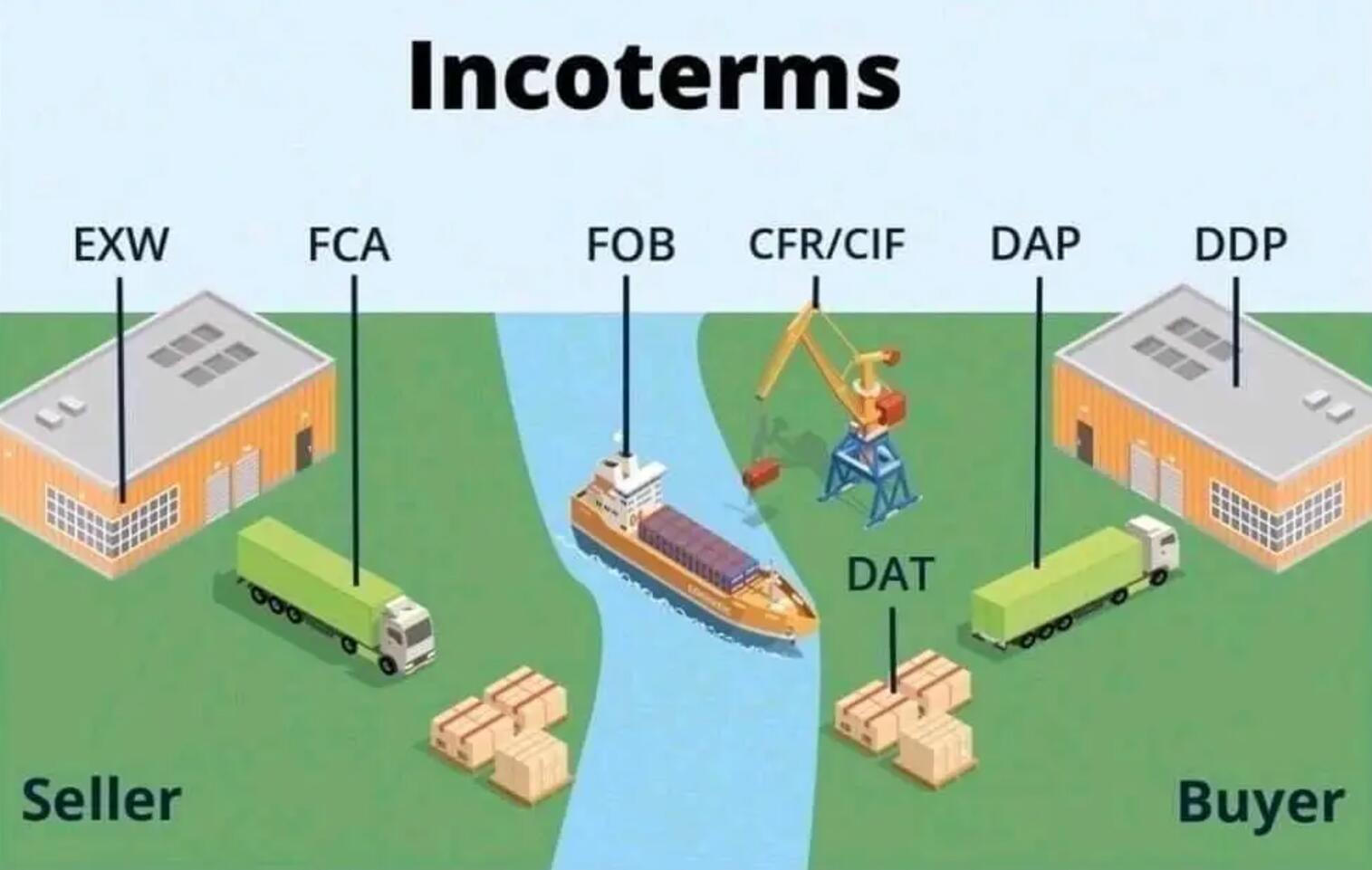
Choosing the right Incoterm is very important when shipping from China to Thailand, as it determines who is responsible for shipping costs, responsibility and risk during the transportation. The most common Incoterms include EXW, FOB, CIF, DAP, and DDP. They are suitable for different importers and business. Following are the comparison of them.
Note: In the international trade, Incoterm only defines the responsibility and risk between seller and buyer. The freight forwarder acts on behalf of either seller or buyer to handle the logistics.
| Aspect | EXW (Ex Works) | FOB (Free on Board) | CIF (Cost, Insurance, Freight) | DAP (Delivered At Place) | DDP (Delivered Duty Paid) |
|---|---|---|---|---|---|
| Cargo Pickup | Buyer | Seller | Seller | Seller | Seller |
| Export Customs in China | Buyer | Seller | Seller | Seller | Seller |
| International Freight | Buyer | Buyer | Seller | Seller | Seller |
| Import Customs Clearance in Thailand | Buyer | Buyer | Buyer | Buyer | Seller |
| Import Duties & VAT | Buyer | Buyer | Buyer | Buyer | Seller |
| Last-mile Delivery in Thailand | Buyer | Buyer | Buyer | Seller | Seller |
| Risk Transfer Point | At supplier warehouse | At loading port in China | At loading port in China | At destination country (before clearance) | At final delivery to buyer |
| Overall Risk for Buyer | Very High | High | Medium | Low | Very Low |
For the first-time importers, DDP is the most hassle-free term for them, as they only need to wait for the goods arrival. EXW and FOB are suitable for experienced importers who have regular shipment and trusted freight forwarders. Importers can choose the best Incoterm based on their experience, preference, risk control ability and cost management.
How Does DDP Shipping Work from China to Thailand?
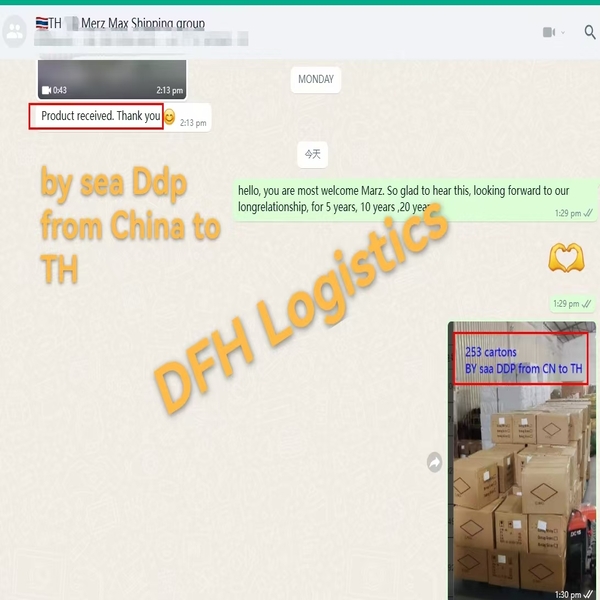
DDP shipping is becoming increasingly popular among importers because it provides an end-to-end logistics solution that simplifies the entire supply chain. From cargo pickup, customs clearance, prepaid duties & VAT and final delivery, the freight forwarder manages every stage of the full shipment. To better understand how DDP shipping works, let’s take DFH Logistics‘ comprehensive DDP service from China to Thailand as an example:
- Flexible Shipping Options: Available DDP air freight, DDP sea freight, DDP truck freight.
- Cargo Pickup: Collect goods directly from your suppliers in China and transport them to our warehouse, airport or seaport.
- Repacking & Relabeling: Optimize packaging and label to meet transportation and customs requirements.
- Consolidation: Combine goods from multiple suppliers into a single shipment to reduce shipping costs and simplify logistics management.
- Warehousing: Free 30 days storage.
- Cargo Inspection: Verify product quantity, product condition, labels, and packaging before shipment with photo and video recording.
- Customs Clearance: Handle clearance procedures in both China and Thailand to ensure smooth customs clearance.
- Prepaid Duties & VAT: Import duties and VAT are included in the DDP service.
- Cargo Insurance: Optional cargo insurance is available. If required, we can buy cargo insurance for importers at a discount rate.
- Documentation: Prepare required shipping documents.
- Final Delivery: Cargo will be delivered to your doorstep or any designated location.
- Shipment Tracking: Provide regular shipment updates and tracking information throughout the transportation process.
- Round-the-Clock Support: 24/7 instant customer service support for our clients via email, phone, wechat, whatsapp etc.
An experienced freight forwarder help importers simplify shipping process, save costs and enhance shipment security. It lets importers focus on their business and without worrying about cargo transportation. And DDP shipping provides an all-inclusive price, which help importers calculate the total landed costs more accurately. DDP shipping is also the most convenient methods for e-commerce sellers from Shopee, Lazada, and TikTok Shop.
What Documents Are Required to Ship from China to Thailand?
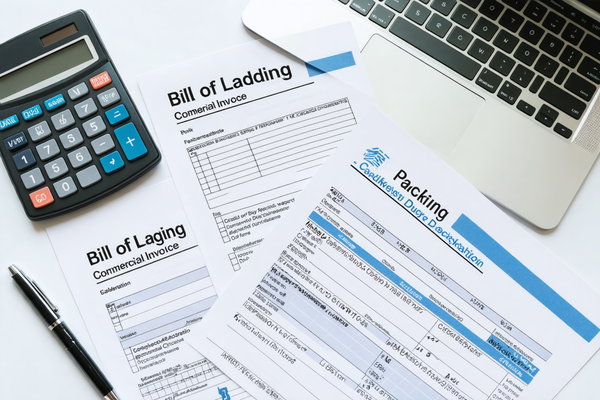
Correct and consistent documentation is essential for smooth customs clearance when shipping from China to Thailand. Missing or wrong documents may result in customs delays, additional charges, or cargo holds. Importers need to understand what are included in each document or work with a professional freight forwarder who can deal with paperwork. Following are the typical shipping documents:
1. Commercial Invoice
Commercial invoice contains detailed information about buyer, seller, HS code, product name, product description, cargo value(unit price & total price), product quantity, currency, and origin of country. It’s used to evaluate duties and VAT.
2. Packing List
Packing list shows the cargo weight, dimension, and packaging type. It’s used to verify cargo for multiple parties and also the main documents to evaluate the freight costs.
3. Bill of Lading (B/L) / Air Waybill (AWB)
Bill of Lading (B/L) is a proof of ownership and shipment contract for sea freight, while Air Waybill (AWB) serves as transportation document for air freight. They are normally provide by carriers.
4. Certificate of Origin (CO)
It certifies that the goods originate from China. For eligible products, importers may use Form E (ACFTA) or Form RCEP to claim preferential tariff treatment when importing into Thailand.
5. Declaration Elements
Declaration Elements are required for some types of product, such as batteries, LED lights, gearboxes, motors, and electronics to further clarify their models, functions, brands, specifications, etc.
6. Other Permits and Certificates
For some special products such as food, cosmetics, medical devices and batteries, they may require additional permits and certifications to clear customs and market access.
Different types of product required different shipping documents. Importers can consult with suppliers and freight forwarders to know the full required shipping documents.
What Products Are Commonly Imported from China to Thailand?
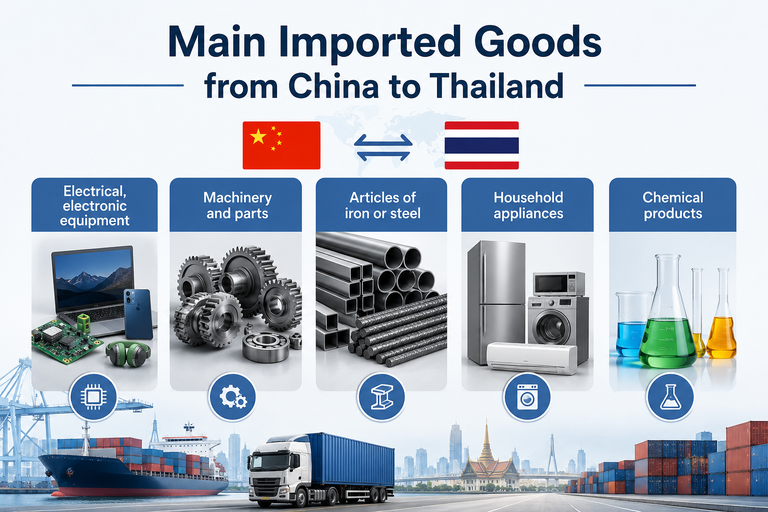
China is Thailand’s largest trading partner, and Thailand is one of China’s key trading partners among ASEAN countries. In 2025, bilateral trade reached USD 153.26 billion, up 14.4% year-on-year. Of this, China’s exports to Thailand totaled USD 103.5 billion, an increase of 20.3%, while imports from Thailand reached USD 49.76 billion, up 3.9%. Knowing the top imports from China to Thailand helps importers understand market tendency and business opportunity. Following are the main imports from China to Thailand:
- Electrical, electronic equipment
- Machinery and parts
- Articles of iron or steel
- Household appliances
- Chemical products
What Products Cannot Be Imported into Thailand?
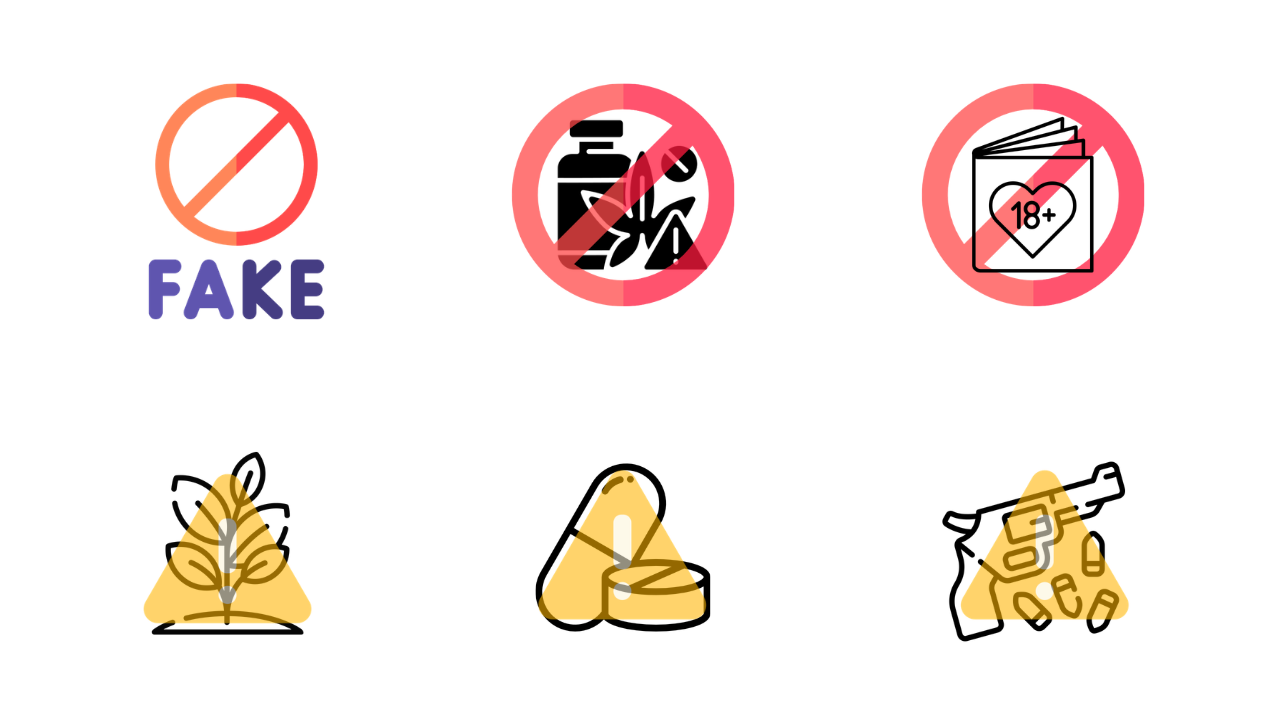
It’s crucial for importers to know what kinds of products are prohibited and restricted before importing goods from China to Thailand. Before shipment, importers can consult with their freight forwarders and suppliers to verify if products can be imported into Thailand, or check the Thailand Official Customs.
Prohibited Goods in Thailand
Prohibited goods are not allowed to be imported into or exported out of Thailand.
- Narcotics
- Pornographic materials
- Counterfeit trademark goods and IPR infringing goods
- Fake notes or coins
- Reserved animals or CITES-listed wildlife
Restricted Goods in Thailand
Restricted goods can be imported with required permits from related government agencies.
- Religious Artifacts & Antiques
- Firearms & Explosives
- Plants & Agricultural Products
- Live Animals & Animal Products
- Food & Beverages
- Medicines & Pharmaceuticals
- Cosmetics
- Vehicle Parts
- Tobacco & Alcohol
- Wireless & Telecommunication Equipment
Why Is Cargo Insurance Important When Shipping from China to Thailand?
Cargo insurance plays an important role in protecting importers from financial losses during international shipping from China to Thailand. Although shipping routes between China and Thailand are relatively stable, unexpected risks can still occur during transportation.
Cargo insurance mainly covers cargo damage, loss, theft, natural disasters, and accidents. Importers should consider cargo insurance when:
- Cargo value is high
- Goods are fragile or sensitive
- Shipping by sea freight (long transit time)
- First-time importing without logistics experience
- Work with new freight forwarder
- Unstable weather condition
What Are Common Customs Clearance Problems in Thailand?
Importers may be worried about customs clearance problems when shipping from China to Thailand. Common problems include undeclared value, customs inspection, incorrect and incomplete documents. Following are the explanation and tips to avoid these issues.
Under-declared Value
It’s risky to declare lower value to reduce tax. Customs will verify the cargo value and require importers to provide payment proof to determine whether under-declaration has occurred. So it’s recommended to comply with customs regulation.
Customs Inspection
Customs not only conducts random inspection on imported cargo, but also executes inspection on special, sensitive and dangerous cargo. Bad customs history record may also lead to customs inspection. Importers need to make sure their goods are allowed to be imported in Thailand, prepare all required permits and certificates, and don’t leave customs violation record.
Incorrect Documents
Wrong HS code, product description, currency and other information will cause customs delay. Under some serious situations, it may result in cargo holds and penalties. Importers need to confirm shipping documents and make sure they are correct.
Incomplete Documents
Certain goods require special approvals, permits or certificates before import. If you can’t provide required documents, shipments may be delayed, inspected, fined, or even returned or confiscated depending on the severity of the case. Before shipment, importers should confirm with suppliers and freight forwarder if they have complete approvals, permits and certificates for customs clearance and market access.
Do I Need to Pay Import Duty and VAT When Importing from China to Thailand?
Importers shipping from China to Thailand usually need to pay import duty and VAT, but the exact amount depends on cargo value, HS code, and trade agreements. When importers calculate total landed cost, don’t forget to add import duties and VAT.
- Import Duties: ranging from 0% to 80% depending on specific HS code and protection policy.
- VAT(Value Added Tax): Standard rate of 7% on imported goods.
- Excise Tax: it applies on specific products, such as vehicles, alcohol, and Tobacco, ranging from 0-42%.
Can I Ship Goods from Taobao or Pinduoduo to Thailand?
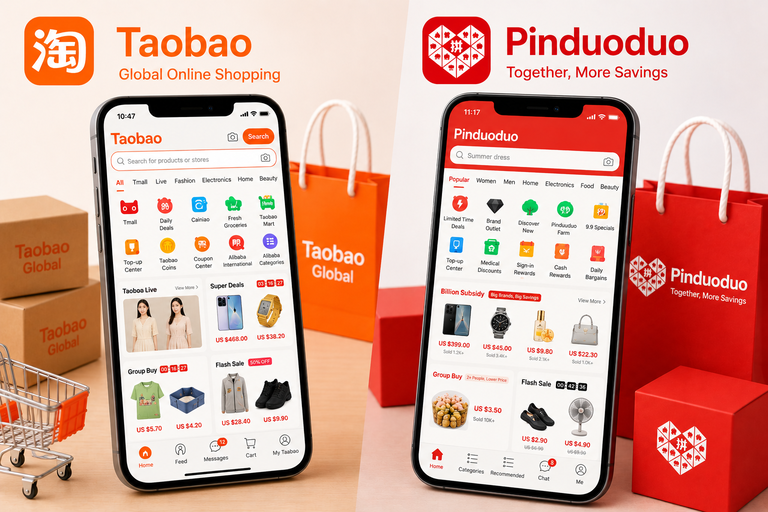
Yes, it’s feasible to ship your goods from Taobao and Pinduoduo to Thailand. Taobao is a China domestics e-commerce platform with international logistics support, but it provides limited shipping options and customized services. Pinduoduo is also a China domestics e-commerce platform but it doesn’t provide international logistics service. With more and more importers sourcing from China domestics e-commerce platform, freight forwarders are very familiar with the shipping process. Importers can check the guide on Shipping from Taobao for more information.
How to Choose a Reliable Freight Forwarder from China to Thailand?
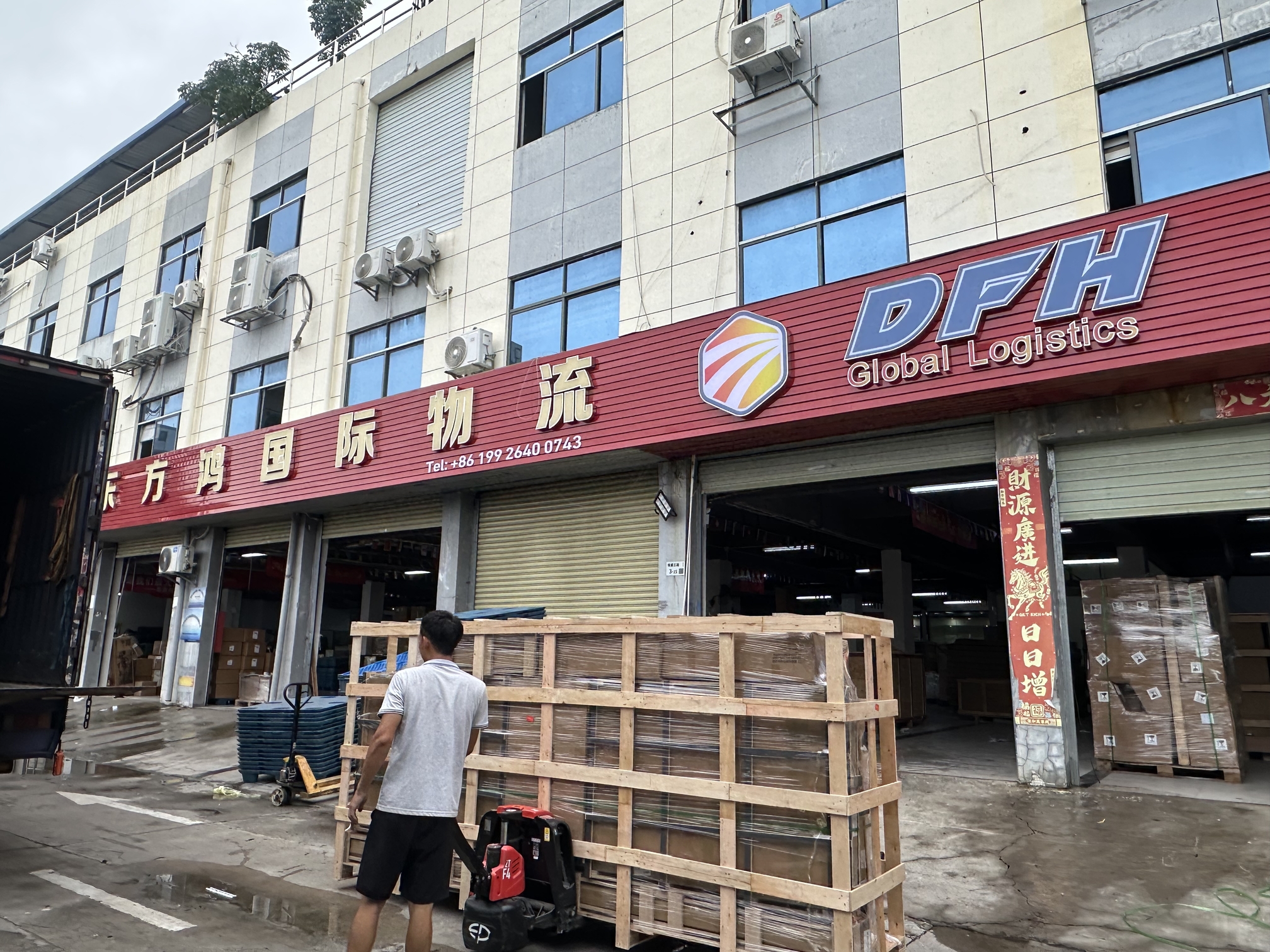
Choosing a reliable freight forwarder is the most important thing of shipping from China to Thailand. Importers often don’t know how to evaluate a freight forwarder. Below are the key factors importers should consider. Or you can directly check this article to find out the best freight forwarder: Top 6 Freight Forwarders China to Thailand 2026.
- Experience in China–Thailand Shipping: Different countries have different rules and regulations. Experience in this specific route reduces potential risks and shipment delays. Choose an experienced freight forwarder can also reduce shipping cost.
- Service Coverage: Reliable freight forwarder provides comprehensive customized service like consolidation, repacking, relabeling and so on. This helps enhance shipment safety and reduce total landed cost.
- Online Review: Freight forwarders will always tell you they are the best. Importers can check customer feedback about a freight forwarder on Reddit, Linkedin, and Trustpilot to know the real review and true customer experience.
Why Choose DFH Logistics for Shipping from China to Thailand?
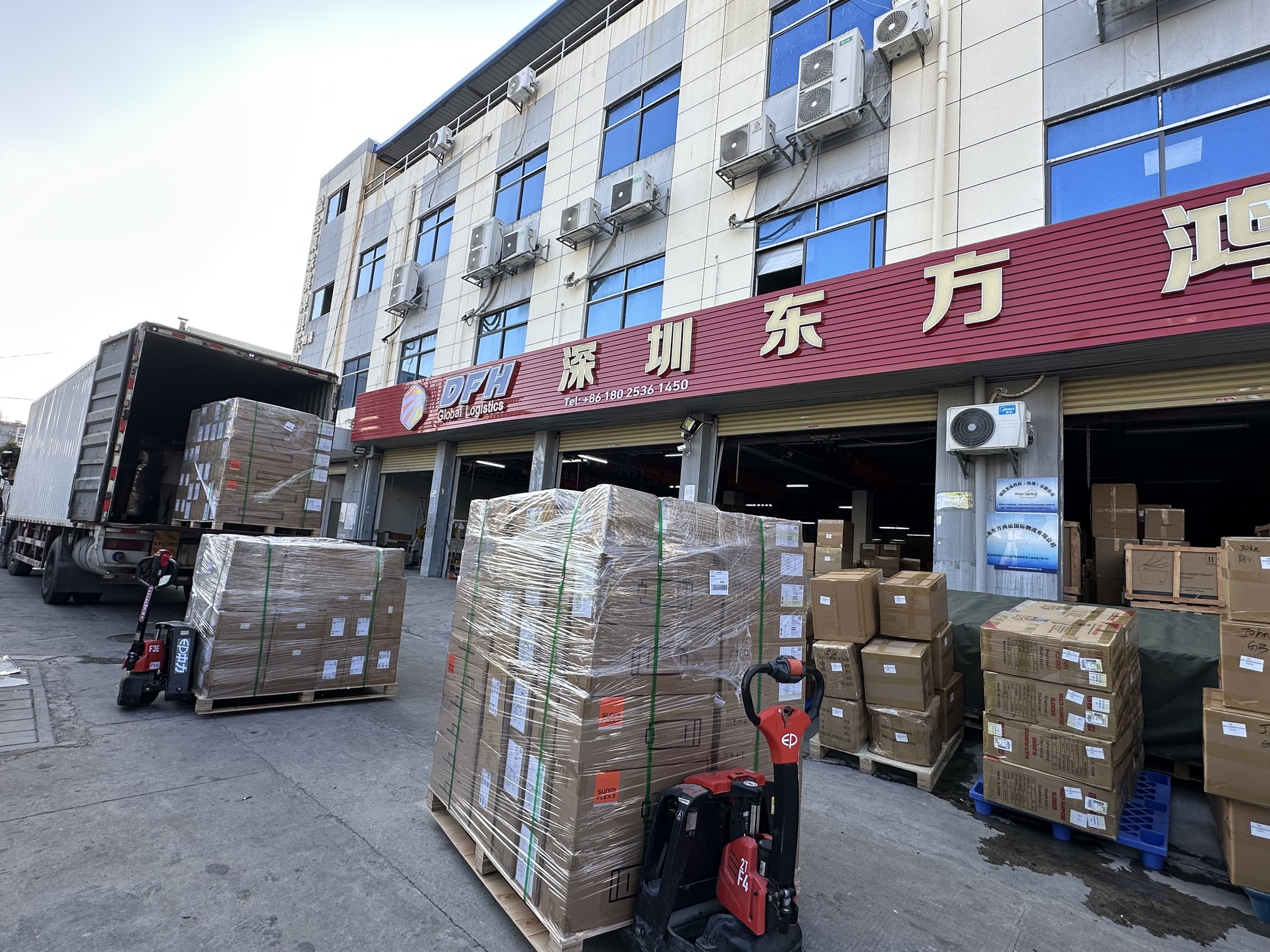
DFH Logistics is a China-based freight forwarder specializing in end-to-end international shipping solutions from China to worldwide with more than 13 years of experience. We provide integrated logistics services including air freight, sea freight, truck freight, and DDP shipping from China to Thailand. Following are the main reason why you should choose us.
Competitive Price
DFH Logistics has established long-term partnership with global shipping lines, airlines and couriers. This enables us to provide competitive price and affordable logistics solutions for more clients. Importers can get detail cost breakdown from us and don’t worry about hidden fees. What’s more, our professionals care about clients and will inform freight cost fluctuation ahead to help them better arrange supply chain.
Strong Operational Capability
With rich experience in international logistics, we have strong operation power. This helps us offer stable shipping routes, guaranteed space allocation, reliable transit time even during peak seasons.
24/7 Customer Support
Our professionals provide fast response and high efficient communication for clients. Whether for inquiry, quotation, consultation, shipment status and urgent situations, we support instant customer service.
Final Thoughts
Shipping from China to Thailand is not just about choosing a transportation method, but about managing the entire logistics process efficiently, including cost control, delivery time and risk management. Whether you are an e-commerce seller, SME, or wholesale importer, working with a trustworthy freight forwarder like DFH Logistics helps you achieve stable business growth and success. Contact us today to get a tailored logistics solution for your China to Thailand shipment.