
Shipping from China to the USA during peak season is not just more expensive — it is structurally different from off-season shipping. Space becomes scarce, schedules lose reliability, and mistakes that are tolerable in normal months can cause weeks of delay or serious cash-flow damage. The good news is that peak season is predictable. Importers who understand when it happens, why it hurts, and how to prepare can still ship on time and protect margins. This guide breaks down peak season from a real operator’s perspective and gives you clear, executable steps to follow.
I’m Penny, co-founder of DFH Logistics. Over the last 12+ years, I’ve worked through every type of China–USA peak season: container shortages, COVID-era congestion, labor disruptions, carrier blank sailings, and sudden rate spikes. What you’re about to read is not theory — it’s exactly how experienced importers survive peak season year after year.
What Exactly Is “Peak Season” in China–USA Shipping?

Peak season is the period when cargo demand from China exceeds the physical capacity of vessels, aircraft, ports, trucking, and warehouses serving the U.S. market.
This imbalance creates a chain reaction:
- Carriers prioritize contracted cargo over spot bookings
- Space confirmations become conditional rather than guaranteed
- Freight rates move quickly and unpredictably
- Transit times extend beyond carrier schedules
Peak season is not caused by forwarders “raising prices.” It is caused by too much cargo chasing too little capacity across the entire supply chain.
For importers, peak season changes the rules:
- Speed costs more
- Cheap quotes become unreliable
- Planning replaces negotiation as the key skill
If you treat peak season like normal shipping, you lose control.
When Is Peak Season for Shipping from China to the USA?
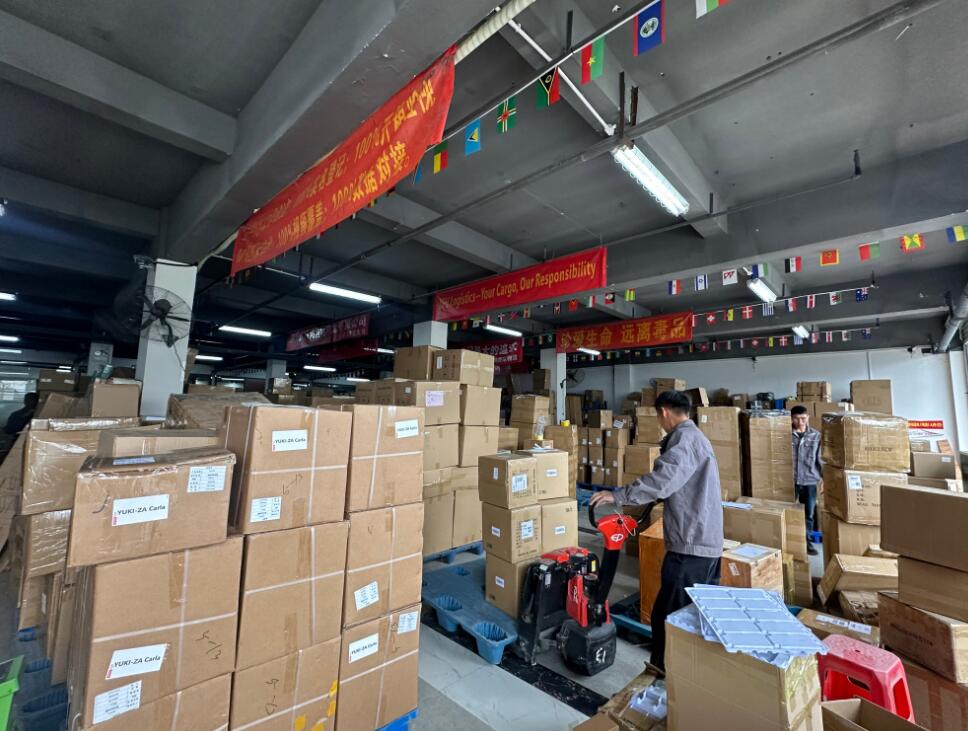
China–USA peak season follows a clear annual pattern tied to retail cycles and factory production behavior.
August to October: Retail and Holiday Inventory Surge
This is the most intense peak period.
- U.S. retailers prepare for Black Friday and Christmas
- Amazon sellers rush Q4 inventory
- Sea freight capacity tightens rapidly
What importers feel:
- Container space disappears first
- LCL consolidations slow down
- Rates climb week by week
November to January: Pre–Chinese New Year Rush
Factories try to ship everything before shutdown.
- Suppliers push to close orders
- Importers rush to avoid production gaps
- Air freight demand spikes sharply
This period is especially dangerous for last-minute shipments, especially for those relying on DDP shipping from China to the USA without early booking.
One Week Before Labor Day (May 1)
Labor Day is a nationwide holiday in China, and many factories and warehouses stop or slow operations.
- Suppliers rush to ship before the holiday
- Export warehouses receive concentrated volumes
- Space tightens suddenly, especially for LCL and FCL
If you wait until the last minute, you will either miss the cutoff or pay a premium.
One Week Before Dragon Boat Festival
The Dragon Boat Festival is shorter, but the impact is real.
- Factories try to clear shipments before closure
- Trucking and export customs become congested
- Sailing schedules around the holiday are limited
This is a classic “small peak” that inexperienced importers often overlook.
One Week Before Mid-Autumn Festival
Mid-Autumn Festival often overlaps with National Day or sits very close to it.
- Production and logistics accelerate right before the break
- Space tightens quickly for a short window
- Rollovers increase if booking is late
I’ve seen many shipments delayed simply because this holiday was ignored in planning.
My practical advice:
I treat every major Chinese holiday as a mini peak season.
If your cargo is planned to ship within 7–10 days before any national holiday, you should:
- Book earlier than usual
- Avoid last-minute changes
- Confirm cut-off times with your forwarder in advance
These short holiday peaks don’t make headlines, but they cause real delays and cost increases every year if you don’t plan for them.
Real Pain Points Importers Face During Peak Season (From Daily Operations)
Most peak-season problems are not surprises. They repeat every year.
Here are the real pain points I see most often:
1. Cargo Is Ready, but No Space Is Available
Factories finish production, but vessels are fully booked.
Importers then face:
- Waiting 1–3 extra weeks
- Paying premium surcharges
- Switching to air freight from China to the USA unexpectedly
2. Bookings Are Rolled After Confirmation
A booking confirmation during peak season is not a guarantee.
- Carriers roll lower-priority cargo
- ETDs shift without notice
- Inventory plans collapse
3. Freight Costs Break the Original Budget
Rates increase after planning.
- Spot quotes expire quickly
- Additional surcharges appear
- Cash flow becomes strained
4. Delivery Dates Become Unreliable
Even after arrival:
- Ports are congested
- Truck appointments are delayed
- Warehouses face labor shortages
Peak season doesn’t just delay shipments — it breaks assumptions.
Why Shipping Costs Increase So Sharply During Peak Season
Peak-season pricing is driven by capacity scarcity, not negotiation power.
Key cost drivers include:
- Limited vessel space allocated to contract shippers
- Reduced availability of empty containers in China
- Higher fuel and repositioning costs
- Increased trucking and rail congestion in the USA
What this means for importers:
- Sea freight is still cheapest, but less predictable
- Air freight becomes expensive fastest
- Ultra-cheap quotes almost always exclude something critical
During peak season, cost control comes from choosing the right method, not chasing the lowest rate.
How Each Shipping Method Performs During Peak Season

Peak season exposes the weaknesses of each shipping method.
LCL Sea Freight
- Most vulnerable to delays
- Dependent on consolidation schedules
- High risk of rollovers
Best for: flexible timelines and cost-sensitive cargo
FCL Sea Freight
- Better schedule control
- Container availability is the key risk
Best for: larger, planned shipments, especially when using sea freight from China to the USA with early booking.
DDP Door-to-Door Shipping
- Simplifies customs and delivery
- Shifts coordination risk to one party
Best for: importers without in-house logistics teams
Air Freight / Express
- Most reliable for timing
- Highest cost volatility
Best for: urgent, high-margin goods
Peak season is when mixed strategies outperform single-method planning.
When Should You Start Planning Peak Season Shipments?
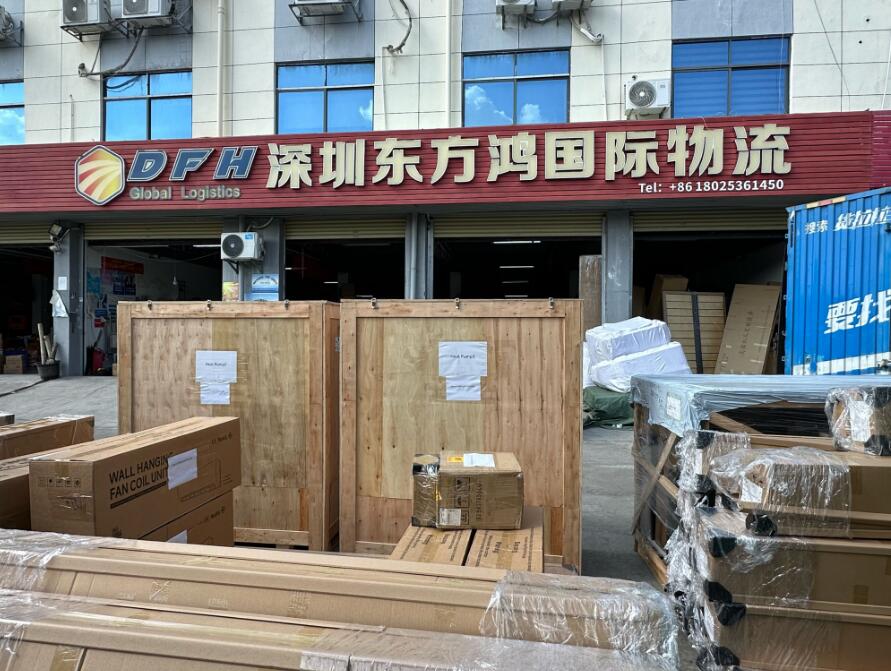
Peak season success starts months before cargo is ready.
Recommended planning timeline:
- 8–10 weeks before shipment: forecast inventory needs
- 6 weeks before: confirm shipping method and routing
- 4–5 weeks before: secure sea freight space
- 2–3 weeks before: prepare air freight backup
If you start planning when the factory says “ready,” you are already late.
How to Actively Reduce Delays and Space Risks During Peak Season
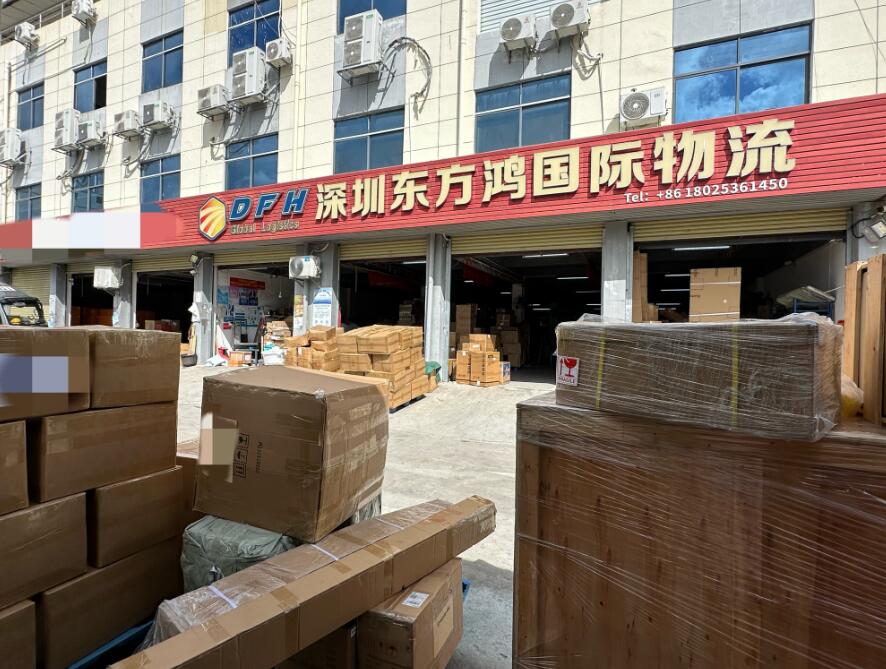
You cannot eliminate peak-season risk, but you can manage it.
Actionable steps:
- Lock in shipping windows with your supplier early
- Avoid last-minute cargo changes
- Prepare documents and HS codes before booking
- Accept flexible ETDs when possible
- Consider alternative ports or split shipments
Importers who plan multiple options always outperform those relying on a single route.
Is DDP Shipping the Right Choice During Peak Season?
DDP shipping often reduces complexity during peak season, but only when executed properly.
Benefits during peak season:
- Customs clearance planned in advance
- Duties and taxes included upfront
- Delivery capacity reserved early
- One accountable party
However, DDP only works if the forwarder controls:
- U.S. customs clearance
- Inland delivery capacity
- Communication end to end
Otherwise, risks simply surface later.
How Experienced Importers Actually Manage Peak Season

After working with importers for more than a decade, I’ve learned that the ones who get through peak season smoothly are not smarter or luckier — they are simply more deliberate.
Here is what experienced importers consistently do differently:
They plan shipping around sales commitments, not production completion
They start from their required delivery date in the U.S. and work backward, locking shipping windows long before the factory says the goods are ready.They avoid putting all inventory on one shipment
By splitting cargo across multiple sailings or combining sea and air, they reduce the risk of a single delay wiping out their entire plan.They pay for certainty, not just for transport
A slightly higher rate that includes secured space, stable routing, and clear accountability is far cheaper than last-minute changes or emergency air freight.They stay in regular operational contact
Weekly communication with suppliers and forwarders allows early adjustments when schedules, volumes, or documentation change.They manage peak season like a timeline, not a transaction
Booking cutoffs, document deadlines, sailing dates, customs clearance, and final delivery are tracked step by step, not handled casually.
This is how experienced importers turn peak season from a stressful gamble into a controlled process — not by eliminating risk, but by planning for it early and managing it actively.
The Most Costly Peak Season Mistakes to Avoid
Almost every serious peak-season problem I’ve dealt with can be traced back to a few very specific decisions — or the lack of them.
Here are the mistakes that consistently cause the most damage:
Booking only after the cargo is fully ready
By the time production is finished, peak-season space is often gone. This forces importers into delays or expensive last-minute alternatives.Assuming transit times will stay “normal”
Peak season breaks schedules. Treating carrier ETAs as guarantees leads to missed delivery windows and broken sales plans.Choosing the lowest quote without understanding the risk
Cheap peak-season pricing often means unsecured space, weak routing, or hidden exclusions that surface later.Depending on a single shipping method or route
When that option fails — and during peak season it often does — there is no fallback, only damage control.Making changes after booking
Last-minute volume, carton, or documentation changes push shipments to the bottom of the priority list during peak season.
Peak season doesn’t punish bad luck.
It punishes delayed decisions and unprepared plans.
Conclusion
Peak season shipping from China to the USA is not about finding shortcuts — it’s about planning earlier, choosing realistic options, and managing risk deliberately. When you treat peak season as a logistics project instead of a last-minute task, delays and cost overruns become manageable, not catastrophic.
If you want to plan your next peak-season shipment with clearer timelines and fewer surprises, contact us today.