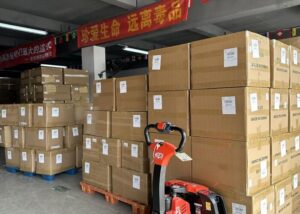

To avoid delays when shipping from China before Chinese New Year, plan 6–8 weeks ahead, confirm real factory shutdown dates, and reserve logistics capacity early. Prioritize urgent cargo, split non-essential shipments, and double-check documentation to prevent clearance issues. Stay flexible with alternative ports and routes, track milestones daily, and escalate quickly when bookings are at risk. With structured planning and proactive coordination, most CNY delays can be anticipated — and avoided.
Chinese New Year is not a one-week event. Its impact begins 2–3 weeks before the holiday and may take another 1–2 weeks to normalize afterward. With the right structure, you can keep inventory moving while others are still waiting.
Below is a deep, practical framework you can follow.
Understand Why Delays Happen Before Chinese New Year

Most CNY delays occur at four specific points: production completion, warehouse cut-off, space allocation, and customs review. When you identify risks at each stage early, you remove surprises later.
Typical pressure points I see every year:
- Production slows before workers leave.
- Trucking lead times extend.
- Warehouse receiving windows shorten.
- Carriers roll low-priority bookings.
- Customs clears fewer shipments per day.
Build a simple “risk sheet” for each shipment:
| Step | Deadline | Risk to Watch | Backup |
|---|---|---|---|
| Production finished | ___ | Component delays | Partial shipment |
| Truck booked | ___ | Driver shortage | Secondary carrier |
| Space confirmed | ___ | Rollover | Alternate port |
| Docs checked | ___ | HS mismatch | Manual review |
Confirm Real Supplier Shutdown Schedules
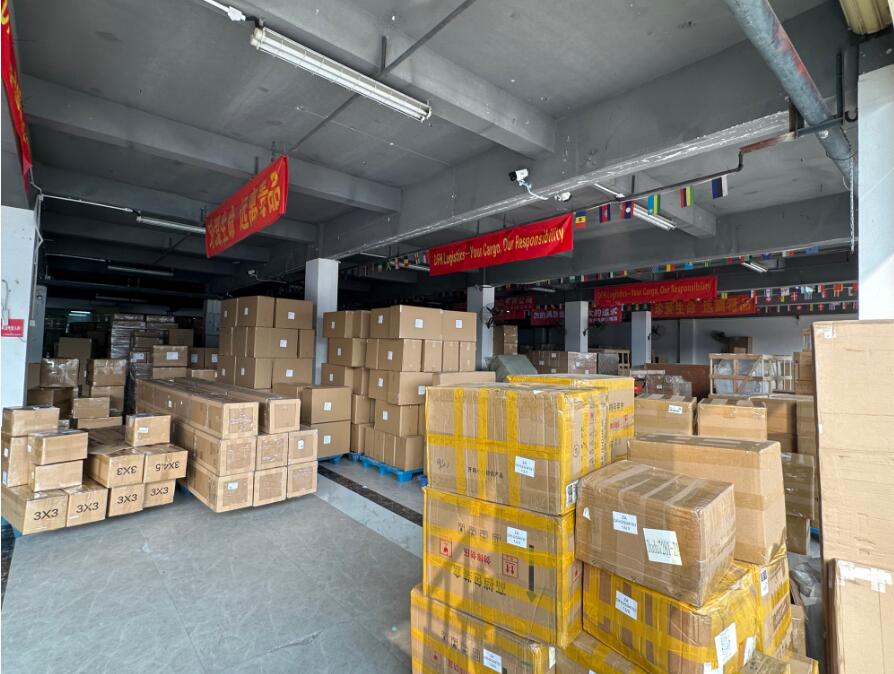
Public holiday calendars rarely match factory reality. Different teams stop earlier, and the loading dock may close days before the “official” last day.
Always request written confirmation of:
- Last production day
- Cargo Ready Date
- Final QC schedule
- Warehouse receiving cut-off
- Re-opening dates by department
Many delays happen because goods are “ready,” yet cannot enter the warehouse in time. When multiple suppliers are involved, synchronizing calendars becomes even more critical.
If coordination feels heavy, our team can handle supplier follow-ups and timeline control through our consolidation support service: China warehousing and consolidation.
Reserve Logistics Capacity Before Peak Hits

Space becomes the scarcest resource before Chinese New Year. Securing it early prevents rollovers and last-minute rate spikes.
Practical booking windows that work:
- FCL: 2–3 weeks ahead
- LCL: 1–2 weeks ahead
- Air freight: 5–10 weeks ahead
- Rail to EU: 2–3 weeks ahead
Operational habits that protect you:
- Book space before production finishes.
- Reconfirm weekly as CRD approaches.
- Keep a backup route ready.
- Approve faster channels for critical SKUs earlier.
For clients shipping door-to-door, we often lock lanes and fine-tune routing as cargo readiness becomes firm: door-to-door shipping from China.
Split Shipments by Priority
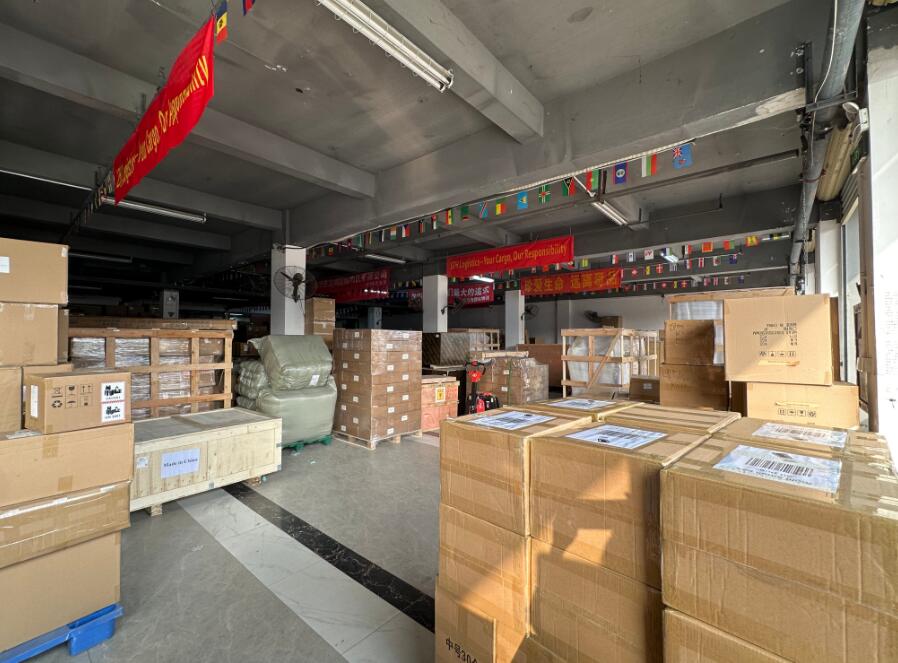
Not all cargo needs to fight for peak-season space. Segment shipments so essential inventory moves first, while lower-priority items follow later.
Decision rule I use with clients:
- Revenue-critical or contractual items: ship early or faster.
- Non-urgent stock: schedule on economical post-holiday channels.
Ask suppliers to pack by priority levels. This allows you to dispatch urgent cartons immediately instead of holding everything for one load.
To compare transport modes clearly, review: Air Freight And Sea Freight.
Eliminate Documentation Problems Before Shipping

During CNY, administrative delays sometimes last longer than logistics delays. A small paperwork mistake can stall your shipment for weeks.
Audit carefully:
- HS code accuracy and product description
- Declared value alignment
- Packing list weights and dimensions
- Certifications (batteries, electronics, food, etc.)
- Consignee tax or importer numbers
We run pre-clearance reviews to catch issues while cargo is still at the warehouse, not after loading.
For importers who want extra customs assurance: customs clearance preparation and support.
Use Alternative Routing When Main Hubs Get Congested

Primary ports and airports absorb most of the pressure. Secondary gateways often move faster.
Practical options:
- Ship via alternative ports when main hubs are overbooked.
- Fly cargo into less congested airports, then truck final-mile.
- Use rail or multimodal for European lanes.
- Apply transshipment strategies when direct routes are saturated.
Ask for multiple routing proposals, not just one quote. Flexibility is often the fastest path.
Manage Consolidation with Firm Cut-Offs
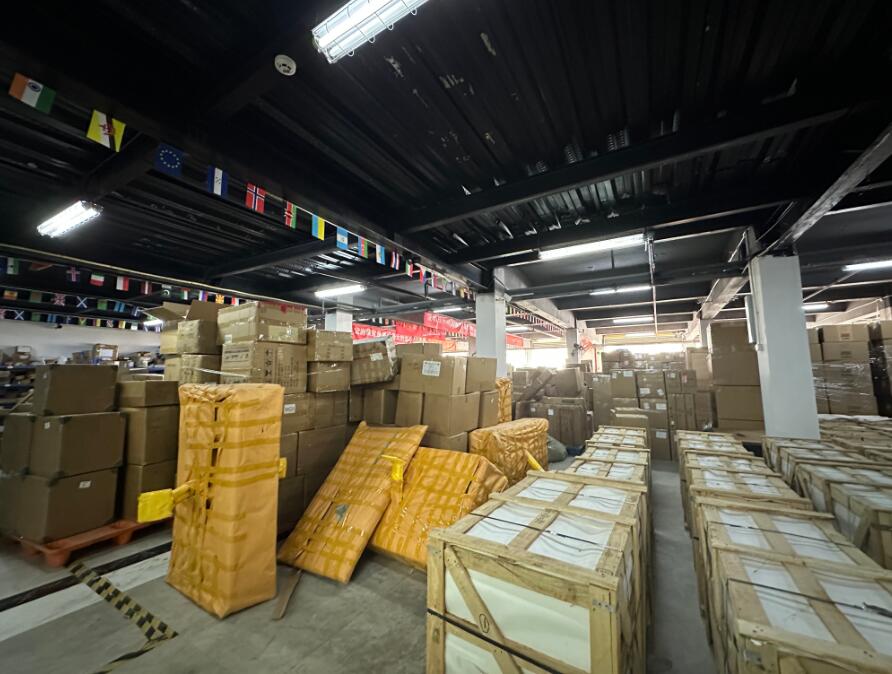
Consolidation saves money — but during CNY, one late supplier should not delay everyone else.
Operational approach I recommend:
- Announce consolidation deadlines clearly.
- Ship ready goods in waves.
- Move late cartons to the next sailing.
- Keep real-time warehouse visibility.
With disciplined cut-offs, you balance cost efficiency with delivery reliability.
Track Actively and Escalate Quickly
Passive waiting is risky during holiday peaks. Daily milestone tracking prevents small problems from becoming multi-week delays.
Monitor:
- Pick-up confirmation
- Warehouse receiving
- Booking status
- Export clearance
- Departure confirmation
- Arrival and customs status
Create escalation triggers — for example, review alternatives if a scheduled departure has not been confirmed within 24 hours.
Frequently Asked Questions (FAQs)

1. When should I start planning shipments before Chinese New Year?
Start preparation at least 6–8 weeks in advance, even if cargo is not yet ready. Early booking protects space and helps stabilize pricing during peak demand.
2. Why do shipments still get delayed even if my goods are “ready”?
Because other parts of the supply chain slow down as well — including warehouses, drivers, ports, and customs. Goods may be finished, but they cannot move forward without available logistics capacity.
3. Is air freight always faster during Chinese New Year?
Not necessarily. Air capacity becomes extremely tight. In many cases, multimodal routes or alternative airports can deliver faster than standard air freight lanes.
4. Should I hold everything and ship after the holiday?
Avoid doing this if the inventory is revenue-critical. A better strategy is split-shipment planning — ship urgent cargo now and schedule non-urgent items after the holiday.
5. How long does it take for logistics to normalize after Chinese New Year?
Typically 1–2 weeks, although some categories may experience backlog effects for longer depending on product type and destination.
Prepare for Post-Holiday Recovery
Operations restart gradually after Chinese New Year. Backlogs take time to clear.
Plan ahead by:
- Adding buffer days to customer delivery promises.
- Prioritizing your first post-holiday shipments.
- Keeping close communication until production stabilizes.
Companies that plan for both the slowdown and recovery cycle outperform competitors who only prepare for the shutdown period.
Final Thoughts
Chinese New Year logistics is predictable when managed correctly. If you map risks early, secure capacity, separate urgent cargo, control documentation, stay flexible on routing, and track shipments actively, your supply chain keeps moving while others struggle.
We designed our DFH Logistics process around exactly these principles because they consistently work in real shipping environments — not just theory.
If you’re preparing shipments before Chinese New Year, I’m happy to walk through your product details, cargo ready date, and destinations, then design a customized plan with realistic timelines and backup options.