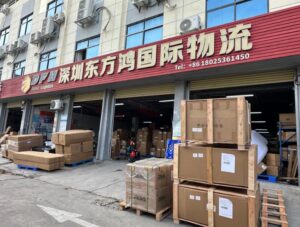
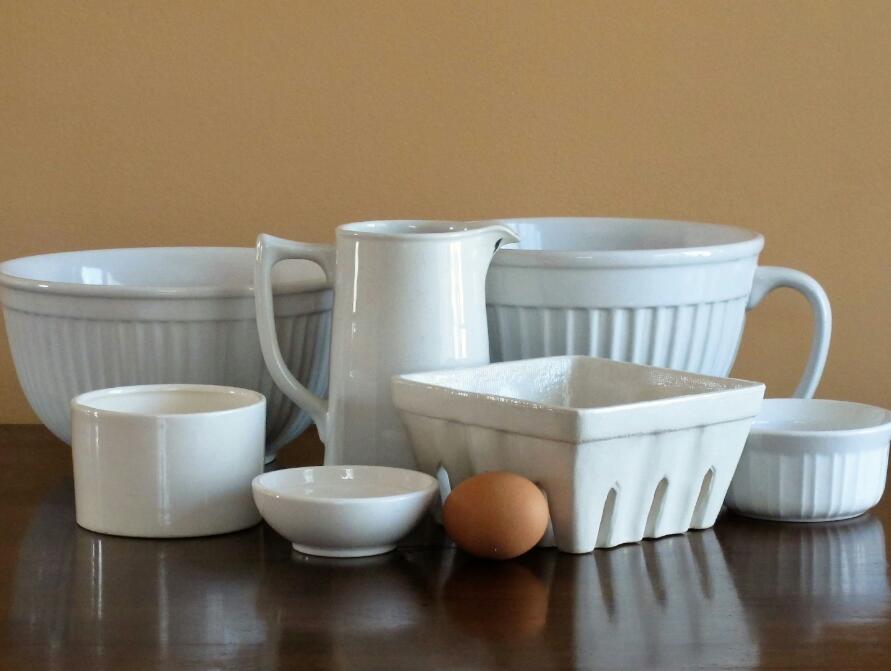
To ship kitchenware and tableware from China to the USA efficiently, choose the right shipping method (sea, air, or DDP), prepare accurate customs documents, use professional packaging for fragile goods, and secure cargo insurance to prevent loss or damage — ensuring safe, compliant, and cost-effective delivery to your U.S. destination.
Many importers underestimate how complicated this category can be. Fragile items like plates, glasses, and ceramics need extra protection; metal and plastic kitchenware have different customs codes; and food-contact products must meet FDA rules.
In this article, I’ll answer all key questions importers search for — shipping methods, required documents, customs duties, insurance, packaging, costs, and how to make the process faster and cheaper — so you can confidently import your next shipment without delays or damage.
Why Is Shipping Kitchenware and Tableware from China So Complicated?
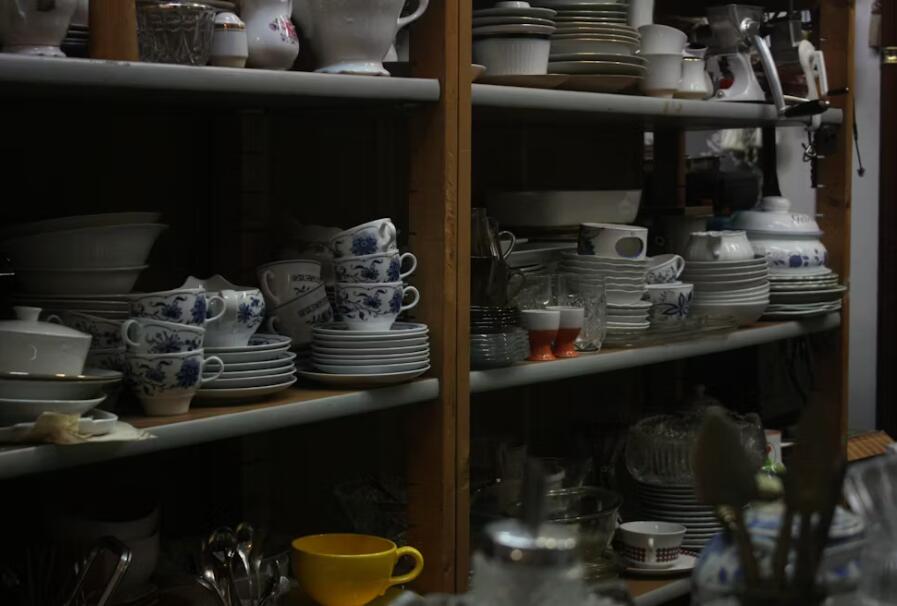
Because kitchenware and tableware are both fragile and regulated, improper handling or documentation can lead to breakage, inspection delays, and fines at U.S. Customs.
Typical challenges include:
- High fragility: ceramics, glass, and porcelain can crack from vibration or pressure.
- Heavy density: cookware and metal utensils increase freight cost per CBM.
- Complex compliance: food-contact materials must meet FDA, CPSIA, or Prop 65 standards.
- Multiple suppliers: importers often consolidate goods from different factories, increasing complexity.
- Wrong HS codes or low-value declaration: common errors that cause customs detention.
Over the years, I’ve seen importers lose up to 20% of cargo value due to packaging damage or incomplete paperwork. With proper preparation and a trusted freight forwarder, these risks are avoidable.
What Are the Best Shipping Methods for Kitchenware and Tableware from China to USA?

ALT: Shipping methods for kitchenware and tableware
Choosing the right shipping method depends on product type, weight, and urgency. Here’s how to decide between air, sea, express, and DDP.
| Method | Ideal Use | Transit Time | Cost Range | Highlights |
|---|---|---|---|---|
| Sea Freight (FCL/LCL) | Heavy, bulky cargo | 25–40 days | Low | Best for large ceramic or cookware sets |
| Air Freight | Medium volume, urgent delivery | 3–5 days | $5.8–$8.5/kg | Reliable and faster for stainless steel sets |
| Express (DHL/UPS/FedEx) | Samples or small boxes | 3–7 days | $9–$16/kg | Door-to-door simplicity |
| DDP (Air or Sea) | All-inclusive door delivery | 6–12 days | Medium | Taxes, duties, and clearance included |
DDP (Delivered Duty Paid) is the most popular method for U.S. importers of kitchenware. DFH Logistics handles customs declaration, duty payment, and last-mile delivery, so you don’t need a U.S. import license.
You can learn how DDP works in detail from our DDP shipping guide.
What Documents Do You Need to Ship Kitchenware and Tableware from China?

Accurate and complete documentation ensures customs clearance without penalties or delays.
The standard document set includes:
- Commercial Invoice – lists product details, value, and buyer/seller information.
- Packing List – describes the quantity, packaging type, and total weight.
- Bill of Lading (B/L) – shipping contract between the carrier and consignee.
- Certificate of Origin (C/O) – confirms that goods are made in China.
- FDA or Product Compliance Certificate – required for food-contact materials.
- Material Safety Data Sheet (MSDS) – sometimes needed for coated or painted items.
If you’re using DDP shipping, DFH Logistics handles all customs documentation on your behalf. We also review supplier invoices to ensure HS codes and values match the product type to prevent misdeclaration issues.
How to Pack Kitchenware and Tableware for Safe International Shipping?

ALT: Proper packaging for kitchenware and tableware
Packaging is the single most important factor affecting product safety during transport — especially for ceramics, glass, and enamel items.
For fragile items (plates, cups, glasses)
- Wrap each piece individually with bubble film or EPE foam.
- Use double-wall cartons with internal foam partitions.
- Place silica gel packs to absorb moisture.
- Add “Fragile / This Side Up” labels on each box.
For metal and plastic kitchenware
- Stack items by size and separate with cushioning sheets.
- Ensure lids, handles, or detachable parts are secured.
- Seal cartons with waterproof tape for sea shipments.
At DFH Logistics, we offer free repacking, labeling, and photo inspection at our Shenzhen warehouse. We often combine items from multiple factories into one export carton to reduce freight volume and avoid damage.
What Are the Customs Rules and Import Regulations for Kitchenware?
Kitchenware imports must meet both U.S. Customs and FDA compliance requirements, especially for food-contact materials.
HS Codes
- Ceramic tableware – 6911.10 / 6912.00
- Stainless steel cookware – 7323.93
- Glass tableware – 7013.22 / 7013.28
FDA and Product Safety
If products contact food directly (plates, utensils, cookware):
- The manufacturer should be FDA registered.
- Provide material composition reports (showing lead, cadmium, and BPA-free compliance).
- Ensure packaging materials are safe for direct food contact.
Import Taxes
U.S. import duty typically ranges from 5% to 20% depending on the material and origin.
If you choose DDP shipping, DFH Logistics pays duties and taxes on your behalf — ensuring your goods arrive without customs paperwork on your side.
You can read our related guide on customs value declaration for further clarity.
Should You Buy Cargo Insurance for Kitchenware Shipments?
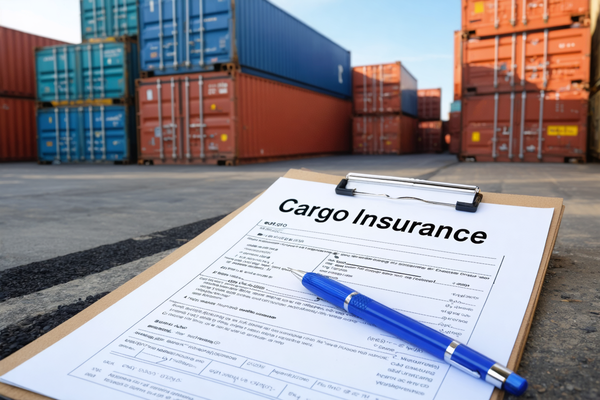
Yes. Because kitchenware is fragile, purchasing cargo insurance is strongly recommended to protect against loss or damage during transit.
There are two main types of coverage:
- All-Risk Insurance: Covers physical loss or damage caused by handling, vibration, or accidents.
- Total Loss Insurance: Covers only when the entire shipment is lost.
The cost is usually 0.3%–0.6% of cargo value, depending on product type and route.
At DFH Logistics, we can help arrange discounted insurance rates with trusted providers to give you complete peace of mind.
How Much Does It Cost to Ship Kitchenware and Tableware from China to USA?
Shipping costs vary by method, volume, season, and destination. Here’s a practical reference for 2025 rates.
| Method | Volume/Weight | Cost Range | Delivery Time | Best For |
|---|---|---|---|---|
| Sea Freight DDP | 1–10 CBM | $1.4–$3.5 per kg | 25–40 days | Large, heavy kitchenware |
| Air Freight DDP | 100–500kg | $5.8–$9.5 per kg | 6–12 days | Medium and urgent cargo |
| Express Courier | ≤50kg | $6–$14 per kg | 3–7 days | Samples, small orders |
Other Cost Factors:
- Pickup from supplier locations
- Pallet or crate fees
- Insurance and inspection charges
- Customs inspection or port demurrage fees
If you want to minimize costs, DFH can customize multi-channel solutions — for instance, combining sea and air freight or optimizing consolidation timing.
More details about cost optimization can be found in 15 tips on reducing shipping costs.
What Information Should You Provide for a Shipping Quote?
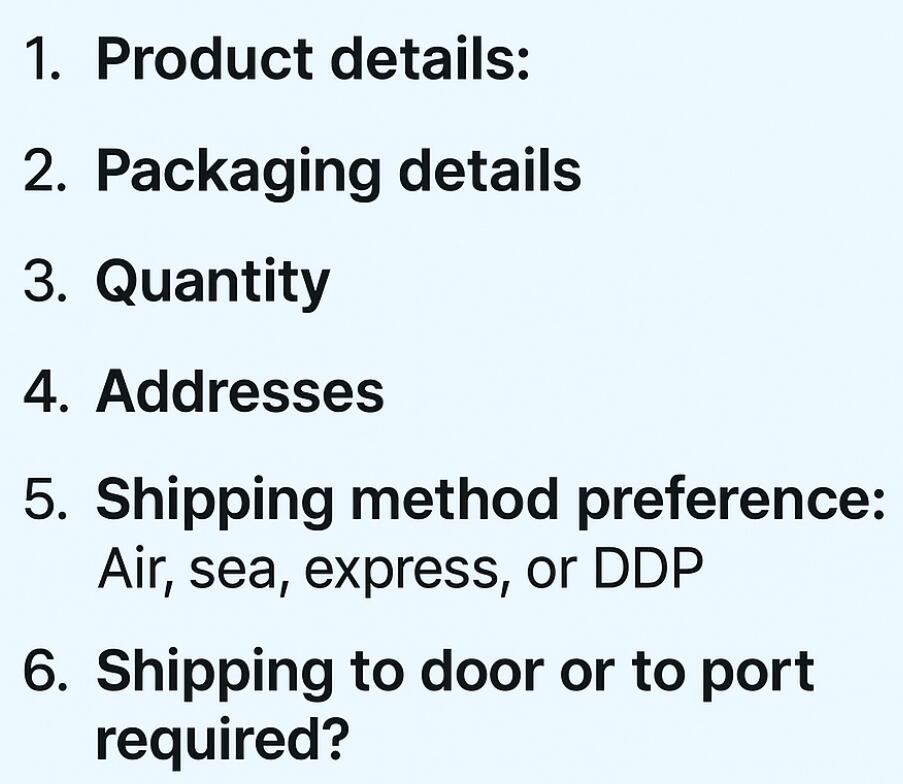
To receive an accurate quote, your freight forwarder needs detailed shipment information — incomplete data often leads to incorrect pricing.
Prepare the following:
- Product name and material type (ceramic, stainless steel, glass, etc.)
- Quantity and packaging details (number of cartons, weight, dimensions)
- Supplier address and contact information
- Destination ZIP code or Amazon FBA address
- Trade term (EXW or FOB)
- Declared value and invoice copy
When you provide this data to DFH Logistics, we usually respond within 24 hours with multiple shipping options (air, sea, express, DDP) so you can choose the most cost-effective route.
How Can DFH Logistics Help You Ship Kitchenware Smoothly?
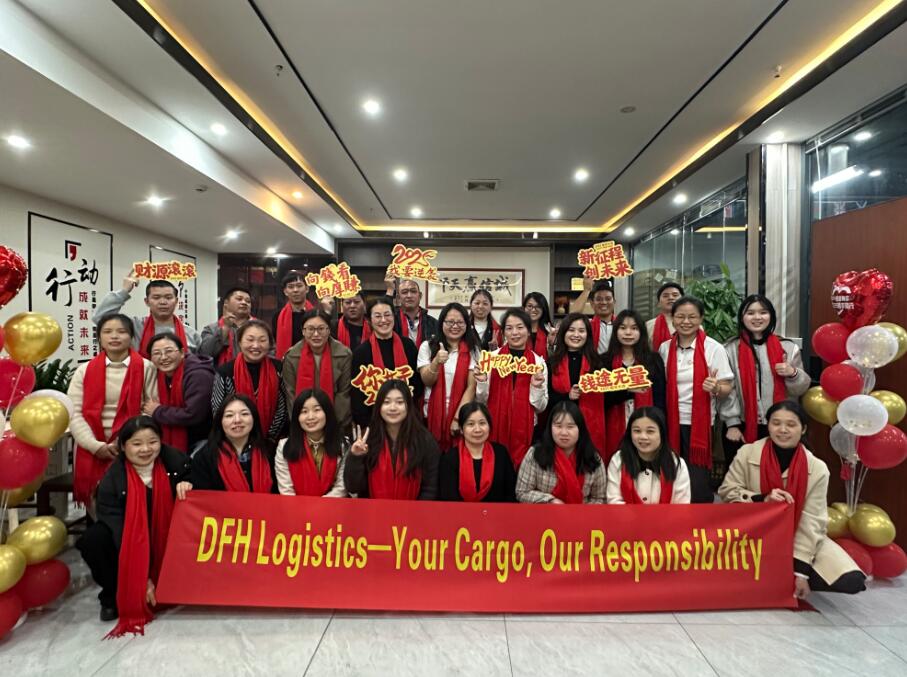
DFH Logistics specializes in fragile product logistics — from kitchenware and homeware to glass and ceramic goods — offering full end-to-end shipping management.
Our key advantages:
- 12+ years of experience handling thousands of fragile shipments yearly.
- Free 30-day Shenzhen warehousing for consolidation from multiple suppliers.
- Photo inspection, labeling, and repacking to prevent damage.
- Door-to-door DDP shipping with customs, duties, and taxes included.
- Real-time tracking and English support team for clear communication.
With DFH, you can trust that your kitchenware and tableware will arrive safely, meet compliance standards, and save you both time and cost.
How to Ensure a Successful Kitchenware Import from China to USA?
Shipping kitchenware and tableware from China to the USA is a detail-oriented process — but with the right preparation, it can be smooth, compliant, and profitable.
To summarize:
- Choose the right shipping method (Sea, Air, or DDP).
- Use professional packaging and insurance for fragile goods.
- Prepare accurate documents for customs clearance.
- Verify FDA compliance if your products contact food.
- Partner with a reliable freight forwarder who manages everything end-to-end.
At DFH Logistics, we simplify this entire process — from supplier pickup and packaging to customs clearance and door delivery — so you can focus on growing your business, not handling paperwork and logistics.
Conclution
Need help shipping kitchenware or tableware from China to the USA?
Contact DFH Logistics today for a free quote and tailored logistics plan.
You can also read more:
Top 10 Freight Forwarders in China for USA Importers
How to Import from China to the USA Without a Business License