Choosing the right freight forwarder in China is one of the most important steps for importers. A good logistics partner ensures on-time delivery, transparent communication, and cost control—while an unreliable one can cause delays, hidden charges, and compliance risks. With thousands of forwarders available, careful selection determines long-term success.
A freight forwarder is more than a carrier—they are your logistics partner who connects suppliers, carriers, and customs authorities to move goods efficiently and legally.
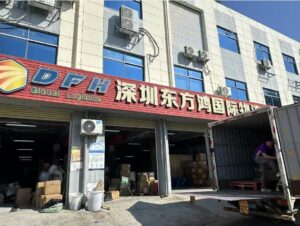
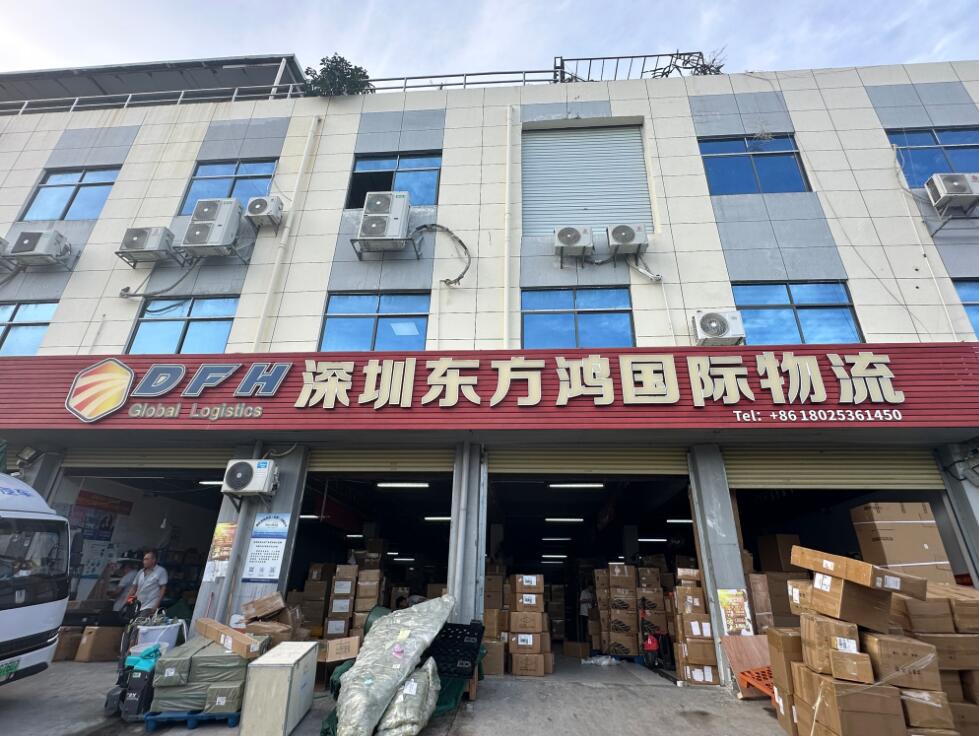
This article shares practical insights from DFH Logistics’ 12+ years of experience, helping you identify and evaluate the right freight forwarder for your business.
What Does a Freight Forwarder Do?
A freight forwarder acts as your representative in China, managing transportation and documentation from pickup to delivery.
A freight forwarder in China oversees every step—from supplier pickup, consolidation, and export customs to international transport, customs clearance, and final delivery. They coordinate between shippers, airlines, and customs officials to ensure compliance and timely arrival.
Freight forwarders handle the complex logistics processes importers often find difficult: arranging cargo space, classifying HS codes, purchasing insurance, and paying duties under DDP terms. They simplify trade by turning multiple suppliers, carriers, and paperwork into one smooth, coordinated system.
Why Choosing the Right Freight Forwarder Matters
The quality of your forwarder directly impacts your delivery reliability, cost control and customer satisfaction.
Choosing a qualified freight forwarder in China minimizes shipment delays, prevents customs issues, and ensures pricing transparency. Experienced partners provide consistent communication, handle documentation accurately, and manage end-to-end transport with professionalism.
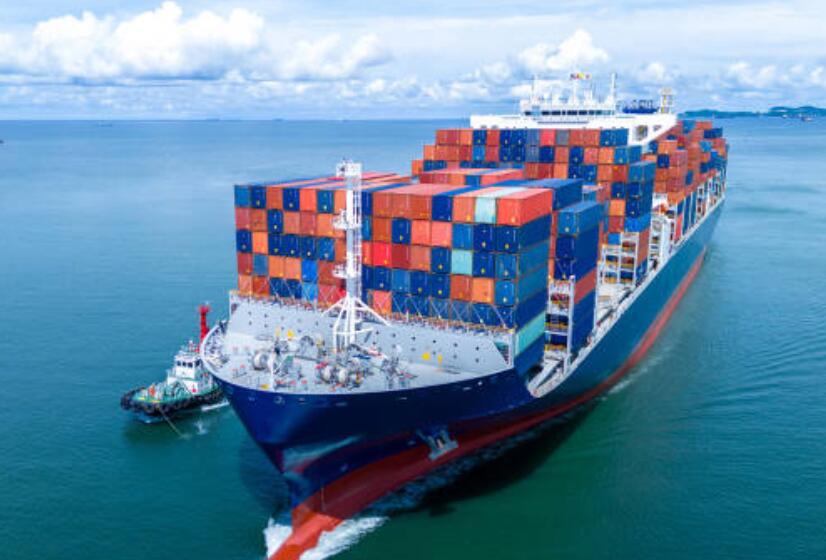
Working with the wrong company, however, can cause shipment loss, customs penalties, and unexpected expenses. Reliable forwarders build long-term trust through accountability, accurate documentation, and proactive solutions for unforeseen challenges like port congestion or regulatory changes.
Step 1: Define Your Shipping Requirements Clearly
Before approaching a freight forwarder, define your exact logistics needs and expectations.
Clarify what you are shipping, how often, and where it’s going. Identify if you need air, sea, or express shipping, and whether you prefer door-to-door (DDP) or port-to-port service. Clear requirements help your forwarder design an optimal shipping plan tailored to your cargo and budget.
If you ship small parcels frequently, air or express services are ideal; for bulky or non-urgent goods,Sea freight is more economical. Understanding your product category (such as batteries, furniture, or liquids) ensures the forwarder uses compliant channels and correct export documentation.
Step 2: Check Company Legitimacy and Experience
Verifying your freight forwarder’s credentials ensures safety and compliance.
Always work with officially registered Chinese freight forwarders holding valid business licenses, export customs brokerage certificates, and long-term operational experience. Seasoned companies handle regulations, documentation, and route optimization better than newly established firms.
You can verify a company’s registration through China’s official business platform . Request their license, company profile, and client references. Legitimate forwarders are transparent about their credentials and can show proof of completed shipments for your confidence.
Step 3: Evaluate Communication and Responsiveness
Good communication is the foundation of reliable service.
Choose a freight forwarder who responds promptly, explains clearly, and provides accurate shipping updates. Effective communication ensures that potential issues—like delays, customs queries, or weight discrepancies—are handled before they escalate.
Before confirming your first shipment, test their responsiveness. Ask questions about transit time, taxes, and delivery options. Professional forwarders like DFH Logistics provide quick, clear responses and share detailed route comparisons to help clients make informed decisions.
Step 4: Compare Shipping Channels and Rates
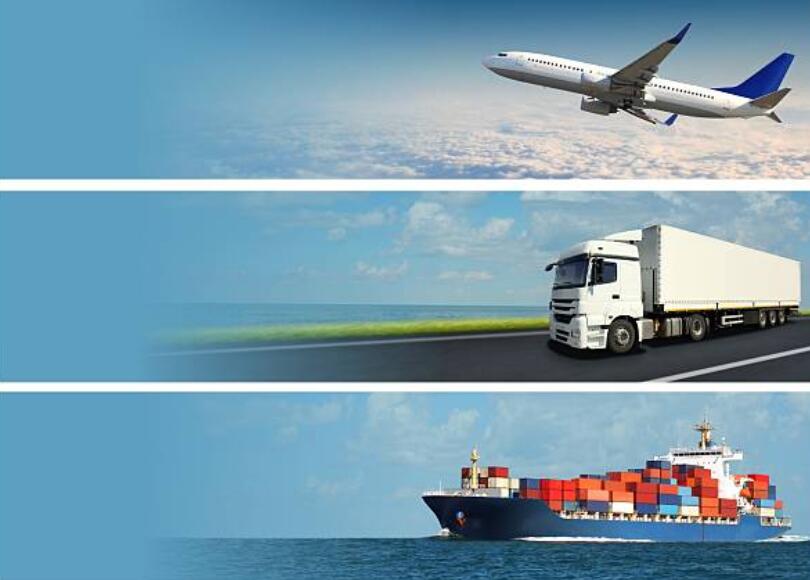
Every shipment is unique, and the right transport method depends on your balance between cost and time.
A reliable freight forwarder offers multiple options—air, sea, express, or rail—explaining the pros and cons of each. Transparent rate structures and realistic transit times allow you to choose the best fit for your business.
| Mode | Best For | Transit Time | Cost Level | DDP Available |
|---|---|---|---|---|
| Air Freight | Urgent or valuable cargo | 5–9 days | Medium | Yes |
| Sea Freight | Heavy or bulky shipments | 25–40 days | Low | Yes |
| Express Courier | Small parcels or samples | 3–7 days | High | Yes |
| Rail Freight | Europe-bound shipments | 15–25 days | Medium | Yes |
Professional forwarders provide customized quotes and help balance shipping time with total cost for maximum efficiency.
Step 5: Ask About Warehousing and Value-Added Services
Beyond transportation, top forwarders offer support that simplifies your supply chain.
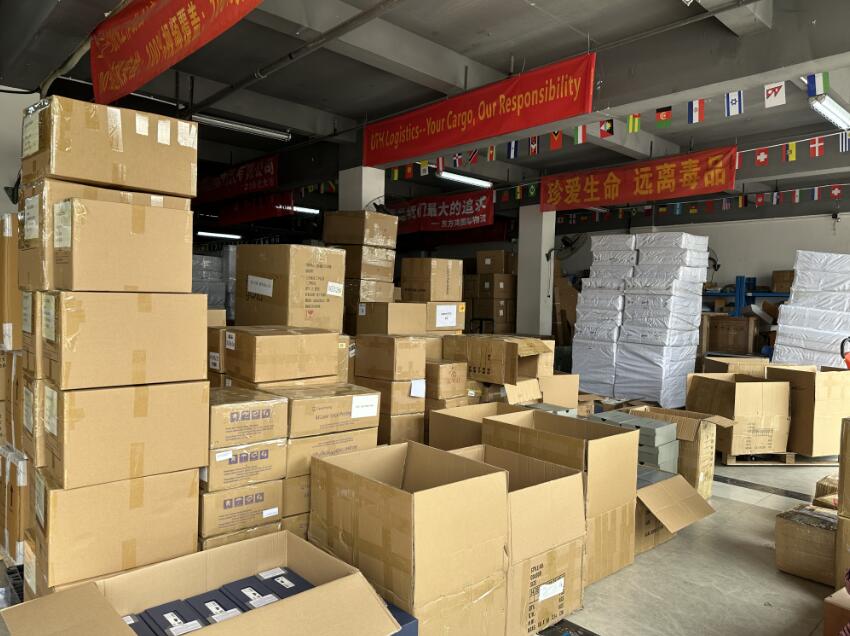
The best Chinese freight forwarders provide free warehousing, consolidation, labeling, inspection, and repacking services. These value-added features save importers money and ensure goods are fully prepared for customs and retail requirements.
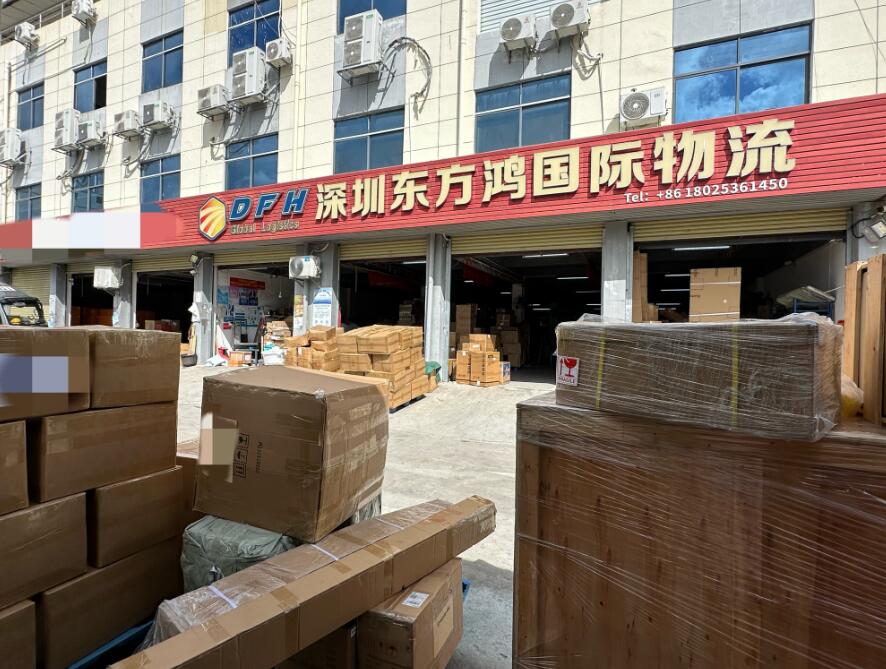
At DFH Logistics, we offer 30 days of free storage in Shenzhen, combine goods from multiple suppliers, inspect packaging quality, and even help clients repack for Amazon FBA compliance. These services reduce risk and help businesses streamline operations efficiently.
Step 6: Review Customs Clearance Capability
Customs clearance expertise defines a forwarder’s professionalism.
A qualified freight forwarder handles export declarations for suppliers without licenses, manages import duties, and ensures compliance through accurate HS codes. Full DDP (duty paid) shipping removes the importer’s burden of tax or customs management.
Inexperienced forwarders may cause delays or penalties due to incorrect documentation. Always ensure your logistics partner has in-house clearance capabilities or long-term customs broker partnerships in your target market.
Step 7: Verify Tracking and After-Sales Support
Reliable tracking and service continuity build trust between you and your freight partner.
Professional forwarders provide online tracking tools, real-time updates, and after-sales assistance to resolve issues like damage, delay, or insurance claims. Continuous support ensures visibility and control throughout the shipping process.
Before choosing a forwarder, ask how often they provide updates, and whether there’s a dedicated representative handling your shipments. These small details indicate service quality and accountability.
No matter what kind of shipping methods you choose, there should be a tracking number and the related tracking website to let you tracking whole the shipping states of your shipments. Reliable freight forwarder should provide that for you. after sending out each shipment.
Step 8: Start with a Trial Shipment
Testing performance through a small order helps confirm a forwarder’s reliability.
A trial shipment allows you to evaluate timeliness, communication, billing transparency, and after-sales service before committing to long-term cooperation. It’s the most practical way to verify real performance under actual shipping conditions.
If the trial experience is smooth—on-time delivery, clear tracking, accurate billing—you’ve likely found a logistics partner worth keeping.
Conclusion
Choosing the right freight forwarder in China directly affects your delivery speed, cost efficiency, and peace of mind.
A trusted partner ensures smooth customs clearance, accurate documentation, and reliable door-to-door delivery. Start with a small trial shipment to evaluate their performance before long-term cooperation.
Contact DFH Logistics today to get a customized shipping solution for your business.