To ship textiles and fabrics from China to the USA successfully, importers must balance shipping cost, customs compliance, and cargo protection. This 2025 guide explains every key step — from selecting the most suitable route (DDP, air, sea, or express) to preparing documents, meeting U.S. textile regulations, managing duties, and ensuring your fabrics arrive safely, legally, and cost-effectively.
As the Co-founder of DFH Logistics, I’ve spent over 12 years helping textile importers, apparel manufacturers, and wholesalers move their goods smoothly from China to the United States. Many first-time importers underestimate the complexity of textile shipping — not just the logistics, but the strict U.S. customs requirements, labeling rules, and potential high freight costs for bulky fabric rolls.
In this guide, I’ll show you how to ship textiles and fabrics correctly, avoid common pitfalls, and choose the most cost-effective and reliable route for your business.
What Makes Textile and Fabric Shipping from China to the USA Challenging?
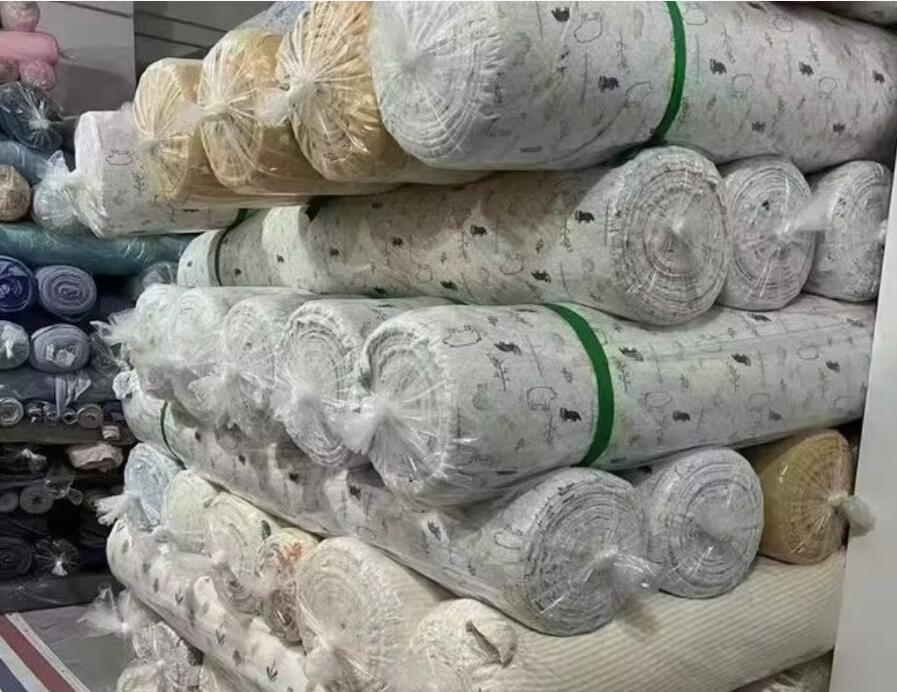
Shipping textiles and fabrics is challenging because they are often bulky, heavy, and subject to strict U.S. customs classification, labeling, and compliance requirements.
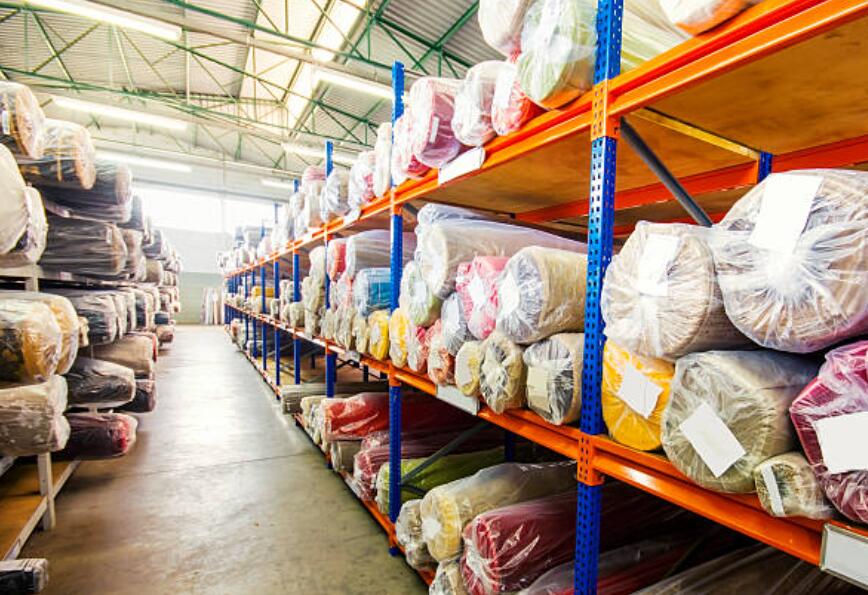
Textile products such as cotton, polyester, silk, and blends are rolled or baled, which takes up significant cargo space. Many importers fail to account for volumetric weight, leading to unexpectedly high freight costs.
Additionally, the U.S. Customs and Border Protection (CBP) enforces detailed labeling and documentation standards under the Textile Fiber Products Identification Act, and any errors can result in shipment delays or fines.
Working with a Freight Forwarder familiar with textile compliance and documentation helps ensure every step is handled correctly from origin to destination.
What Shipping Methods Are Available for Textiles and Fabrics from China to the USA?
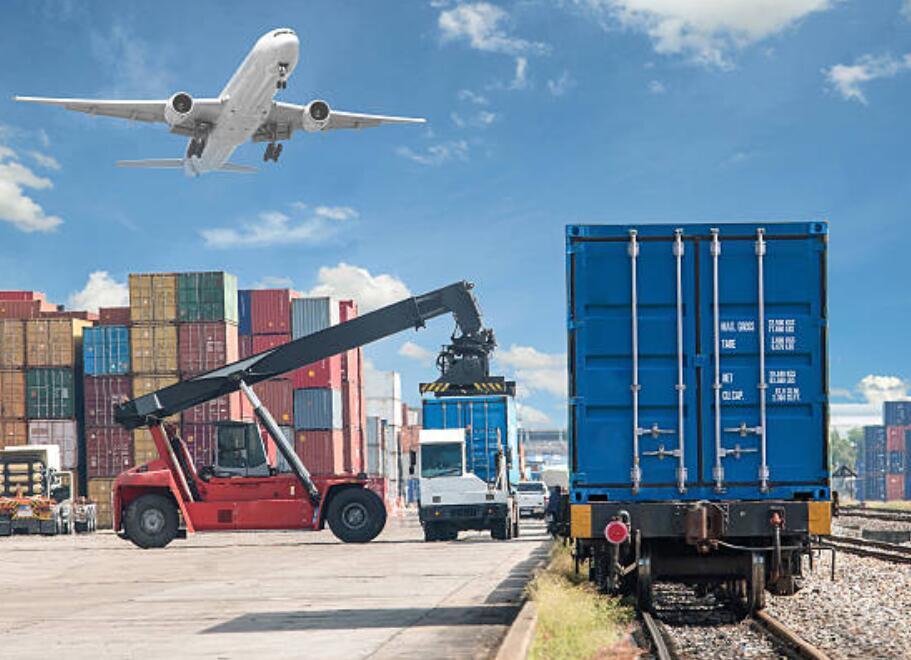
The best shipping method depends on your shipment’s size, urgency, and cost priorities. DFH Logistics offers sea, air, express, and DDP options — each with specific advantages for textile cargo.
| Shipping Method | Transit Time | Suitable For | Estimated Cost (USD/kg) | Remarks |
|---|---|---|---|---|
| DDP Sea Freight | 25–40 days | Bulk fabric rolls, wholesale orders | 1.9–3.9 | All taxes & customs included |
| DDP Air Freight | 6–12 days | Urgent textile shipments | 4–10 | Faster and fully customs-cleared |
| Express Courier (DHL/UPS/FedEx) | 3–7 days | Small samples or high-value garments | 6–15 | Door-to-door speed, higher cost |
| FCL (Full Container Load) | 25–35 days | Full containers (20ft/40ft) | Based on CBM | Best per-unit cost |
| LCL (Less than Container Load) | 30–40 days | 1–10 CBM shared cargo | Shared cost | Ideal for smaller shipments |
If you need both speed and customs convenience, DDP (Delivered Duty Paid) shipping is often the best option. DFH handles everything — pickup, consolidation, export declaration, U.S. customs clearance, and delivery to your door with taxes prepaid.
For large volume importers, I recommend FCL sea freight, which provides the lowest unit cost per CBM and offers flexibility for fabric rolls and bolts.
Which Ports Are Best for Textile and Fabric Shipping from China?

Choosing the right port in China can significantly impact your delivery time and shipping cost. The main textile export hubs are Shenzhen, Ningbo, Shanghai, and Qingdao.
| Port | Ideal for | Average Transit Time to USA | Key Advantages |
|---|---|---|---|
| Shenzhen Port | Southern China (Guangdong, Fujian) | 25–35 days | Best for textile and garment manufacturers, strong consolidation network |
| Ningbo Port | Eastern China (Zhejiang, Jiangsu) | 28–38 days | Reliable FCL schedules, competitive rates |
| Shanghai Port | Central & Northern suppliers | 30–40 days | Handles large volumes, excellent customs infrastructure |
| Qingdao Port | Northern China (Shandong region) | 32–42 days | Ideal for heavy fabric shipments and industrial textiles |
| Guangzhou Port | Southern China (Guangdong, Fujian) | 25–35 days | Best for textile and garment manufacturers, strong consolidation network |
At DFH Logistics, we select the most suitable port based on your supplier’s factory location to minimize domestic trucking costs and shorten transit time.
If you want to learn more about China’s major export ports, see:
Top 10 China Ports for Shipping to the USA.
What Documents Are Required for Textile Importation to the USA?
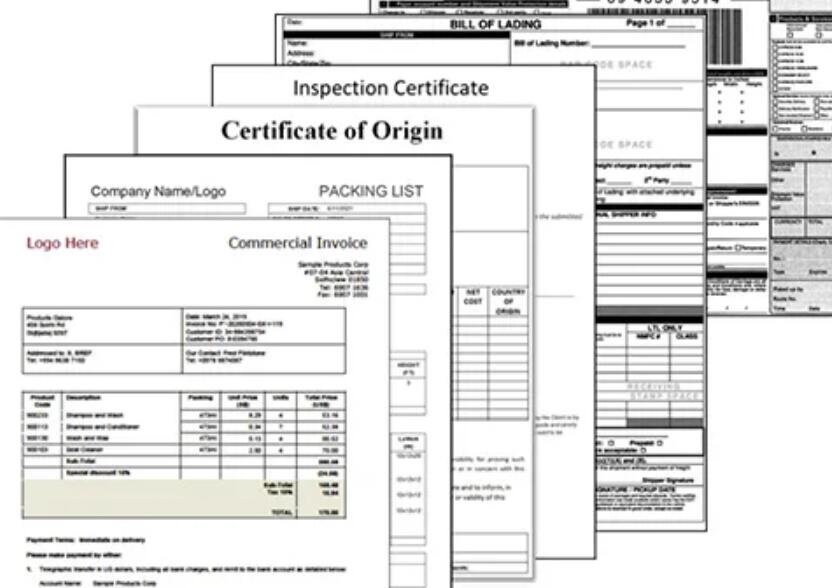
Accurate documentation is critical for textile and fabric imports. Missing or incorrect paperwork is one of the most common causes of customs delays.
Here’s what you’ll need for every shipment:
| Document | Purpose |
|---|---|
| Commercial Invoice | Declares product value and details |
| Packing List | Specifies fabric type, quantity, and weight |
| Bill of Lading / Air Waybill | Confirms transport route and ownership |
| Certificate of Origin (CO) | Confirms country of manufacture |
| Textile Declaration (for CBP) | Required for specific fiber contents |
| Importer Security Filing (ISF, for ocean freight) | Must be filed 24 hours before loading |
| Label Compliance Documentation | Required under U.S. Textile Fiber Products Identification Act |
If your supplier lacks export rights, DFH Logistics can handle export customs declaration under our license, ensuring smooth outbound clearance from China.
For a deeper understanding of customs paperwork, you can check our related guide:
How to Declare Customs Value When Importing from China.
What Are the Import Duties for Textiles from China to the USA?
Most textile products imported from China to the USA are subject to customs duties between 8%–15%, depending on material composition and HS Code.
Here’s a simplified breakdown:
| Fabric Type | HS Code Range | Approximate Duty Rate | Notes |
|---|---|---|---|
| Cotton Fabric | 5208–5212 | 8–12% | Based on weight and weaving density |
| Polyester Fabric | 5407 | 10–15% | May require declaration of fiber blend |
| Silk Fabric | 5007 | 3–7% | Usually lower duties |
| Synthetic Blends | 5512–5516 | 12–15% | Duties vary by ratio of materials |
Under DDP (Delivered Duty Paid) shipping, DFH Logistics takes care of all customs clearance and duty payments for you, so you won’t face surprise charges upon delivery.
How to Ensure Compliance with U.S. Textile Import Regulations?
Every textile imported into the U.S. must comply with specific labeling, fiber content, and safety regulations enforced by CBP and the FTC.
The most important requirements include:
- Fiber Content Labeling – Must list fiber percentages (e.g., 80% cotton, 20% polyester).
- Country of Origin Label – Must state “Made in China.”
- Manufacturer or RN Number – Registered business identification with the FTC.
- Care Instructions – Required for apparel and home textiles.
Shipments without compliant labeling risk seizure or mandatory relabeling before entry. DFH Logistics can assist with label checks, relabeling, and compliance review before export.
For sellers using platforms like Amazon, non-compliant labeling can lead to listing suspension — so it’s vital to ensure all packaging meets U.S. requirements before shipment.
How Much Does It Cost to Ship Textiles and Fabrics from China to the USA?

Shipping costs depend on your cargo weight, volume (CBM), delivery method, and whether duties and taxes are prepaid (DDP) or unpaid (DDU).
Below is a general estimate for 2025 textile shipments:
| Weight/Volume | Recommended Method | Estimated Cost (USD/kg or CBM) | Transit Time |
|---|---|---|---|
| 1–20 kg | Express Courier | 10–25/kg | 3–7 days |
| 21–300 kg | DDP Air Freight | 4–10/kg | 6–12 days |
| 1–10 CBM | LCL Sea Freight | 1.9-3.9/kg | 20–40 days |
| 15+ CBM | FCL (20’ or 40’) | 1500–3000/container | 25–35 days |
To get an accurate quote, you can contact DFH Logistics directly with your fabric type, weight, dimensions, and delivery address.
You can also learn about how to reduce shipping costs here:
15 Useful Tips to Reduce Shipping Costs from China.
How to Pack and Protect Textiles for Safe International Shipping?
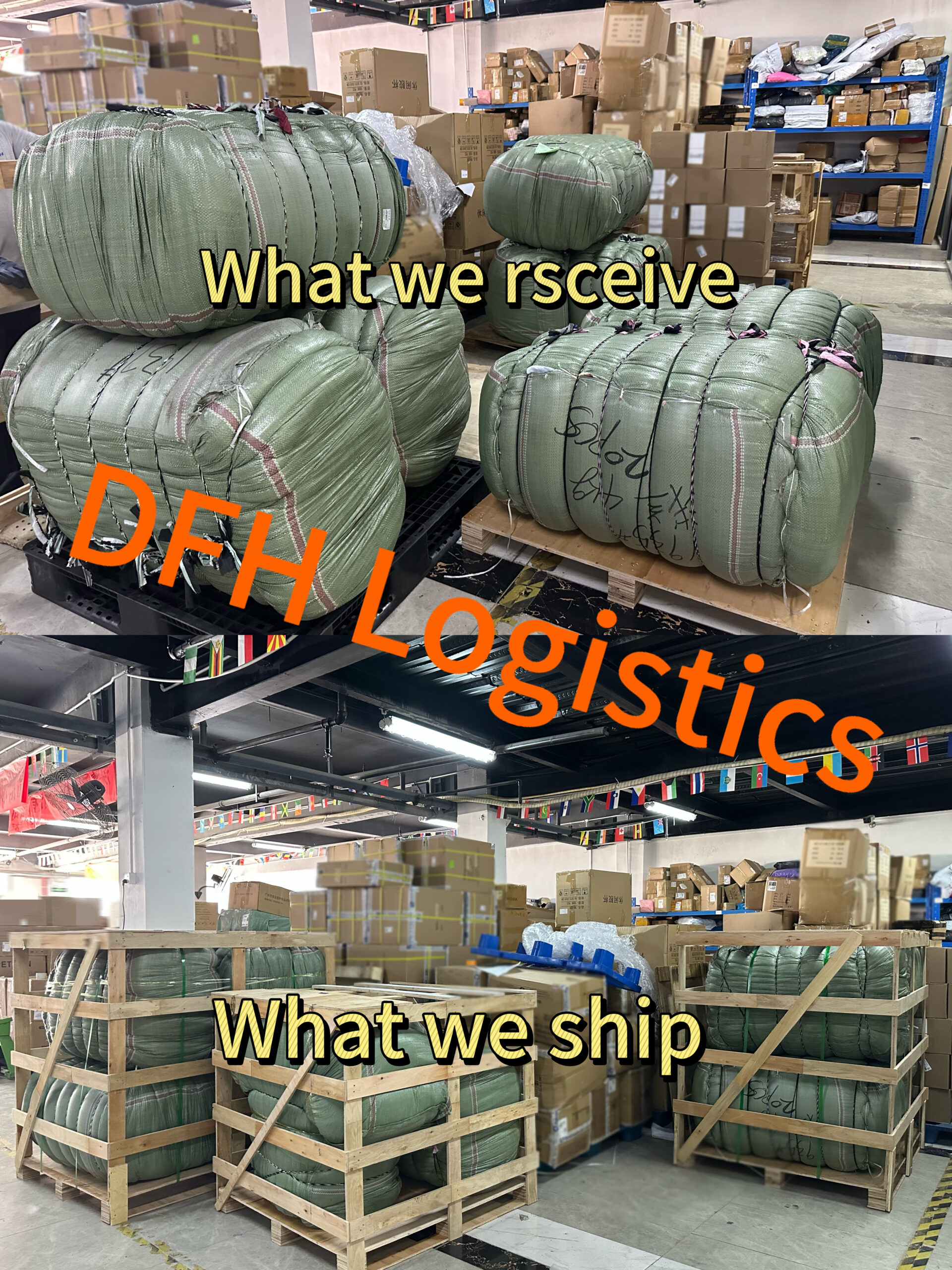
Proper packing is essential for preventing moisture, wrinkles, and damage to fabric rolls during long transit.
Recommended practices include:
- Use poly wrap and waterproof lining for each roll.
- Place rolls on strong wooden or plastic pallets.
- Add desiccant bags inside containers for humidity control.
- Avoid over-tight packing to prevent fabric distortion.
- Clearly label each roll with product type, lot number, and order details.
At DFH Logistics, we provide professional repacking and consolidation services in our Shenzhen warehouse, including carton replacement, labeling, and shrink-wrapping — ensuring all fabrics arrive clean and undamaged.
Common Problems in Textile Shipping and How to Avoid Them
Many textile importers experience delays or cost overruns due to preventable issues like moisture damage, mislabeling, or improper HS code declaration.
Here are common problems and solutions:
| Problem | Cause | Solution |
|---|---|---|
| Customs delay | Wrong HS code or incomplete documents | DFH verifies HS codes and handles ISF filing accurately |
| Mold or odor on arrival | High humidity during sea transit | Use desiccants and container liners |
| Excess freight charge | Ignoring volumetric weight | DFH pre-measures cargo and suggests optimal packing |
| Supplier lacks export rights | Factory not licensed for export | DFH handles export under our customs license |
| Goods rejected by Amazon | Label or packaging non-compliance | DFH checks and relabels at our warehouse |
To understand how these issues impact your logistics costs, read our article:
Common Shipping Challenges When Importing from China and How to Solve Them.
Why Choose DFH Logistics for Your Textile and Fabric Shipments?
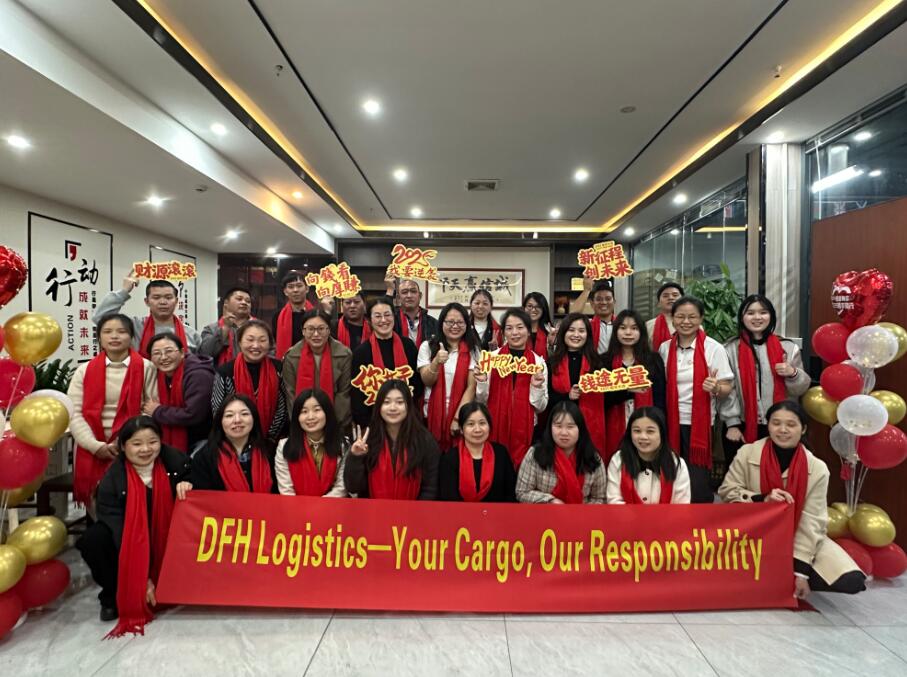
At DFH Logistics, we specialize in shipping textiles and fabrics from China to the USA with precision, transparency, and full compliance. With over 12 years of experience handling everything from delicate silk to heavy cotton rolls, my team and I provide customized door-to-door logistics solutions that eliminate risk, reduce cost, and guarantee peace of mind for every importer.
Here’s why importers in the textile and apparel industry consistently choose DFH:
1. Complete Door-to-Door DDP Solutions
We handle every step — pickup from multiple suppliers, export declaration, international transport, customs clearance, duty payment, and final delivery to your warehouse or retail location. You’ll never need to deal with brokers, forwarders, or hidden charges. Our DDP (Delivered Duty Paid) service covers air, sea, and express routes, fully customs-cleared and tax prepaid.
2. Specialized Experience in Textile and Fabric Logistics
Unlike general forwarders, DFH has dedicated textile-handling expertise. We know how to:
- Roll-pack, palletize, and waterproof delicate fabrics.
- Prevent moisture, mildew, or color transfer during sea freight.
- Correctly classify textile HS codes for faster customs release.
- Meet U.S. labeling and fiber declaration rules under CBP and FTC standards.
3. Cost-Effective Consolidation and Storage
Our Shenzhen warehouse provides 30 days of free storage and free consolidation from unlimited suppliers. Whether you source from Guangzhou, Keqiao, or Shaoxing, we combine all goods, repackage them professionally, and ship them together to save you significant freight costs.
4. Comprehensive Quality and Compliance Support
Before export, our operations team performs photo and video inspections, label verification, and repacking or relabeling if needed. We help you comply with all U.S. textile labeling laws and prevent rejections or rework upon arrival.
5. Transparent Pricing with No Hidden Fees
Every quotation includes a full breakdown of freight, duties, and handling charges. No surprise invoices, no “extra port fees,” and no payment before confirmation. You’ll always know the total landed cost before shipment.
6. Dedicated One-on-One Customer Service
Each client works with a personal logistics manager who tracks the shipment daily, updates status, and provides customs documentation in real time. You’ll always have one direct contact — not a generic service mailbox.
7. Proven Global Network and Reliability
Over the past decade, DFH Logistics has successfully served 20,000+ importers across industries — from garment factories and fashion brands to e-commerce sellers and wholesalers. Our partnerships with major airlines, shipping lines, and express carriers ensure space availability and stable transit times, even during peak seasons.
If you’re looking for a reliable, transparent, and experienced partner to manage your textile supply chain from China to the USA, DFH Logistics is your trusted choice.
FAQs About Textile and Fabric Shipping from China to USA

What is the HS Code for textiles and fabrics?
HS codes vary by material type — for example, cotton fabrics are under 5208–5212, polyester under 5407, and silk under 5007.
Do I need an import license to bring fabrics into the USA?
If you ship under DDP shipping solution, no.As your Freight forwarder will help you handle everything, you just waiting to receive the packages. However, you must have a valid U.S. importer number or customs bond if you need to have the customs invoice.
Are there anti-dumping duties on textiles from China?
Certain textile categories are monitored, but most standard fabrics don’t face additional duties. Check CBP’s database for updates.
How do I handle customs if I don’t have a broker?
DFH Logistics handles customs clearance and duty payment for all DDP shipments, so you don’t need a broker or license.
Final Thoughts
Shipping textiles and fabrics from China to the USA can be smooth and profitable when done right — but it requires the right partner who understands both logistics and compliance.
At DFH Logistics, we handle every step: pickup, consolidation, repackaging, documentation, customs, and delivery — so you can focus on your business.
If you’d like a personalized quote or guidance for your next shipment, please visit our
Contact Us page to get in touch with me or my team.