

Shipping rates from China to the USA typically range from $1.9–3.9/kg for DDP sea freight (25–40 days), $4–10/kg for DDP air freight (6–12 days), and $6–15/kg for express courier services (3–7 days). Port-to-port ocean freight is usually quoted by container or CBM and excludes customs clearance, duties, and inland delivery. Actual rates depend on cargo weight, volume, route, seasonality, and service scope.
Most importers search this topic hoping to find a single number. What they actually find is confusion.
Some quotes look unbelievably cheap.
Others are shockingly high — for what appears to be the same shipment.
The truth is simple: shipping rates only make sense when you understand what they include.
This article is written to help you understand real cost ranges, avoid misleading quotes, and estimate your true landed cost before you ship.
How China–USA Shipping Rates Are Actually Built

China–USA shipping rates are determined by chargeable weight or volume, shipping method (DDP, port-to-port, express), origin and destination, seasonality, customs scope, and last-mile delivery requirements — not by distance alone.
Most pricing mistakes happen before a quote is even requested.
Chargeable Weight vs Volume (Why Packaging Directly Affects Cost)
For air freight, express courier, and DDP shipping lines, carriers charge based on chargeable weight, not just actual gross weight.
Chargeable weight is calculated using the higher of actual weight or volumetric weight, and the calculation formula varies by shipping method.
Volumetric Weight Calculation Formulas (By Shipping Method)
Express Courier (DHL / UPS / FedEx):
Volumetric Weight (kg) = (Length × Width × Height in cm) ÷ 5000

Express couriers use a smaller divisor, which means bulky cargo is charged more aggressively.
DDP Air Freight / Standard Air Freight:
Volumetric Weight (kg) = (Length × Width × Height in cm) ÷ 6000
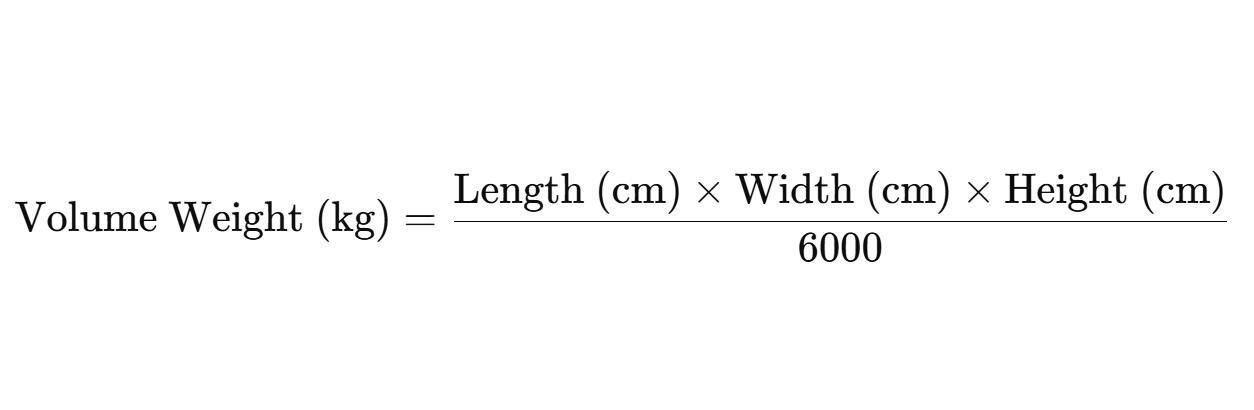
This is one reason DDP air becomes more cost-effective than express for medium-weight or bulky shipments.
DDP Sea Freight (Door-to-Door Sea Shipping Lines):
Volumetric Weight (kg) = (Length × Width × Height in cm) ÷ 6000
Although the main transport is by sea, DDP sea freight is still priced on a chargeable-weight logic, not pure CBM, which makes packaging efficiency just as important as with air freight.
Practical Example
If one carton measures 60 × 50 × 40 cm:
- Volume = 60 × 50 × 40 = 120,000 cm³
Express courier chargeable weight:
- 120,000 ÷ 5000 = 24 kg
DDP air freight chargeable weight:
- 120,000 ÷ 6000 = 20 kg
DDP sea freight chargeable weight:
- 120,000 ÷ 6000 = 20 kg
If the actual gross weight is 12 kg:
- Express will charge 24 kg
- DDP air will charge 20 kg
- DDP sea will charge 20 kg
This difference alone can create a 20–30% cost gap for the exact same carton.
That is why:
- Lightweight but bulky goods are expensive by express
- DDP air and DDP sea are more forgiving on volume
- Carton optimization and repacking often reduce shipping cost more effectively than negotiating rates
For traditional port-to-port sea freight (LCL/FCL), pricing shifts from chargeable weight to CBM or container usage, which follows a different cost logic and should not be confused with DDP pricing.
Shipping Method Changes the Entire Cost Model
You cannot compare DDP, port-to-port, air freight, and express shipping directly. Each method assigns different responsibilities and risks.
Cheap quotes often exclude duties, customs clearance, or inland delivery. This is why first-time importers feel misled.
For a detailed breakdown, see
DDP Shipping from China to USA Explained
Route, Port, and Final Delivery Address
Rates vary based on:
- West Coast vs East Coast ports
- Inland trucking distance
- Residential vs commercial delivery
- Amazon FBA appointment requirements
Two shipments from the same factory can differ 30–40% in total cost due to destination logistics alone.
DDP Shipping Rates from China to USA (All-Inclusive)

DDP shipping from China to the USA costs approximately $1.9–3.9/kg by sea (25–40 days) and $4–10/kg by air (6–12 days), including pickup, export clearance, customs clearance, duties, taxes, and final delivery.
DDP eliminates the biggest uncertainty in international shipping: hidden destination costs.
DDP Sea Freight from China to USA Cost Range
- $1.9–3.9/kg
- 25–40 days transit
Best for bulky or low-density cargo such as furniture, lighting, and machinery. Pricing depends on density, HS code, destination zone, and inspection risk.
DDP Air Freight from China to USA Cost Range
- $4–10/kg
- 6–12 days transit
Best for 50–500 kg shipments that are time-sensitive. Once weight increases, DDP air often becomes more cost-effective than express.
What a Real DDP Quote Must Include
A genuine DDP quote must include:
- Supplier pickup
- Export declaration
- Main freight
- US customs clearance
- Duties and taxes
- Final door delivery
If any of these are missing, it is not true DDP.
Port-to-Port Ocean Freight Rates (FCL & LCL)

Port-to-port ocean freight appears cheaper upfront but excludes customs clearance, duties, and inland delivery, often increasing total landed cost and risk.
FCL Shipping Rates from Chinato USA (Full Container Load)
FCL is priced per container (20GP / 40GP / 40HQ).
It offers the lowest unit cost at scale but requires a US customs broker and separate inland delivery.
LCL Shipping Rates from China to USA(Cost per CBM)
LCL is charged per CBM but often includes high destination charges such as CFS handling, congestion fees, and separate delivery costs.
Many LCL importers later switch to DDP for predictability.
Who Should Avoid Port-to-Port Shipping
Port-to-port is not ideal for first-time importers, Amazon sellers, or companies without a US broker.
If that describes you, see How to Choose a Freight Forwarder from China to USA
Air Freight vs Express Courier Rates
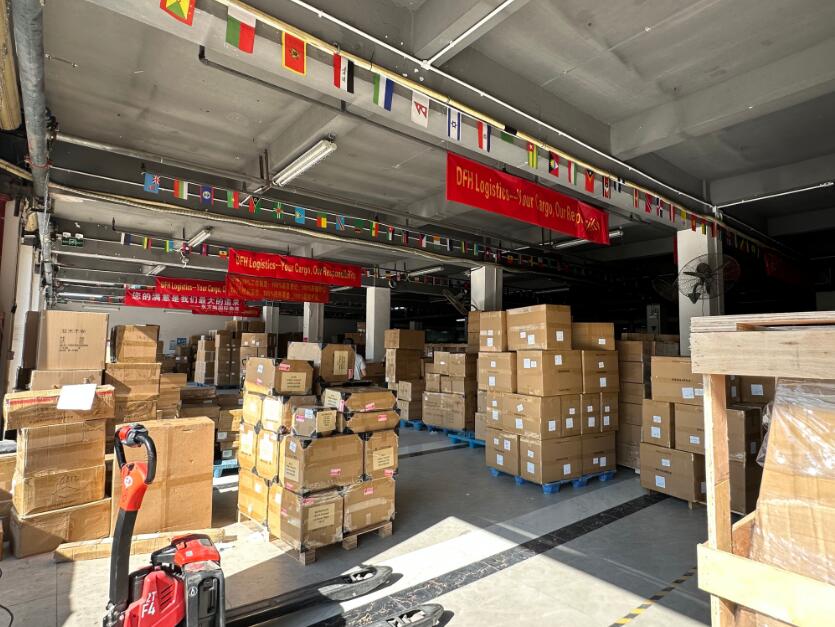
Express courier shipping costs $6–15/kg with 3–7 day delivery, while standard air freight is cheaper at scale but requires customs coordination.
Express Courier (DHL / UPS / FedEx)
Best for samples and small parcels. Costs rise quickly due to dimensional weight and separate duty billing.
Standard Air Freight
Not door-to-door by default. Importers must handle customs clearance, duty payment, and inland trucking.
China to USA Shipping Cost Comparison Table

There is no single “best” shipping rate from China to the USA — the right cost depends on how your cargo behaves in real transit conditions.
Most importers lose money not because they chose the wrong supplier, but because they chose the wrong shipping method for their cargo size, urgency, and risk tolerance.
Before looking at the numbers, keep three things in mind:
- Cost range reflects typical market pricing, not promotional or incomplete quotes
- Transit time is door-to-door under normal conditions, excluding extreme peak-season disruptions
- Risk level reflects how much operational knowledge is required to avoid extra fees, delays, or customs issues
The best shipping method depends on cargo size, urgency, and how much complexity you are willing to manage.
| Method | Cost Range | Transit Time | Best For | Risk |
|---|---|---|---|---|
| DDP Sea | $1.9–3.9/kg | 25–40 days | Bulky cargo | Low |
| DDP Air | $4–10/kg | 6–12 days | Urgent mid-weight | Low |
| Express | $6–15/kg | 3–7 days | Small parcels | Medium |
| LCL | By CBM | 30–40 days | Small volume | High |
| FCL | By container | 25–35 days | Large volume | Medium |
If your shipment is under 1–2 CBM, time-sensitive, or your team does not handle U.S. customs regularly, DDP sea or DDP air usually delivers the most predictable final cost.
Port-to-port options (LCL/FCL) make sense only when you already have customs, trucking, and compliance fully under control.
Why Quotes for the Same Shipment Can Differ by 30–50%

When two forwarders quote the “same shipment” and the prices differ by 30–50%, the difference almost never comes from better freight rates — it comes from what is missing, underestimated, or delayed in the quote.
After handling thousands of China–USA shipments, I see the same pricing gaps appear again and again. Below are the real reasons this happens.
1. Duties, Taxes, and Customs Clearance Are Excluded
One of the most common tricks is quoting freight only, while presenting it as a full solution.
Lower quotes often exclude:
- U.S. import duties and taxes
- Customs clearance fees
- Bond and brokerage costs
These costs do not disappear — they show up later, usually when your cargo is already in transit or held at port.
A quote that looks 30% cheaper upfront often ends up more expensive at delivery.
2. Volume Is Underestimated at Quotation Stage
Many quotes are based on:
- Supplier-provided carton sizes
- Estimated dimensions
- Non-palletized assumptions
Once the cargo arrives at the warehouse:
- Cartons are re-measured
- Pallets are added
- Chargeable weight increases
This is especially common for air freight, express, and DDP sea/air lines, where volume weight plays a major role.
If the quote does not clearly state “final charge based on warehouse measurement”, expect an adjustment.
3. Destination Charges Are Hidden or Deferred
For port-to-port and LCL shipments, destination costs are often not fully disclosed upfront.
These may include:
- CFS handling fees
- Port congestion surcharges
- Documentation fees
- Separate inland trucking costs
Because these charges occur in the U.S., they are easier to hide in the initial quote — but they are unavoidable.
This is why many LCL shipments end up costing far more than expected, even when the ocean freight rate looks cheap.
4. Transit Time Assumptions Are Unrealistic
Some quotes assume:
- Immediate vessel or flight availability
- No congestion
- No customs inspection
In reality:
- Peak season delays are common
- Port congestion shifts weekly
- Random inspections happen
When transit time assumptions are too optimistic, costs rise through:
- Storage fees
- Demurrage or detention
- Expedited delivery requirements
A realistic quote prices normal risk, not best-case scenarios.
5. Service Scope Is Simply Not the Same
Two quotes may look comparable on the surface but differ in scope:
- Door-to-door vs port-to-port
- Residential delivery vs terminal pickup
- Amazon appointment vs curbside delivery
Comparing prices without comparing service scope is one of the fastest ways to make the wrong decision.
How to Judge Which Quote Is More Reliable
Instead of asking “Why is this quote more expensive?”, ask:
- Does it clearly include duties and delivery?
- Are dimensions and chargeable weight confirmed or estimated?
- Are destination charges listed or excluded?
- Is transit time realistic under current conditions?
In most cases, the more transparent quote is the one that delivers the lowest final landed cost, even if it is not the cheapest on day one.
Related reading: How to Avoid Hidden Fees When Shipping from China
Conclusion
Shipping rates from China to the USA are scenario-based, not fixed.
Once you understand how pricing is built, misleading quotes become easy to identify and avoid.
If predictable landed cost matters, the right shipping model matters more than the lowest number.