
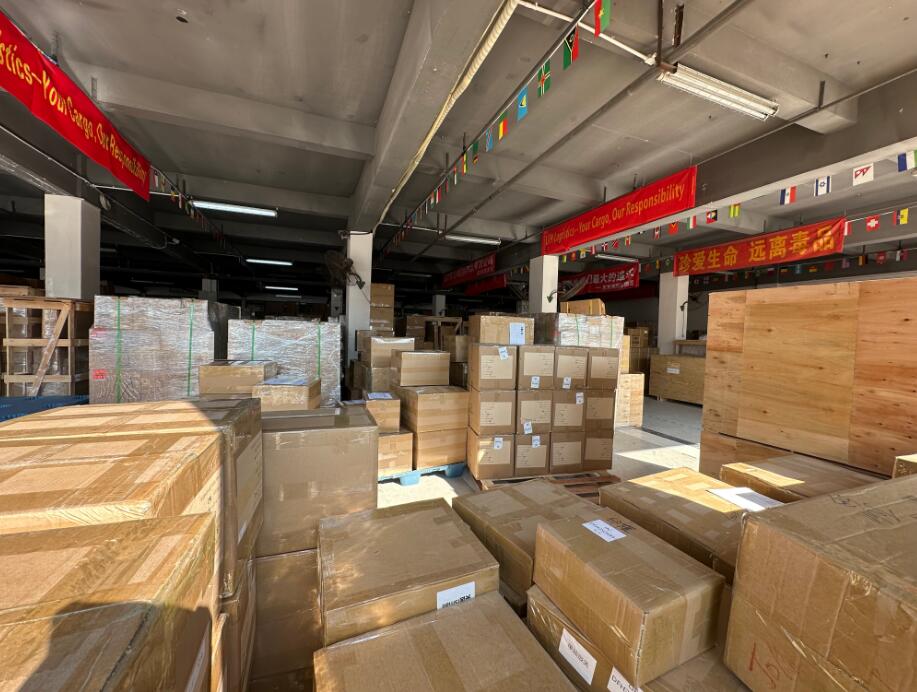
Negotiating freight forwarding contracts from China is not about squeezing the lowest number out of a quote — it is about locking in cost predictability, execution certainty, and controllable risk.
As the co-founder of DFH Logistics, with more than 13 years of hands-on international logistics experience, I’ve seen that most losses in global shipping come from poorly negotiated contracts, not from high freight rates.
This article is written to give you a clear, executable negotiation framework you can actually use — whether you are shipping occasionally or managing long-term imports.
1. What Exactly Are You Negotiating in a Freight Forwarding Contract?

You are not negotiating a price — you are negotiating responsibility, risk allocation, and execution standards.
Before I ever talk numbers with a client, I force the conversation back to scope.
If scope is not defined, every future argument becomes subjective.
In practice, you must clearly confirm and document:
- Which Incoterm applies, and where responsibility officially transfers
- Whether the service is port-to-port or door-to-door
- Who handles export customs in China
- Who handles import clearance and duty payment
- Whether delivery includes appointment, inside delivery, or Amazon FBA compliance
- Expected shipment frequency and volume range
Many disputes start with “I thought this was included.”
A good contract removes assumptions and replaces them with written responsibility.
Further reading: Incoterms Explained for Importers and Official ICC Incoterms Rules
2. How Should You Structure a Freight Quote for Negotiation?
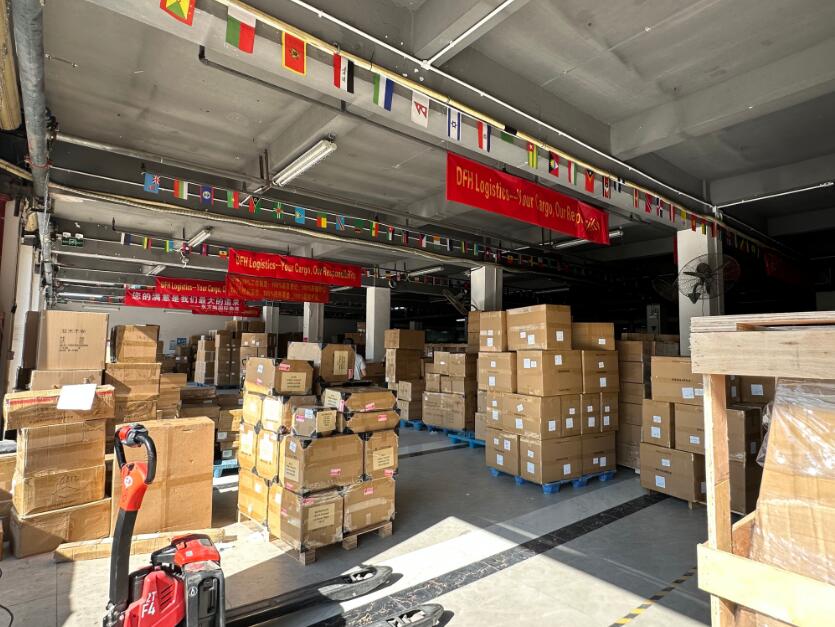
A negotiable freight contract always starts with a transparent cost breakdown — not a single total price.
From my experience, lump-sum quotes favor the forwarder, not the shipper.
They hide cost drivers and eliminate your ability to negotiate intelligently.
I always require quotes to be broken down into:
- Origin pickup and warehouse handling
- Export customs declaration fees
- Main freight charges (with calculation logic explained)
- Destination customs clearance costs
- Duties and taxes if DDP
- Local delivery and accessorial charges
- Potential variable surcharges
When you see each line clearly, you gain leverage:
- You can compare quotes fairly
- You can challenge unreasonable charges
- You can negotiate cost drivers, not guesses
Transparency is not a favor — it is a baseline requirement.
Related guide:
3. How Do You Negotiate Freight Rates Without Causing Future Problems?
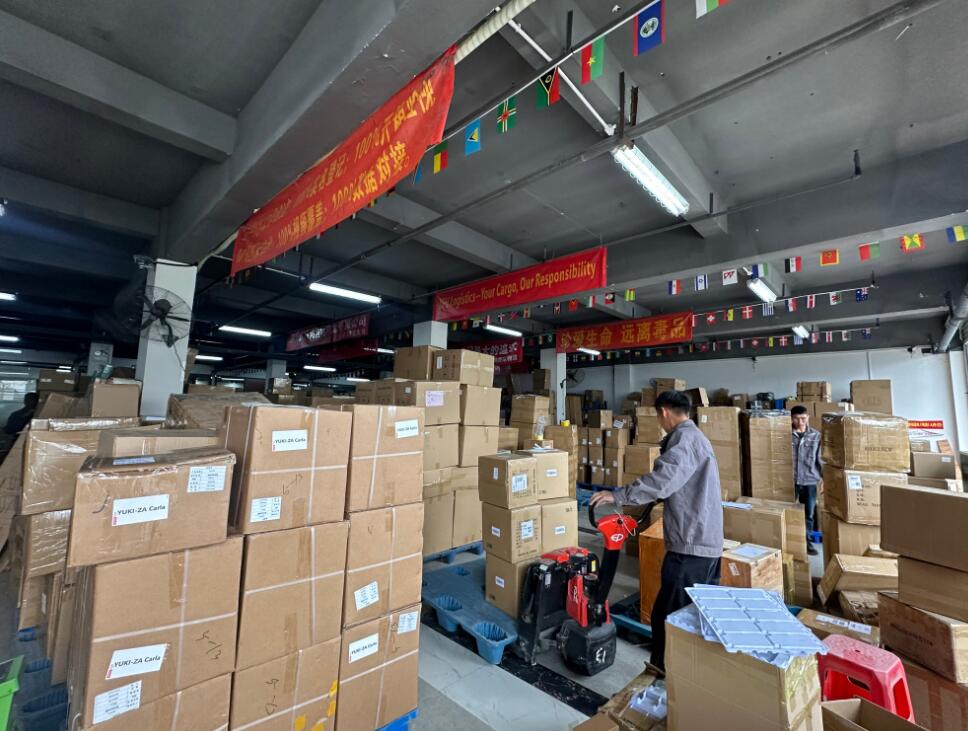
The goal of rate negotiation is stability, not short-term cheapness.
One of the biggest mistakes I see importers make is pushing for the lowest possible rate without controlling future adjustments.
This almost always leads to surprise increases later.
Your negotiation should focus on:
- Rate validity period clearly stated
- Conditions under which fuel surcharges can change
- Clear peak-season surcharge rules
- Defined exchange-rate reference
I advise clients to avoid any contract language that allows unilateral changes without notice.
A slightly higher but stable rate almost always costs less over time.
4. Spot Rates vs Contract Rates: Which One Should You Negotiate?
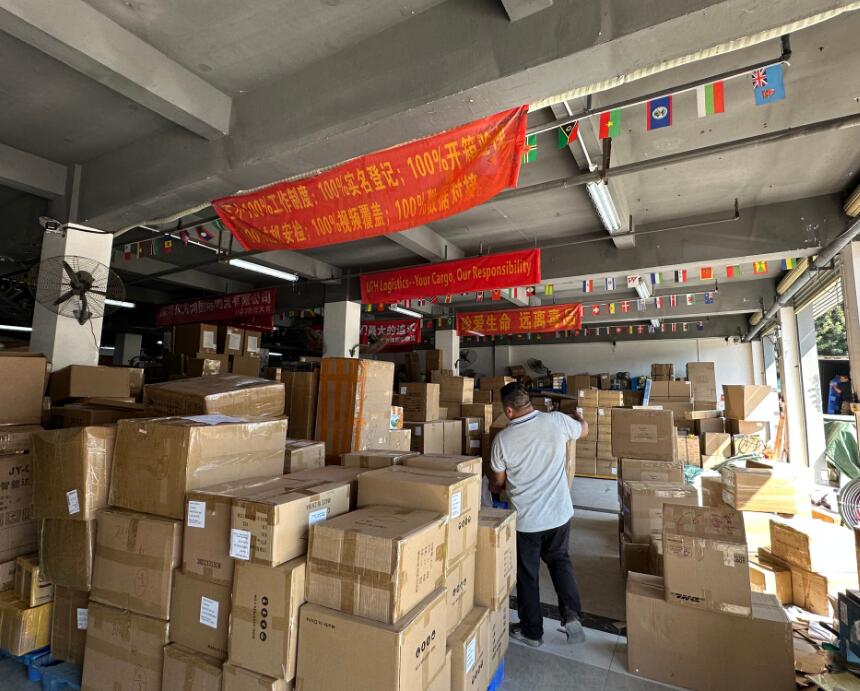
Spot rates solve short-term needs; contract rates protect your supply chain.
In real operations:
- Spot rates are reactive
- Contract rates are strategic
When negotiating, you must clearly identify which one you are dealing with.
Key questions I always ask:
- Is this pricing guaranteed or subject to space availability?
- What happens during peak season or capacity shortages?
- Will my cargo be rolled if rates rise suddenly?
Many experienced importers use spot rates tactically, but they never rely on them for core inventory.
If your business depends on predictable delivery, contract rates are non-negotiable.
Recommended reading:
5. What Service-Level Clauses Must Be in the Contract?
Without service-level clauses, your contract has no teeth.
I strongly believe that SLAs are not about punishment — they are about clarity.
At minimum, your contract should define:
- Booking confirmation time
- Documentation accuracy standards
- Responsibility for customs-related delays
- Transit time ranges with tolerance buffers
- Escalation and communication timelines
When something goes wrong — and eventually it will — these clauses determine whether problems are solved quickly or turn into long disputes.
Supporting content:
6. How Should You Negotiate Payment Terms Safely?
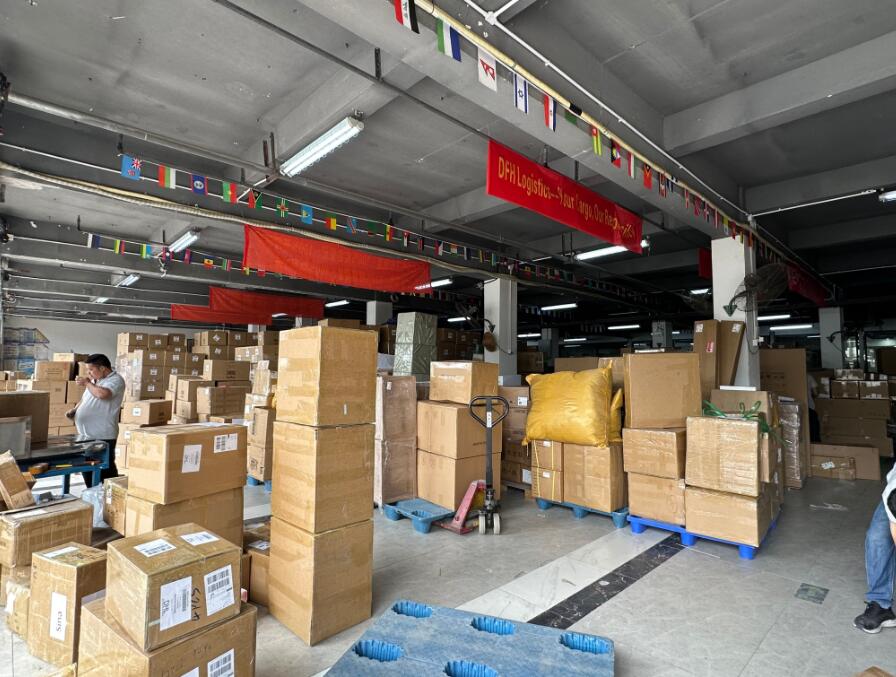
Payment terms reflect a forwarder’s financial health and operational maturity.
From my experience:
- Full prepayment may be acceptable for first-time or small shipments
- Deposit-plus-balance structures are safer for growing volumes
- Monthly statements are earned through trust and performance
What matters most is clarity:
- Clear invoices
- Defined payment timing
- No unexplained charges added later
If payment terms feel rushed, vague, or inconsistent, that is usually a warning sign — not a negotiation win.
7. How to Handle Insurance, Claims, and Liability in the Contract?
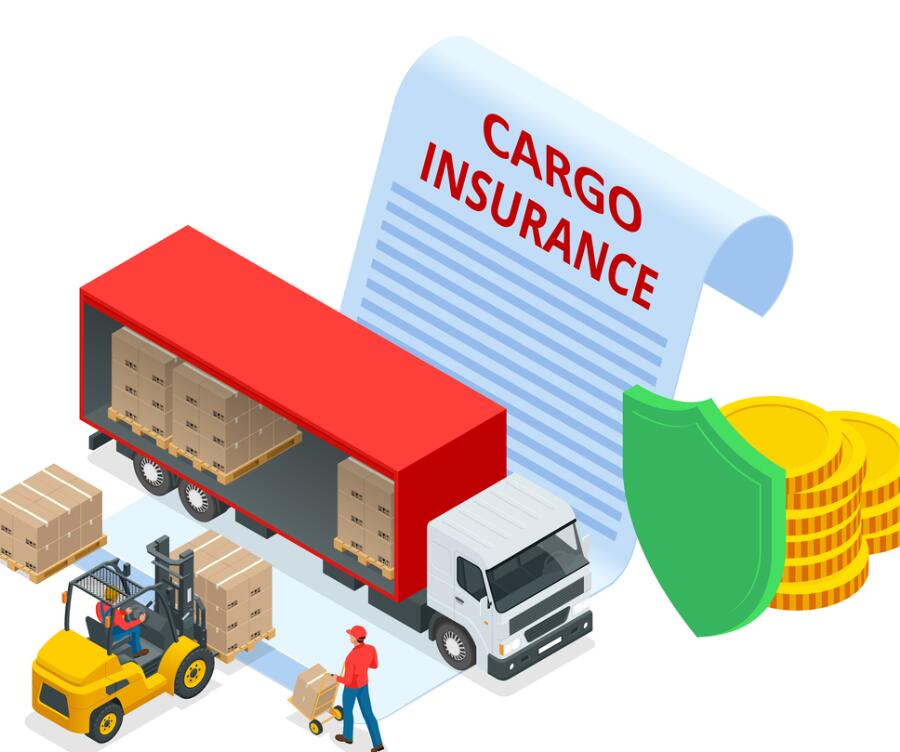
Most freight disputes only start after cargo damage or delay — not before shipment.
That is why I insist these topics are negotiated upfront.
Your contract should clearly state:
- Who arranges cargo insurance and at what coverage level
- Who files claims and within what timeframe
- Required documentation for claims
- Liability limits and exclusions
If a forwarder avoids this discussion or says “we’ll handle it later,” you should reconsider the partnership.
Authority reference:
- External: Cargo Insurance Basics (Lloyd’s Market)
8. What Are the Biggest Red Flags When Negotiating Freight Contracts?
Walking away from a bad negotiation is often the smartest decision you can make.
I advise importers to stop immediately if they encounter:
- Refusal to provide written quotes
- Prices that are far below market without explanation
- No operational presence or warehouse in China
- No proven experience with your destination country
- Vague or evasive answers around DDP responsibilities
Red flags at the negotiation stage almost always become costly problems later.
9. A Long-Term Freight Contract Strategy That Actually Works
The strongest freight contracts are built through execution, not pressure.
What I consistently see working:
- Start with small trial shipments
- Measure execution accuracy and communication
- Increase volume gradually
- Renegotiate using real shipment data
This approach creates leverage naturally.
Forwarders prioritize partners who are predictable, professional, and long-term — not those who negotiate aggressively but inconsistently.
Final Thoughts
Freight forwarding contracts from China are not paperwork — they are operational control tools.
When negotiated correctly, they protect your margins, timelines, and customer trust.
If you negotiate with structure and clarity, pricing becomes a result — not a risk.
If you want help reviewing a real quote or building a negotiation checklist, that is exactly the type of work I do every day.