
Freight consolidation from multiple suppliers in China is one of the most effective ways to lower shipping costs, reduce customs risk, and regain control when sourcing from several factories. Based on my 12+ years as co-founder of DFH Logistics, this in-depth guide explains how consolidation really works on the ground, how to execute it correctly, and how to avoid the costly mistakes I see importers make every week.
If you are sourcing from China seriously, the problem is rarely the product itself.
The real challenge begins after production.
Most importers I work with don’t buy from just one factory. They buy from:
- One supplier for the main product
- Another for accessories
- Another for packaging or spare parts
Each supplier ships separately, on their own schedule, with their own packing standards.
This leads to very real problems:
- You pay minimum freight charges multiple times
- Carton sizes are inefficient, increasing volumetric weight
- Documents are inconsistent, increasing customs risk
- Delivery timelines become unpredictable
Freight consolidation exists to solve exactly these issues — but only if you understand the process and plan it correctly from the start.
What Is Freight Consolidation from Multiple Suppliers in China?
Freight consolidation is the process of collecting goods from different Chinese suppliers into a single warehouse, then repacking and shipping them together as one international shipment.
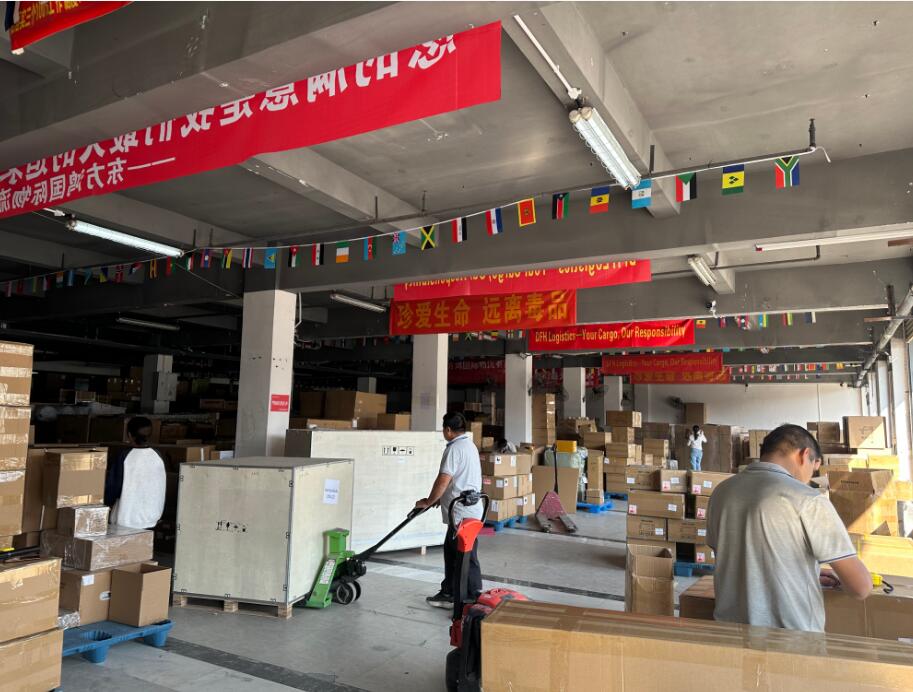
In practical terms, consolidation means:
- One control point instead of many
- One shipment instead of multiple small ones
- One logistics plan instead of reactive decisions
For importers shipping regularly, consolidation is not optional — it is a core logistics strategy.
Why Do Importers Need Freight Consolidation?
Importers use freight consolidation to reduce shipping costs, improve packaging quality, and simplify customs clearance.
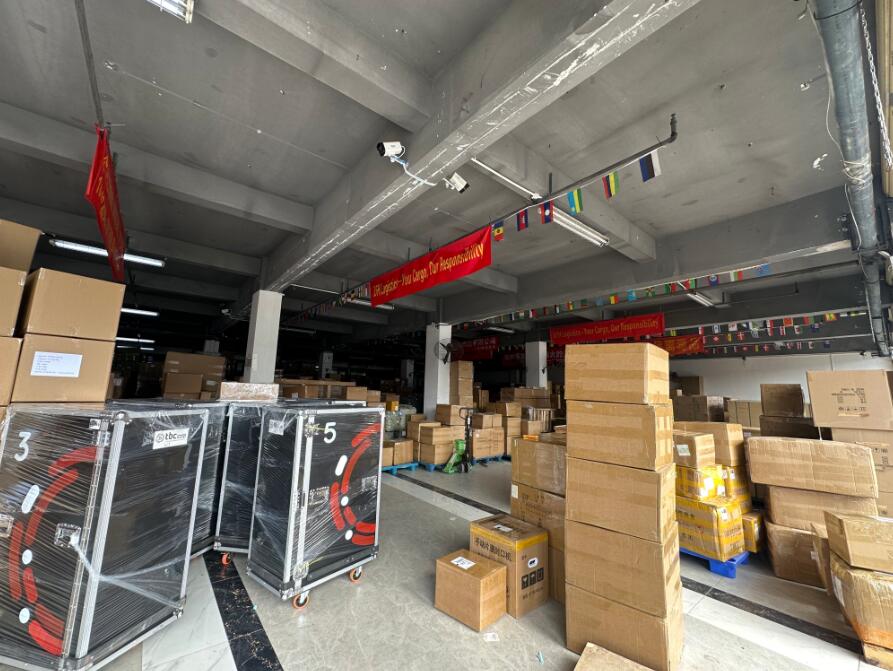
Without consolidation, I often see:
- Importers paying 2–3 times more than necessary on freight
- Goods damaged due to weak factory cartons
- Delays caused by mismatched invoices and packing lists
With consolidation:
- Freight is charged once, not repeatedly
- Cartons can be optimized for international transport
- Documentation is unified and easier to control
This is especially important if you are shipping under DDP terms.
You can read more about this in our detailed guide on DDP shipping from China.
How Does Freight Consolidation from Multiple Suppliers Work Step by Step?
Freight consolidation follows a structured operational process designed to eliminate uncertainty and surprises.

Here is how we run consolidation in real operations:
- I confirm readiness dates with each supplier
- Domestic pickup is scheduled or suppliers deliver to our warehouse
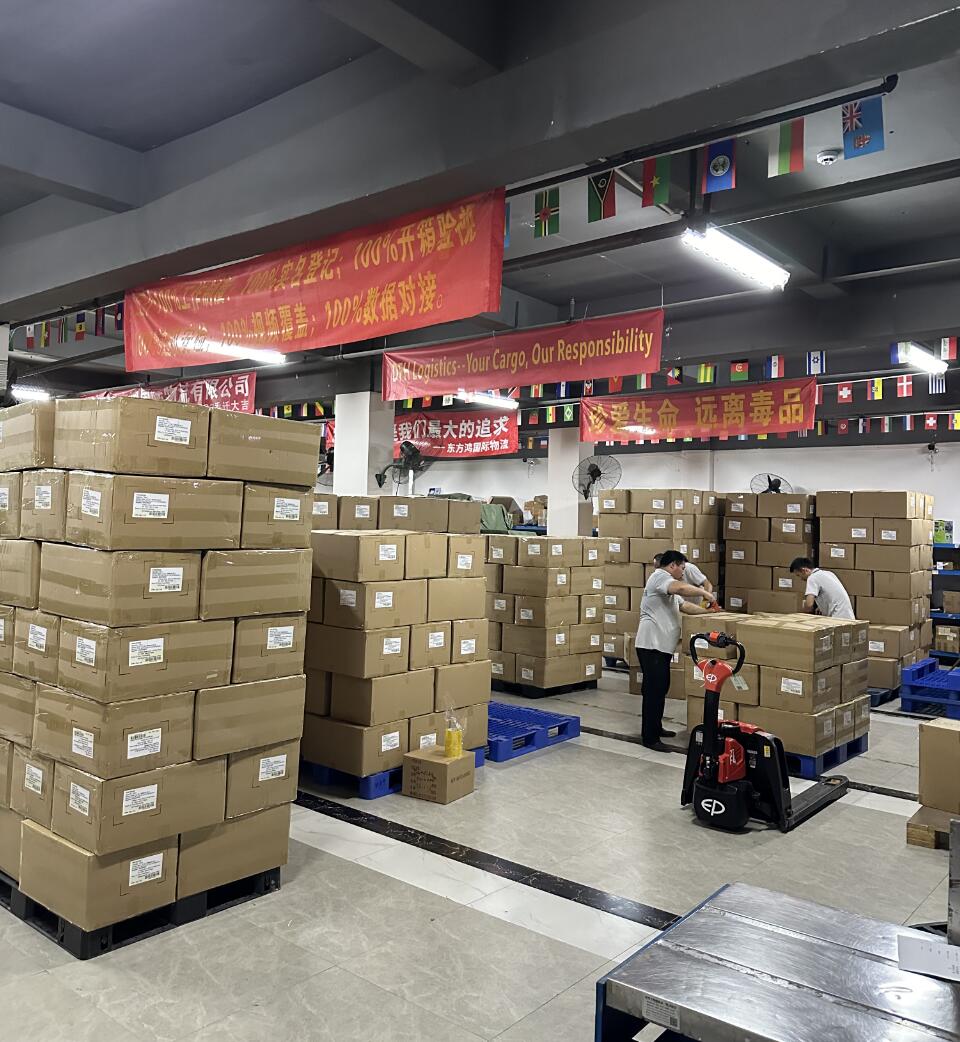
- Each shipment is received and logged
- Quantities are counted and cartons checked
- Photos are taken for importer confirmation
- Repacking or reinforcement is done if required
- Cargo is consolidated and prepared for international shipment
This process ensures nothing moves blindly.
Who Arranges Pickup from Different Suppliers in China?
A professional freight forwarder should manage all domestic pickups and supplier coordination.
In reality:
- Factories focus on production, not logistics coordination
- Importers overseas cannot manage Chinese trucking
- Poor pickup planning delays the entire shipment
At DFH Logistics, we take over supplier coordination completely, so you don’t need to chase factories across different cities.
This same coordination model is also used in our China to USA shipping services.
How Much Can You Save by Consolidating Freight from China?
Freight consolidation can reduce total shipping costs by 20–40 percent when compared to separate shipments.
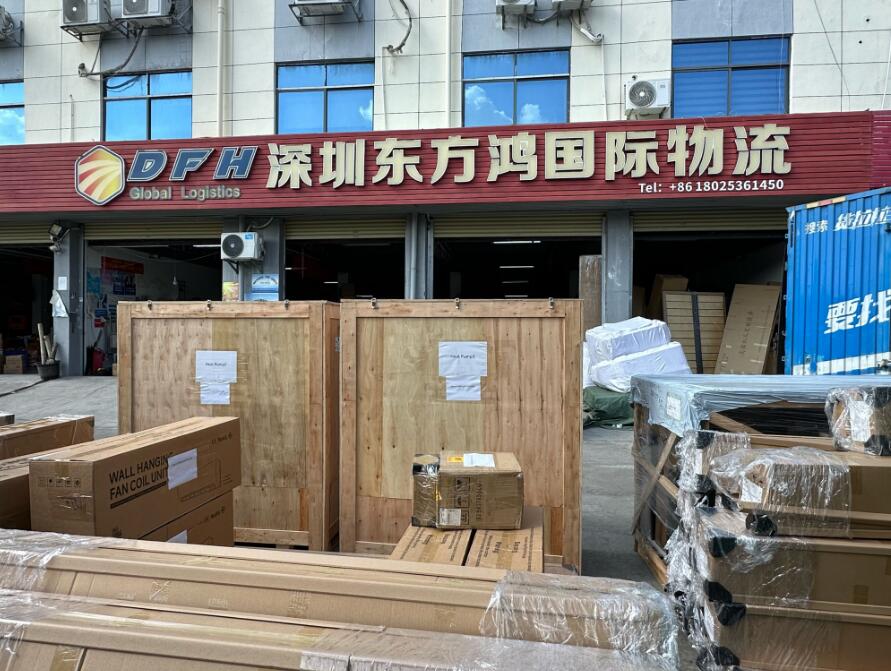
Savings come from:
- Avoiding repeated minimum freight charges
- Reducing volumetric weight through repacking
- Paying destination handling fees once instead of multiple times
Many importers think they are saving money by shipping early from each supplier. In reality, they are paying for inefficiency.
Repacking, Carton Replacement, and Volume Optimization
Repacking is one of the most valuable parts of freight consolidation.
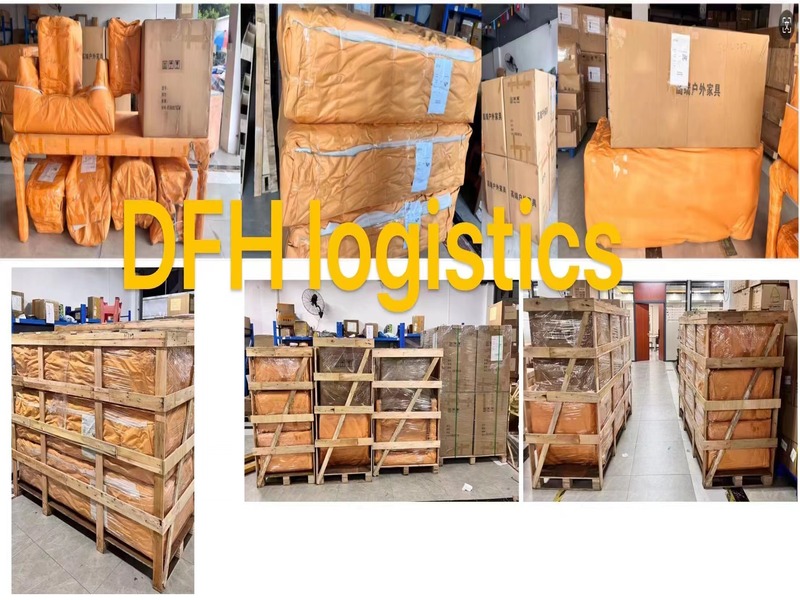
Most factory cartons are:
- Designed for domestic transport
- Oversized and poorly reinforced
- Not moisture-protected
During consolidation, we often:
- Replace weak cartons
- Reduce empty space
- Add protective materials
- Recalculate volume for fair freight charging
This step alone can significantly reduce your final shipping cost.
Quality Inspection and Quantity Verification During Consolidation
Consolidation warehouses provide a critical checkpoint before goods leave China.
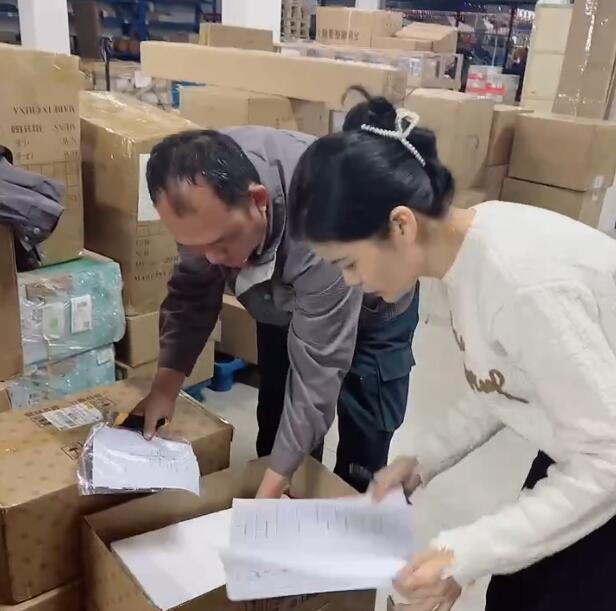
At this stage, we can:
- Verify carton count
- Confirm outer packaging condition
- Identify visible damage or mismatches
This is not full factory QC, but it prevents many disputes and losses before international shipping begins.
How Documentation Works After Consolidating Multiple Suppliers
Correct documentation is essential when consolidating goods from multiple suppliers.
Key points:
- Invoices must clearly reflect all products
- HS codes must match consolidated cargo
- Packing lists must align with final cartons
Poor documentation is one of the top reasons shipments are delayed at customs.
You can read more about this topic in our guide on
declaring customs value when importing from China.
Customs Clearance Challenges with Consolidated Shipments
Consolidated shipments increase customs scrutiny if not handled correctly.
Common risks include:
- Mixed HS codes without clear descriptions
- Incorrect declared values
- Inconsistent supplier information
This is why experience matters more than price when choosing a consolidation partner.
At DFH Logistics, you now need to worry about the customs clearance challenges, as if you choose our DDP shipping, we help you handle everything including make the shipping documents, handle the customs clearance and pay taxes. You Need just one time payment to our company then waiting at home to receive the packages.
Freight Consolidation for Amazon FBA Shipments
For Amazon sellers, freight consolidation is almost mandatory.
During consolidation, we handle:
- FNSKU labeling
- Carton label compliance
- Palletization when required
- Shipment splitting for different Amazon warehouses
Without consolidation, Amazon inbound logistics becomes expensive and error-prone.
You can also reference our Amazon FBA shipping from China guide.
Best Shipping Methods After Freight Consolidation
Consolidation allows you to choose the most suitable shipping method based on cost and urgency.

Typical scenarios:
- Small and urgent → DDP air freight
- Medium volume → DDP sea freight
- Large volume → LCL or FCL
Instead of being forced into one option, consolidation gives you flexibility.
How Long Does Freight Consolidation in China Take?
Freight consolidation usually takes 3–7 days under normal conditions.
Breakdown:
- Supplier delivery or pickup: 1–3 days
this is the shipping time from factory to our warehouse, it depends on the distance between us. Usually the manufacture time of different factories influence the total consolidation time.
- Inspection and repacking: 1–2 days
This can be done fast by freight forwarder warehouse workers.
- Final booking and dispatch: 1–2 days
Once getting your confirmation of everything well no problem, then the freight forwarder can help booking and arrange international shipping.
Planning consolidation early avoids last-minute delays.
Common Mistakes Importers Make with Freight Consolidation
Most consolidation problems are caused by planning errors, not logistics capability.
Mistakes I see frequently:
- Waiting until all goods arrive before contacting a forwarder
- Choosing partners based only on price
- Ignoring carton dimensions and volume
- Failing to confirm consolidation scope
These mistakes often cost more than the freight itself.
How to Choose a Reliable Freight Consolidation Partner in China
A reliable freight consolidation partner must be operationally capable, process-driven, and accountable — not just competitive on price. In my experience, consolidation fails far more often due to weak execution than freight cost itself.

When importers approach me after a bad experience, the root cause is usually the same:
they chose a partner who could quote, but could not operate.
Here are the criteria I recommend you evaluate carefully — this is exactly how I assess partners internally.
1. Real Warehouse Operations (Not Virtual or Subcontracted Only)
A serious consolidation partner should have:
- A physical warehouse in China, not just an address
- On-site staff who handle receiving, checking, and repacking
- Clear inbound and outbound cargo records
If a forwarder cannot show you how goods are received, stored, and consolidated, you are relying on blind trust — and that is risky.
2. Proven Experience with Mixed Cargo and Multi-Supplier Shipments
Consolidation is not simply stacking cartons together.
It requires experience handling:
- Different product categories in one shipment
- Mixed HS codes and documentation
- Different packaging standards from multiple factories
An experienced partner knows how to standardize chaos — this directly affects customs clearance success and damage risk.
3. Clear and Repeatable Consolidation SOPs
Strong partners operate with standard operating procedures, not improvisation.
You should clearly understand:
- How inbound cargo is checked
- What happens if cartons are damaged or missing
- When repacking is triggered and how it is approved
- How final quantities are confirmed before shipping
If the process cannot be explained clearly, it is probably not under control.
4. Transparent Communication and Responsibility Boundaries
A reliable partner communicates proactively, not reactively.
You should expect:
- Photo or video confirmation after receiving goods
- Clear updates when all suppliers have arrived
- Immediate notification of issues, not excuses later
Just as important: responsibilities must be defined.
You should know who is responsible at each stage — pickup, warehousing, consolidation, and shipping.
5. End-to-End Accountability, Not Fragmented Services
The best consolidation partners take responsibility for the entire chain, not just one step.
This includes:
- Domestic pickup coordination
- Warehouse consolidation
- Export documentation
- International shipping and delivery (especially under DDP)
When responsibility is fragmented, problems get passed around.
When responsibility is centralized, problems get solved.
A truly reliable freight consolidation partner does more than move boxes.
They become an extension of your supply chain, helping you reduce cost, control risk, and scale sourcing from China with confidence.
Is Freight Consolidation Worth It for Small Shipments?
Yes — consolidation is often even more valuable for small shipments from multiple suppliers.

It makes sense when:
- Each supplier ships small quantities
- Packaging quality varies
- Cost predictability matters
Consolidation is about structure, not shipment size.
FAQs About Freight Consolidation from Multiple Suppliers in China
Can suppliers from different cities be consolidated?
Yes, suppliers from different cities can ship to one warehouse.
Do all suppliers need to ship at the same time?
No, goods can arrive at different times and be held temporarily.
Is consolidation safe for fragile goods?
Yes, with proper repacking and protection.
Can I consolidate and ship under DDP terms?
Yes, consolidation works very well with DDP shipping.
Who is responsible if goods go missing?
Responsibility depends on the agreed process and documentation.
Final Thoughts: Turning Freight Consolidation into a Long-Term Advantage
Freight consolidation is not just a logistics tactic.
It is a long-term cost and risk control strategy.
After more than 12 years working with importers worldwide, I’ve seen a clear pattern:
- Importers who plan consolidation early scale faster
- Importers who ignore it eventually pay more
When done correctly, freight consolidation transforms complexity into control — and that is where real competitiveness comes from.