
If you are searching for the best way to ship goods from China to the USA without dealing with multiple service providers, complex customs procedures, and unexpected import costs, door to door shipping is usually the most practical solution.
As Penny, co-founder of DFH Logistics, I can say that door to door shipping from China to the USA is one of the most searched logistics solutions because importers want three things at the same time: a simpler process, better cost control, and reliable delivery. Whether you are shipping commercial cargo, e-commerce products, samples, Amazon FBA goods, or bulk orders for your business, the right door to door method can save you time, reduce mistakes, and help you avoid expensive delays.
In this guide, I will explain what door to door shipping really means, the best options available, how to choose the right one, what the process looks like, how long it takes, and what costs you should expect. My goal is to help you make a better shipping decision and reduce risk before your cargo leaves China.
What Is Door to Door Shipping From China to USA?
Door to door shipping from China to the USA is a logistics service where the freight forwarder handles pickup from the supplier, export customs in China, international transportation, U.S. customs clearance, duty or tax processing when applicable, and final delivery to the consignee’s address.
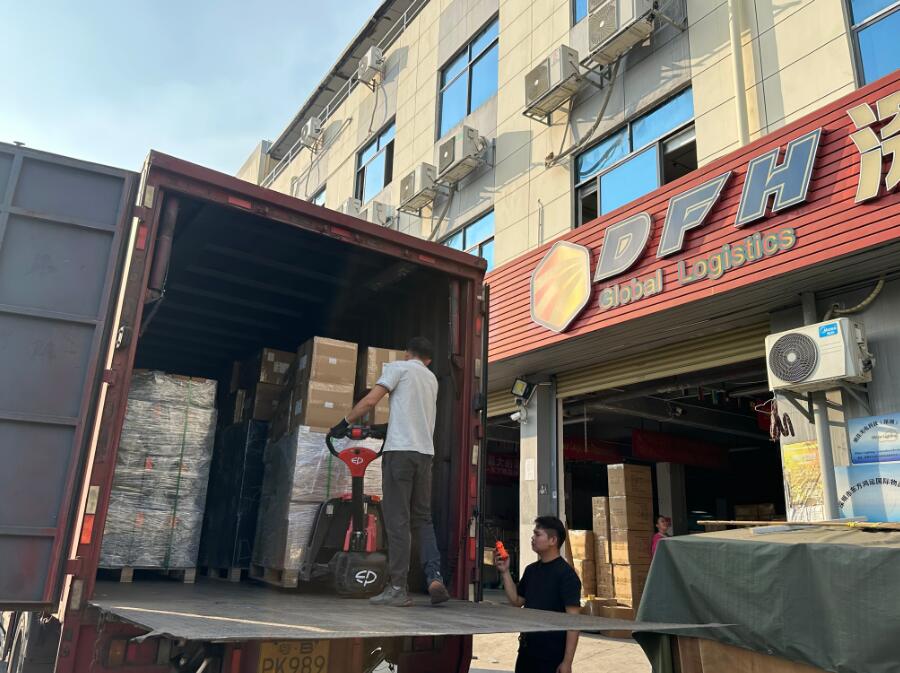
Door to door shipping means your cargo moves from your supplier’s address in China directly to your warehouse, office, home, store, Amazon warehouse, or customer address in the United States. Instead of arranging pickup, export, freight, customs clearance, and final-mile delivery separately, you work with one logistics provider that manages the full chain.
This is one of the most attractive shipping options for importers because it reduces communication problems and makes the process much easier to control. You do not need to coordinate multiple companies across different countries or spend time learning every customs step by yourself.
For many importers, especially small businesses, Amazon sellers, first-time buyers, and companies buying from multiple Chinese suppliers, door to door shipping is the safest and most efficient model.
Why Do Importers Prefer Door to Door Shipping?
Importers prefer door to door shipping because it simplifies the logistics process, reduces coordination work, lowers the risk of customs mistakes, and provides clearer control over delivery from supplier pickup to final destination.
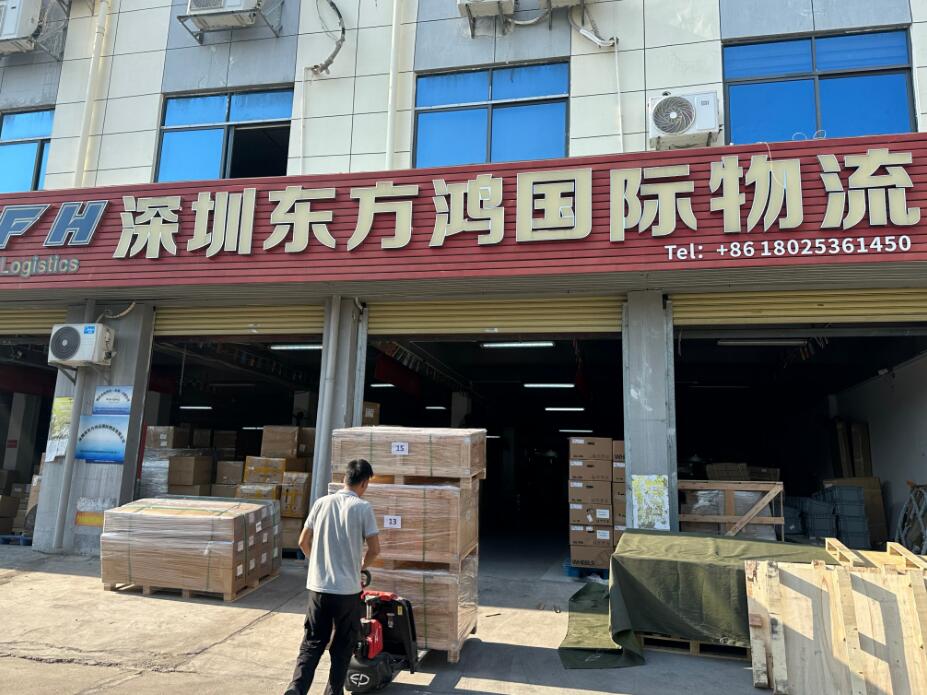
Most importers are not looking for freight space alone. They are looking for a complete solution that helps them move goods from China to the USA with fewer problems. That is exactly why door to door shipping has become so popular.
The biggest reason is convenience. Instead of managing factory pickup, export documents, loading, freight booking, U.S. customs clearance, and local trucking separately, the importer can rely on one team to coordinate everything. This saves time and also reduces the chance of costly mistakes caused by poor communication between multiple parties.
Another reason is predictability. A professional freight forwarder can explain the shipping route, likely transit time, customs requirements, and possible costs in advance. For B2B buyers, this makes procurement planning much easier. For e-commerce sellers, it helps avoid stockouts and sales interruptions.
What Are the Main Door to Door Shipping Options From China to USA?
The main door to door shipping options from China to the USA are express courier, air freight door to door, sea freight door to door, and DDP shipping, with each option suited to different cargo sizes, budgets, urgency levels, and customs handling needs.
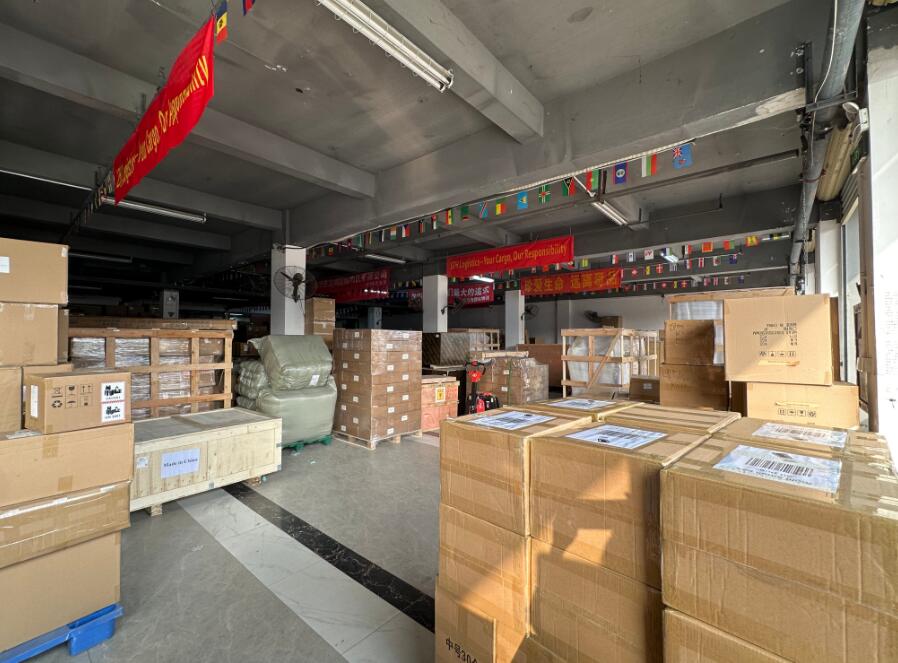
The best option depends on your shipment size, cargo type, urgency, budget, and delivery address. In practice, most importers compare four major door to door methods.
1. Express Courier Door to Door
This is the fastest option for small packages, urgent samples, or lightweight shipments. Carriers such as DHL, UPS, and FedEx pick up in China and deliver directly in the USA.
It is ideal when speed matters more than freight cost. However, for larger cargo, the cost can become very high because express companies usually charge based on volumetric weight.
2. Air Freight Door to Door
Air freight door to door is a good option for importers who need faster delivery than sea freight but want a lower cost than express courier. It works well for medium-sized shipments, commercial cargo, and products with tighter restocking deadlines.
In many cases, this option includes pickup, airport handling, customs processing, and final delivery. It is commonly used for high-value or time-sensitive goods.
3. Sea Freight Door to Door
Sea freight door to door is the most economical choice for large shipments, bulky cargo, and importers who are more focused on reducing cost than achieving the fastest transit time.
This option is usually divided into LCL and FCL. LCL is suitable when your cargo does not fill a full container. FCL is better when your shipment volume is large enough to justify a whole container.
4. DDP Shipping Door to Door
DDP means Delivered Duty Paid. Under a DDP arrangement, the freight forwarder handles pickup, export clearance, international shipping, U.S. import clearance, duty and tax payment, and final delivery.
This is especially attractive for importers who do not want to deal with customs formalities directly. It is widely used by small businesses, individual buyers, Amazon sellers, and companies that prefer an all-inclusive shipping solution.
Which Door to Door Shipping Option Is Best for Small Shipments?
For small shipments from China to the USA, express courier is usually the best door to door option for urgent delivery, while air freight door to door can be more cost-effective for slightly larger cargo that still needs fast transit.
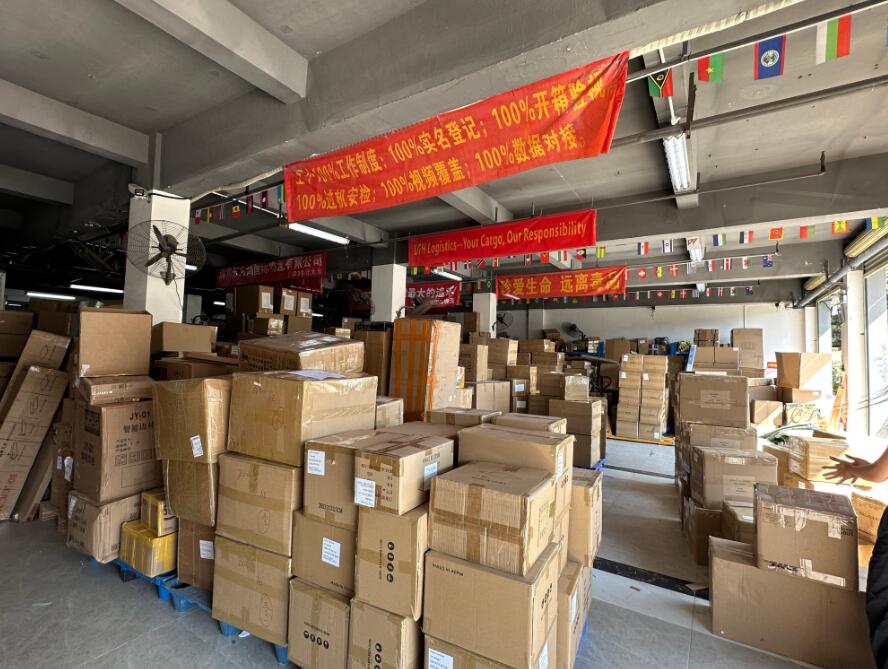
If your shipment is small, your decision usually comes down to express courier versus air freight door to door. The right answer depends on the actual weight, volumetric weight, urgency, and the delivery requirement.
For very small and urgent parcels, express courier is often the most practical choice. It is simple, fast, and easy to track. Samples, documents, replacement parts, and trial orders often move this way.
But once the shipment becomes a bit larger, air freight door to door may provide better value.
While Sea freight door to door shipping accept shipments over than 21KG. So if your shipment is over than 21KG, and you have time to waiting items like 20-25 days, Then sea freight Door to door is good option as well.
Many importers automatically assume express is the best option for every small shipment, but that is not always true. If the cargo is light but bulky, express charges can rise quickly due to dimensional weight rules.
Which Door to Door Shipping Option Is Best for Large Shipments?
For large shipments from China to the USA, sea freight door to door is usually the best option because it offers the lowest cost per unit and is suitable for bulky, palletized, or container-based cargo.
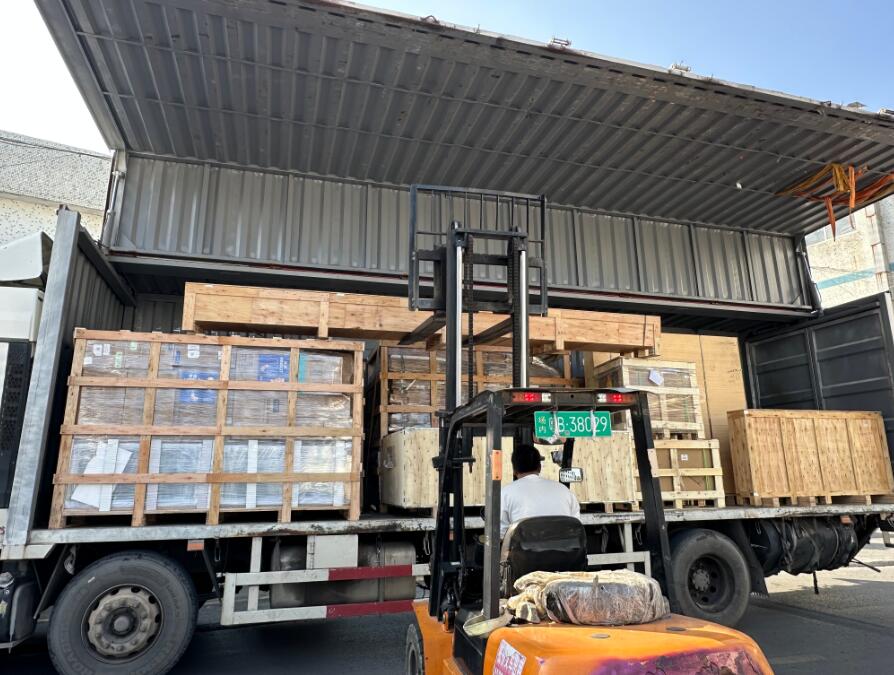
For larger cargo, sea freight door to door is usually the most cost-effective solution. This is especially true for furniture, building materials, machinery, home goods, LED products, promotional items, and wholesale commercial orders.
If the volume is smaller, LCL can work well because you share container space with other shipments. If your cargo is large enough, FCL gives you better cargo control, faster container handling, and often a better landed cost per unit.
Large shipments can also benefit from professional packaging, palletizing, container loading supervision, and cargo consolidation if goods come from multiple suppliers. These details matter because they affect both shipping cost and transit reliability.
Example: You buy big size products, such as machinery, furniture,led sign, led display and so on many big sizes products from different China suppliers. Then Sea freight DDP should be the best option if you have enough time to waiting them like 20-35days.
Is DDP the Best Door to Door Shipping Method for USA Importers?
DDP can be the best door to door shipping method for many USA importers because it simplifies customs clearance and duty handling, but the best choice depends on cargo type, importer qualifications, and the desired level of control over the import process.
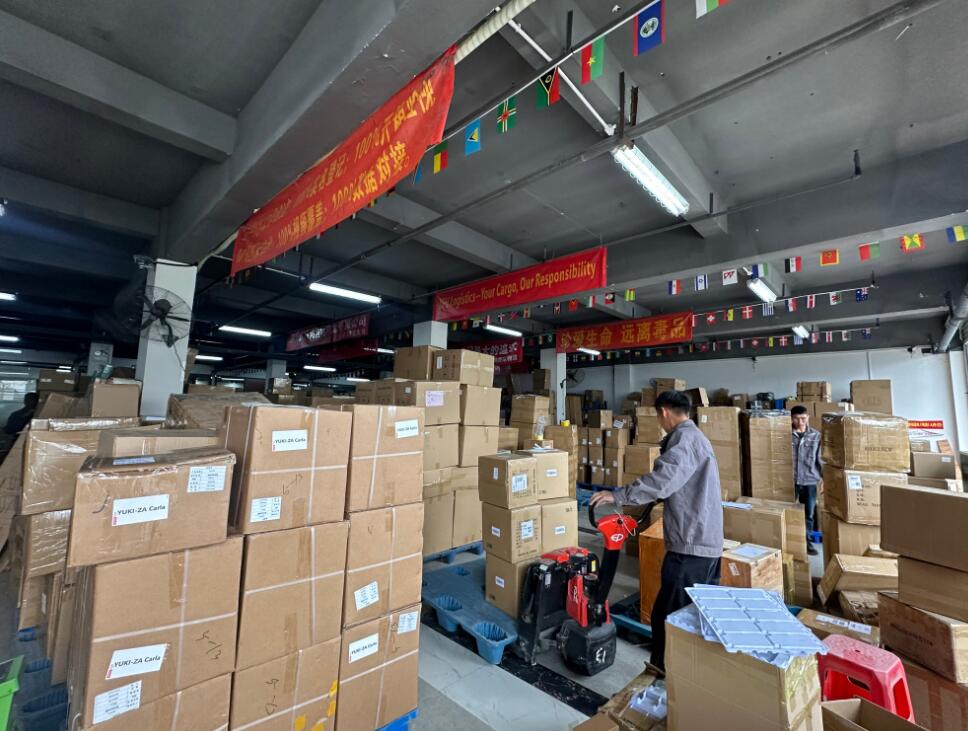
DDP is one of the most attractive options for importers who want a simple and low-stress shipping process. Under DDP, the freight forwarder manages the import procedures and arranges the cargo to be delivered with duties and taxes handled as agreed.
This is particularly useful for buyers who do not have a strong customs team, are importing for the first time, or want to avoid dealing with technical clearance procedures. It is also practical for buyers shipping to commercial addresses, Amazon warehouses, or project sites where timing and simplicity are important.
That said, DDP is not always the best fit for every shipment. Some larger or more specialized importers may prefer to control customs entry under their own importer profile. The best method depends on the business model, compliance needs, and shipment structure.
What Is the Difference Between DDP and DDU in Door to Door Shipping?
The main difference between DDP and DDU is that under DDP the seller or forwarder handles import duties and taxes as agreed, while under DDU the buyer is usually responsible for paying duties, taxes, or customs-related charges before final delivery.
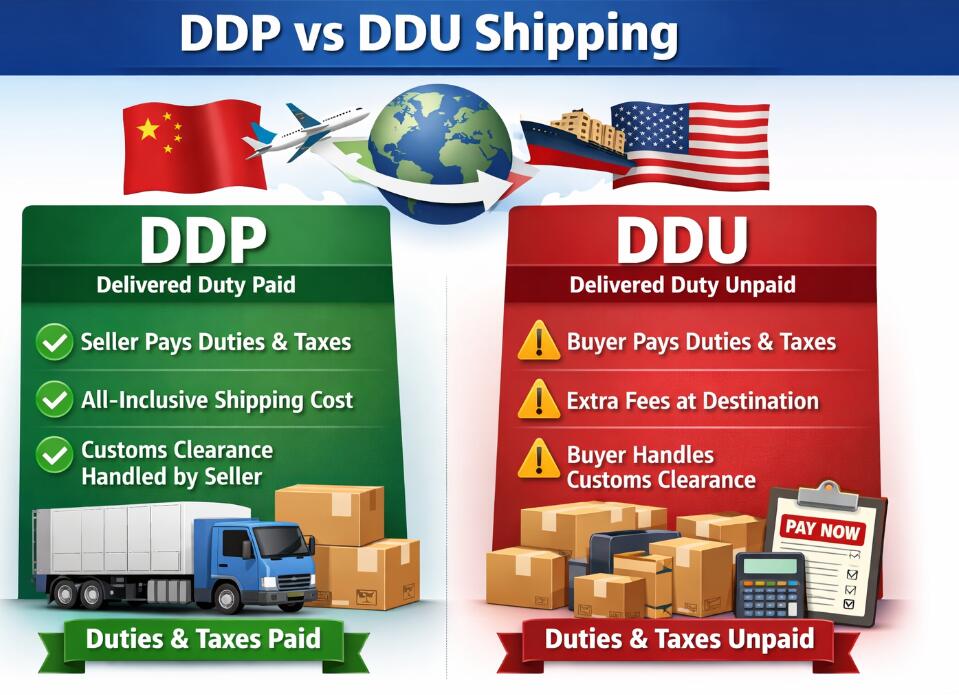
This is a very common question because many importers confuse these two terms. In practical door to door logistics, the biggest difference is who handles the import-side customs clearances and financial responsibility.
With DDP, the shipping arrangement is designed to be more complete. Import duties, customs-related handling, and final delivery are included according to the agreement. This makes budgeting and planning easier.
With DDU-style arrangements, the goods may still move close to the final address, but the consignee often needs to pay duties or respond to customs requirements before the cargo can be released. That can create delays, especially for buyers who were expecting a more hands-off process.
How Does the Door to Door Shipping Process Work From China to USA?
The door to door shipping process from China to the USA usually includes confirming cargo details, choosing the right shipping method, arranging pickup, preparing documents, completing export customs in China, shipping internationally, clearing U.S. customs, and delivering the goods to the final address.
If you want to ship smoothly from China to the USA, the best way is to follow the process step by step. Here is the practical version.
Step 1: Confirm Your Cargo Details?
Before booking, prepare the basic shipment information:
- Product name
- Quantity
- Carton dimensions
- Gross weight
- Cargo value
- Supplier address in China
- Delivery address in the USA
- Whether the goods contain batteries, liquids, magnets, or other special attributes
This step matters because the shipping method, price, and customs process all depend on accurate cargo details.
Step 2: Choose the Right Shipping Method?
Select the method based on cargo size, budget, and urgency:
- Express for small and urgent parcels
- Air freight door to door for medium and time-sensitive cargo
- Sea freight door to door for large or heavy shipments
- DDP shipping if you want customs and duty handling included as agreed
Do not book until you clearly understand what is included.
Step 3: Get a Clear Quote?
Ask for a formal quote that confirms:
- Shipping method
- Transit time
- Weight or volume basis
- Whether customs clearance is included
- Whether duties and taxes are included
- Whether final delivery is included
A clear quote helps avoid disputes later.
Step 4: Ask the Supplier to Prepare the Goods?
Tell the supplier:
- When the goods must be ready
- How the cartons should be packed
- Whether labels or shipping marks are needed
- To prepare the invoice and packing list
If you have multiple suppliers, make sure each supplier follows the same shipping instructions.
Step 5: Arrange Pickup or Warehouse Delivery?
The freight forwarder either picks up the goods from the supplier or asks the supplier to send them to the forwarder’s warehouse.
At this stage, confirm:
- Pickup address
- Contact person
- Carton count
- Ready date
Step 6: Check the Cargo at the Warehouse?
After the goods arrive at the warehouse, they should be checked for:
- Carton quantity
- Carton condition
- Dimensions and weight
- Labels
- Missing or damaged goods
If needed, the forwarder can also repack, consolidate, or palletize the shipment.
Step 7: Prepare the Shipping Documents?
The main documents usually include:
- Commercial invoice
- Packing list
- Shipping labels if needed
For some special products, extra documents may also be required. The product description should always be accurate.
Step 8: Complete Export Customs in China?
Before the shipment leaves China, export customs declaration must be completed.
This step is usually handled by the freight forwarder or export agent. Once customs is cleared, the cargo can move to the international shipping stage.
Step 9: Ship the Goods to the USA?
After export clearance, the cargo is shipped by express, air, or sea.
At this point, you should receive the departure update and the estimated arrival timeline.
Step 10: Clear U.S. Customs?
When the goods arrive in the USA, import customs clearance must be completed.
Depending on the shipping arrangement, this may be handled by:
- The freight forwarder
- A customs broker
- The importer
- A DDP service provider
If customs is not handled correctly, the shipment can be delayed.
Step 11: Pay Duties and Taxes if Required?
This depends on the shipping term.
- Under DDP, duties and taxes are usually handled as agreed
- Under non-DDP terms, the importer may need to pay before delivery
You should confirm this before shipping, not after arrival.
Step 12: Arrange Final Delivery?
After customs release, the shipment is delivered to the final address in the USA, such as:
- Warehouse
- Office
- Store
- Home
- Amazon FBA warehouse
For some deliveries, an appointment, loading dock, or liftgate may be required.
Step 13: Check the Goods After Delivery?
When the cargo arrives, check:
- Carton quantity
- Outer packaging condition
- Whether anything is missing
- Whether the shipment reached the correct address
If there is any problem, report it immediately and keep photos.
Quick Checklist You Can Follow?
| Step | What to Do |
|---|---|
| 1 | Confirm cargo details |
| 2 | Choose the shipping method |
| 3 | Get a clear quote |
| 4 | Tell the supplier how to prepare the goods |
| 5 | Arrange pickup or warehouse delivery |
| 6 | Check the cargo |
| 7 | Prepare documents |
| 8 | Complete export customs |
| 9 | Ship internationally |
| 10 | Clear U.S. customs |
| 11 | Pay duties if required |
| 12 | Arrange final delivery |
| 13 | Check the goods after arrival |
How Long Does Door to Door Shipping From China to USA Take?
Door to door shipping from China to the USA usually takes about 3 to 7 days by express, 6 to 12 days by air freight door to door, and around 25 to 40 days by sea freight door to door, depending on route, customs, and final delivery location.

Transit time depends heavily on the shipping method you choose. Importers should not ask only, “How long does freight take?” They should ask, “How long does the full door to door process take?” That includes pickup, handling, customs, and local delivery.
Here is a general reference:
| Shipping Method | Typical Door to Door Transit Time | Best For |
|---|---|---|
| Express Courier | 3–7 days | Urgent parcels, samples, documents |
| Air Freight Door to Door | 6–12 days | Medium shipments, urgent commercial cargo |
| Sea Freight Door to Door | 25–40 days | Heavy, bulky, or budget-focused cargo |
| FCL Sea Freight Door to Door | 25–40 days | Large volume or full container cargo |
Actual delivery time may also be affected by supplier readiness, port congestion, airline or vessel schedules, customs review, and the final destination within the USA.
How Much Does Door to Door Shipping From China to USA Cost?
Door to door shipping from China to the USA usually costs about $1.9–$3.9/kg by DDP sea freight, $4–$10/kg by DDP air freight, and $6–$15/kg by express courier, depending on cargo size, weight, destination, season, and whether duties and taxes are included. For larger shipments, LCL is often quoted by CBM, while FCL is quoted by container type rather than by kilogram.

There is no one-size-fits-all shipping price because each shipment is calculated differently. The final cost usually depends on these factors:
- Actual weight and volume
- Cargo type and value
- Pickup city in China
- Delivery address in the USA
- Shipping method
- Customs handling requirements
- Whether the service is DDP or not
- Peak season or off-season conditions
Here is a broad reference range for many common shipments:
| Shipping Method | Typical Price Reference | Charging Basis |
|---|---|---|
| Express Courier | $6–15/kg | Actual or volumetric weight |
| Air Freight DDP | $4–10/kg | Chargeable weight |
| Sea Freight DDP | $1.9–3.9/kg | Weight or volume-based depending on route |
| LCL Sea Freight | Quoted by CBM or shipment profile | Shared container space |
| FCL Sea Freight | Quoted by container type | 20GP, 40GP, 40HQ |
A professional quote should be based on real shipment data, not just a rough guess. That is why I always recommend preparing accurate cargo details before comparing offers.
What Factors Affect Door to Door Shipping Rates the Most?
The main factors that affect door to door shipping rates from China to the USA are cargo weight and volume, shipping method, product type, pickup location, delivery address, customs requirements, season, and whether extra services such as consolidation, repacking, insurance, duties, and final delivery are included.
The final shipping rate is not decided by one factor alone. It is usually a combination of the points below.
Cargo weight and volume
Shipping cost is often based on either actual weight or volumetric weight. If the cartons are large but light, the charge may still be high.Shipping method
Express, air freight, sea freight, LCL, FCL, and DDP all have different pricing structures. Faster methods usually cost more.Product type
Goods with batteries, liquids, magnets, fragile materials, branded products, or other special attributes may need special handling or special shipping channels.Pickup location in China
If the supplier is far from a major port or airport, local pickup and transfer costs may increase.Delivery address in the USA
Commercial addresses in major cities are usually easier and cheaper to deliver to than residential, remote, or limited-access addresses.Customs requirements
If the cargo needs more documents, customs coordination, or special clearance arrangements, the total cost may be higher.Duties and taxes
If duties and taxes are included in the quote, the rate will look different from a quote where the importer pays them separately.Shipment size
Small shipments, medium shipments, and large shipments are priced differently. A method that is good for 50 kg may not be the best for 500 kg or 5 CBM.Season and market conditions
Freight rates often rise during peak seasons, busy sales periods, and times of limited space.Extra services included
Services such as supplier pickup, consolidation, repacking, labeling, palletizing, inspection, insurance, and final-mile appointment delivery can all affect the final quotation.
What Should You Pay Most Attention To?
Before comparing quotes, always check these points clearly:
- Is the rate based on actual weight or volumetric weight?
- Are duties and taxes included or not?
- Is final delivery included to the exact address?
- Are any extra service fees missing from the quote?
That is the simplest way to avoid comparing prices that look similar but actually cover very different services.
What Information Do You Need Before Booking Door to Door Shipping?
Before booking door to door shipping from China to the USA, importers should prepare cargo details such as product name, quantity, dimensions, weight, pickup address, delivery address, cargo value, and any special packaging or customs requirements.
The quality of your shipping quote depends on the quality of the information you provide. If the data is incomplete, the quote may be inaccurate, and that can create trouble later.
Normally, a freight forwarder will need the product name, total cartons, carton dimensions, gross weight, supplier address, destination address, cargo value, and whether the goods contain batteries, liquids, magnets, wood, or other special attributes. If your cargo is from multiple suppliers, that should also be stated at the beginning.
For larger B2B shipments, it is also useful to confirm whether the cargo is palletized, whether an appointment is needed for delivery, and whether the consignee has any unloading limitations. These details directly affect the final shipping plan.
Can You Use Door to Door Shipping for Amazon FBA Deliveries?
Yes, door to door shipping can be used for Amazon FBA deliveries from China to the USA, especially when the freight forwarder can handle pickup, carton labeling, appointment scheduling, customs coordination, and final delivery to the designated Amazon warehouse.
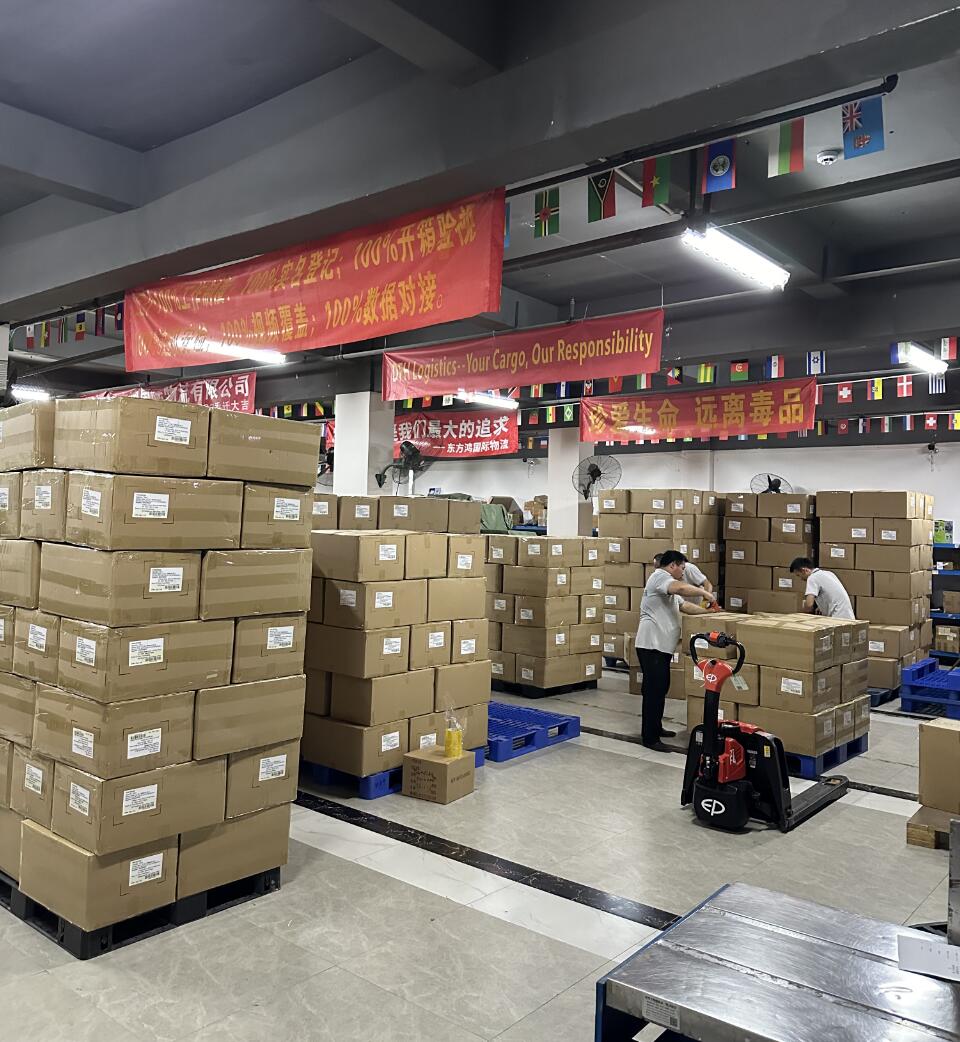
Many Amazon sellers prefer door to door shipping because it reduces the operational burden of moving goods from factory to fulfillment center. When the shipment is handled properly, the seller can focus more on stock planning and sales rather than logistics coordination.
However, Amazon shipments often require more attention to packaging, carton labels, pallet requirements, and warehouse appointment rules. A forwarder without FBA experience may make mistakes that cause delays, refused delivery, or extra charges.
For this reason, Amazon sellers should always confirm that the logistics provider understands FBA procedures and can handle pre-shipment checks, labeling support, and warehouse-compliant delivery arrangements.
Is Door to Door Shipping a Good Option for Importers Buying From Multiple Suppliers?
Door to door shipping is an excellent option for importers buying from multiple suppliers because it allows cargo consolidation in China, reduces communication complexity, and often lowers the total shipping cost compared with shipping each order separately.
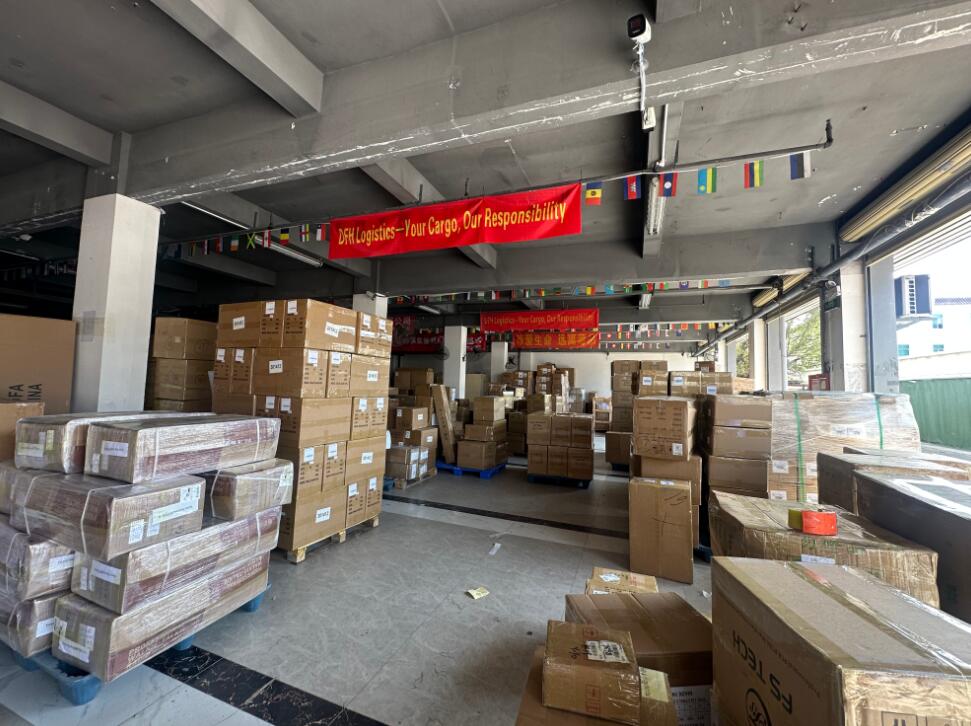
This is one of the strongest use cases for door to door shipping. Many importers do not buy from only one factory. They buy from several Chinese suppliers, often located in different cities, and want all cargo combined into one shipment.
A freight forwarder with warehouse and consolidation capability can receive the goods, check the incoming cartons, group the cargo properly, and repack if needed to reduce wasted space. That often lowers the total shipping cost and also makes delivery much easier on the U.S. side.
Without consolidation, the importer may face repeated pickup charges, duplicated customs handling, multiple tracking numbers, and higher final-mile costs. In many cases, proper consolidation is one of the simplest ways to improve shipping efficiency.
What Are the Risks of Choosing the Wrong Door to Door Shipping Provider?
Choosing the wrong door to door shipping provider can lead to delayed delivery, poor communication, inaccurate quotes, customs issues, hidden charges, damaged cargo, and shipment visibility problems.
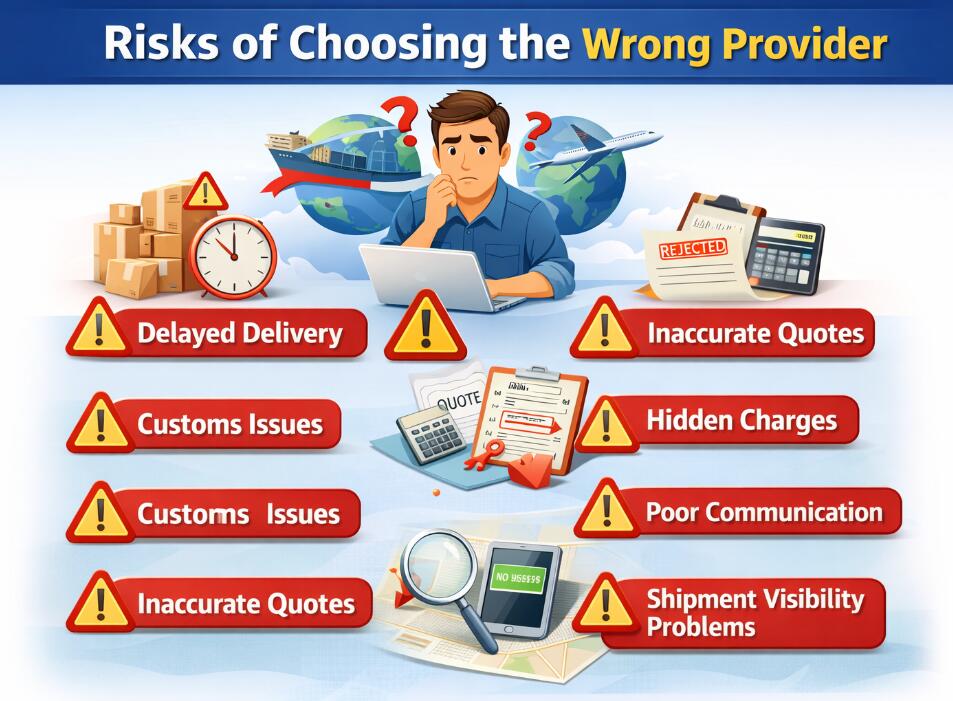
Not all freight forwarders provide the same level of service. Some only look competitive because they offer a low starting quote, but the actual logistics execution may be weak.
A poor provider may fail to check the cargo before departure, provide unclear pricing, communicate slowly, or use unstable delivery arrangements. That creates risk for importers who need reliable restocking, cost control, and professional handling.
When evaluating a forwarder, importers should look beyond the rate. The real question is whether the provider can control the shipment well from start to finish. Good service means accurate pre-shipment planning, stable transit arrangements, proper document coordination, honest communication, and responsible problem-solving.
How Can You Choose the Best Door to Door Shipping Partner?
To choose the best door to door shipping partner from China to the USA, importers should compare service scope, shipping experience, transparency, communication quality, cargo handling capability, and problem-solving ability instead of choosing on price alone.
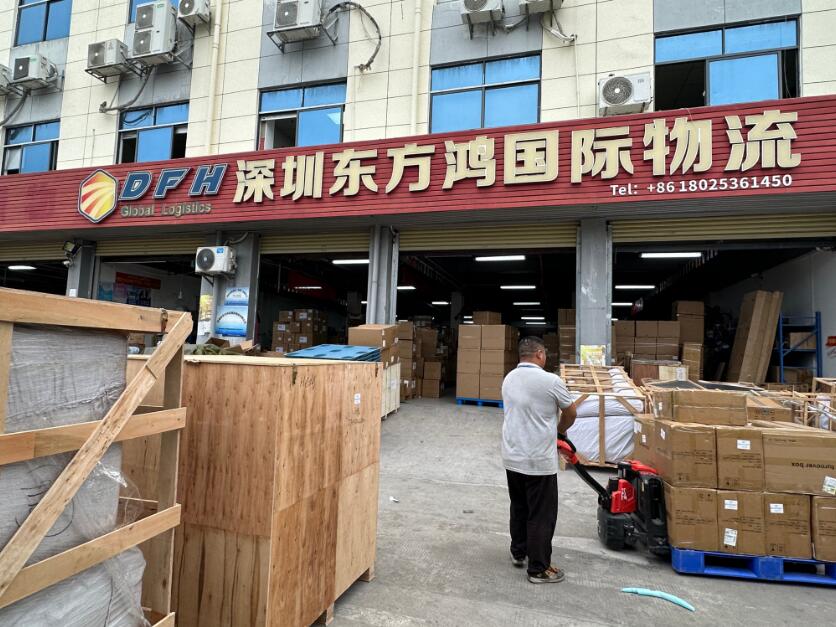
The best freight partner is not simply the one with the lowest offer. It is the one that can give you the most reliable result for your shipment type and business needs.
A professional shipping partner should be able to explain which option is best for your cargo, why that option is appropriate, what documents are needed, how the delivery will be handled, and what the likely timeline looks like. If the provider cannot explain the route clearly, that is usually a warning sign.
You should also look for a company that can support the full process, especially if you need consolidation, repacking, inspection, labeling, customs coordination, or delivery to special destinations such as Amazon warehouses or commercial receiving points.
What Are the Best Practices to Reduce Cost in Door to Door Shipping?
Featured Snippet: The best ways to reduce door to door shipping cost from China to the USA include choosing the right shipping method, improving packaging efficiency, consolidating cargo, planning earlier, and working with a forwarder that offers realistic routing and pricing.
Importers often ask how to get the cheapest shipping, but the better question is how to get the best total value. Cheap shipping that causes delays or damages can become very expensive in the end.
One of the most effective ways to reduce cost is to improve packaging. Reducing unnecessary carton size can lower volumetric charges significantly. Consolidating cargo from multiple suppliers can also reduce the total shipping expense.
Planning earlier helps as well. Last-minute bookings often limit your options and push you toward more expensive channels. If your shipment schedule is predictable, your forwarder has more flexibility to recommend a better routing strategy.
What Is the Best Door to Door Shipping Strategy for Different Types of Importers?
The best door to door shipping strategy depends on the importer type: express for urgent samples, air freight for medium and time-sensitive cargo, sea freight for larger budget-focused shipments, and DDP for buyers who want a more complete all-in-one solution.
Different importers need different solutions. There is no universal method that works for every shipment.
A new importer placing a small trial order may benefit most from express courier or small-batch air freight. An Amazon seller with time-sensitive inventory may prefer air freight door to door or DDP air. A wholesaler importing bulky goods regularly may achieve much better margins through sea freight door to door. A business buying from several Chinese factories may benefit greatly from consolidation plus sea or air DDP.
The right logistics strategy should match the business model, cash flow, urgency, cargo profile, and delivery destination. That is why expert route planning matters so much.
Conclusion
If your shipment is small and urgent, express courier may be the best option. If you need a balance between speed and cost, air freight door to door is often a strong choice. If your cargo is large, heavy, or bulky, sea freight door to door usually gives the best overall value. And if you want a more complete all-in-one solution, DDP may be the most convenient route.
From my experience, the best shipping decision is not based on price alone. It is based on choosing the option that matches your cargo, timeline, and business needs with the least risk.
If you are planning a shipment from China to the USA and want a practical recommendation based on your real cargo details, the best next step is to prepare your shipment information clearly and compare the most suitable door to door options before booking.
Need Help Choosing the Right Door to Door Shipping Solution?
If you are not sure whether express, air freight, sea freight, LCL, FCL, or DDP is the best option for your shipment, I recommend comparing based on these details first:
- Product name
- Total cartons or pallets
- Carton dimensions
- Gross weight
- Pickup city in China
- Delivery address in the USA
- Required delivery time
- Whether the cargo is from one or multiple suppliers
At DFH Logistics, we help importers evaluate the most suitable route based on cargo size, timing, destination, and customs requirements, so they can choose a practical shipping solution instead of guessing.
If your goal is to reduce shipping problems, control total landed cost, and get your cargo delivered more smoothly from China to the USA, choosing the right door to door plan at the beginning makes a big difference.