
The cheapest way to ship from China to the USA for small business buyers depends on cargo size, urgency, product type, and whether you need customs clearance and tax included. In most real business cases, sea freight DDP is the cheapest option for heavy or bulky cargo, air DDP is often the best low-cost solution for medium-sized shipments that still need reasonable speed, and express courier is only economical for small urgent parcels or samples.
If you are a small business buyer without your own customs team, the lowest quote is not always the lowest real cost. The right choice is the one that keeps your total landed cost low and your shipment process simple.
As Penny, co-founder of DFH Logistics which with over 13 years of shipping China to USA, I have seen many small business buyers focus too much on the freight quote itself and ignore customs, tax, delivery fees, dimensional weight, packaging inefficiency, and supplier coordination. That is exactly where shipping becomes unexpectedly expensive.
In this guide, I will explain how to choose the cheapest shipping method from China to the USA in a practical way, so you can reduce cost, avoid common mistakes, and make better importing decisions for your business.
What Is the Cheapest Way to Ship From China to USA for Small Business Buyers?
For small business buyers, the cheapest shipping method from China to the USA is not the same for every shipment. Sea freight DDP is usually the cheapest for bulky or heavy cargo, often around $1.9 to $3.9 per kg for general shipments, air DDP is often the most cost-effective for medium shipments, usually around $4 to $10 per kg, and express is best only for small urgent parcels, typically around $6 to $15 per kg.The real goal is to choose the lowest total cost, not just the lowest initial quote.
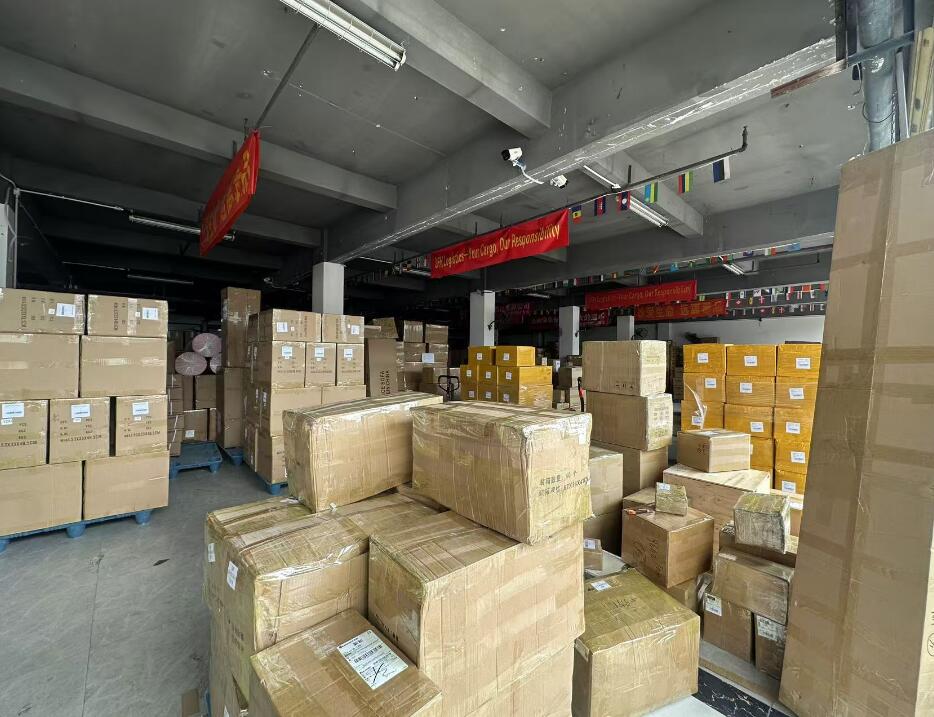
If you ask me for the simplest direct answer, I would say this:
- For heavy or bulky goods: sea freight DDP is usually the cheapest
- For medium commercial shipments: air DDP is often the best balance of cost and speed
- For samples or very urgent small parcels: express courier may make sense
- For buyers with multiple suppliers: consolidation can reduce total shipping cost significantly
A lot of buyers search for the “cheapest way” as if there is one fixed answer. In reality, the cheapest method changes according to your shipment details.
A 15 kg sample order and a 2 CBM furniture shipment should never use the same shipping logic. Even two shipments with the same weight can have very different costs if one is compact and the other is bulky.
From my experience, small business buyers usually care about four things at the same time: low cost, acceptable delivery time, simple customs handling, and predictable total charges. That is why many of them eventually choose DDP shipping from China to the USA, because it reduces unexpected fees and operational hassle.
Express vs Air vs Sea: Which One Costs Less?
Express is fastest but usually the most expensive per kg. Air freight costs less than express for many medium shipments. Sea freight is usually the lowest-cost option for large, heavy, or bulky cargo. The cheapest method depends on whether your shipment is urgent, compact, oversized, or price-sensitive.
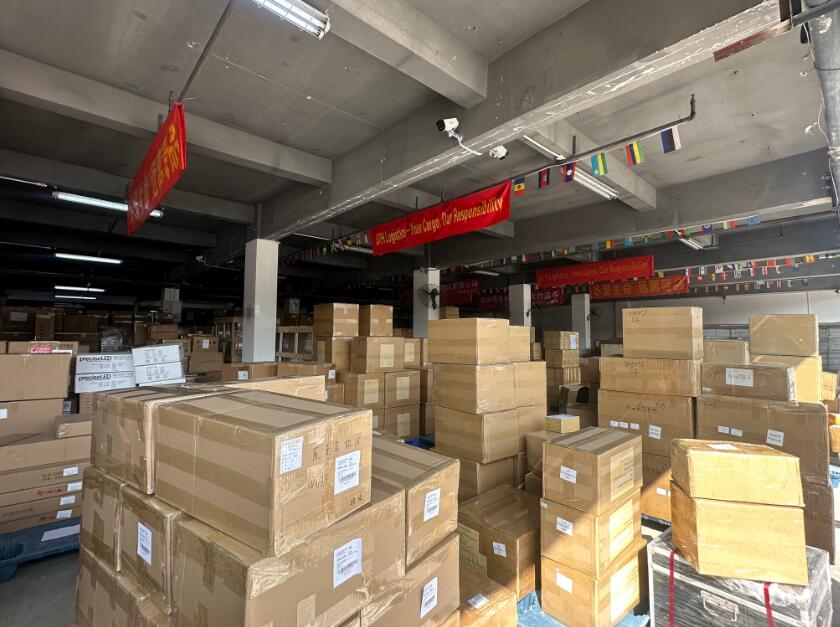
The biggest mistake I see is when buyers compare all shipping methods without understanding what each one is really designed for.
Express Courier
Express shipping, such as DHL, UPS, or FedEx, is built for speed and convenience. It is a very good option when your shipment is small and urgent. If you are sending samples, replacement parts, or a small batch of high-value goods, express can be a practical solution.
But for most small business buyers importing commercial cargo, express is not the cheapest option. Once your shipment becomes heavier or more bulky, express charges rise quickly, especially when dimensional weight is involved.
Air Freight
Air freight is usually more economical than express when your cargo is beyond small-parcel size but still needs fast delivery. For many shipments in the medium range, air freight DDP can reduce cost while still keeping transit time manageable.
This is why I often recommend air DDP to buyers who cannot wait for sea freight but also do not want to overpay for courier service. It often works well for e-commerce replenishment, new product launches, or stock that needs to arrive within a reasonable business timeframe.
Sea Freight
Sea freight is usually the cheapest method when your cargo is large, heavy, or bulky and you are not in a rush. If your products take up volume, sea freight nearly always becomes more economical than air. This is especially true for furniture, home goods, equipment, packaging materials, large orders, and multi-carton shipments.
For small business buyers, sea freight DDP is often the most practical low-cost option because it combines transportation, customs clearance, duties, and final delivery into one service flow.
Simple Comparison Table
| Shipping Method | Best For | Typical Price Range | Speed | Best Use Case |
|---|---|---|---|---|
| Express Courier | Small urgent parcels | About $6 to $15/kg for general cargo | Fastest | Samples, documents, urgent small orders |
| Air Freight DDP | Medium shipments | About $4 to $10/kg for general cargo | Fast | Commercial cargo that needs a balance between cost and delivery time |
| Sea Freight DDP | Heavy or bulky cargo | About $1.9 to $3.9/kg for general cargo | Slowest | Non-urgent cargo, bulky shipments, and larger orders |
Important Note: These price ranges are only suitable as a general reference for general cargo packed in standard carton boxes. If your goods contain batteries, involve well-known brands, or belong to other sensitive cargo categories, the final shipping cost may vary significantly. To get a more accurate shipping rate, it is always better to provide your freight forwarder with complete shipment details, including product type, total weight, carton dimensions, quantity, pickup city in China, and delivery address in the USA.
Cheapest Option by Shipment Size and charge weight.
One of the most useful ways to choose the right shipping method is to compare real shipment examples. Below, I will use clothing as a simple example because it is easy for most buyers to understand. These examples are based on general cargo, regular carton packaging, and door-to-door shipping from China to the USA.
Please remember that these are only reference ranges. The real shipping cost can still change depending on carton dimensions, delivery address, season, and whether the goods are general cargo or sensitive cargo.
Practical Shipping Examples by Weight
| Shipment Example | Shipping Method | Typical Transit Time | Typical Price Range | Best For |
|---|---|---|---|---|
| 5 kg clothes | Express Courier | 3–7 days | $30–$75 total | Small urgent parcels, samples, trial orders |
| 100 kg clothes | Express Courier | 3–7 days | $600–$1,500 total | Urgent replenishment only |
| 100 kg clothes | Air DDP | 6–12 days | $400–$1,000 total | Good balance of cost and speed |
| 100 kg clothes | Sea DDP | 25–40 days | $190–$390 total | Best if cost matters more than speed |
| 500 kg clothes | Express Courier | 3–7 days | $3,000–$7,500 total | Only for extremely urgent cases |
| 500 kg clothes | Air DDP | 6–12 days | $2,000–$5,000 total | Suitable when delivery is still time-sensitive |
| 500 kg clothes | Sea DDP | 25–40 days | $950–$1,950 total | Usually the cheapest option overall |
What These Examples Mean in Real Business
For a 5 kg shipment of clothes, express courier is usually the most practical choice. Even though the cost per kilogram is high, the total bill is still manageable, and the shipment arrives quickly. For samples, urgent small orders, or replacement shipments, this is usually acceptable.
For a 100 kg shipment of clothes, the picture changes. At this point, express becomes expensive very quickly. Air DDP is often a much better option because it gives you a lower shipping cost than express while still keeping delivery relatively fast. If your budget is tight and the shipment is not urgent, sea DDP may be even cheaper.
For a 500 kg shipment of clothes, express is usually no longer a sensible option unless the shipment is extremely urgent and profit margin is very high. In most normal business situations, sea freight DDP is the cheapest solution by a large margin. If the buyer still needs faster delivery, then air DDP becomes the middle-ground choice. or you can also ship like 20%-30% by air DDP and the rest by Sea DDP. your freight forwarder can ship to you like that in two shipments.
Important Price Note
The above examples are based on general cargo with regular carton packaging, such as clothing packed in standard export cartons. If your products contain batteries, involve famous brands, are liquids, powders, magnetic items, or belong to any other sensitive cargo category, the shipping price may be higher and the available shipping channels may also change.
For a more accurate quote, you should send your freight forwarder the following shipment details:
- Product name
- Total weight
- Carton dimensions
- Number of cartons
- Pickup city in China
- Delivery address in the USA
- Whether the cargo is general or sensitive
- Whether customs duty and tax need to be included
That is the only reliable way to know which channel is truly the cheapest for your shipment.
Hidden Costs That Make “Cheap Shipping” Expensive
The cheapest shipping quote is not always the cheapest real shipping solution. Duty, tax, customs clearance, delivery charges, dimensional weight, storage fees, and poor packaging can make a low quote become expensive later. Small business buyers should always compare the total landed cost, not just the freight rate.

This is the part that many articles do not explain clearly enough. A lot of buyers receive a low shipping quote, feel excited, and assume they have found the cheapest option. Then later they discover that important charges were never included.
The quote may exclude customs clearance. It may exclude import duty. It may exclude residential delivery fees. It may exclude destination handling charges. It may even exclude the final mile delivery itself. Once those extra costs appear, the “cheap” option is no longer cheap.
Another issue is dimensional weight. If your cartons are large, the carrier may charge based on volume instead of actual weight. This is very common in express and air freight. Many buyers only check kilograms and ignore carton size, which leads to major pricing surprises.
Poor packaging can also increase cost. If the supplier uses oversized cartons, unnecessary empty space, or weak outer packaging that needs repacking later, your shipping charge can go up without improving product protection.
That is why I always tell buyers to compare the following before choosing any freight solution:
- Is customs clearance included?
- Are duties and taxes included?
- Is final delivery included?
- Is the price based on actual weight or volumetric weight?
- Are there any extra handling or destination charges?
- Is the shipment going to a commercial address, residential address, or Amazon warehouse?
If you do not compare these points, you are not really comparing shipping cost. You are only comparing part of it.
How Small Business Buyers Can Reduce Shipping Costs
Small business buyers can reduce shipping costs from China to the USA by consolidating goods, improving packaging, planning orders earlier, choosing the right shipping method, and using DDP when they want clearer total cost control. The best savings usually come from better shipping strategy, not just asking for a lower rate.
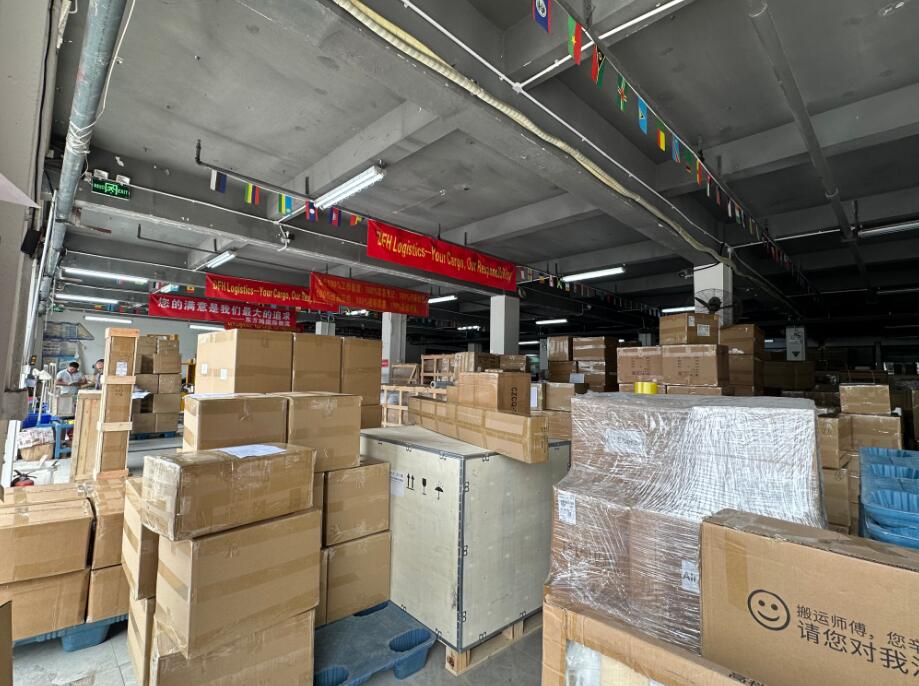
Lower shipping cost is not only about bargaining with freight forwarders. In many cases, the biggest savings come from better planning and better shipment structure.
Consolidate Orders From Multiple Suppliers
If you buy from several suppliers in China, sending everything separately is often one of the most expensive ways to ship. You may pay repeated local pickup fees, repeated handling charges, and repeated international shipping minimums.
Consolidation helps you combine goods into one shipment, reduce wasted logistics cost, and improve packaging efficiency. For many small business buyers, this is one of the easiest ways to save money without changing suppliers or lowering order quality.
Use the Right Packaging
Packaging has a direct effect on shipping cost. Large boxes with too much empty space will increase volumetric weight. Weak cartons may require repacking before export. Better packaging design can reduce chargeable weight and reduce damage risk at the same time.
I often advise buyers to check carton dimensions with suppliers before shipment instead of only asking for total weight.
Plan Earlier
Urgent shipping is rarely the cheapest shipping. Many buyers overpay simply because their ordering schedule is too late. When you plan earlier, you can use sea freight or a more economical air solution instead of last-minute express service.
This is one of the easiest ways small businesses can protect their margin.
Match the Method to the Cargo
Do not use express for cargo that should move by air freight. Do not use air freight for cargo that should move by sea. And do not assume sea is best for every shipment if stock timing is critical. The lowest-cost shipping decision should support your sales cycle, not work against it.
Consider DDP for Cost Clarity
For many small business buyers, DDP is not only easier. It is often cheaper in practice because it combines multiple logistics steps into one managed service. This reduces operational mistakes, avoids surprise destination fees, and makes budgeting easier.
Real Examples for Small Business Buyers
Let me show you how this works in a more realistic way.
Example 1: Small Urgent Shipment from China to USA
A buyer needs a small batch of product samples sent quickly from China to the USA. The cartons are compact, the order is urgent, and the business wants to confirm quality before placing a larger order.
In this case, express courier may be acceptable. It is not the cheapest method per kg, but the shipment is small enough that the total amount remains manageable, and speed is the priority.
Example 2: Medium Commercial Order
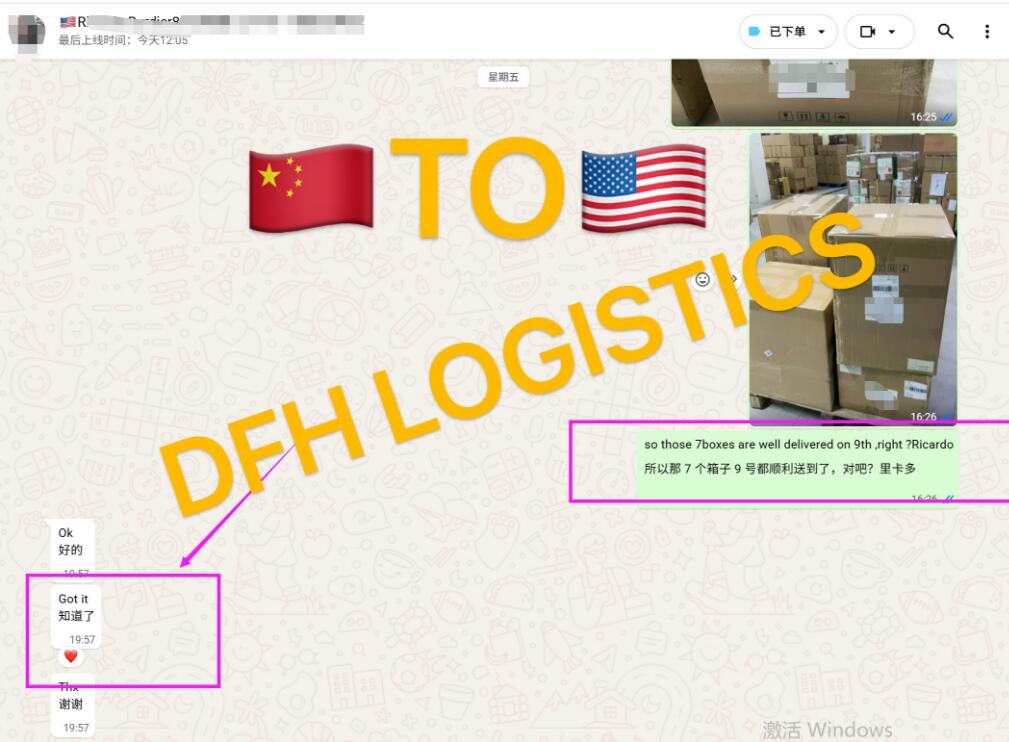
A small e-commerce seller has a shipment that is too large for express to stay economical, but not large enough to feel suitable for traditional sea shipping. The cargo needs to arrive soon, but not in just a few days.
In this situation, air DDP is often the most cost-effective choice. It reduces cost compared with express, keeps delivery time reasonable, and simplifies customs and final delivery.
Example 3: Bulky Cargo for a Small Business
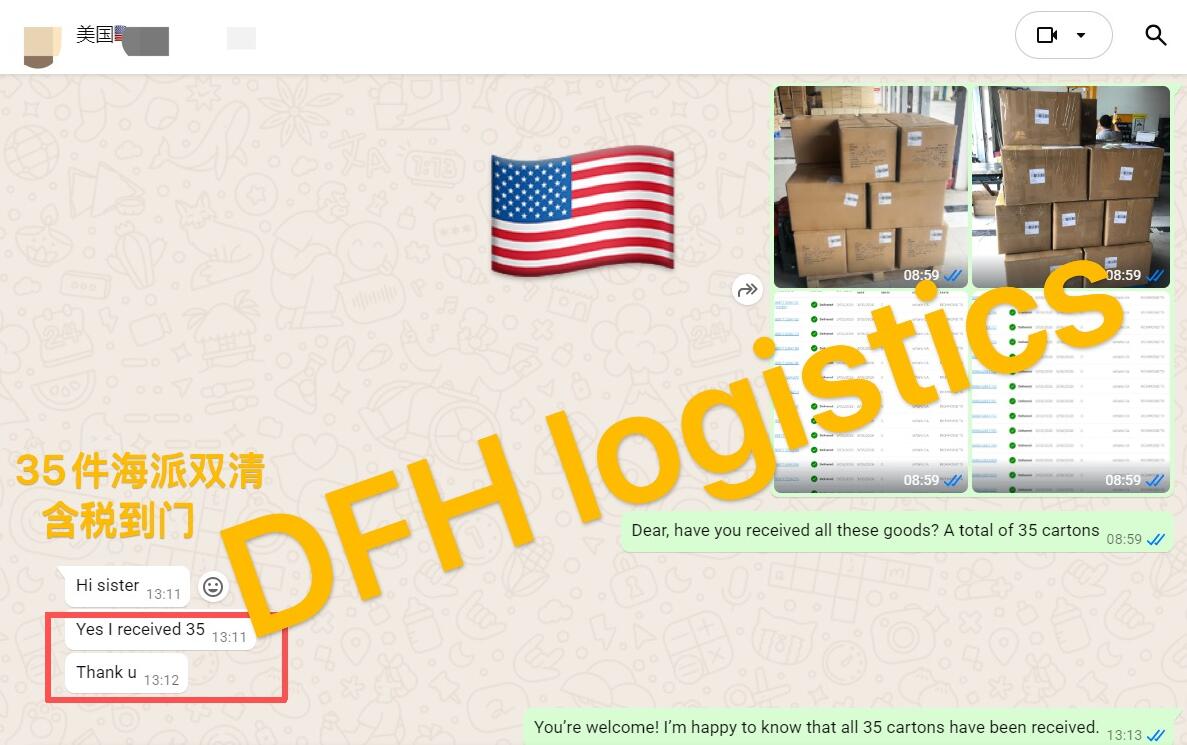
A buyer imports home products packed in larger cartons. The shipment is not extremely urgent, but keeping cost low is important because shipping affects profit margin heavily.
Here, sea freight DDP is usually the best choice. Because the cargo is bulky, air freight will often become expensive due to volumetric weight. Sea shipping keeps the landed cost much lower.
Example 4: Multiple Suppliers in China
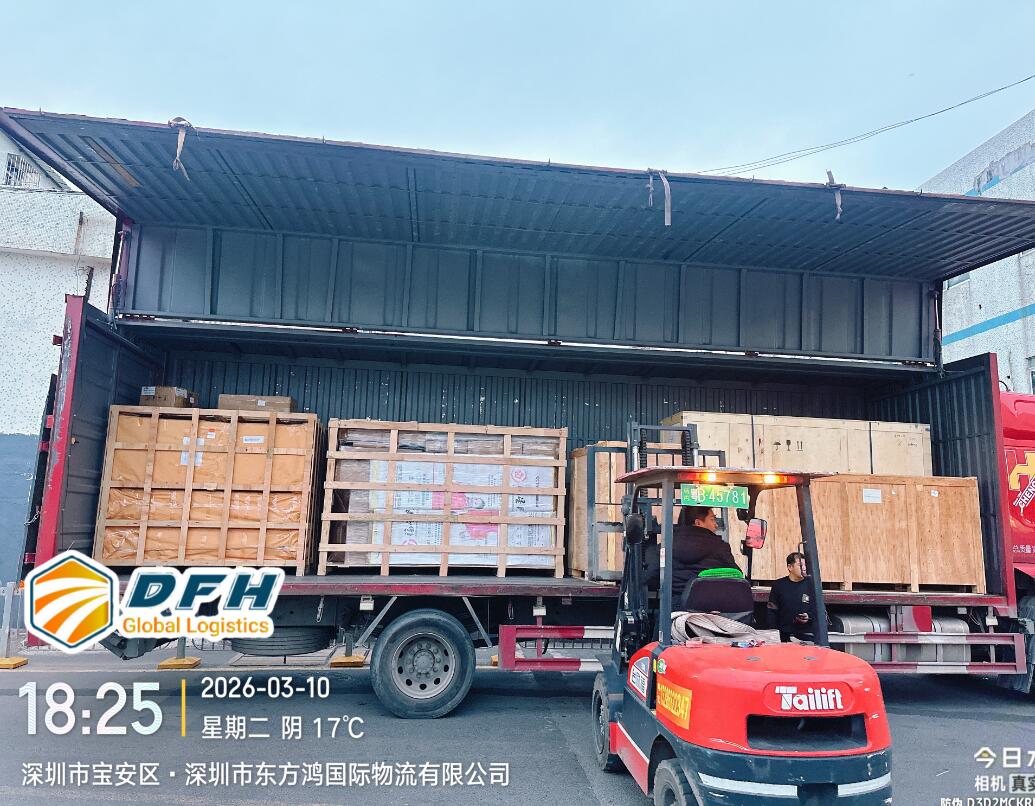
A buyer sources from three or four different suppliers and wants everything delivered to one U.S. address. If each supplier ships separately, the total logistics cost becomes unnecessarily high.
The better strategy is to collect the goods in a China warehouse, inspect and combine them, then ship as one consolidated shipment by air DDP or sea DDP depending on urgency. This usually saves money and reduces operational complexity.
FAQ About the Cheapest Way to Ship From China to USA

Is sea freight always cheaper than air freight?
Not always in every situation, but for heavy or bulky cargo, sea freight is usually much cheaper. For small urgent parcels, sea freight may not be practical at all.
Is express shipping ever the cheapest?
Yes, but mainly for small urgent shipments, documents, or samples. Once cargo becomes heavier or larger, express usually stops being the cheapest option.
Is DDP shipping good for small business buyers?
Yes, in many cases it is. Small business buyers often choose DDP because it simplifies customs clearance, includes more of the total shipping process, and helps control surprise charges.
What is the cheapest way to ship if I buy from multiple suppliers?
Consolidation is usually the best starting point. Combine goods in China first, then ship them together using the most suitable air or sea DDP method.
Why is my shipping quote higher than I expected?
The most common reasons are volumetric weight, oversized cartons, product restrictions, incomplete address details, hidden destination charges, or missing customs and tax costs in the original quote.
Conclusion
The cheapest way to ship from China to the USA for small business buyers is the method that gives you the lowest real landed cost, not just the lowest freight quote. Sea freight DDP is usually cheapest for bulky cargo, air DDP is often best for medium shipments, and express is mainly for urgent small parcels. The best savings come from choosing the right method, consolidating orders, and avoiding hidden fees.
At DFH Logistics, I usually recommend that buyers compare shipping based on cargo size, delivery timeline, packaging efficiency, supplier coordination, and total landed cost. That is how you choose the cheapest method in a practical business sense, not just in theory.
If you are planning a shipment from China to the USA and want to find the most cost-effective option for your specific cargo, you can contact us with your shipment details. I will always recommend the method based on what is truly suitable for your business, not just what looks cheap at first glance.