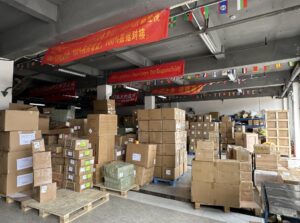

If you search “best shipping companies from China to USA,” you’re probably trying to avoid the same painful problems I hear every week: unclear quotes, surprise destination fees, customs delays, and shipments arriving late or damaged.
The hard truth is this: many “cheap” offers are cheap only because key costs are missing, responsibilities are unclear, and the forwarder cannot control U.S. customs and last-mile delivery.
I’m Penny, co-founder of DFH Logistics. Over 12+ years, I’ve helped importers ship from China to every part of the USA using DDP air, DDP sea, LCL, FCL, express, and combined solutions. This guide is written to quickly solve every major search intent behind this topic, with practical steps you can use immediately.
Why “Best Shipping Company” Means Different Things for Different Importers
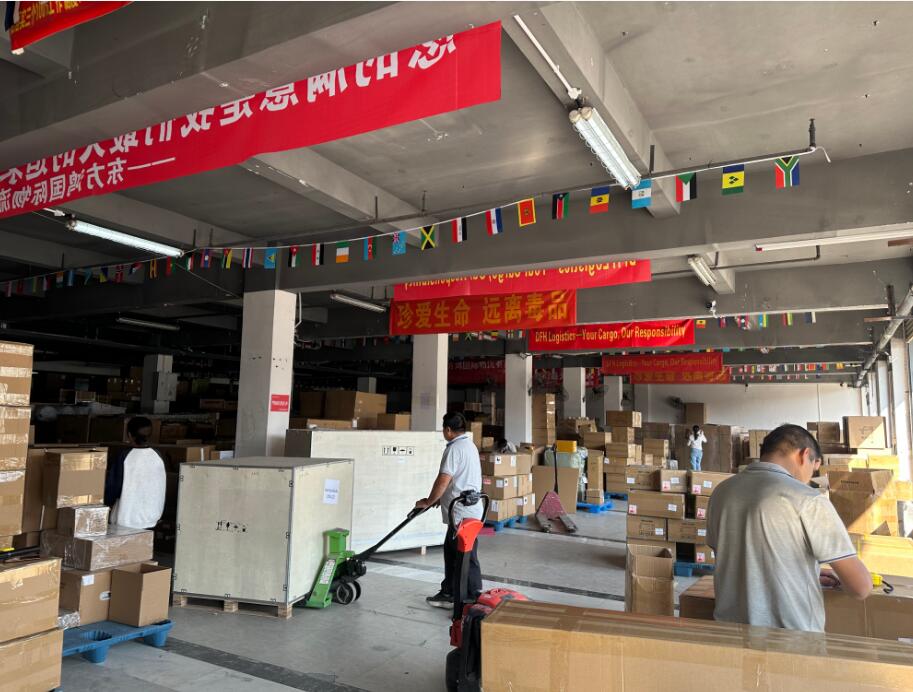
The “best” shipping company is the one that matches your shipment size, delivery point, and customs responsibility, while keeping total landed cost predictable.
Before you compare companies, define your situation using these three questions:
1) What are you shipping?
- General cargo (most products)
- Fragile goods (lighting, glass, ceramics)
- Oversize or heavy cargo (furniture, machinery)
- Regulated items (battery, cosmetics, toys, medical-related items)
2) Where is delivery?
- U.S. business address with forklift / dock
- Residential address (often higher last-mile cost)
- Amazon FBA warehouse (appointment + labeling compliance)
- Multiple addresses (split shipments)
3) Who handles U.S. customs?
- You (FOB/CIF shipments with your broker)
- The shipping company (DDP door-to-door)
If you skip this step, you’ll compare quotes that are not comparable.
Types of Shipping Companies on China–USA Routes and When Each One Wins
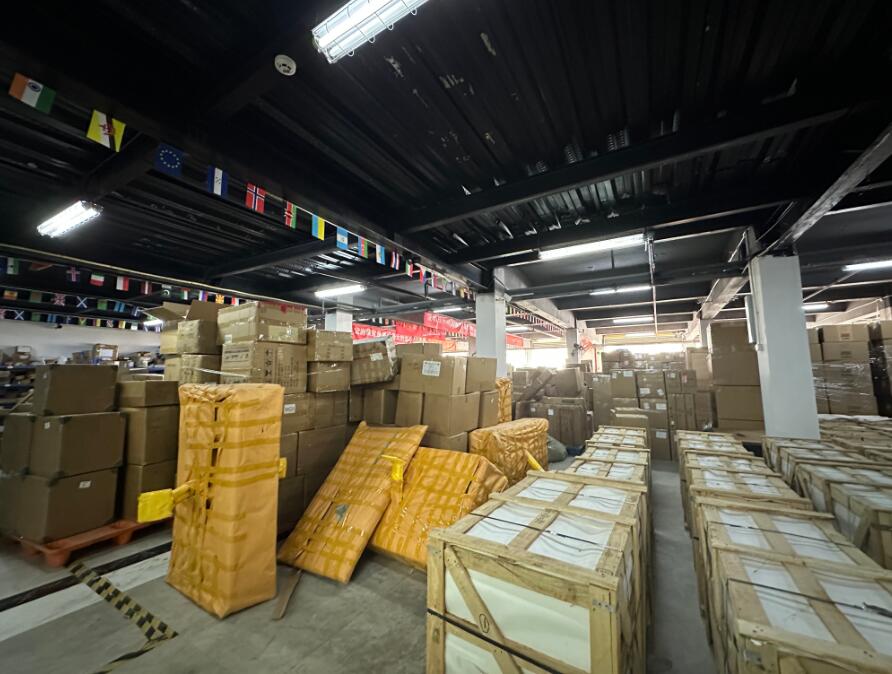
China–USA shipping providers fall into four categories: freight forwarders, DDP specialists, express couriers, and Amazon-managed freight. Each category solves a different problem.
Freight Forwarders (Traditional or Digital)
Best when you want flexible routing and support:
- EXW / FOB pickup
- Air / sea / rail-to-sea combinations
- Customs broker coordination
- Warehousing, consolidation, re-packing
This is the most common choice for serious importers because it adapts to many cargo types.
DDP Door-to-Door Specialists
Best when you want one accountable party:
- Freight + customs clearance + duties/taxes + delivery
- Clear “all-in” budgeting
- Ideal for buyers without import experience or import license resources
Express Couriers (DHL/UPS/FedEx)
Best for:
- Samples and small parcels
- Urgent accessories
- Lightweight shipments where speed matters more than cost
Express is not “bad.” It is just not economical for bulky shipments.
Amazon Global Logistics (AGL) and Amazon Programs
Best for sellers who want Amazon-connected lanes:
- Ocean and air into Amazon’s network
- Works well when your Amazon workflow is strong and you can manage compliance
Many sellers still choose a forwarder/DDP option for better control of clearance and delivery details, especially for complex cargo.
Shipping Methods from China to USA: How to Choose the Right One for Your Shipment
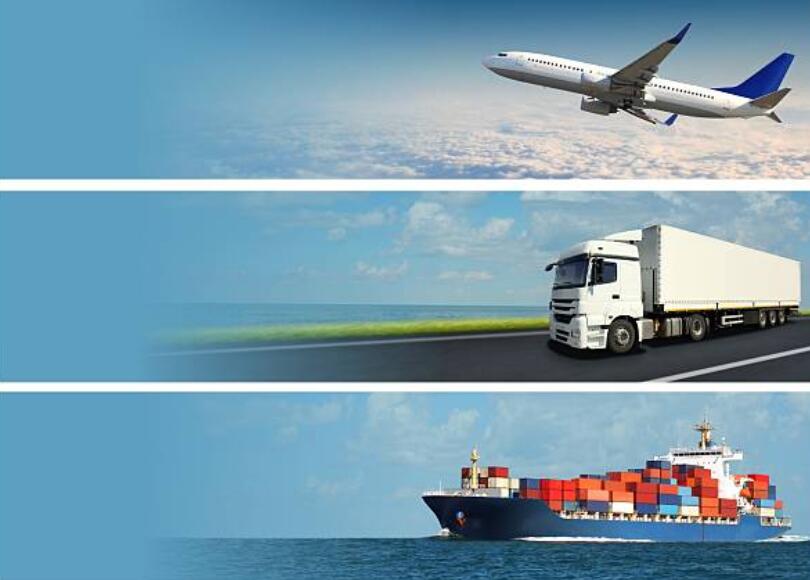
There is no single “best” shipping method from China to the USA — the right choice depends on shipment size, urgency, customs responsibility, and delivery destination.
Below, I break down the five most commonly used methods. Each method title is directly linked to the corresponding DFH Logistics service page (opened in a new window), so readers can immediately verify details and move from learning to action.
Method 1: Express Shipping (DHL / UPS / FedEx)
Express shipping is best when speed matters more than cost, and your shipment is small enough to avoid extreme volumetric charges.
Use express when:
- Your shipment is small (samples, spare parts, accessories)
- You need delivery in days, not weeks
- You can tolerate a higher cost per kg for speed and simplicity
Avoid express when:
- Your cargo is bulky (dimensional weight will dramatically increase cost)
- Your shipment is commercial-heavy and may trigger additional customs scrutiny or duties
In practice, express is a tactical tool, not a long-term logistics strategy.
Method 2: Air Freight or DDP Air (Door-to-Door)
Air freight or DDP air is ideal when you need fast replenishment without paying full express pricing.
Use air or DDP air when:
- You need speed but express is too expensive
- Your shipment is medium weight
- You want faster inventory turnover for e-commerce or wholesale orders
In real operations, air freight is usually chosen for inventory continuity, not for “cheap shipping.”
It protects sales momentum and avoids stockouts.
Method 3: DDP Sea Freight (Door-to-Door)
DDP sea freight is the most balanced option for bulky, heavy, or cost-sensitive shipments that still require predictable delivery and customs handling.
Use DDP sea when:
- Your cargo is bulky or heavy (furniture, building materials, large cartons)
- You want a predictable total landed cost
- You want customs clearance, duty payment, and last-mile delivery handled under one service
For many importers, this is the lowest-risk and most stress-free solution, especially if you do not want to manage U.S. customs yourself.
Method 4: LCL Sea Freight (Less-than-Container Load)
LCL sea freight is suitable when your shipment is too large for air but not enough to fill a full container.
Use LCL when:
- Your cargo is too big or heavy for air freight
- You don’t yet have enough volume for a full container
- You can plan ahead and tolerate variable sailing schedules
LCL risks that many importers underestimate:
- More handling points increase damage risk
- Consolidation and deconsolidation add time
- Destination charges vary by port and warehouse partner
This method requires strong cost transparency and consolidation control from your forwarder.
Method 5: FCL Sea Freight (Full Container Load)
FCL is the most cost-efficient and controllable option once your shipment volume becomes stable.
Use FCL when:
- You ship regularly or in large volumes
- You want the best unit cost and stronger cargo control
- You can receive and unload containers properly at destination
FCL reduces handling, lowers damage risk, and simplifies customs compared to LCL.
It is the default choice for experienced importers shipping furniture, machinery, or large wholesale orders.
If readers are unsure which method fits their shipment, the correct comparison is not “freight price only,” but total landed cost, delivery risk, and customs responsibility.
That is how professional buyers make decisions — and how we advise clients at DFH Logistics.
Best Shipping Companies from China to USA: 6 Practical Chinese & China-Rooted Options
Below is a practical comparison of six leading China-based or China-focused shipping/logistics providers that are commonly used for China → USA freight.
| No. | Company (Home Page) | Strength / Best Channel Fit | Best For (Cargo & Scenario) |
|---|---|---|---|
| 1 | DFH Logistics | DDP air & DDP sea door-to-door, supplier pickup, customs + last-mile coordination | Importers who need one accountable partner for full service + Amazon FBA prep + mixed suppliers |
| 2 | Sinotrans (中国外运) | One of China’s largest integrated logistics networks with strong ocean & air capacity | Large volume importers and enterprises needing stable China–USA freight lanes and global network coverage |
| 3 | SF Express / SF Holding | China’s largest express & logistics provider with global footprint | Small parcels, urgent deliveries, express + international freight options |
| 4 | CIMC Sinotrans Logistics (中集世联达) | Major Chinese NVOCC with ocean and air freight capacity | Importers needing containerized sea freight and logistics solutions |
| 5 | SINO Shipping | China-based freight forwarder focusing on international door-to-door | SMEs and e-commerce sellers looking for cost-effective China–USA solutions |
| 6 | ARDI Logistics | China–USA freight forwarding with sea/air, customs, door-to-door focus | Businesses wanting straightforward freight + clearance + delivery coordination |
How to read this table:
- DFH Logistics is best for full DDP door-to-door execution and large packages shipping with deep operations support.
- Sinotrans is a top choice for large volume corporate freight with proven China network strength.
- SF Express / SF Holding is more focused on express & international parcels, but also offers freight and logistics services.
- CIMC Sinotrans Logistics (中集世联达) combines container NVOCC capability with China base and global reach.
- SINO Shipping and ARDI Logistics represent strong China-focused forwarder options for SMEs and e-commerce importers.
What “Best for DDP Door-to-Door” Really Means: The DDP Checklist You Must Verify
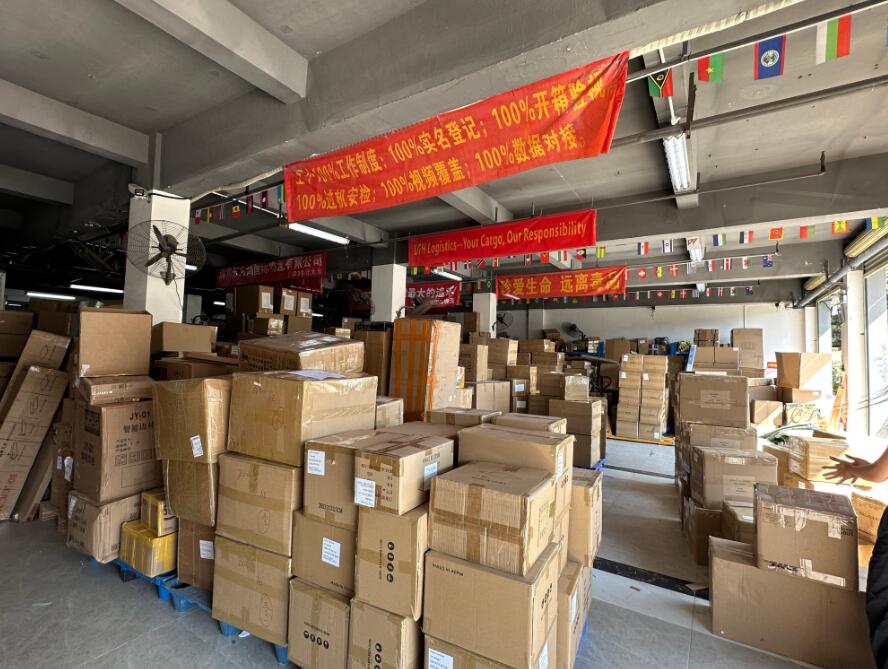
DDP is only “easy” when the provider clearly controls customs clearance, duty/tax handling, and last-mile delivery, and provides a complete written cost scope.
When a company says “DDP,” I verify these points before I trust the quote:
1) Written scope of charges (not a one-line price)
Must clearly state whether the quote includes:
- China pickup (or EXW handling)
- Export declaration
- Main freight
- U.S. customs clearance service
- Duties/taxes responsibility
- Delivery to door (and whether residential / inside delivery is included)
- Remote area or appointment surcharges
2) Who is the importer of record?
DDP structures can differ. You must know:
- Who appears on customs entry
- What documents you must provide
- What you are legally responsible for
3) What happens if customs inspection occurs?
A professional provider will explain:
- Inspection types
- Typical delay impact
- Who pays extra charges if any occur
- How cargo is tracked and documented
If you want to reduce the risk of hidden fees, use this internal reference: How to Avoid Hidden Fees When Shipping from China
Shipping Cost from China to USA: How to Estimate It Like a Professional Buyer
The fastest way to estimate shipping cost correctly is to calculate chargeable weight/volume, choose a method by urgency, then build a “total landed cost” budget including destination and compliance costs.
Step 1: Calculate Chargeable Weight Correctly
What many importers miss:
- Air and express often charge by volumetric weight
- Sea freight often charges by CBM, plus destination handling
Ask your supplier for:
- Carton count
- Carton dimensions (cm)
- Gross weight (kg)
- Photos of packaging
Step 2: Build Total Landed Cost (TLC), Not Just Freight
A practical TLC checklist includes:
- Product cost
- Domestic trucking in China (if not included)
- Export fees
- International freight
- U.S. customs clearance
- Duty/tax (if not DDP)
- Port/warehouse handling
- Last-mile delivery to ZIP code
- Amazon-related prep (if applicable)
- Insurance (recommended for higher-value goods)
Step 3: Understand Why Quotes Differ So Much
Even for the same shipment, pricing changes with:
- Season (peak vs off-peak)
- Port choice (West Coast vs East Coast)
- Delivery ZIP code and accessorials (residential, liftgate, appointment, inside delivery)
- Cargo risk category (battery, liquids, branded goods, sensitive SKUs)
For practical route-level reference on China–US methods and market context, Freightos provides a helpful baseline:
(You will see why cost ranges move and why timing changes through the year.)
Transit Time from China to USA: What’s Realistic and How to Prevent Delays
China–USA transit time is not only about the ocean or flight duration; it is driven by handoffs, documentation readiness, customs processing, and last-mile scheduling.
Realistic Planning Ranges by Method
- Express: typically days 3-7 days
- Air / DDP air: typically around 6–12 weeks depending on execution and destination
- Sea / DDP sea: typically several weeks 20-35days depending on port pair, season, and delivery point
- LCL can be slower than FCL due to extra handling stages
The 6 Delay Causes I See Most Often
1) Missing or inconsistent commercial invoice and packing list
2) Wrong HS code assumption (duty surprises or holds)
3) Poor packaging leading to damage and rework
4) Peak season congestion and capacity shortage
5) Customs exam triggered by documentation gaps
6) Last-mile appointment delays (especially for Amazon or residential)
If you want to protect your timeline, my best advice is simple:
- Finalize documents before cargo leaves the factory
- Confirm packaging standard before pickup
- Use a provider who gives milestone updates, not excuses
Amazon FBA Shipments: The Exact Requirements Your Shipping Company Must Handle
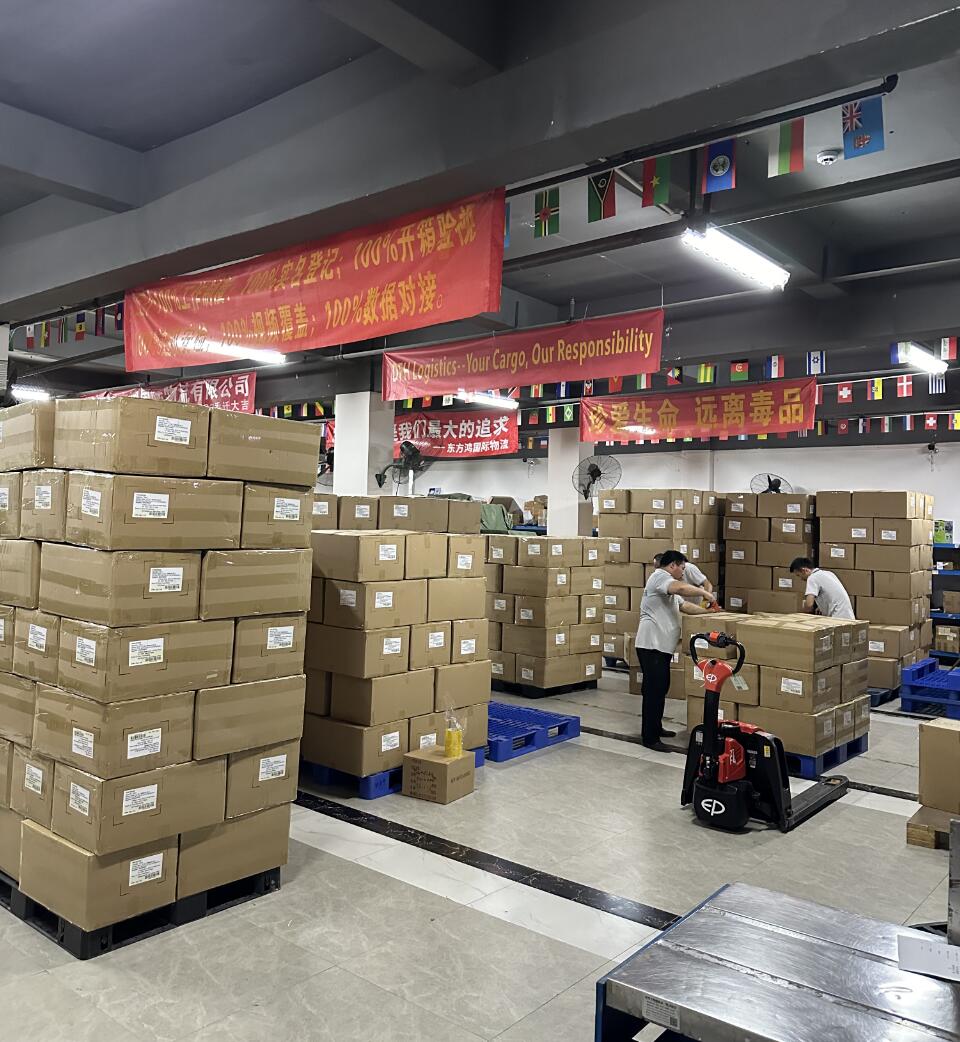
For Amazon FBA, the “best” shipping company is the one that prevents FBA rejections by managing labeling, carton rules, appointment delivery, and damage control—not just the ocean or air booking.
When shipping to FBA, verify the provider can support:
- Carton labeling (FNSKU, carton labels if required)
- Palletizing rules (when needed)
- Delivery appointments and warehouse-specific requirements
- Split shipments and multi-warehouse allocation
- Damage prevention packaging for long-haul transport
- Proof of delivery documentation and exception handling
Operational tip I use with my clients:
- If your supplier cannot label correctly, have goods shipped to a China consolidation warehouse first, then label and inspect before export. This prevents expensive rejections later.
Large and Bulky Cargo: What Separates “Best” from “Cheapest”
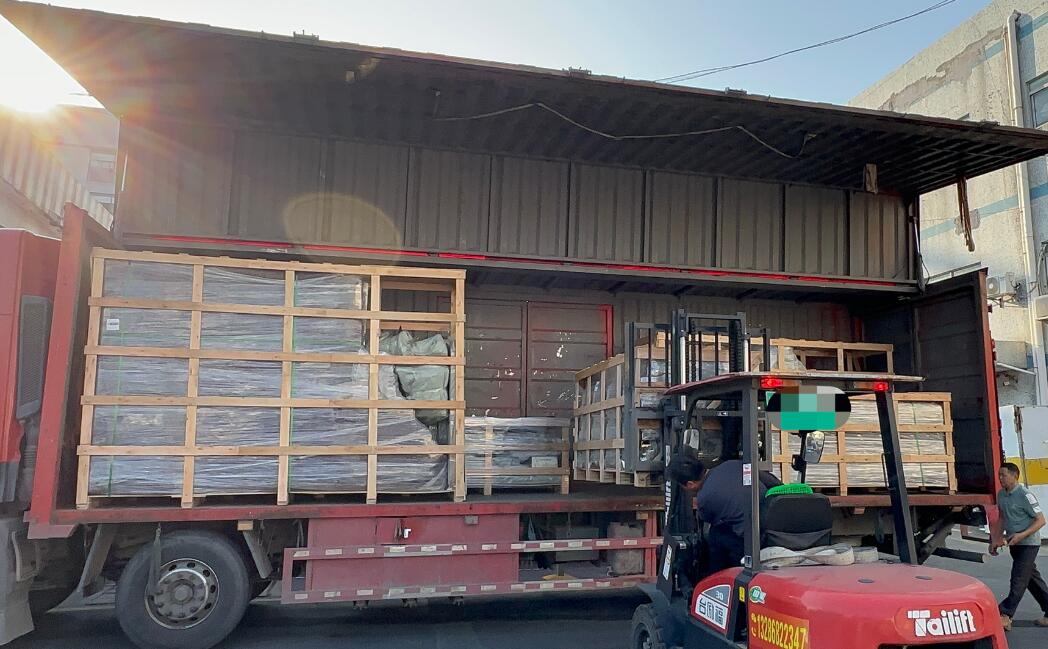
For bulky cargo, the best shipping company is the one that controls packing, loading method, and last-mile delivery accessorials—because these three items decide your true cost and damage rate.
Bulky Cargo Rules I Always Apply
1) Packing must match the product risk
- Furniture: corner protection, foam, moisture barrier, proper pallet base
- Machinery: strong base, anti-rust protection, fixed internal bracing
- Glass/fragile: inner box + outer carton + shock absorption + no empty space
2) Loading method must be planned
- Non-stackable cargo changes space utilization
- Mixed SKUs need a loading map to prevent crush damage
- For FCL, loading plan affects both damage and unloading time
3) Delivery accessorials must be confirmed early
Common added costs include:
- Liftgate service
- Residential surcharge
- Limited access locations
- Appointment delivery
- Inside delivery
If your quote ignores accessorials, your “cheap” price is not real.
Documents and Compliance: What You Must Prepare Before You Ship

The fastest way to avoid customs delays is to prepare complete documents before pickup and ensure they match the cargo exactly.
At minimum, prepare:
- Commercial Invoice (accurate values and description)
- Packing List (cartons, dimensions, weight)
- Shipping marks (if used)
- HS codes (validated, not guessed)
- Product compliance documents when needed (category dependent)
If you sell regulated products (toys, cosmetics, battery goods), your compliance burden increases. A good shipping company will tell you early, not after cargo is already moving.
How to Choose the Best Shipping Company: A Practical 12-Point Buyer Checklist
If you only check price, you will miss the real risk. Use this checklist to choose a company that can actually deliver, clear customs, and protect your cash flow.
1) Can they quote in writing with a full cost scope?
2) Can they explain DDP responsibility clearly?
3) Can they support your destination type (business, residential, Amazon)?
4) Can they handle your cargo category (battery, fragile, bulky)?
5) Do they offer consolidation and pre-shipment inspection options?
6) Do they provide milestone tracking updates?
7) Can they explain customs clearance steps and typical risks?
8) Do they set realistic timelines with buffer planning?
9) Do they explain insurance options without avoiding the topic?
10) Can they show stable route experience (not only “we can do it”)?
11) Do they warn you about likely surcharges upfront?
12) Do they respond like an operator, not only a salesperson?
Red Flags That Usually Lead to Problems

If you see these signals, you are not looking at a “best shipping company”—you are looking at a future delay or cost dispute.
- Quote is too cheap without a line-item scope
- They cannot explain who clears customs and who pays duties
- They refuse to put commitments in writing
- They push you to ship before documents are ready
- They avoid discussing destination surcharges (liftgate, appointment, residential)
Final Recommendation: How to Pick the “Best” Company for Your Situation
The best shipping company from China to the USA is the one that makes your total landed cost predictable, clears customs smoothly, and delivers on time with clear communication.
If you want the fastest decision process, do this:
1) Identify your shipment type (sample, medium urgent, bulky, container)
2) Decide whether you need DDP door-to-door
3) Shortlist 2–3 providers that fit that scenario
4) Compare written scopes, not headline prices
5) Choose the provider that controls the most risk for your cargo and destination
If you want to contact DFH directly for a tailored shipping plan, you can reach us here: Contact DFH Logistics