Customs clearance for shipping from China to the USA means getting your goods legally approved to enter the United States. For most importers, the key to smooth clearance is simple: use accurate product descriptions, declare the value honestly, classify the goods correctly, prepare the right documents early, and make sure responsibility for customs, duty, and delivery is clear before shipment leaves China. If these basics are wrong, your cargo can be delayed, examined, or charged extra fees.
If I speak honestly from my daily work, this is one of the most misunderstood parts of importing from China to the USA. Many buyers spend a lot of time comparing freight prices, but they do not spend enough time checking whether the shipment can clear customs smoothly.
That is a mistake.
A cheap freight quote does not help if your cargo is held by customs, your documents need correction, or your shipment picks up storage and exam fees after arrival. If you want predictable importing, customs clearance must be part of your shipping plan from the beginning, not something you think about after the goods are already on the water or in the air.
What Customs Clearance Actually Means
Customs clearance is the formal entry process for imported goods. U.S. Customs and Border Protection reviews shipment information such as product type, value, classification, origin, and importer details before the cargo can be released into the U.S. market.
In simple language, customs clearance is the checkpoint between international transport and U.S. delivery.
Your cargo may physically arrive at a U.S. port or airport, but that does not mean it is free to move. Customs must accept the entry first. If the information filed does not match the actual goods, or if the goods raise compliance questions, the shipment can stop there.
This is also why export customs in China and import customs in the USA should never be confused. China export clearance helps the goods leave China. U.S. customs clearance decides whether those goods can legally enter the United States.
Who Is Responsible for Customs Clearance
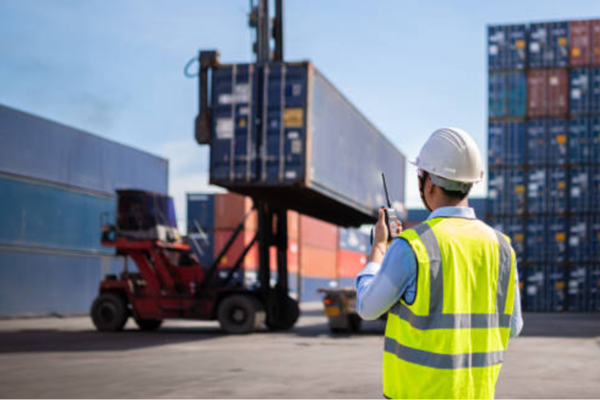
Who handles customs clearance depends largely on the Incoterm you use. In simple terms, the seller usually handles export customs clearance in China, while the buyer usually handles import customs clearance in the USA. The biggest exception is DDP, where the seller arranges both export clearance and import-side customs handling as part of the delivered service. If you do not clarify this before shipment, disputes, delays, and unexpected charges can happen very easily.
This is one of the first things I recommend importers confirm before they book any shipment. Many buyers assume that the freight forwarder will automatically take care of all customs matters, but that is not always true. The actual responsibility depends on the agreed trade term, not just on who books the transport.
For China to USA shipping, you should separate customs responsibility into two parts:
- Export customs clearance in China
- Import customs clearance in the USA
In most standard trade terms, the seller is responsible for export customs clearance in China, and the buyer is responsible for import customs clearance in the USA. But the transport arrangement, cost risk, and delivery obligation change from one Incoterm to another, which directly affects how much work the buyer still needs to manage.
Here is the practical breakdown:
| Incoterm | Export Customs Clearance in China | Import Customs Clearance in USA | Who Pays Import Duty/Tax | Practical Meaning for Buyer |
|---|---|---|---|---|
| EXW | Usually buyer arranges it, though in China this is often handled through the supplier or forwarder in practice | Buyer | Buyer | Buyer takes almost full control and almost full responsibility from origin to destination |
| FOB | Seller | Buyer | Buyer | Seller clears goods for export and loads them for departure, but buyer handles U.S. customs and the rest of the shipment |
| CIF | Seller | Buyer | Buyer | Seller pays main ocean freight and insurance to destination port, but buyer still handles U.S. customs clearance, duty, and local delivery |
| DDU | Seller usually arranges transport to destination, but buyer handles import customs clearance | Buyer | Buyer | Buyer may receive a door-to-door style shipment, but still needs to deal with U.S. customs and import charges |
| DDP | Seller | Seller arranges it | Seller arranges payment as agreed | Easiest structure for many buyers because the seller or forwarder manages both customs sides and final delivery |
A few points need to be understood clearly.
EXW
Under EXW, the buyer carries the most responsibility. In theory, the buyer takes over from the seller’s premises, which means the buyer is responsible for export procedures, international transport, import customs clearance, duties, and final delivery. In real China export operations, buyers often still rely on the supplier and freight forwarder to help with export declaration, because foreign buyers usually cannot handle China export customs directly by themselves. But from a responsibility point of view, EXW gives the buyer the heaviest burden.
FOB
Under FOB, the seller is responsible for export customs clearance in China. This makes FOB more practical than EXW for many overseas buyers. However, once the goods are shipped out, the buyer is still responsible for import customs clearance in the USA, import duties, and destination delivery arrangements unless additional services are separately arranged.
CIF
Under CIF, many importers mistakenly think the seller handles everything because freight and insurance are included to the destination port. That is not correct. Under CIF, the seller handles export clearance and pays the main sea freight and insurance, but the buyer still handles U.S. import customs clearance, duty payment, port charges at destination, and inland delivery unless otherwise agreed.
DDU
Under DDU, the seller arranges transportation to the destination, but the buyer remains responsible for import customs clearance and import duty or tax. This is where many first-time importers get confused. The shipment may look like it is coming directly to their address, but if customs paperwork or payment is still on the buyer’s side, the buyer must be ready to respond quickly when the shipment arrives.
DDP
Under DDP, the seller takes the broadest responsibility. This usually includes export clearance in China, international freight, import customs arrangement in the USA, import duty and tax handling as agreed, and final delivery. For many small business importers, this is the easiest model because it reduces coordination work. But even under DDP, buyers should still confirm exactly what is included, especially for products with compliance risks, regulated categories, or destination delivery limitations.
My Practical Advice
If you want to avoid customs confusion, do not just ask your supplier, “Can you ship it?” Ask these five questions before you pay:
- Who handles export customs clearance in China?
- Who handles import customs clearance in the USA?
- Who is acting as importer of record, if required?
- Who pays duty, tax, and customs-related charges?
- What happens if customs holds or examines the shipment?
In real importing, customs problems often happen not because the shipment cannot move, but because the responsibilities were never clearly defined from the beginning.
If you are a new importer, DDP is often the simplest structure. If you already have your own customs broker and destination logistics setup, FOB or CIF may give you more control. But whichever term you use, never assume customs responsibility. Put it in clear writing before the shipment leaves China.
How the Customs Clearance Process Usually Works
A normal China-to-USA customs process starts before departure, continues during transit, and finishes after arrival through cargo release filing, entry documentation, customs review, and final release. For ocean shipments, ISF must also be filed before loading at the foreign port.
From a practical point of view, the customs clearance process usually looks like this:
First, the supplier prepares the commercial invoice, packing list, and shipment details in China. At this stage, product name, quantity, value, carton count, and consignee details should already be correct.
Second, while the goods are in transit, customs entry preparation takes place. For sea freight, Importer Security Filing, often called ISF or 10+2, is required before the cargo is loaded on the vessel at the foreign port. If this step is late or wrong, the shipment can face penalties or added risk.
Third, after the cargo arrives in the USA, customs reviews the filing. Duties and fees are assessed, and the shipment may be released directly, selected for exam, or held for additional review.
This is why good customs clearance is never just an arrival-day issue. It starts long before arrival.
- if you still feel it is complicated to understand the process, or don’t want to know more about the process but just want to have some one to help you do it. Then you can cooperation with A freight forwarder , and choose their DDP shipping solution. Experienced and reliable freight forwarder will help you handle everything until you get the goods at your doorstep.
The Documents required for Customs Clearance
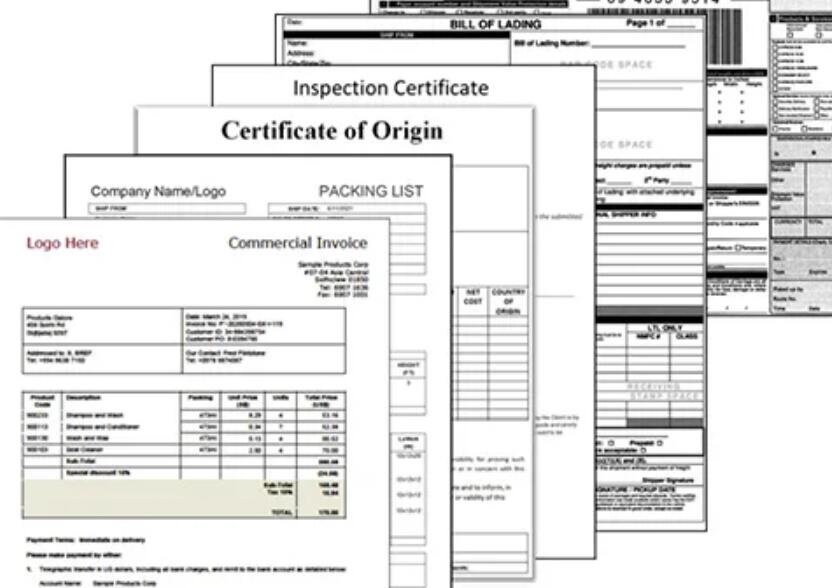
The most important customs documents are usually the commercial invoice, packing list, transport document, importer details, and any product-specific compliance documents. The details on these documents must match clearly and logically.
In daily operations, the documents that matter most are usually:
- Commercial invoice
- Packing list
- Bill of lading or air waybill
- Importer information
- Customs bond information when required
- Product certificates or declarations for regulated goods
The invoice is especially important. If the description is too vague, customs may not be able to understand what the goods really are. Words like “accessories,” “parts,” or “general merchandise” are often too weak on their own.
A strong product description should tell customs what the item actually is. That helps support proper classification and reduces unnecessary questions.
The second key issue is consistency. If the packing list says one thing, the invoice says another, and the filed entry says something else, you are increasing your own risk.
The Most Common Reasons Shipments Get Delayed
Most customs delays are caused by preventable issues such as vague descriptions, inconsistent documents, wrong classification, missing importer information, late ISF filing for ocean cargo, or extra compliance review for sensitive products.
In practical importing, these are the delay causes I see most often:
- Product descriptions are too general
- Invoice value does not look reasonable
- HTS code is incorrect
- Importer information is incomplete
- Supplier documents and entry data do not match
- ISF was late or incorrect for sea freight
- The cargo is selected for exam
- The goods fall under extra agency review
Not every customs delay can be prevented. Random exams do happen. But a large number of delays are created by weak preparation.
That is why I always say the best customs strategy is not speed after arrival. It is accuracy before departure.
What Importers Should Do Before Shipping
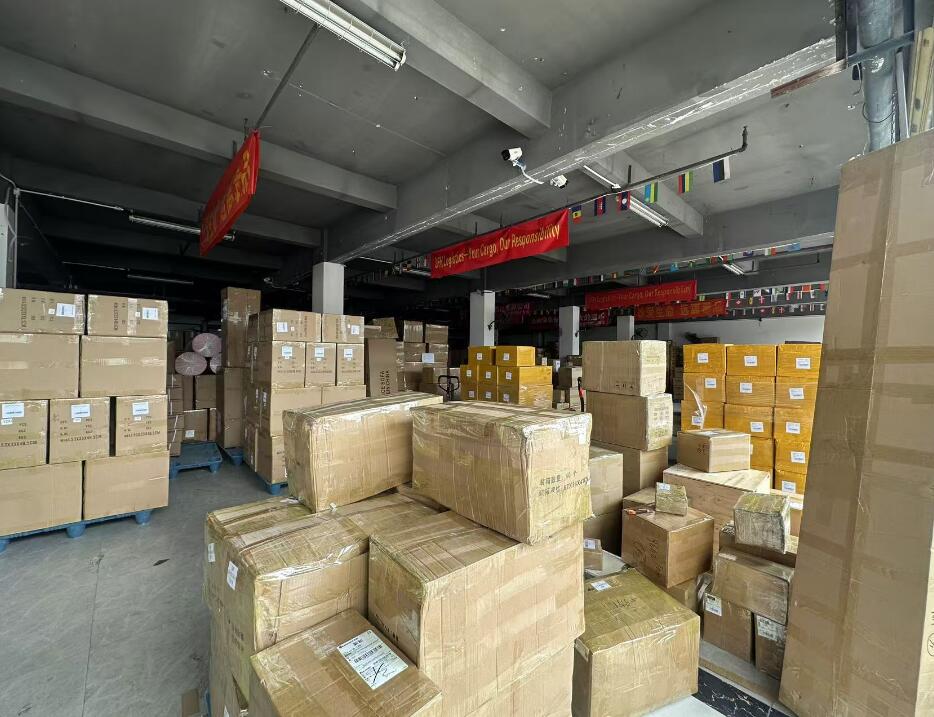
The best way to reduce customs risk is to prepare before cargo leaves China: confirm the real product description, review the declared value, verify classification, decide who handles entry, and make sure all documents match before booking.
This is the checklist I recommend for importers:
- Confirm the exact product name in plain business language
- Review the declared value carefully
- Check the HTS classification
- Make sure invoice and packing list match
- Confirm who is the importer of record
- Confirm who files customs entry
- For sea freight, prepare ISF early
- Ask whether the product needs extra compliance documents
- Clarify whether duty and tax are included or excluded
This checklist is simple, but it solves many of the problems that create expensive delays later.
DDP vs Standard Shipping for Customs Clearance
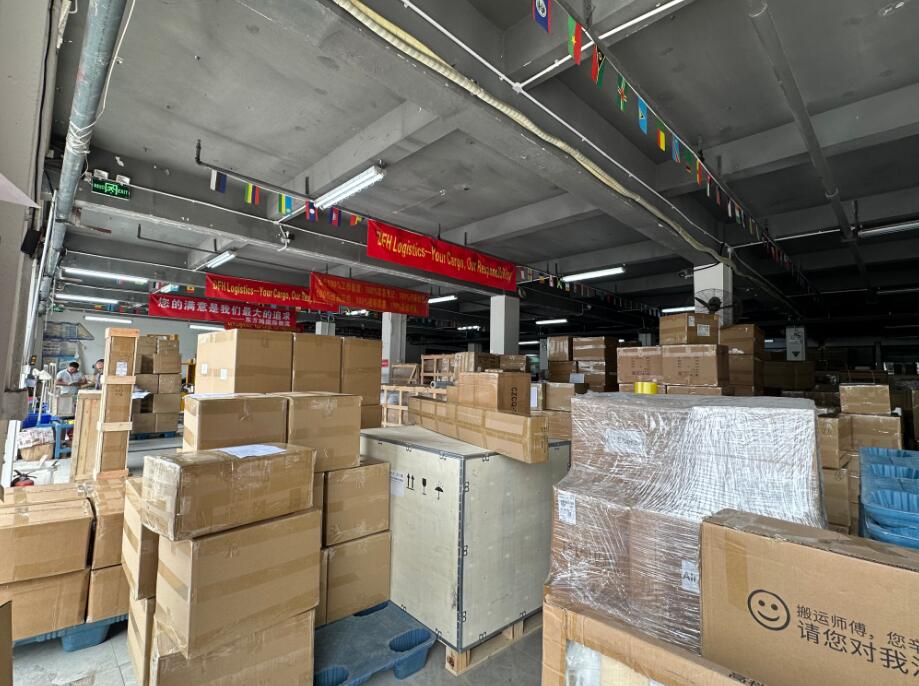
For many small and medium importers, DDP shipping feels easier because customs handling, duty payment, and final delivery are often arranged together. Standard shipping can still be a better choice for experienced importers, but only when customs responsibility is already clear and well managed.
This is where many buyers make the wrong comparison.
They compare only the freight rate, but they do not compare the customs workload, duty handling, or delivery coordination behind that rate.
If you are a first-time importer or you do not have your own customs setup in the USA, DDP shipping can reduce complexity. If you are a larger importer with your own broker, bond, and customs process, standard shipping may give you more control.
The right decision depends on your shipment volume, product type, and internal ability to manage import compliance. There is no single best model for every importer.
Final Advice
The importers who clear customs more smoothly are usually not the ones chasing the lowest freight quote first. They are the ones who prepare accurate documents, understand their products, and clarify customs responsibility before the shipment moves.
If your documents are accurate, your classification is reasonable, your importer setup is clear, and your filing is prepared early, customs becomes far more manageable. If those basics are weak, even a low-cost shipment can become expensive very quickly.
That is how I approach shipments for my clients. Good shipping is not only about moving cargo from China to the USA. It is about helping the cargo arrive legally, smoothly, and with fewer surprises.
FAQ
How long does customs clearance take in the USA?
It can be fast like 1 or 2 days when documents are correct, but timing depends on the shipping mode, port conditions, exams, and whether the cargo needs extra review.
What is the most important document for customs clearance?
The commercial invoice is one of the most important because it supports product description, value, and transaction details, but it must match the packing list and filing data.
Do all ocean shipments need ISF?
For cargo arriving by vessel into the United States, ISF is generally required before loading at the port.
Can a broker make me fully free of customs responsibility?
No. A broker can help file the entry, but the importer of record is still responsible for providing accurate shipment information and supporting proper declaration.