
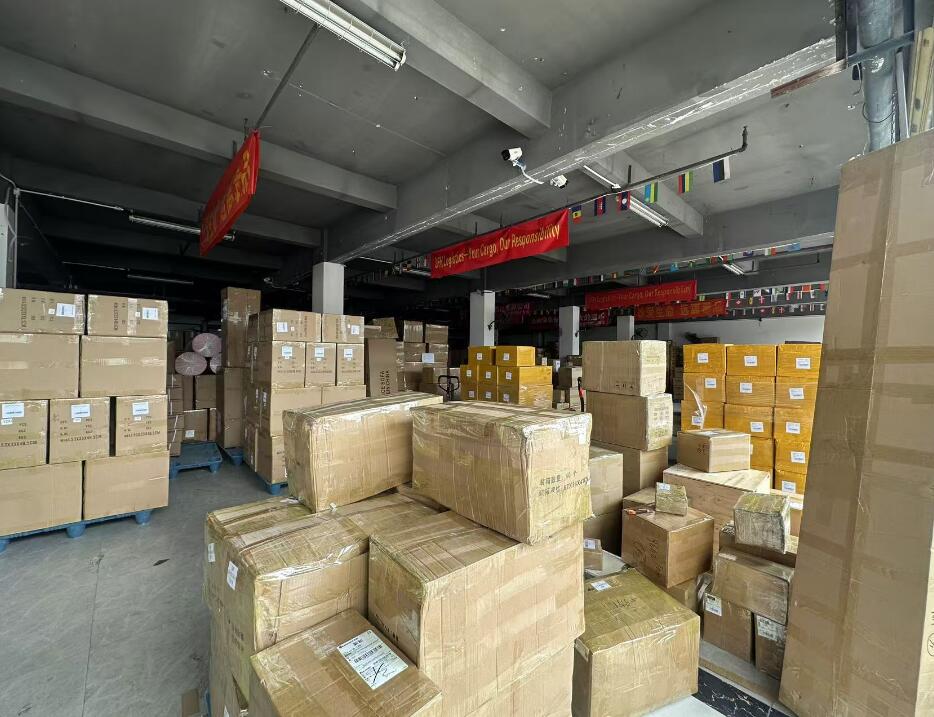
If you are comparing air freight vs sea freight from China to USA, the right choice depends on your cargo size, budget, urgency, product type, and delivery goal. Air freight is usually better for urgent, high-value, lightweight, or time-sensitive shipments, while sea freight is usually better for heavy, bulky, non-urgent, and cost-sensitive cargo. In real importing situations, neither is universally “better.” The best option is the one that protects your profit, matches your delivery timeline, and reduces risk in your supply chain.
As Penny, co-founder of DFH Logistics, I have worked with importers who made the wrong choice simply because they focused only on price or only on speed. A shipment that arrives fast but destroys your margin is not a good solution. A shipment that is cheap but arrives too late for your sales plan is also not a good solution. That is why this guide will help you compare both methods from the perspective of cost, transit time, cargo suitability, customs, risk, and business strategy, so you can make the right decision before your goods leave China.
What Is the Main Difference Between Air Freight and Sea Freight?
The main difference between air freight and sea freight from China to USA is that air freight prioritizes speed, while sea freight prioritizes cost efficiency for larger shipments. Air freight usually delivers much faster but costs more per kilogram, while sea freight usually takes longer but offers a lower cost per unit for heavy or bulky cargo.
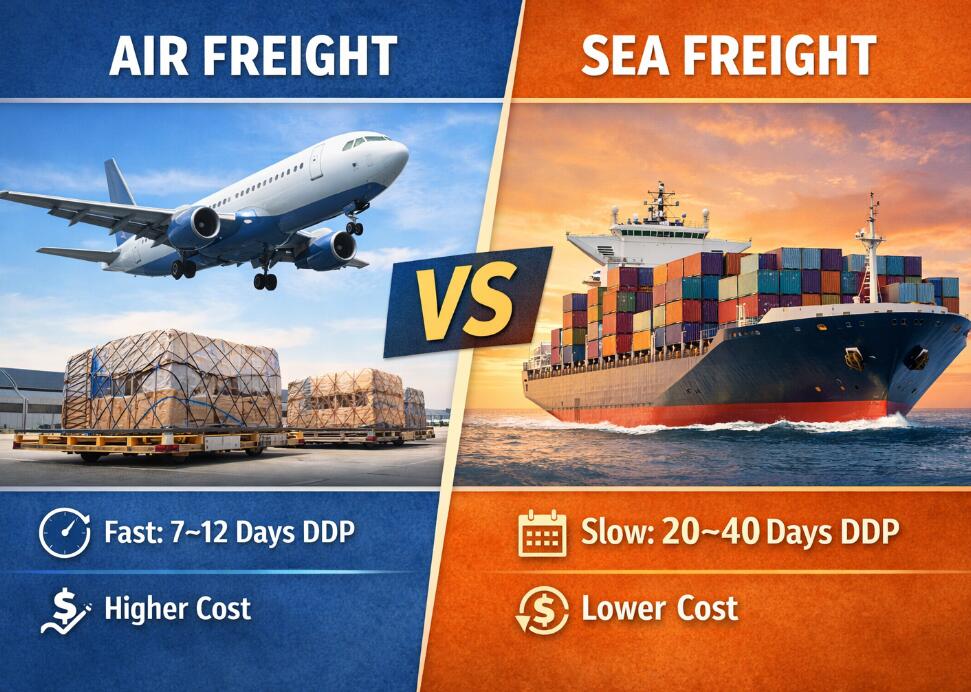
Air freight means your cargo moves by airplane from China to the USA. It is commonly used for urgent shipments, valuable products, samples, electronics, seasonal goods, and inventory that cannot wait. In most cases, air freight is chosen when delivery speed has a direct effect on sales, operations, or customer satisfaction.
Sea freight means your cargo moves by ocean vessel from a Chinese port to a US port. It is the most common choice for large-volume cargo, heavy products, furniture, building materials, machinery, and regular inventory replenishment. For many importers, sea freight is the foundation of long-term cost control because it keeps landed cost lower when time pressure is manageable.
When buyers ask me which one is better, I usually explain that this is not just a transportation question. It is a business decision. You need to balance speed, cost, cargo type, import complexity, and final use. Once you understand that, the right answer becomes much easier.
Is Air Freight Better Than Sea Freight for Shipping From China to USA?
Air freight is better than sea freight when delivery speed matters more than transportation cost. It is usually the better option for urgent orders, product launches, stock replenishment, high-value goods, and shipments where delays would create bigger financial losses than the extra freight cost.
Air freight is often the better choice for importers who need fast inventory turnover. If you are selling products online, supporting a promotion, fulfilling urgent B2B orders, or avoiding stockouts, faster transit can protect revenue and customer trust. In these cases, paying more for freight may still be the smarter business move.
It is also often better for smaller shipments. Many buyers assume air freight is always too expensive, but that is not always true. If your shipment is relatively small, lightweight, and valuable, the total cost difference may be acceptable compared with the benefit of receiving goods much sooner.
Air freight can also reduce some forms of risk. Less transit time often means less exposure to port congestion, container delays, long storage periods, and extended capital lock-up. For many fast-moving businesses, speed is not just convenience. It is part of profit management.
Is Sea Freight Better Than Air Freight for Shipping From China to USA?
Sea freight is better than air freight when the shipment is large, heavy, bulky, or not time-sensitive. It is usually the better option for importers who want to reduce shipping cost per unit, move larger cargo volumes, and maintain healthier margins on regular or planned inventory shipments.

Sea freight becomes more attractive as cargo volume increases. If you are shipping pallets, multiple cartons, furniture, building materials, equipment, or large commercial orders, ocean shipping usually provides much better cost efficiency than air freight. For many importers, especially those buying in bulk, sea freight is the only economically sustainable option.
It is also better for planned procurement. When you forecast demand early and book shipments in advance, sea freight helps reduce total landed cost and improve long-term profitability. Importers who operate on regular replenishment cycles often rely on sea freight as their main shipping method and only use air freight as backup.
Another reason sea freight may be better is product fit. Some cargo is simply too large or too expensive to move by air in a practical way. For oversized, dense, or volume-heavy goods, sea freight is usually the natural choice.
Air Freight vs Sea Freight Transit Time From China to USA
Air freight from China to USA is much faster than sea freight. In most cases, air freight takes around 5 to 12 days door to door, while sea freight usually takes around 20 to 40 days door to door, depending on the route, customs process, and final delivery address.
Transit time is one of the biggest reasons buyers choose air freight. When your business cannot wait for inventory, air shipping offers a much shorter timeline and more flexibility.
Sea freight is slower, but slower does not always mean worse. If your purchase plan is organized in advance, longer transit time may be perfectly acceptable.
Here is a simple comparison:
| Shipping Method | Typical Transit Time | Best For |
|---|---|---|
| Express Courier | 3–7 days | Samples, documents, urgent small parcels |
| Air Freight | 5–12 days | Urgent cargo, valuable goods, smaller commercial shipments |
| Sea Freight | 20–40 days | Bulk cargo, heavy goods, non-urgent inventory |
In real operations, total delivery time depends not only on the transportation mode but also on supplier readiness, export customs, port handling, US customs clearance, and final-mile delivery. That is why planning the full shipping chain matters more than looking at transit time alone.
Air Freight vs Sea Freight Cost From China to USA
From China to the USA, air freight usually costs around $4 to $10 per kg for DDP shipments, while sea freight usually costs around $1.9 to $3.9 per kg for DDP shipments. If you are shipping by traditional sea freight, LCL is often charged by cubic meter and FCL is charged by container, so sea freight becomes much cheaper than air freight once the cargo is large, heavy, or bulky.
When you compare air freight and sea freight, the most important question is not “Which quote is lower?” but “Which option gives me the best total result for this shipment?” In real shipping from China to the USA, the price gap is usually clear:
| Shipping Method | Typical Price Range | Common Charging Method | Best For |
|---|---|---|---|
| Air Freight DDP | $4–10/kg | By chargeable weight | Small to medium urgent cargo |
| Sea Freight DDP | $1.9–3.9/kg | By chargeable weight / billing rule of the line | Heavy cargo, regular shipments, cost-sensitive orders |
| Sea Freight LCL | About $80–200+/CBM | By cubic meter | Medium cargo that does not fill a container |
| Sea Freight FCL | About $2,500–$6,500+ per container | By 20GP / 40GP / 40HQ container | Large volume cargo |
These numbers are not fixed because the final price depends on the shipping season, departure city in China, destination in the USA, customs requirements, product type, and whether the quote includes door delivery, duties, and customs clearance.
A simple way to understand the difference is this:
- If your cargo is small, urgent, and profitable, air freight may be worth the higher cost.
- If your cargo is heavy, bulky, or not urgent, sea freight is usually the better financial choice.
- If your cargo volume is large enough for FCL, sea freight usually gives the lowest cost per unit.
In actual business decisions, I usually advise clients to compare these five numbers together:
shipping cost + customs cost + duty/tax + final delivery cost + sales impact of delivery time
That is the real cost comparison. Not just the freight quote alone.
How Chargeable Weight Affects Air Freight and Sea Freight Costs
Chargeable weight is usually calculated by comparing the total actual weight and the total volumetric weight of one shipment, and then using whichever is higher as the final billing weight. For one shipment with multiple cartons, the freight company normally calculates the volumetric weight of each carton, adds them together, compares that total with the total actual gross weight, and charges based on the higher number.
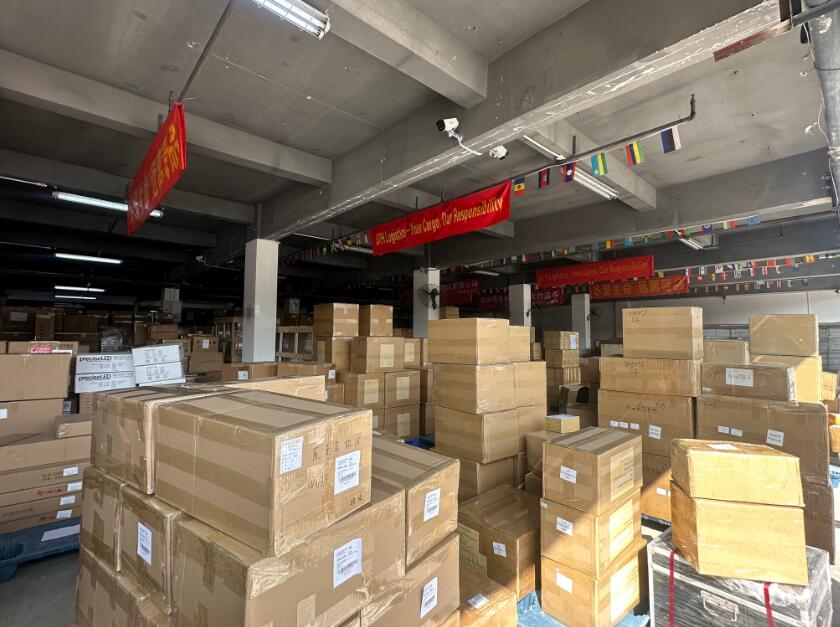
This is one of the most important pricing rules in international shipping from China to the USA, especially for air freight and many DDP channels. A lot of importers only look at the factory’s stated weight, but that is not enough. Freight companies do not bill only by the physical weight you see on the cartons. They also check how much space the cargo occupies.
In practice, the forwarder usually does the calculation like this:
Step 1: Calculate the actual weight
Actual weight means the real gross weight of the shipment after packing.
If you have 5 cartons, and each carton weighs 20 kg, then:
Total actual weight = 20 × 5 = 100 kg
Step 2: Calculate the volumetric weight
Volumetric weight is based on carton dimensions.
For air freight, a common formula is:
Volumetric weight (kg) = Length (cm) × Width (cm) × Height (cm) ÷ 6000
Some channels use 5000 instead of 6000, especially certain express services. That is why two companies may quote different chargeable weights for the same cargo. The formula depends on the airline, courier, or logistics channel they are using.
Step 3: Compare total actual weight and total volumetric weight
After calculating both, the company compares:
- Total actual weight
- Total volumetric weight
Whichever is greater becomes the final chargeable weight.
That is the billing rule most companies use for air freight and many DDP air channels.
Simple Example: One Shipment With Multiple Cartons
For one shipment with multiple pieces, the final chargeable weight is usually based on the total shipment, and the billing weight is whichever is greater between the total actual weight and the total volumetric weight.
Suppose one shipment has 3 cartons:
| Carton | Size (cm) | Actual Weight | Volumetric Weight Formula | Volumetric Weight |
|---|---|---|---|---|
| 1 | 50 × 40 × 30 | 18 kg | 50×40×30÷6000 | 10 kg |
| 2 | 60 × 50 × 40 | 20 kg | 60×50×40÷6000 | 20 kg |
| 3 | 80 × 60 × 50 | 22 kg | 80×60×50÷6000 | 40 kg |
Now add them up:
- Total actual weight = 18 + 20 + 22 = 60 kg
- Total volumetric weight = 10 + 20 + 40 = 70 kg
Because 70 kg is greater than 60 kg, the final chargeable weight is 70 kg.
That means even though the shipment physically weighs only 60 kg, the airline or forwarder will usually charge you as if it weighs 70 kg, because the cargo takes up more space.
What If Some Cartons Are Heavy and Some Are Bulky?
In one shipment, some cartons may have actual weight higher than volumetric weight, while others may have volumetric weight higher than actual weight. The forwarder usually calculates both totals for the whole shipment, and then charges based on whichever total is larger.
This is the point many buyers misunderstand.
They may think:
- heavy cartons should be billed by actual weight
- bulky cartons should be billed by volumetric weight
- then mixed together one by one
But in most air freight and DDP calculations, the company does not usually choose separately for each carton when billing the final shipment. Instead, they normally do this:
- Calculate each carton’s volumetric weight
- Add all carton volumetric weights together
- Add all carton actual weights together
- Compare the two totals
- Use the higher total as the final chargeable weight
Mixed Shipment Example
Suppose one shipment has 4 cartons:
| Carton | Size (cm) | Actual Weight | Volumetric Weight |
|---|---|---|---|
| 1 | 40 × 40 × 40 | 18 kg | 10.7 kg |
| 2 | 50 × 45 × 40 | 16 kg | 15 kg |
| 3 | 80 × 60 × 50 | 20 kg | 40 kg |
| 4 | 70 × 55 × 45 | 24 kg | 28.9 kg |
Now total them:
- Total actual weight = 18 + 16 + 20 + 24 = 78 kg
- Total volumetric weight = 10.7 + 15 + 40 + 28.9 = 94.6 kg
Since 94.6 kg is greater than 78 kg, the shipment is usually billed as 95 kg after rounding according to the channel’s billing rule.
So even though two cartons are more “actual-weight heavy,” the whole shipment is still billed by volumetric weight because the total volumetric weight is higher.
Which Is Better for Small Shipments?
For small shipments from China to USA, air freight is often better if speed matters, while sea freight may still be better if the cargo is not urgent and the buyer wants to minimize logistics cost. The right answer depends on both size and urgency, not size alone.
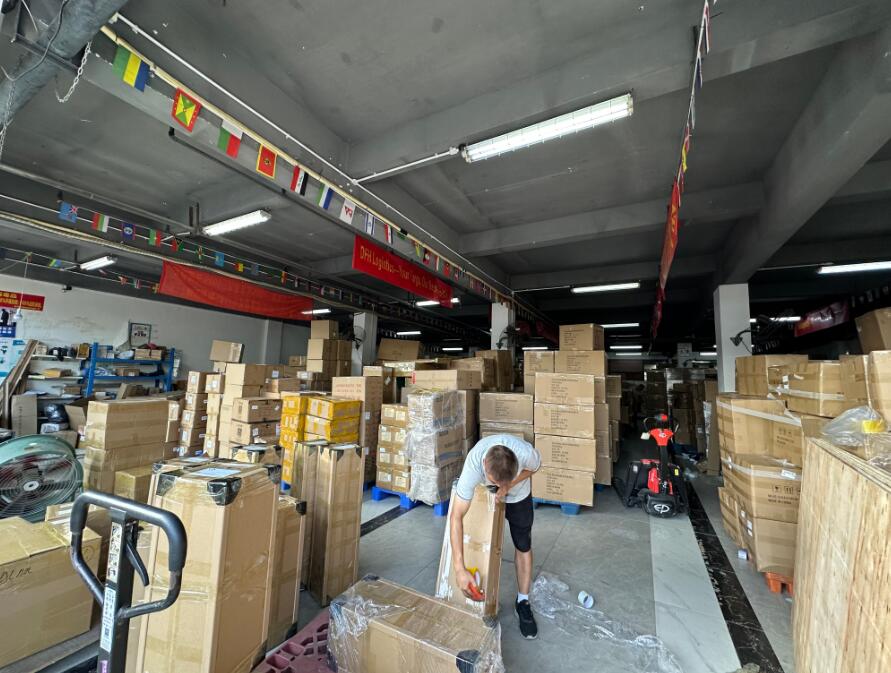
Small shipments are not always automatically suited to air freight, but in many cases air freight is the most practical option. It offers faster delivery, easier inventory planning, and more flexible response to urgent needs.
However, if the shipment is small but not urgent, sea freight LCL can still be a good solution. This is especially true when the goods are not time-sensitive and the buyer wants to save money. The issue is that LCL may involve more handling, more consolidation steps, and a longer timeline.
For small shipments, I usually suggest buyers compare three things: total cartons, total volume, delivery deadline, and product value. That will tell you much more than simply asking whether air or sea is cheaper.
- SeA freight DDP shipping, the MOQ is 12kg. So if only your shipments is over than 12KG, and not urgently, then you can choose Sea freight DDP as well.
Which Is Better for Large or Heavy Shipments?
For large, heavy, or bulky shipments from China to USA, sea freight is usually better than air freight because it provides much stronger cost efficiency and is more suitable for cargo that takes significant space or weight.
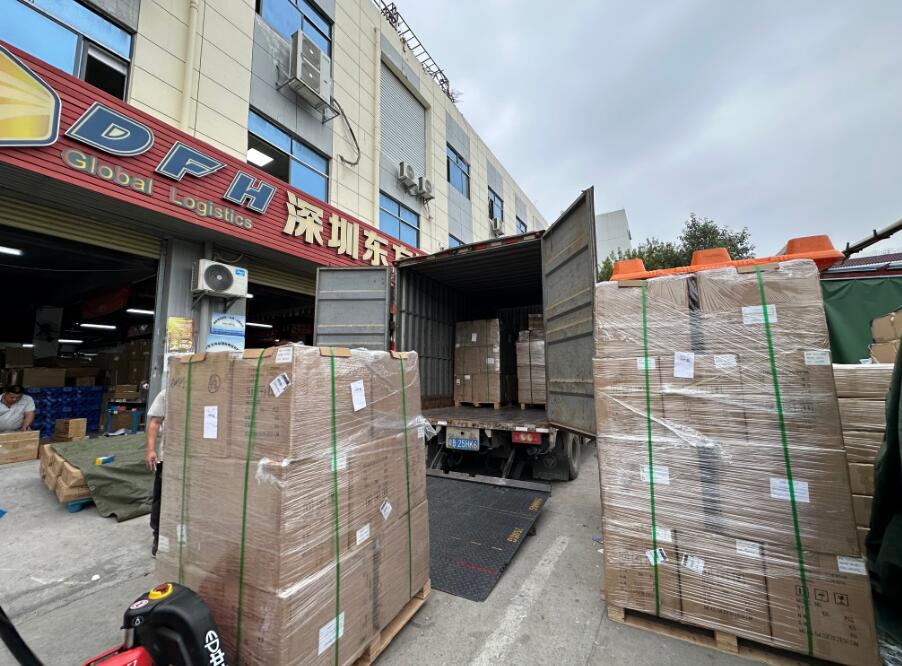
This is one of the clearest decision points in international shipping. When cargo becomes heavy or large, air freight often becomes too expensive to justify. Sea freight is normally the more rational solution because it spreads cost more efficiently over bigger shipment volumes.
This is especially true for furniture, machinery, home improvement products, construction materials, commercial equipment, and multi-pallet cargo. Importers in these categories typically use sea freight as the standard method unless there is an exceptional urgency.
If your shipment is large enough to support FCL, the cost efficiency usually improves further. A full container often provides better control, better cargo security, and better per-unit shipping economics compared with fragmented transport methods.
Which Is Better for Amazon FBA and E-Commerce Sellers?
For Amazon FBA and e-commerce shipments from China to USA, air freight is usually better for urgent restocking and faster inventory turnover, while sea freight is usually better for planned replenishment, larger quantities, and margin protection. Many sellers use both strategically.
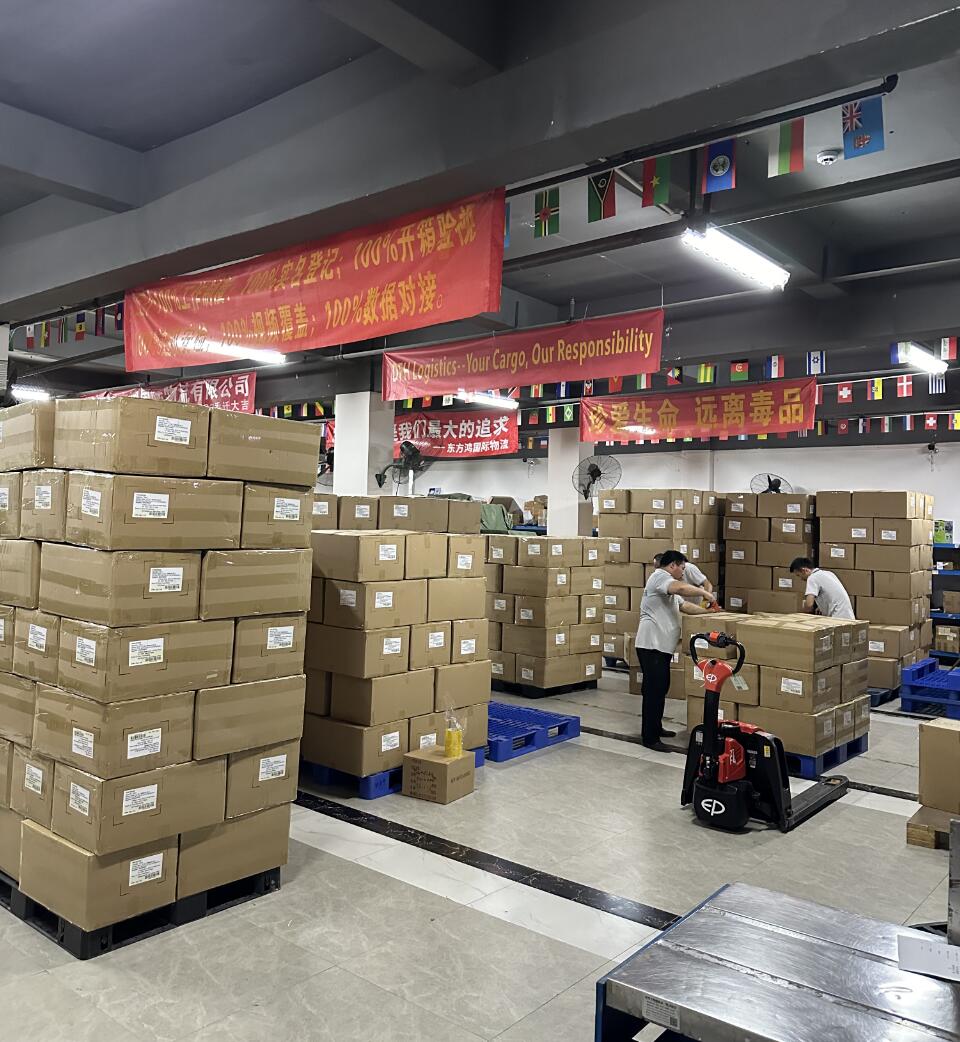
For online sellers, stock timing is everything. If your inventory is running low, air freight can help you avoid stockouts, lost ranking, and reduced sales momentum. In those situations, faster delivery can protect far more value than the extra shipping cost.
But relying only on air freight can damage margin over time. That is why many successful Amazon and e-commerce sellers use sea freight for regular restocking and reserve air freight for emergencies, peak season pressure, or selected SKUs.
- The best Option is for a shipment if you are urgent restocking, or out of stocking, can ship 30% by Air freight let your sales going normal, and the rest 70% by fast sea frehgt Shipping. as fast sea freight takes only 20-25days.
Which Shipping Method Is Safer for Goods?
Both air freight and sea freight can be safe when handled properly, but sea freight usually involves longer transit, more handling stages, and greater exposure to moisture, stacking pressure, and extended transport conditions. Air freight usually involves shorter transit and less time in the shipping chain, which can reduce some types of risk.

When buyers ask which is safer, the answer depends on product type, packaging quality, and route handling. Air freight is faster, so cargo spends less time exposed to transport conditions. That can be helpful for fragile, valuable, or sensitive products.
Sea freight is also safe for many goods, but it requires stronger packaging discipline. Longer transit, container stacking, humidity, and port handling all increase the importance of proper packing, protection, palletization, and cargo preparation.
For fragile or high-value goods, insurance and professional packaging matter regardless of transport mode. A poorly packed shipment can create problems in either method. A well-prepared shipment usually travels much more safely in either channel.
Air Freight vs Sea Freight for Customs Clearance and Door-to-Door Shipping
Both air freight and sea freight can be arranged as door-to-door shipping from China to USA, but the customs process, local handling, and delivery structure may differ. The easiest option for many importers is to work with a freight forwarder that manages pickup, export, customs clearance, duty handling, and final delivery.

Many importers are not only comparing transportation speed and cost. They are also worried about customs paperwork, duties, and delivery to the final address. In practice, those concerns often matter even more than the freight mode itself.
With the right freight forwarder, both air freight and sea freight can be handled as a complete shipping solution. That includes supplier pickup, warehousing if needed, export customs declaration in China, international transport, US customs clearance, and final-mile delivery.
For buyers without import experience, this can greatly simplify the process. It reduces coordination work, minimizes mistakes, and helps avoid hidden complications between separate service providers.
Common Mistakes Importers Make When Comparing Air Freight and Sea Freight
Many importers compare only the freight price and ignore the real factors that affect total shipping cost, delivery performance, and business profit. A better comparison should look at the full shipping result, not just the first quote.

When comparing air freight and sea freight from China to the USA, these are the most common mistakes buyers make:
Comparing only the freight quote
Many buyers look only at the price per kg or per CBM and make a decision too quickly. The cheaper quote is not always the better option if it causes delays, extra fees, or inventory problems.Ignoring chargeable weight
Some shipments are billed by volumetric weight instead of actual weight. If the cargo is bulky, the final air freight cost may be much higher than expected.Assuming sea freight is always the cheapest choice
Sea freight usually has a lower unit cost, but if the shipment is urgent, the slow transit time may create stock shortages, lost sales, or customer delays.Assuming air freight is always too expensive
For small, urgent, or high-value cargo, air freight may actually be the better business choice because it protects cash flow and sales opportunities.Ignoring packaging size
Oversized cartons can increase air freight cost quickly. Poor packaging can also reduce container efficiency in sea freight and raise the total shipping cost.Not checking the full door-to-door cost
Some buyers compare only the international transport part and forget pickup, export customs, customs clearance, duties, port fees, and final delivery charges.Underestimating customs clearance delays
Buyers sometimes focus only on transit days and forget that customs inspection, documentation issues, or missing information can affect the real delivery timeline.Not calculating inventory risk
A lower sea freight cost may not be worth it if slow delivery causes stockouts, delayed projects, or missed selling seasons.Not considering product margin
Low-margin products usually need tighter cost control, so sea freight often makes more sense. High-margin products may justify faster air freight.Failing to plan supplier lead time
Even the best shipping method cannot solve a problem if the supplier is late. Shipping decisions should be based on the full supply chain timeline.Choosing one method for every shipment
Some importers use only air freight or only sea freight for all cargo. In reality, many businesses do better with a mixed strategy based on urgency and shipment size.
Attention please
The biggest mistake is judging air freight and sea freight only by the first quoted price. A smart importer compares chargeable weight, total landed cost, delivery time, customs risk, inventory pressure, and product margin before choosing the shipping method.
Final Thoughts: Air Freight vs Sea Freight From China to USA
Air freight is better for speed. Sea freight is better for cost efficiency on larger shipments. The best option depends on your cargo size, urgency, value, and business priorities. Choosing correctly can improve cash flow, reduce risk, and protect your profit.
If you are shipping from China to the USA, do not treat this as a simple price comparison. Look at your timeline, product type, packaging, sales pressure, and total shipping goal. That is how experienced importers make better decisions.
If you want, you can provide us your shipment details, let’s help to check and quote for your reference for your next shipment. If still have any other questions about shipping from China to USA. Contact us any time by email or online CHat directly.