Shipping from Shanghai to the USA involves choosing the right freight method (air, sea, express, or DDP), understanding realistic costs and transit times, complying with U.S. customs requirements, and working with a reliable freight forwarder to avoid delays and hidden fees. This guide covers every step importers need in 2026.
Shipping from Shanghai to the USA is one of the most mature China–US trade routes, but it is also one of the routes where importers most often misjudge cost, transit time, and service scope. Many problems do not come from shipping itself, but from choosing the wrong method or misunderstanding what is included.
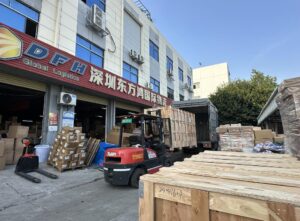
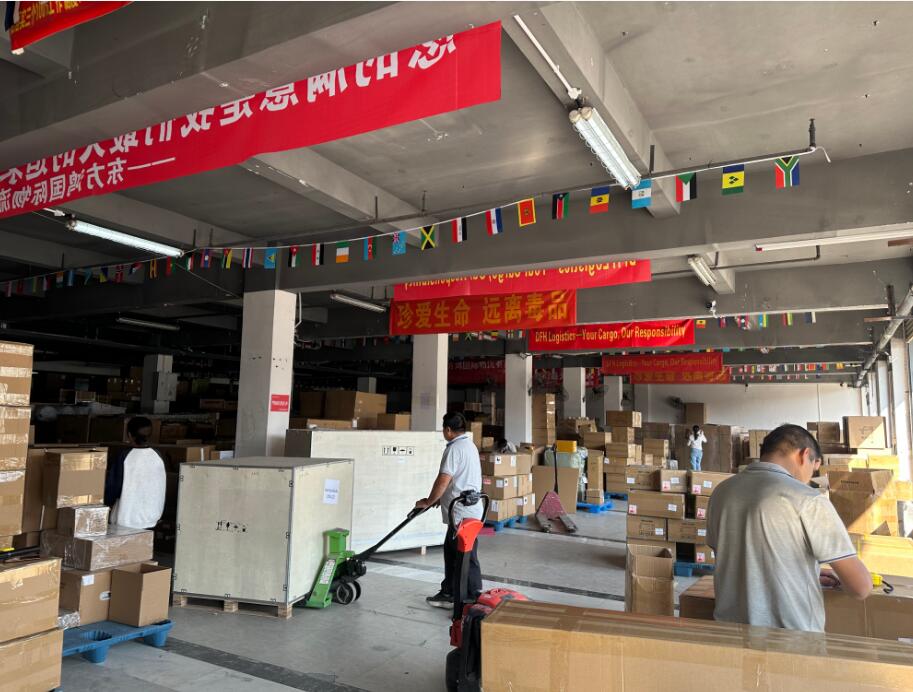
I’m Penny, co-founder of DFH Logistics. Based on 12+ years of real operations on Shanghai–USA routes, this guide is written to directly answer what importers are searching for, with clear numbers, scenarios, and decision logic.
1. Where Is Shanghai Port and Why Is It So Important for U.S. Shipping?

Shanghai is China’s largest export hub, offering the most frequent sailings and flights to the USA, which directly improves schedule flexibility, space availability, and rate stability compared with other ports.
Shanghai operates as a port cluster, mainly:
- Yangshan Deep-Water Port (international container hub)
- Waigaoqiao Port (river–sea terminals)
For U.S.-bound cargo, Shanghai’s advantage is not just size, but frequency. More weekly sailings and flights mean:
- easier booking during peak season
- lower risk of vessel rollovers
- more stable long-term pricing
If you are comparing Shanghai with other origins, this reference may help:
Top China Ports for Shipping to the USA.
2. What Are the Main Shipping Methods from Shanghai to the USA?
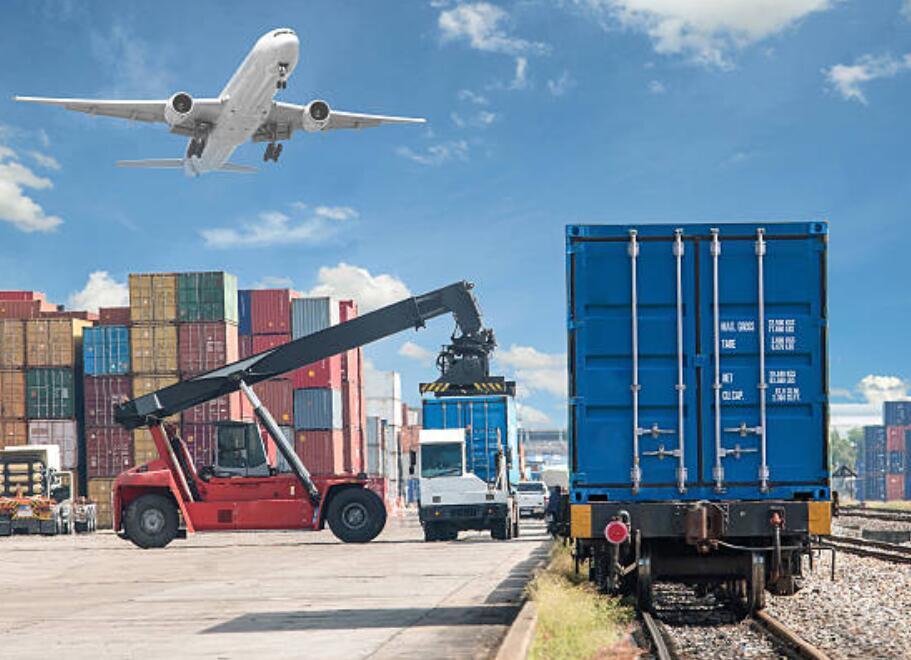
Shipping from Shanghai to the USA can be done by sea freight, air freight, express courier, or DDP door-to-door, and the best option depends on shipment size, urgency, and whether customs and duties are included.
2.1 Sea Freight from Shanghai to USA (LCL and FCL)
Sea freight is the cheapest option for heavy or bulky cargo, with typical transit times of 18–25 days to the U.S. West Coast and 30–40 days to the East Coast (port-to-port).
LCL (Less than Container Load):
- suitable for small shipments (around 1–10 CBM)
- cost shared with other cargo
- slightly higher risk of delay due to consolidation
FCL (Full Container Load):
- suitable for large-volume shipments
- lower unit cost
- faster and more controlled handling
Sea freight is best when cost is more important than speed.
For a clear decision framework, see: FCL vs LCL Shipping from China.
2.2 Air Freight from Shanghai to USA
Air freight from Shanghai to the USA typically takes 5–10 days airport-to-airport and 7–14 days door-to-door, depending on flight schedules and customs clearance.
Air freight is suitable when:
- time-sensitive inventory is involved
- shipment size is moderate
- higher freight cost is acceptable
Costs are calculated by chargeable weight, so low-density cargo can become expensive quickly.
2.3 Express Courier (DHL / UPS / FedEx)
Express shipping from Shanghai to the USA usually takes 3–7 days, but duties and taxes are normally not included and are billed separately.
Express works best for:
- samples
- small parcels
- urgent accessories or spare parts
For commercial shipments, express is fast but often unpredictable in total landed cost, especially when customs duties or inspections apply.
2.4 DDP Door-to-Door Shipping from Shanghai to USA
DDP shipping from Shanghai to the USA takes about 25–40 days by sea and 6–12 days by air, with customs clearance, duties, and final delivery fully included.
DDP covers:
- pickup in Shanghai
- export clearance
- international transport
- U.S. customs clearance
- duty and tax payment
- final door-to-door delivery
This method is ideal for buyers who want fixed landed cost and minimal involvement.
More details here:
DDP Shipping from China to USA.
3. How Much Does Shipping from Shanghai to USA Cost in 2026?

Shipping cost from Shanghai to the USA varies by method, with sea freight offering the lowest unit cost, air freight mid-range pricing, and express the highest cost per kilogram.
Below is one consolidated reference price table showing the typical price ranges for shipping from Shanghai to different U.S. regions, grouped by major shipping channels.
| Shipping Method | West Coast USA (CA, WA, OR, NV, AZ) | Central USA (TX, IL, OH, MI, GA) | East Coast USA (NY, NJ, PA, MA, FL) | Typical Use Case |
|---|---|---|---|---|
| DDP Sea Freight (Door-to-Door) | $1.9 – 3.4 / kg | $2.2 – 3.7 / kg | $2.5 – 3.9 / kg | Bulky, heavy cargo; predictable landed cost |
| DDP Air Freight (Door-to-Door) | $4.0 – 8.5 / kg | $4.5 – 9.2 / kg | $5.0 – 10.0 / kg | Urgent commercial shipments |
| Express Courier (DHL / UPS / FedEx) | $6 – 12 / kg | $7 – 14 / kg | $8 – 15 / kg | Samples, small parcels, time-critical |
| LCL Sea Freight (Port-to-Port) | $80 – 180 / CBM | $90 – 200 / CBM | $110 – 260 / CBM | Small sea shipments with own customs |
| LCL Sea Freight (Door-to-Door, non-DDP) | $220 – 420 / CBM | $260 – 480 / CBM | $320 – 580 / CBM | LCL with delivery, duties excluded |
| FCL 20GP (Port-to-Port) | $2,000 – 4,500 / container | $2,200 – 4,900 | $2,600 – 5,600 | Full container, cost control at scale |
| FCL 40HQ (Port-to-Port) | $3,000 – 6,800 / container | $3,300 – 7,500 | $4,000 – 8,800 | Large-volume shipments |
Above is just roughly price, the exactly costs depend on:
- chargeable weight (kg or CBM)
- cargo density
- HS code and duty rate
- delivery address type
- season and capacity
3.1 What a Complete Shipping Cost Usually Includes
A true all-in cost may include:
- pickup and handling in Shanghai
- export customs declaration
- international freight
- destination port or terminal charges
- customs clearance
- duties and taxes (if DDP)
- final delivery
Quotes that look unusually cheap often exclude destination charges or customs scope.
3.2 Cost Characteristics by Shipping Method
Sea freight:
Lowest cost per unit, best for bulky or heavy cargo.
Air freight:
Higher cost, faster delivery, suitable for urgent commercial goods.
Express courier:
Highest unit cost, best for small parcels.
DDP shipping:
All-inclusive pricing with predictable landed cost, suitable for buyers without customs experience.
For cost planning and optimization, this guide is helpful:
How to Reduce Shipping Costs: 15 Useful Tips.
3.3 The Biggest Factors That Increase Shipping Cost
The most common cost drivers include:
- low-density cartons increasing volumetric weight
- oversize or non-stackable cargo
- residential or limited-access delivery
- peak-season surcharges
- customs inspections due to documentation issues
Some importers use platforms like
Freightos
to observe market trends, but real quotes still depend on shipment details.
4. How Long Does Shipping from Shanghai to USA Take?

Shipping time from Shanghai to the USA ranges from 3–7 days by express, 7–14 days by air freight, and 25–40 days by sea DDP door-to-door, depending on method and destination.
4.1 Sea Freight Transit Time
- West Coast USA: about 18–25 days port-to-port
- East Coast USA: about 30–40 days port-to-port
Door-to-door services add customs clearance and inland delivery time.
4.2 Air Freight and Express Transit Time
- Air freight: typically 5–10 days airport-to-airport
- Express courier: typically 3–7 days door-to-door
Customs inspections can extend these timelines.
4.3 DDP Door-to-Door Transit Time
- Sea DDP: approximately 25–40 days
- Air DDP: approximately 6–12 days
DDP timelines are more predictable because customs and delivery are pre-arranged.
4.4 The Most Common Reasons for Delay
Delays are most often caused by:
- incorrect commercial invoice or packing list
- HS code or customs value issues
- random CBP inspections
- peak-season congestion
- delivery appointment delays
Official clearance guidance is available from
U.S. Customs and Border Protection.
5. Which U.S. Ports Are Commonly Used for Shipments from Shanghai?
For shipments from Shanghai, Los Angeles/Long Beach and New York/New Jersey are the two main gateways, and choosing the right one can easily save 7–15 days and thousands of dollars in inland costs.
When people ask me, “Which U.S. port should I ship to?”, what they usually mean is:
“How do I get my goods to my warehouse or Amazon center with the least trouble?”
So I never answer this by looking only at the ocean rate.
How I actually decide the port in real cases
I always start with the final delivery address, not the port.
If your cargo is going to:
- California, Nevada, Arizona, Washington → West Coast ports almost always make more sense
- New York, New Jersey, Pennsylvania, Massachusetts → East Coast ports are usually safer
- Texas, Midwest, Southeast → the answer depends on inland trucking and rail, not the ocean leg
Many first-time importers choose Los Angeles because the ocean rate is cheaper. Then they realize they still have to truck the cargo across the country. That mistake alone can erase all savings.
What usually goes wrong with port selection
These are the mistakes I see most often:
- Choosing a port based on someone else’s quote, not your own delivery address
- Forgetting that East Coast routes take longer on the ocean
- Not checking whether the service is direct or transshipment
- Ignoring appointment delivery rules at the destination
A simple rule I use:
If your forwarder cannot clearly explain how the cargo moves from the port to your door, the port choice is not finished.
6. What Documents Are Required to Ship from Shanghai to the USA?

To ship from Shanghai to the USA smoothly, your commercial invoice, packing list, and transport document must clearly describe the goods, match each other exactly, and reflect what is physically inside the cartons.
Most customs problems don’t come from missing documents.
They come from documents that technically exist but don’t line up.
The documents that really matter
Commercial Invoice
This is the document customs looks at first. In real inspections, officers focus on:
- What exactly the product is
- Whether the description makes sense for the HS code
- Whether the value looks realistic for that product type
Vague descriptions like “parts”, “accessories”, or “goods” almost always cause questions.
Packing List
This is not just a formality. It should tell a clear physical story:
- How many cartons are there
- How heavy they are
- How big they are
- How they are packed (cartons, pallets, crates)
If the packing list says 50 cartons but the warehouse unloads 52, you have a problem.
Bill of Lading or Air Waybill
This ties the shipment to the carrier and the consignee. Name, address, and contact details must be correct and consistent.
One practical rule I follow
If I put your invoice and packing list side by side and have to think too hard to understand the shipment, customs will think even harder.
Clarity beats complexity every time. Read more All Documents You Need for Shipping from China
7. How Does U.S. Customs Clearance Work for Shanghai Shipments?
U.S. customs clearance depends on three things: a clear Importer of Record, correct HS codes, and documents that match the cargo; shipping method does not change this requirement.
Many people think customs clearance is something that happens after the ship arrives.
In reality, it is decided before the cargo even leaves Shanghai.
What “Importer of Record” really means in practice
The Importer of Record is the party legally responsible for:
- HS code accuracy
- customs value declaration
- compliance with U.S. import rules
If the IOR is unclear or unprepared, clearance becomes slow and expensive.
With DDP shipping, this responsibility is structured into the service.
Without DDP, it falls on the buyer or their broker.
What actually triggers customs inspections
From real experience, the most common triggers are:
- HS code doesn’t logically match the product description
- Declared value looks too low for the product type
- Description is vague or inconsistent
- Product category is known for enforcement
- Random selection (this does happen)
Inspections are not rare. What matters is how ready you are when they happen.
How to reduce clearance risk in real life
Before booking:
- Confirm HS code logic
- Finalize invoice wording
- Make sure quantity, value, and weight make sense together
After departure:
- Do not change documents unless absolutely necessary
- Respond quickly if documents are requested
- Keep communication centralized (too many people replying causes confusion)
Most long delays happen because documents are rewritten after arrival. these are the tips of: Avoid customs delay you need to learn if you importing or want to import from China to USA.
8. What Is DDP Shipping from Shanghai to USA and When Is It the Best Choice?
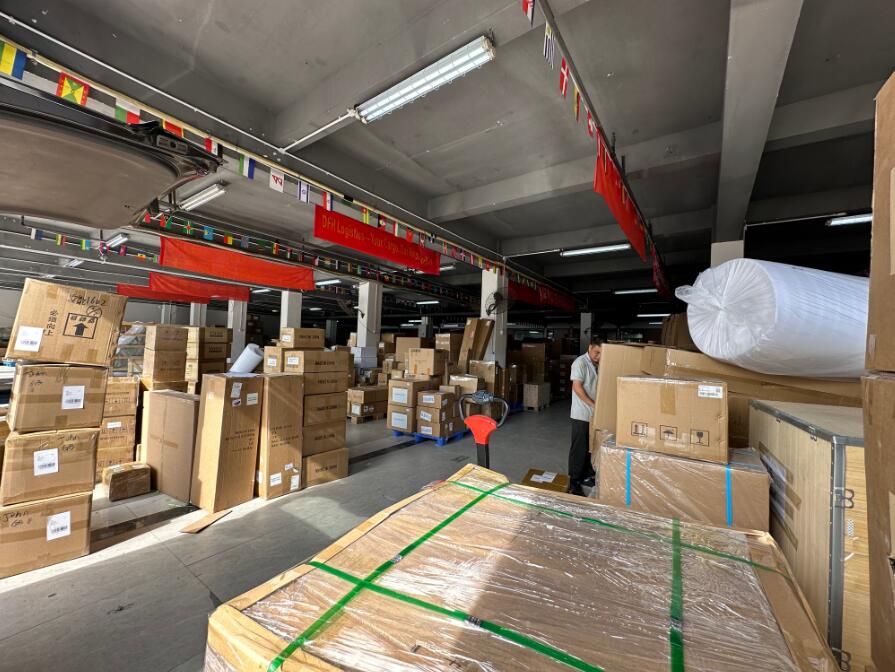
DDP shipping from Shanghai to the USA delivers goods door-to-door with customs clearance and duties included, typically taking 25–40 days by sea and 6–12 days by air.
People choose DDP for one main reason:
They want one party responsible for the entire journey.
What good DDP actually looks like
A proper DDP service means:
- Pickup is coordinated with the supplier
- Export clearance is handled without last-minute document changes
- Customs clearance in the U.S. is planned, not improvised
- Duties and taxes are handled inside the service scope
- Delivery is made to the agreed address type
If any of these are vague, it’s not really DDP — it’s just a bundled quote.
When DDP makes the most sense
From experience, DDP works best when:
- You don’t import frequently
- You don’t want to manage brokers and carriers
- You ship to Amazon, multiple addresses, or residential locations
- You want predictable landed cost for pricing your product
When I tell clients to reconsider DDP
DDP may not be ideal if:
- You have an in-house compliance team
- You need very specific customs strategies
- You want full control over broker selection
DDP is about simplicity and accountability, not about chasing the absolute lowest line item.
9. Shipping from Shanghai to USA for Amazon FBA Sellers
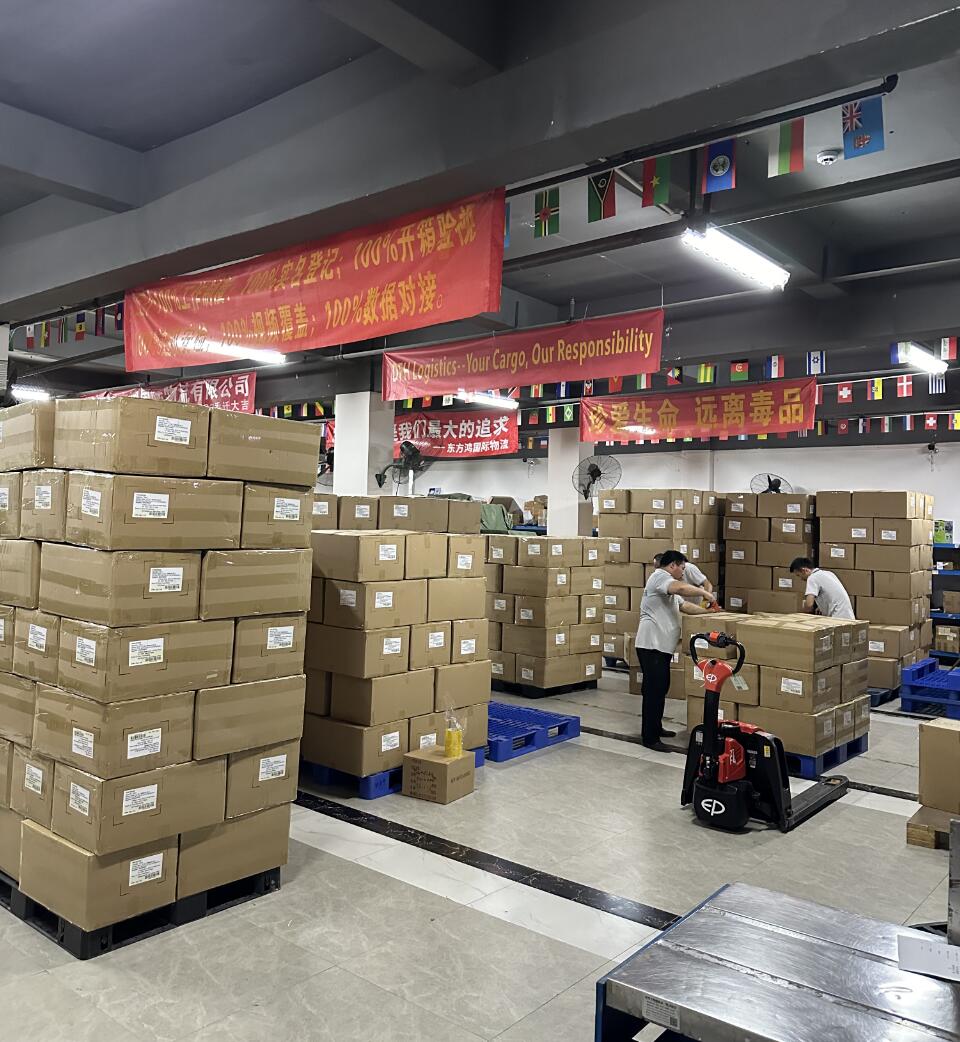
For Amazon FBA shipments, success depends more on preparation and compliance than on shipping speed.
Most FBA delays I see are not caused by ships or planes.
They are caused by labeling, carton, or appointment issues.
What Amazon actually checks
Amazon focuses on:
- Correct FNSKU labels
- Correct carton labels
- Carton size and weight limits
- Shipment plan consistency
- Appointment delivery compliance
If any of these are wrong, your shipment can sit even if it arrived on time.
Choosing the right delivery mode
SPD works well for:
- Smaller shipments
- Individual cartons
LTL works better when:
- You have pallets
- You want fewer touchpoints
FTL is best when:
- Volume is high
- Delivery schedule is fixed
The mistake I see most often is choosing the delivery mode first, then trying to force the cargo to fit.
Packaging advice from real cases
Most Amazon damage issues come from:
- Weak cartons collapsing under stacking
- No corner protection
- Moisture during port handling
Package for international handling, not domestic courier standards.
10. Product-Specific Shipping Considerations from Shanghai to USA
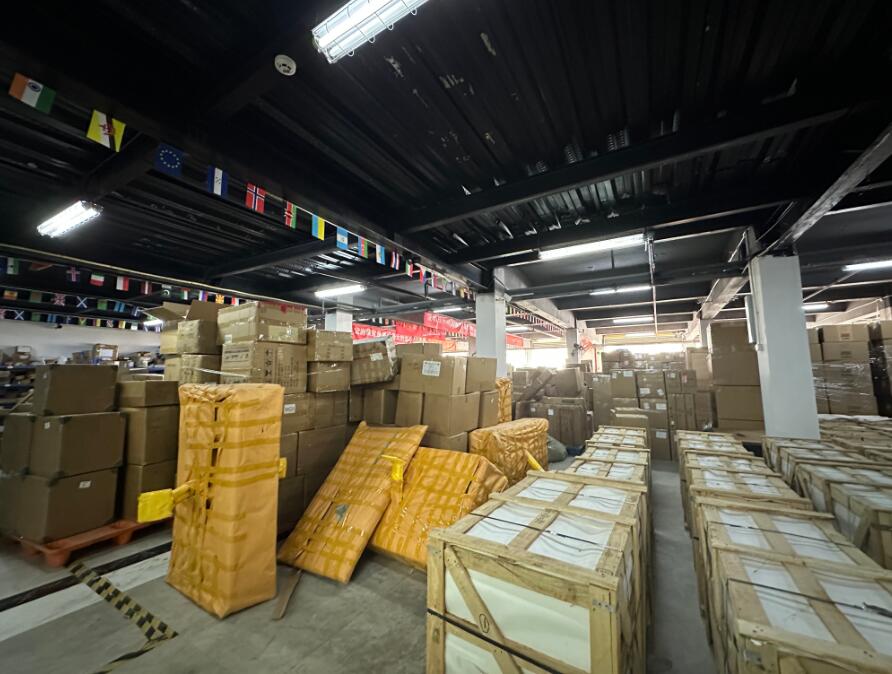
Different products face different risks when shipping from Shanghai to the USA, and method, packaging, and documentation should change accordingly.
Furniture and bulky items
Reality:
- Volume drives cost
- Damage risk is high
Best practice:
- Reinforced cartons or crates
- Moisture protection
- Sea or sea DDP in most cases
Electronics and LED products
Reality:
- Higher inspection frequency
- Model and description clarity matter
Best practice:
- Consistent model lists
- Clear invoice wording
- Air or DDP air for urgent stock
Machinery
Reality:
- Weight and balance matter
- Poor crating leads to damage
Best practice:
- Export-grade wooden crates
- Clear handling instructions
- Sea freight for most shipments
Textiles and general cargo
Reality:
- HS code accuracy is critical
Best practice:
- Stable classification
- Consistent descriptions across shipments
11. How to Choose a Reliable Freight Forwarder in Shanghai
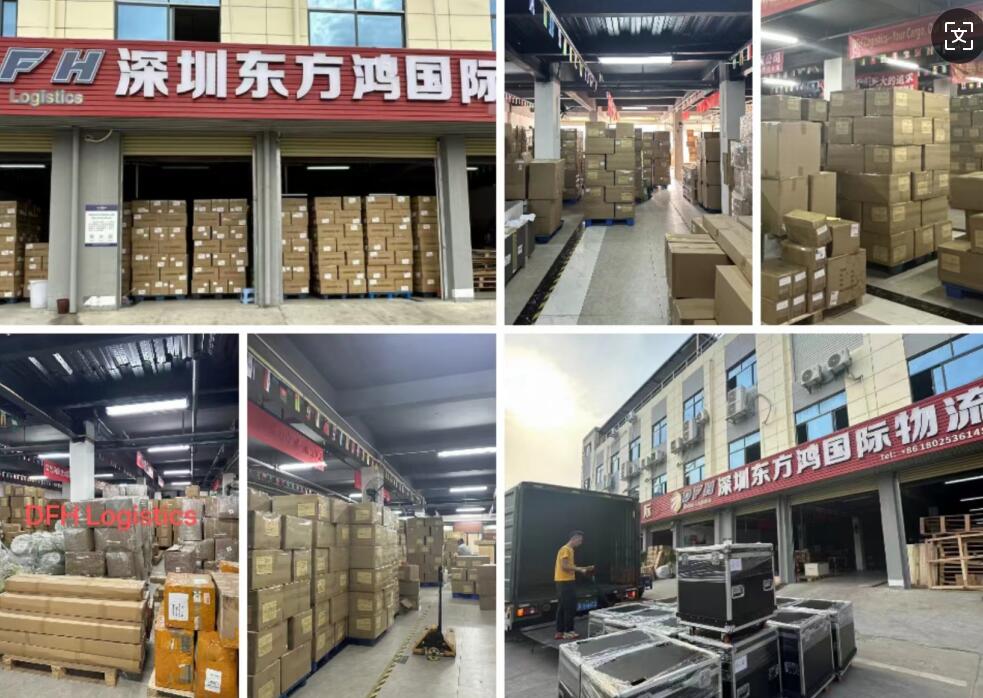
A reliable Shanghai freight forwarder is defined by clarity, control, and problem-solving ability — not by the lowest quote.
When I evaluate partners myself, I look at:
- Can they clearly explain what is included and excluded?
- Do they talk about customs before I ask?
- Do they explain what happens if something goes wrong?
Practical questions worth asking
Ask directly:
- Who handles customs clearance if there is an issue?
- How do you communicate delays or inspections?
- What documents do you need from me before booking?
If answers are vague before booking, they will be worse after departure.
These are the Best Freight Forwarder in Shanghai you should know.
12. Common Risks When Shipping from Shanghai to USA and How to Avoid Them

Most Shanghai-to-USA problems come from unclear scope, weak documentation, or underestimating handling risk.
Hidden charges usually come from:
- Destination fees not included
- Delivery surcharges not disclosed
Customs delays usually come from:
- HS code mismatch
- Vague descriptions
Cargo damage usually comes from:
- Weak packaging
- No insurance
All three are preventable with planning.
Final Thoughts
Shipping from Shanghai to the USA works best when decisions are made calmly, documents are prepared early, and responsibility is clearly defined.
In my experience, the most successful importers are not the ones who find the cheapest rate. They are the ones who build a process they can repeat without surprises. Contact us today for your next Shanghai to USA shipment to get the best Shipping solution.