If you want to ship goods from China to the USA in 2025 at the absolute lowest cost without risking delays or hidden fees, this guide breaks down every weight segment, shipping method, and scenario. Drawing on my 12+ years as co-founder of DFH Logistics, I’ll show you exactly which route is cheapest for your shipment — from small parcels under 2KG to FCL containers — and how to avoid costly mistakes that most importers overlook.
Shipping cheaply isn’t just about finding the lowest sticker price. It’s about understanding weight, dimensions, customs, urgency, and the type of delivery point. I’ll walk you through each scenario like I do with my clients every day, so you can make decisions that truly save money and time.
What Factors Determine the Cheapest Route in 2025?
The cheapest shipping route isn’t determined by price alone. Factors like weight, volume, urgency, cargo type, and delivery destination all influence which route actually costs less. Understanding these variables is key to saving money on every shipment.
From my experience at DFH Logistics, I always consider the following factors when recommending a route:
- Chargeable weight vs actual weight: volumetric weight often drives cost more than raw kilograms.
- Cargo type: batteries, liquids, powders, or fragile items require special handling.
- Urgency and timing flexibility: small delays can reduce cost by 20–40%.
- Delivery point: residential, commercial, or Amazon FBA affects carrier options.
- DDP vs non-DDP: whether duties and customs are prepaid changes your cheapest route.
- Seasonal and market trends: peak seasons like Chinese New Year can significantly alter rates.
By evaluating these factors first, I can always find the route that minimizes cost while avoiding hidden fees and delays.
How Do I Find the Cheapest Shipping Route in 2025?
The cheapest shipping route depends on multiple factors — actual weight, volumetric weight, urgency, customs responsibility, and final destination. Misjudging any of these can double your cost. Here’s how I analyze a shipment to determine the most cost-effective option.
Whenever a client asks, “What’s the cheapest way to ship to the USA?”, I first evaluate these critical variables:
- Actual vs volumetric weight: Most people don’t realize that bulky, lightweight shipments can dramatically increase cost.
- Cargo type: Batteries, liquids, powders, or high-value branded goods require special channels.
- Urgency: Flexible timing can save 20–50% on cost.
- Destination: Commercial address, residential address, or Amazon FBA — each affects carrier pricing.
- DDP vs non-DDP: Whether customs and duties are handled upfront or by the importer.
- Volume consolidation: Multiple suppliers can be combined to reduce cost.
By carefully analyzing these factors, I can match each shipment to the route that provides the lowest total landed cost.
What’s the Cheapest Route for Shipments Under 2KG?
For shipments under 2KG, the most cost-effective methods in 2025 are postal lines, economy express, and consolidated USPS entries. Choosing the right one depends on value, tracking requirements, and delivery speed.
Small parcels behave differently from heavier shipments. Here’s how I choose the cheapest method for my clients:
1. China Post (Registered Mail / ePacket)
- Cheapest option for light parcels
- Best for low-value items like accessories, small electronics, and beauty products
- Tracking varies; slower during peak season
- Ideal for early-stage e-commerce or sample shipments
2. Economy Express (4PX, Yanwen, UBI)
- Slightly higher cost than postal, but faster and more reliable
- Very low risk of lost parcels
- Good for Shopify sellers, small DTC brands, or influencer businesses
3. Consolidated USPS Injection
- We consolidate dozens to hundreds of parcels in China
- Ship them together into the USPS domestic network
- Offers better tracking and reliability than standard postal
- Best option for high-volume small parcels
My recommendation:
- Low-value, flexible timing → postal
- Small volume, better reliability → economy express
- High-volume sellers → USPS consolidation
What’s the Cheapest Route for 2–100KG Cargo?
For shipments between 2KG and 100KG, the cheapest route varies depending on actual weight, volume, and urgency. Economy express, air DDP, and sea DDP are the most cost-effective options for this weight segment.
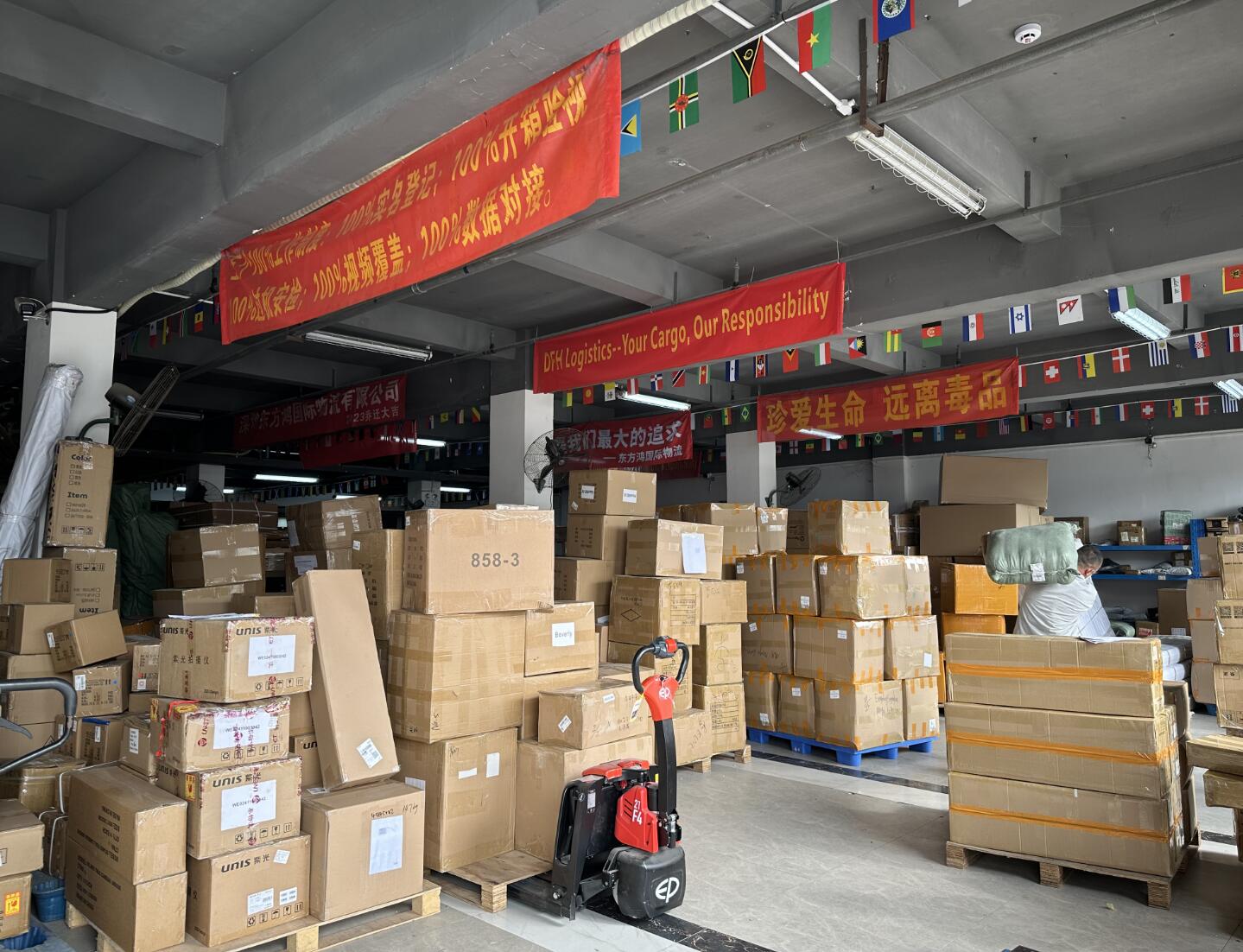
This is the weight range where most importers overspend. My decision process is:
Step 1: Calculate chargeable weight
Volumetric weight often dictates cost, especially for bulky but lightweight packages:
Length × Width × Height ÷ 6000` (cm)=kg
Compare the volume weight and Gross weight.
If volumetric > actual weight then charge weight is Volume weight.
If volumetric < Gross weight then charge weight is Gross weight.
Step 2: Compare the options
A. Economy Express (2–20KG)
- Time need only 2-7days.
- Cheapest and fastest option for smaller cartons
- Reliable tracking and delivery
- Best for samples or high-value small shipments
B. Air DDP (20–60KG)
- Door-to-door with duties and customs handled
- Shipping time only 6-12 days.
- More cost-effective than express for mid-size shipments with volumetric weight
- Ideal for medium-sized cartons or multiple SKUs
C. Sea DDP (50–100KG)
- Lowest cost per KG for bulkier shipments
- Delivery slower (25–40 days), but cost savings are significant
- Works well for FBA restocking or non-urgent wholesale orders
My recommendation:
- 2–10KG → Economy Express
- 10–30KG → Compare economy express vs air DDP based on volume
- 30–100KG → Air DDP if urgent; Sea DDP if price priority
What’s the Cheapest Route for Shipments Over 100KG?
For shipments over 100KG, the price difference between shipping methods becomes very significant. Sea freight, air freight, and hybrid options all have their place, but the cheapest method usually depends on volume, urgency, and whether you want duties prepaid.
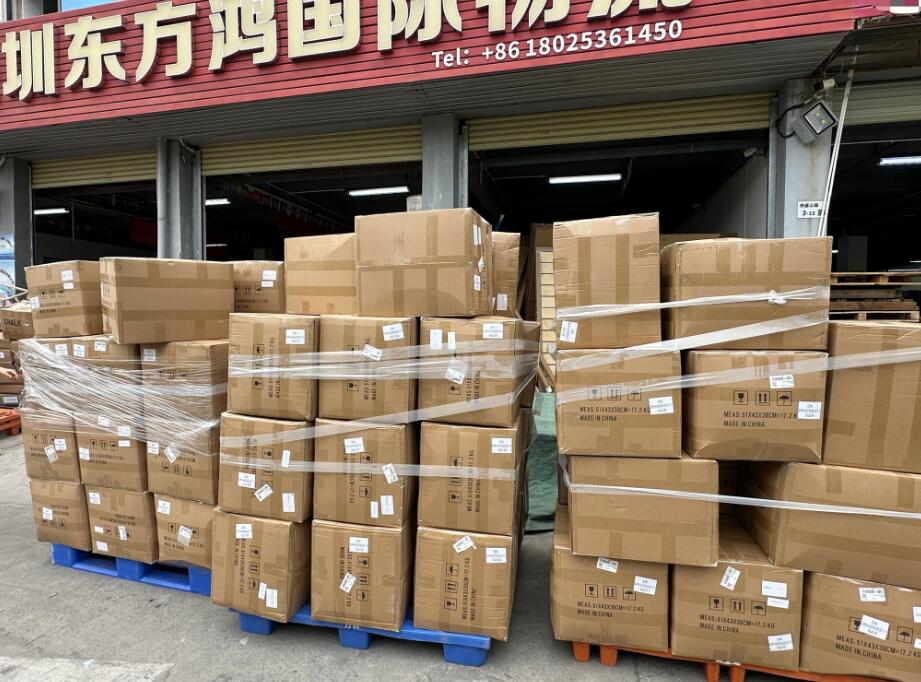
When my clients ship more than 100KG, this is how I approach the decision:
A. DDP Sea Freight (LCL)
- Lowest cost per KG for heavy shipments
- Duties and customs handled — you don’t need to touch paperwork
- Works well for palletized cargo, cartons, or bulk orders
- Delivery times: 25–40 days door-to-door
- Ideal for FBA replenishment or wholesale orders
B. LCL (Non-DDP)
- Less expensive per shipment if you handle customs yourself
- Best for experienced importers or when you have a reliable broker
- Risk: possible delays if customs documentation is incomplete
C. Air Freight (100–300KG)
- Much faster, but significantly more expensive
- Price can be competitive for dimensionally efficient cargo
- Ideal when timing is critical, like urgent stock replenishment
My recommendation:
- Prioritize DDP sea freight for cost efficiency and convenience
- Consider LCL only if you have customs experience and want extra savings
- Use air freight for urgent shipments
What’s the Cheapest Shipping Method for Oversized or Bulky Cargo?
Oversized cargo has unique challenges: volumetric weight often drives pricing. I typically recommend sea DDP or specialized trucking solutions to minimize cost without causing delays or handling issues.
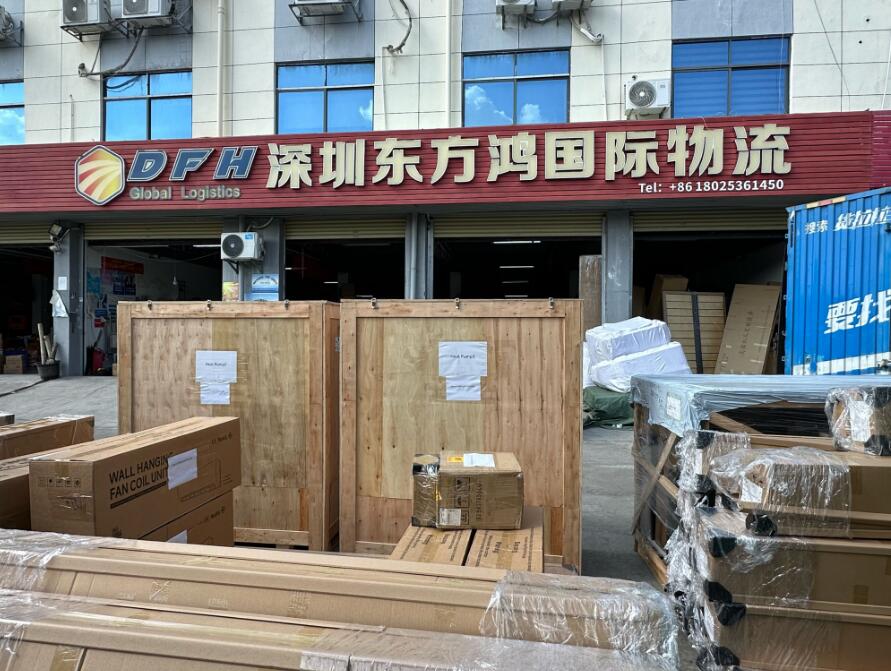
For large or awkwardly shaped items, the cheapest methods in 2025 are:
- Sea Freight FCL/DDP: Most cost-effective for truly heavy or oversized pallets
- Hybrid Sea + Truck Consolidation: Combines ocean freight for long haul and trucking for last mile
Tips from my experience:
- Always measure dimensions precisely; volumetric weight often outweighs actual weight
- Consolidate with other shipments to reduce empty space charges
What’s the Cheapest Route for Amazon FBA Shipments?
Amazon FBA shipments require precise labeling, packaging, and delivery windows. The cheapest method depends on size, urgency, and predictability. Sea DDP is cheapest for bulk cartons; air DDP is best for mid-weight urgent restocks.
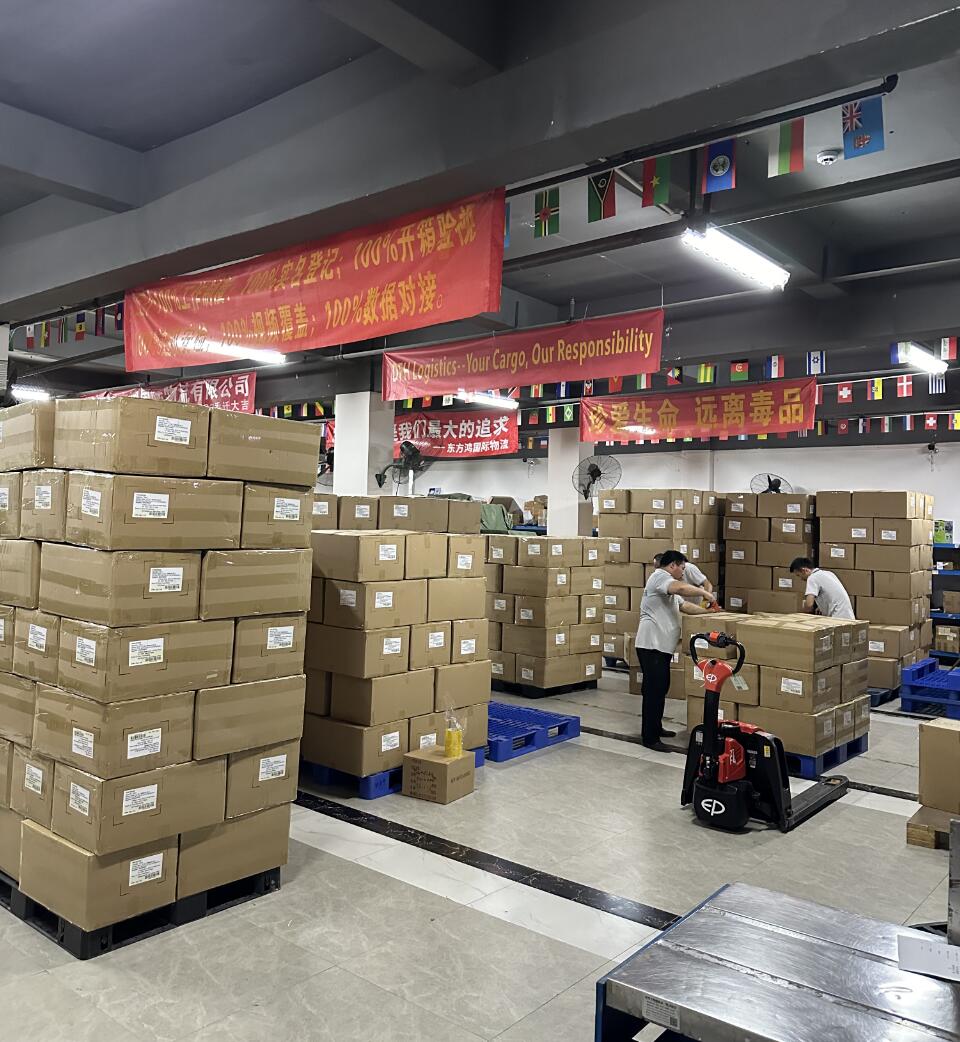
Here’s how I plan FBA shipments for clients:
1. Sea DDP (Bulk Pallets or Cartons)
- Lowest total landed cost
- Duties and customs prepaid
- Direct delivery to FBA appointment
- Best for sellers with predictable inventory cycles
2. Air DDP (Mid-weight Cartons)
- Faster than sea
- Still cheaper than express for moderate-sized shipments
- Good for urgent restocks
3. Express (DHL, FedEx, UPS)
- Only cost-effective for small SKUs (<20KG)
- Use for urgent replacements, sample shipments, or very small orders
Recommendation from real experience:
- Plan inventory in advance → Sea DDP
- Emergency restock → Air DDP
- Small, urgent shipments → Express
What’s the Cheapest Route for Consolidated Multi-Supplier Shipments?
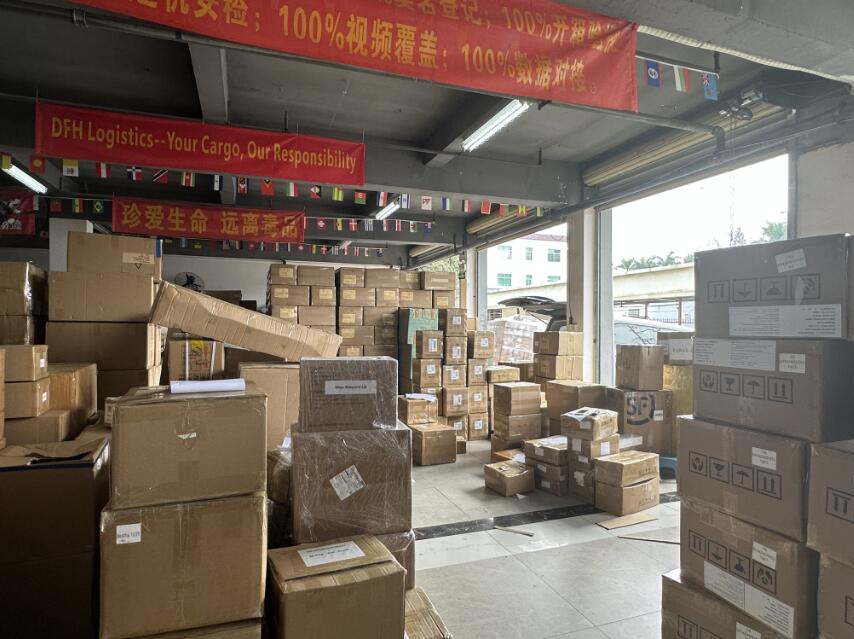
Consolidating multiple suppliers into one shipment reduces cost significantly, especially for small parcels or mixed SKUs. Timing and proper packing are crucial to save the most.
I often tell clients: “Don’t pay for 5 separate shipments when you can combine them.” My approach:
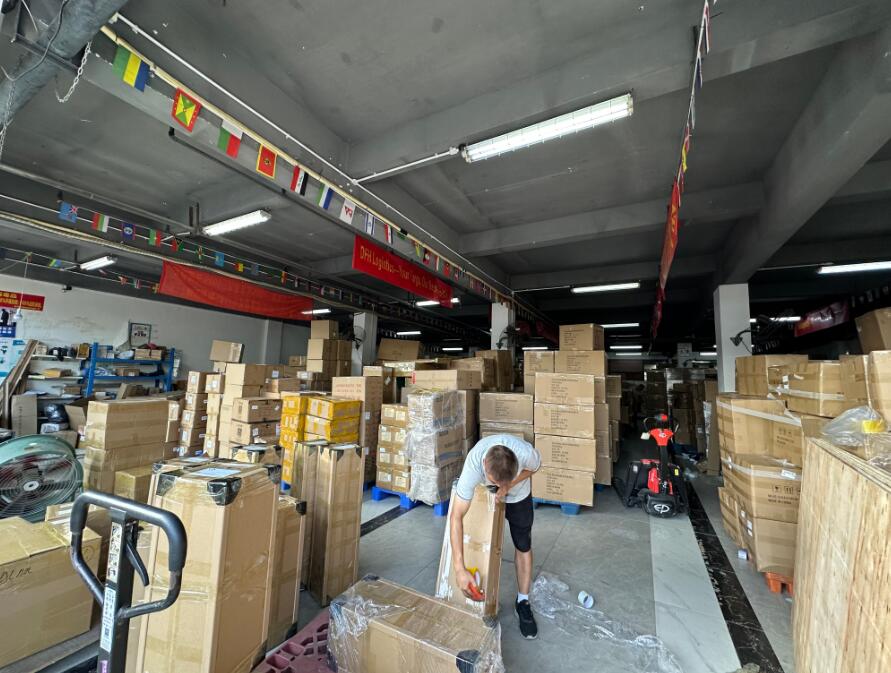
- Consolidate parcels in our China warehouse
- Use economy express or DDP air/sea depending on weight
- Ensure proper labeling for customs and Amazon FBA if needed
Benefits:
- Lower per-KG cost
- Reduced handling and paperwork
- Less chance of lost parcels
What’s the Cheapest Route for Time-Sensitive Shipments?
When urgency is critical, cheapest does not mean slowest. The goal is the lowest cost given the time constraint. Air DDP and express are usually the right choice for urgent deliveries under 100KG.
Key rules I use:
- Under 2KG: Express or USPS-injected postal
- 2–20KG: Economy express
- 20–100KG: Air DDP
- 100KG+: Air freight if extremely urgent; otherwise sea DDP for bulk
Tips you should know before pay:
- Avoid last-minute shipping — rates spike sharply
- Book in advance to lock cheaper DDP air freight rates
Cheapest Route When You Need Customs & Duties Fully Handled (DDP)?
If you want shipping that includes customs clearance and duty payment, DDP is essential. Choosing the right DDP service ensures your shipment arrives on time without surprises, and can still be cost-effective if planned correctly.
In 2025, my DDP recommendations are:
- Small parcels (<20KG): Economy express DDP works best for door-to-door delivery with duties prepaid.
- Medium shipments (20–100KG): Air DDP is usually cheaper than express for mid-size cartons, and faster than sea.
- Bulk shipments (100KG+): Sea DDP is the most cost-effective choice; you save significantly on per-KG cost while still getting full customs coverage.
Tip: Always confirm the carrier’s DDP service includes duties and taxes upfront — missing this can lead to unexpected charges upon arrival.
Cheapest Method by Scenario (Quick Decision Tables)?
Featured Summary:
Different shipments require different routes. I use scenario-based decision tables to quickly determine the cheapest option for each shipment type, weight, and urgency.
Here’s a simplified table I use daily:
| Scenario | Weight | Urgency | Recommended Cheapest Method |
|---|---|---|---|
| Light parcels | <2KG | Flexible | Postal / ePacket / Consolidated USPS |
| Small cartons | 2–10KG | Standard | Economy Express or Postal Consolidation |
| Medium cartons | 10–30KG | Flexible | Air DDP (volume efficient) |
| Medium cartons | 10–30KG | Urgent | Air DDP or Express |
| Large cartons | 30–100KG | Flexible | Sea DDP |
| Large cartons | 30–100KG | Urgent | Air DDP |
| Bulk shipments | 100KG+ | Flexible | Sea DDP (FCL/LCL) |
| Bulk shipments | 100KG+ | Urgent | Air freight or combined ship method |
This framework allows me to give clients a quick, actionable recommendation without guessing, ensuring they always get the lowest landed cost.
Conclusion?
The cheapest route from China to the USA isn’t universal — it depends on weight, urgency, cargo type, delivery point, and DDP requirements. Using a structured evaluation framework, like the one I’ve shared, allows you to consistently reduce costs while ensuring smooth delivery.
To summarize my approach:
- Evaluate weight, volume, and cargo type first.
- Match shipment to appropriate shipping mode (postal, economy express, air DDP, sea DDP).
- Factor in DDP or non-DDP, destination, and Amazon FBA requirements.
- Consolidate multiple suppliers where possible to reduce per-KG costs.
- Stay aware of market trends and peak season fluctuations.
Following these principles consistently has allowed me to help importers, Amazon sellers, and wholesalers save 20–40% on shipping costs in 2025 without sacrificing reliability or compliance.