Shipping from China to the USA may seem complicated, but with over 12 years of experience at DFH Logistics, I’ve helped countless importers navigate the entire process efficiently.
Shipping from China to the USA involves ten key steps — from finding a reliable supplier and choosing a professional freight forwarder, to booking space, export declaration, international transport, import customs clearance, and final delivery. By following a structured process and partnering with an experienced logistics company like DFH Logistics, you ensure faster, cheaper, and compliant door-to-door delivery.
In this guide I will walk you through every step, from choosing a supplier to delivering goods to your doorstep, highlighting practical tips to save time, reduce costs, and avoid common pitfalls.
Step 1: Find a Reliable Supplier and Place Your Order
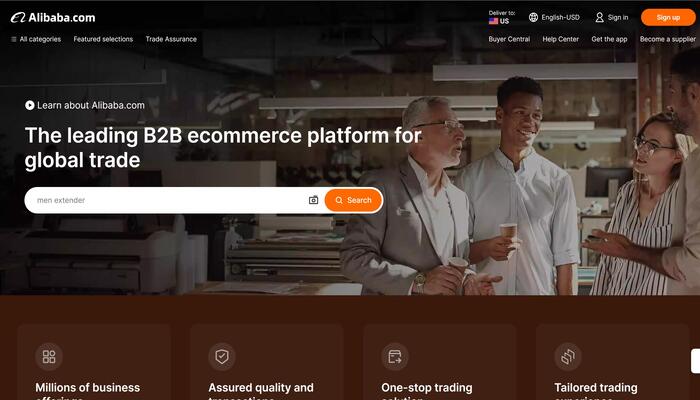
Finding a reliable supplier is the foundation of successful importing. Start by identifying suppliers on platforms like Alibaba or via trade shows. Verify their business licenses, check reviews, and request product samples. I always advise importers to inspect production capacity and quality control procedures, especially for large-volume shipments.
Communication is critical — make sure your supplier understands your product specifications, packaging requirements, and expected lead times. Clarify minimum order quantities, production timelines, and delivery terms. Doing this upfront prevents costly misunderstandings later in the supply chain.
Another key practice is asking for references or client feedback. If possible, visit the factory personally or hire a third-party inspection company. This extra step ensures your supplier is trustworthy and capable of handling your orders consistently.
Actionable Workflow
- Source suppliers
- B2B platforms: Alibaba, Made-in-China, Global Sources, 1688.
- Trade shows: Canton Fair, Global Sources Show (excellent for hands-on verification).
- Verify legitimacy
- Request business license, export records, certifications (CE/FCC/FDA as applicable).
- Order samples or a pre-production run.
- If needed, use third-party inspection/QC before and after production.
- Lock basic terms
- Product spec, quantity, unit price, lead time, packaging spec (carton strength, pallet type), labeling, barcodes.
- Incoterms (EXW/FOB/CIF/DDP) and payment terms (TT/L/C or platform escrow).
- Confirm export capability
- Some small suppliers lack export rights; your freight forwarder can declare export legally on their license.
Step 2: Choose a Trustworthy Chinese Freight Forwarder

A competent freight forwarder is your logistics partner, not just a service provider. When evaluating agents, I consider their experience with USA-bound shipments, knowledge of DDP shipping services , and transparency in pricing. Look for references and verify their track record with importers like you.
Your freight forwarder will coordinate with suppliers, carriers, and customs authorities, so reliability and communication skills are paramount. At DFH Logistics, we assign a dedicated account manager to each client to handle every question and update in real-time.
What I Recommend You Evaluate
- Licenses & capability: NVOCC/IATA as applicable, in-house customs team, DDP expertise.
- Coverage: Pickup anywhere in China, door delivery across the USA (commercial/residential/Amazon FBA/3PL).
- Transparency: Clear landed-cost components, no vague “local charges,” written SLAs.
- Support: Consolidation, repacking, labeling, insurance, temperature-controlled or DG handling if needed.
- Communication: Dedicated contact, proactive milestone updates.
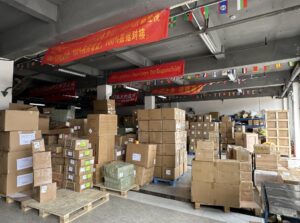
At DFH, we provide 30 days of free warehousing in Shenzhen, multi-supplier consolidation, photo confirmation, and DDP customs clearance for importers without U.S. import licenses.
Step 3: Choose Best Shipping Method.
Choosing the right shipping method depends on three main factors: cost, speed, and product type. Air freight is fast and ideal for high-value or time-sensitive goods, but it comes at a higher price. Ocean freight is cost-effective for bulk shipments, though it takes longer — typically 20–40 days from China to the USA. Express courier services are perfect for small parcels, offering door-to-door delivery within days.
Select sea, air, express, or DDP based on cargo dimensions/weight, urgency, budget, and destination type; the right choice prevents both delays and overspending.
Picking the Right Mode (with Practical Guidance)
| Shipping Method | Typical Transit Time | Best For | Notes |
|---|---|---|---|
| Sea Freight (FCL) | 25–45 days | Full-container, heavy/bulky | Lowest cost per unit; stable for recurring volumes |
| Sea Freight (LCL) | 30–50 days | Palletized, smaller volumes | Pay by CBM; mind CFS/terminal fees and consolidation cutoffs |
| Air Freight | 5–12 days | Medium/high-value, time-sensitive | Pay by chargeable weight; plan for airport trucking at both ends |
| Express Courier | 3–7 days | Samples, small urgent parcels | Door-to-door with integrated tracking; highest per-kg cost |
| DDP Door-to-Door | 10–35 days | Turnkey delivery with duties included | Forwarder handles clearance and taxes; ideal for importers without a license |
How to Decide Quickly
- If deadline is strict and weight is modest → Air or Express.
- If cargo is heavy/bulky and deadline is flexible → Sea (FCL if you can fill a container; LCL otherwise).
- If you want one price, no customs headaches → DDP door-to-door.
I always recommend analyzing your order size, budget, and delivery urgency before making a choice. For mixed shipments or partial orders, combining air and sea freight may be the optimal solution. Your freight forwarder can provide cost comparisons and suggest the most efficient routing.
Step 4: Freight Forwarder Book Shipping Space.
Once the shipping method is decided, your forwarder books space with airlines or shipping lines. Accurate booking ensures your cargo departs on schedule. Experienced agents can consolidate shipments from multiple suppliers to save on space and costs, which is especially useful for small or mid-sized orders.
Your forwarder secures carrier space (container or flight), aligns schedules with your cargo-ready date, and issues a booking reference (B/L or AWB) you can track.
What You Provide to Your Forwarder
- Cargo details: HS code, pieces, net/gross weight, carton sizes, pallets, stackability, special handling (DG/reefer).
- Documents: Commercial invoice, packing list, product certificates (as needed).
- Pickup details: Factory address, contact person, cargo-ready date (CRD), forklift/loading notes.
What Your Forwarder Does
- Canvasses multiple carriers for best schedule + rate; reserves space.
- Sends booking confirmation and cutoff times (CY/CFS cutoffs for ocean; tender times for air).
- Aligns trucking and warehouse handling to meet those cutoffs.
Why Early Booking Matters
- Peak seasons (Q3–Q4) bring space shortages and GRIs/PSS. Early booking protects both cost and schedule.
- More time to fix document issues before port/airport cutoffs.
Step 5: Pick Up Goods from the Factory.
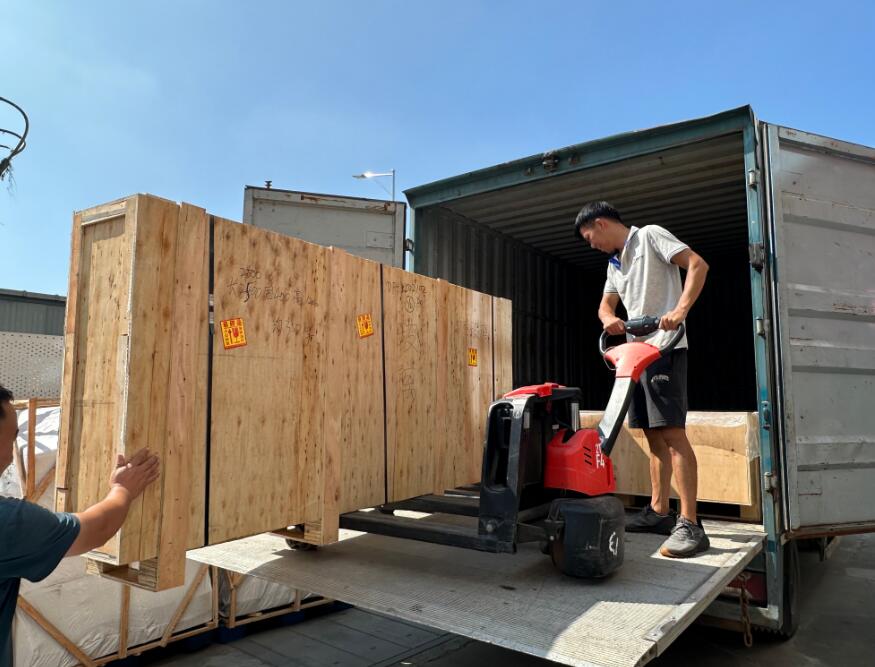
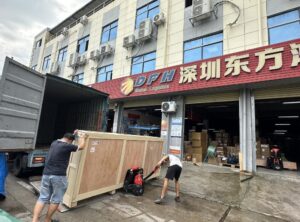
Your forwarder arranges for cargo pick-up directly from the supplier. During pick-up, they verify the quantity, quality, and packaging. We also confirm the final billable weight, which is critical for calculating accurate freight charges.
If you work with multiple suppliers, consolidation at the warehouse can reduce costs and simplify documentation. I always recommend photographing goods during pick-up to document their condition and packaging. This step protects you in case of disputes or damage claims.
For fragile or high-value items, I suggest using reinforced packaging and labeling for easier handling during transit. Learn more about our warehousing and consolidation services to optimize shipments from multiple suppliers.
Step 6: Export Customs Clearance Handled?
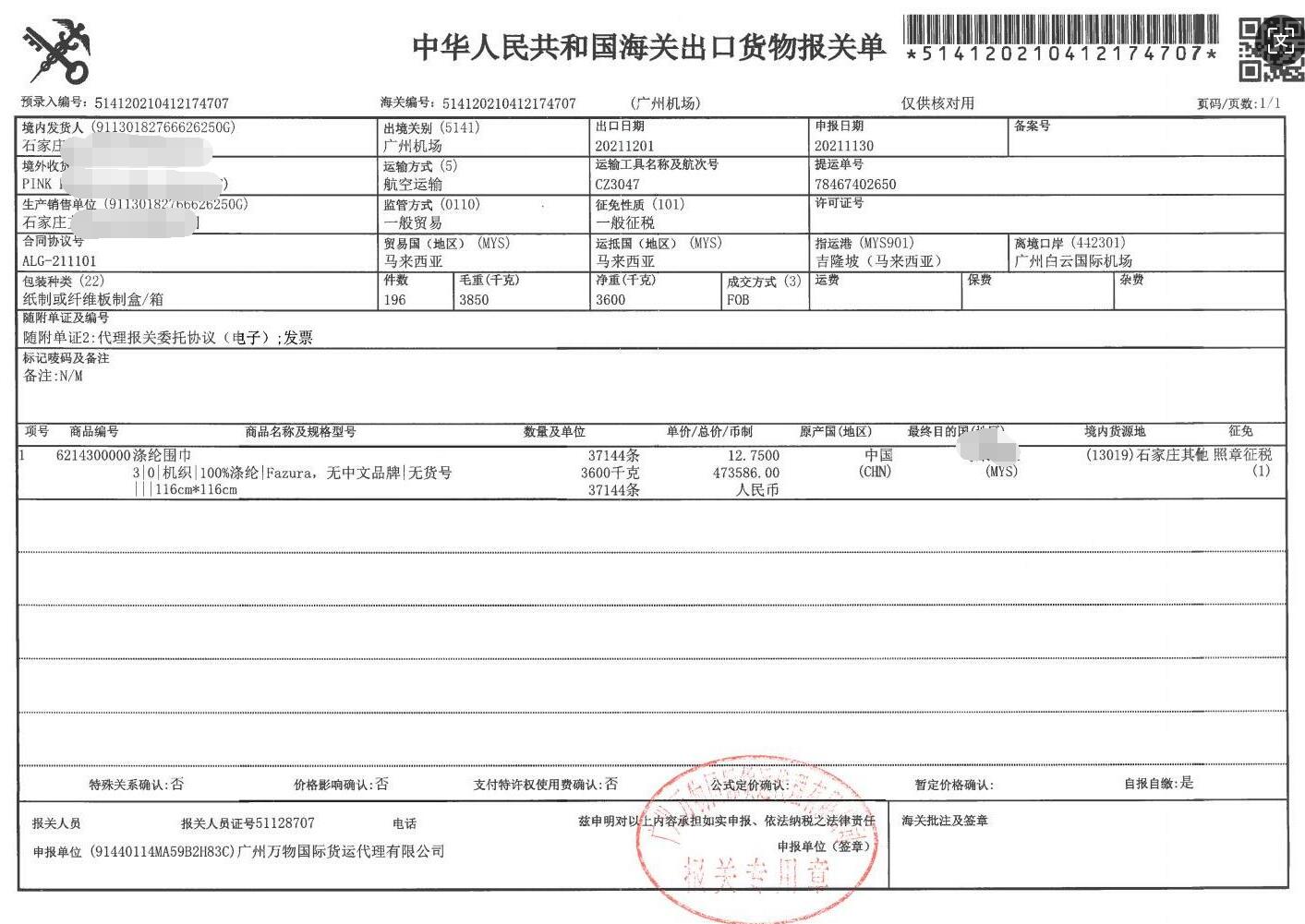
Export customs clearance is a vital step. Your freight forwarder reviews commercial invoices, packing lists, and other required documents, submitting them to Chinese customs authorities. Accurate HS codes, descriptions, and declared values are essential to avoid fines or delays.
Your forwarder audits documents, assigns HS codes, and files China’s export declaration so your goods legally leave the country without delays or penalties.
What must be prepared (and checked)
- Commercial Invoice (CI) — seller/buyer details, HS codes, quantity, unit price, Incoterms, currency.
- Packing List (PL) — package count, net/gross weights, dimensions, pallet info.
- HS/CIQ/CCC requirements — some products need China inspection or certification before export.
- Exporter of Record (EOR) — if your supplier lacks export rights, the forwarder can legally export on their license.
- Special goods — batteries/DG need UN numbers and shipping papers; wood packaging must be ISPM-15 compliant.
The export declaration flow (operational)
- Document audit by your forwarder; corrections requested from the factory if needed.
- HS classification & value review to avoid misdeclaration risks.
- China export entry submission to Customs; random inspections may occur.
- Customs release → cargo is permitted to gate in (ocean) or tender (air).
- Transport docs issued:
- Ocean: Bill of Lading (B/L) or sea waybill.
- Air: Air Waybill (AWB).
Step 7:Pay Shipping Fees to Your China Freight Forwarder?
ALT: pay shipping fees
Shipping fees are generally paid once booking is confirmed and documentation is ready. Costs typically include pick-up, export clearance, transportation, and, if using DDP, duties and taxes.
Settle freight charges after final chargeable weight/CBM is verified, and insure your cargo to protect against loss, damage, or delay.
Typical payment milestones
- Deposit/booking fee (sometimes) during peak season to lock space.
- Pre-shipment settlement after Step 5 when weights/CBMs are final.
- Destination charges (if DAP/FOB): port/CFS fees, trucking, brokerage, duties/taxes on arrival.
- DDP model: a single all-in door-to-door price that includes clearance and duties.
Cargo insurance (do not skip)
- Coverage: Institute Cargo Clauses (A) recommended (all risks).
- Insured value ≈ Commercial value + freight + 10%.
- Ask your forwarder to issue an insurance certificate with claim instructions.
Cost control resources you may want to check :How to Reduce Shipping Costs
Delays in payment can result in missed bookings or penalties, so timely payment ensures smooth shipment progression.
Step 8: International Transportation.
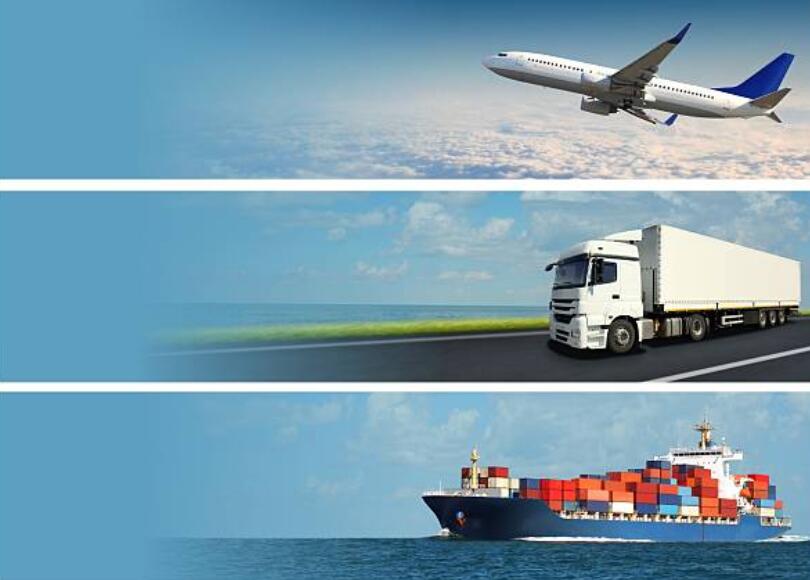
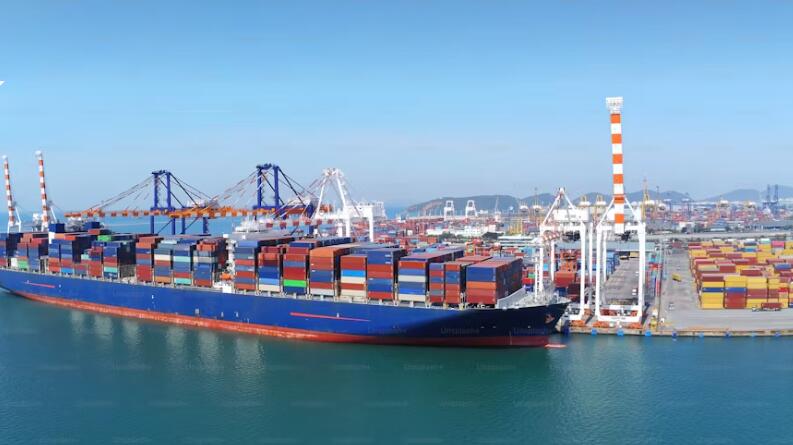
During transit, your goods travel via air, sea, or express courier which is you confirmed in step 3. After sending out the shipments, Your Freight forwarders will give you the number to track shipments closely, providing real-time updates on location, estimated arrival, and potential delays.
Risks like weather disruptions, port congestion, or mechanical issues can occur. Professional forwarders manage these risks proactively, rebooking space, rerouting shipments, or communicating alternatives to minimize impact.
Step 9: Import Customs Clearance in the USA
When your goods arrive in the USA, your freight forwarder or customs broker handles import clearance with U.S. Customs and Border Protection (CBP).
They verify all documents, classify products under the correct HS codes, and calculate import duties and taxes. Accurate documentation and valuation are vital — mistakes can cause customs holds or penalties.
For DDP (Delivered Duty Paid) shipments, DFH Logistics completes all customs entries, pays duties and taxes in advance, and ensures smooth delivery.
This option is ideal for importers without a U.S. tax ID or import license.
By keeping information transparent and communication continuous with CBP, DFH Logistics helps clients avoid clearance delays and unexpected costs.
Step 10: Final Mile Delivery.

The final mile delivery is the last step, transporting goods from the US port or airport to your warehouse, Amazon FBA, or direct customers. Your forwarder coordinates with local carriers to ensure timely, safe delivery.
Delivery options
- FCL: port pickup + drayage + chassis to your facility or 3PL.
- LCL: CFS pickup or forwarder-arranged LTL to your warehouse.
- Air: terminal pickup or forwarder-arranged delivery.
- Express: courier door delivery with signature if required.
Critical details to get right
- Appointments: many warehouses (and Amazon FBA) require booked slots.
- Accessorials: liftgate, inside delivery, residential surcharge, limited access (schools, jobsites).
- Receiving checklist: quantity check, visible damage notes on BOL/POD, immediate photo evidence if discrepancies arise.
Tracking and proactive communication with the delivery team help prevent missed deliveries, damages, or delays. Proper final-mile planning ensures a positive experience for your business and your customers.
Conclusion.
Shipping from China to the USA doesn’t have to be overwhelming. By carefully selecting suppliers, choosing the right forwarder, and following a step-by-step approach, importers can save time, reduce costs, and avoid unexpected issues.
At DFH Logistics, we handle every step — from pick-up and consolidation to customs clearance, international shipping, and final delivery. With over a decade of experience, our team ensures your goods reach the USA safely, efficiently, and on time, allowing you to focus on growing your business without logistics headaches.
Contact us Today to arrange your Next shipment easier safer cheaper from China.